
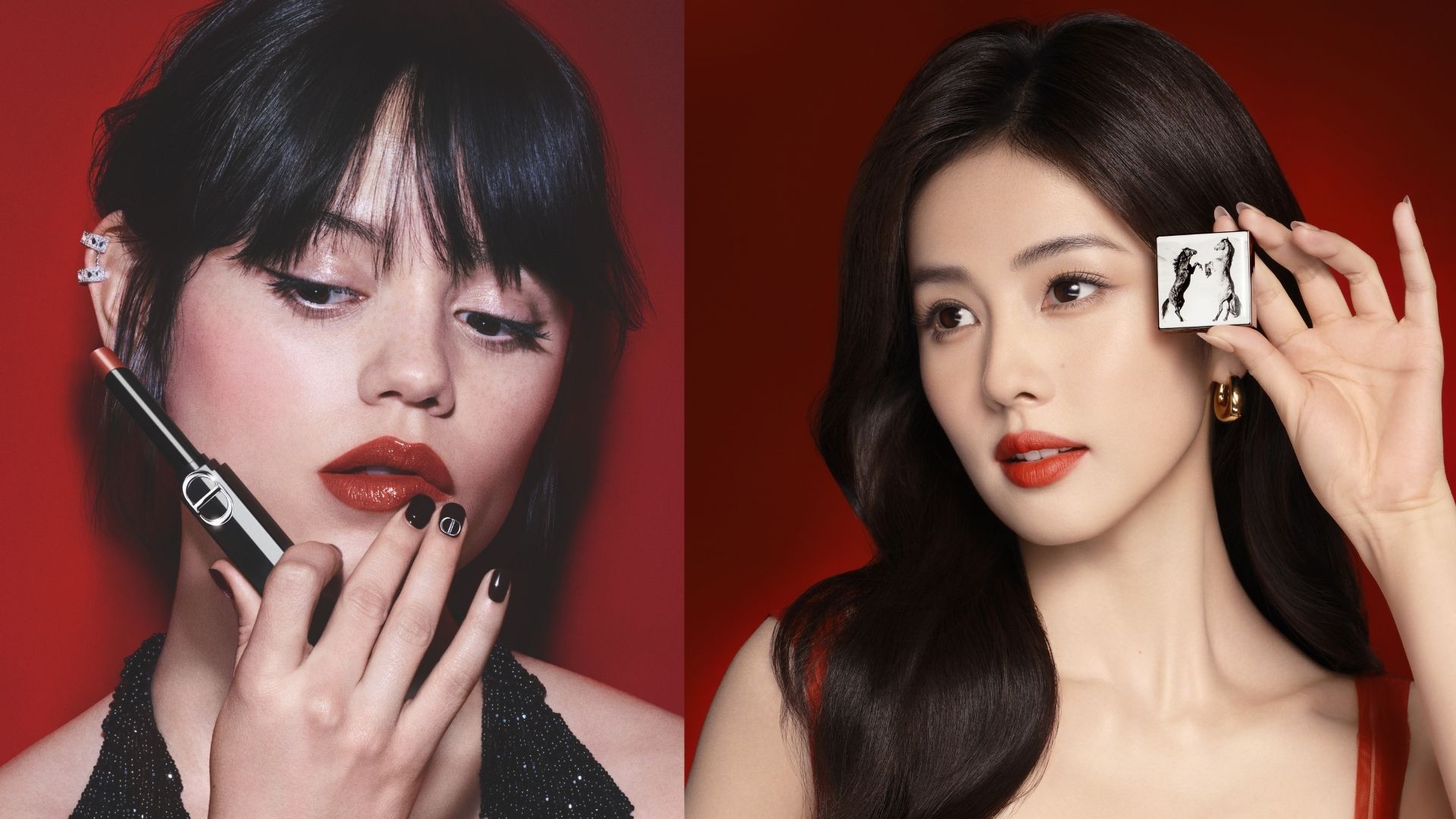
Festive limited editions are nothing new in the market. Highly collectable in nature, the special drops often see unique packaging, elaborate campaigns, and most importantly, the added pressure to pick them up before they run out. Brands typically anticipate a surge in consumer spend during these windows and market their goods heavily in order to make hay while the sun shines—but this is not something that’s obviously recognised by the clientele. Apply a little bit of feel-good story and add a million-dollar smile to the campaign, and suddenly, blatant exploitation becomes hard to detect.
The past Christmas season is a prime example of festive advertising at its best. Never have we witnessed such an immense volume of advent calendar unboxing videos—and the onslaught began all the way in early September. Holiday value sets hit shelves early October, which means we were shopping for Christmas gifts even ahead of another holiday: Diwali. And as everyone was well into Christmas preparation, we’re bombarded with Lunar New Year and Valentine’s Day limited edition releases. By the time Eid is over and done with, we will have collectively survived five months’ worth of non-stop consumerism.
Overlapping marketing windows aside, what does it mean when Western beauty brands tap into Eastern cultural holidays? Observing one should mean more than profit padding and marketing exercises that promptly feature faces of those who celebrate the festivity—faces which could disappear throughout the rest of the year. The same products, dressed in an auspicious red for Lunar New Year or peppered with reflective golden crescent moons for Eid, can only go so far in showcasing a brand’s inclusivity and diversity. Practised values, respect towards heritage, and the individual leading the vision matter a whole lot more when we discuss representation than just pretty packaging. With the amount of available options out there, consumers can afford to choose based on their ethical alignment.
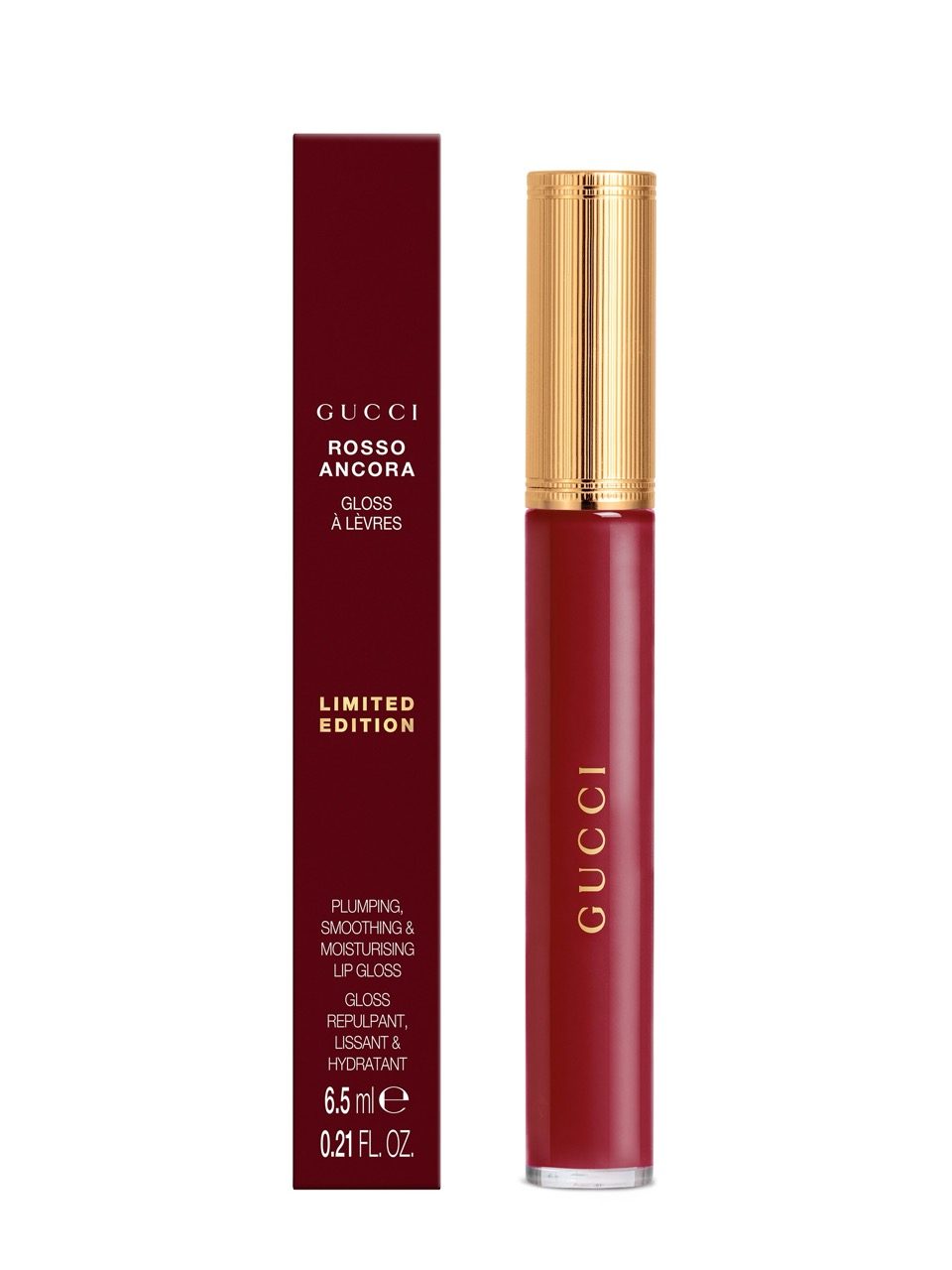
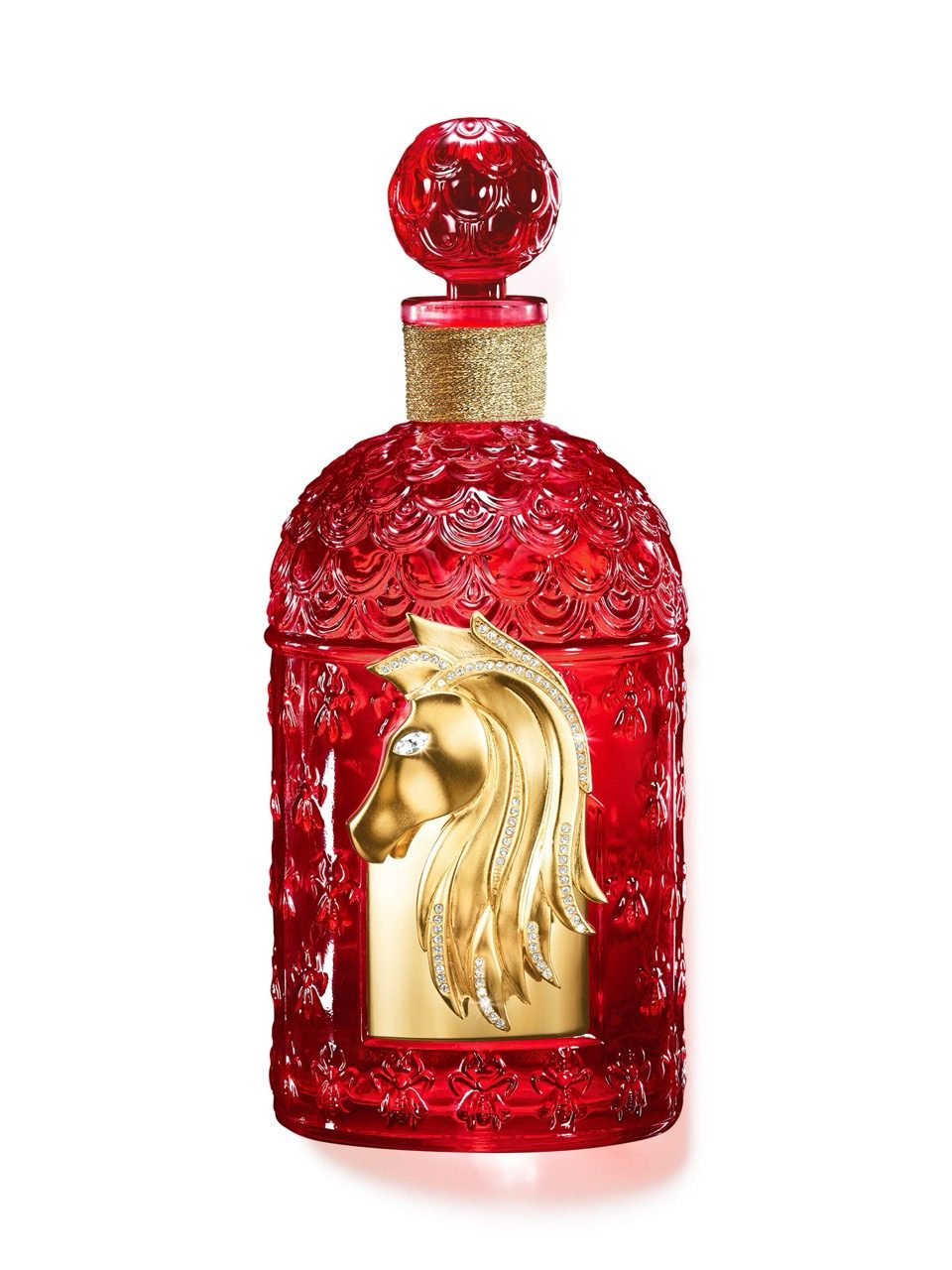
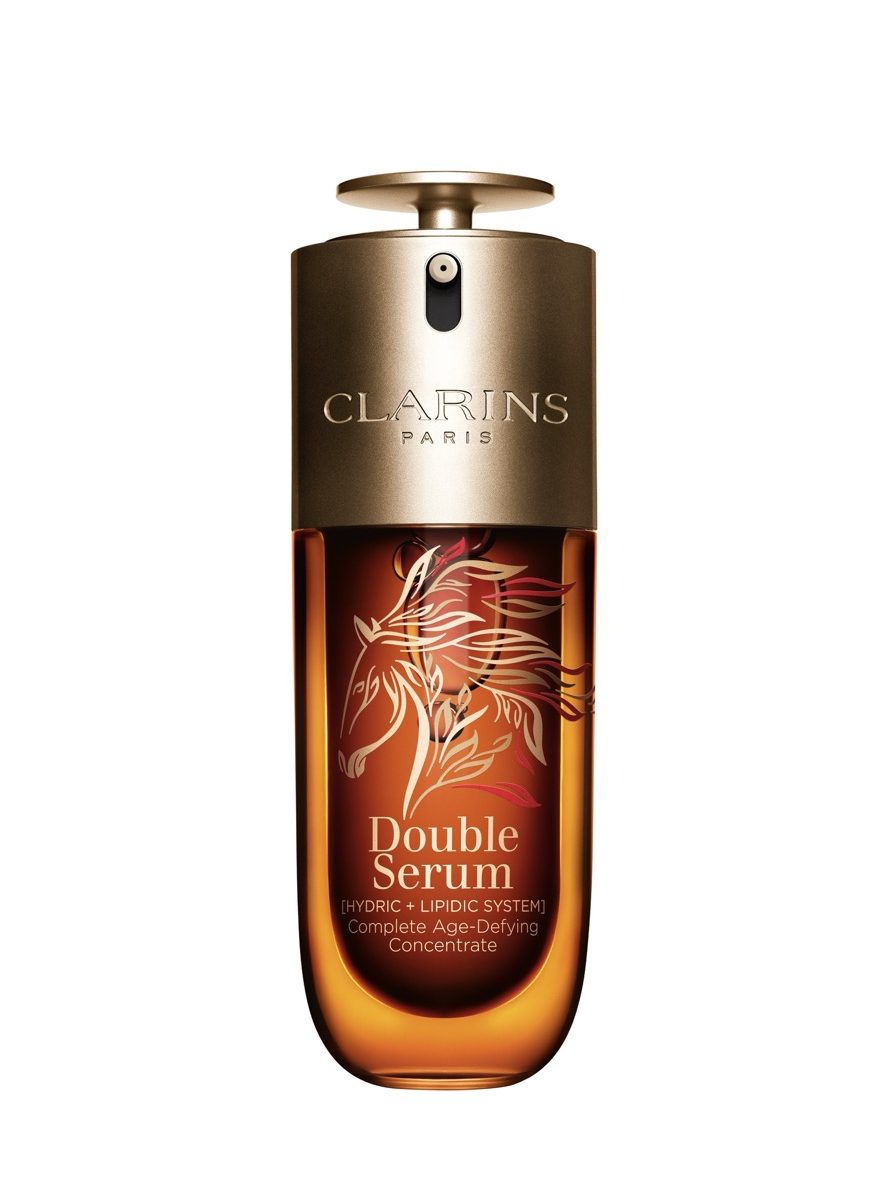
According to Mintel, there was significant growth for Lunar New Year-related releases from 2015 to 2019, with launches reaching 15 per cent global share in Europe and 10 per cent global share in North America by 2019, as opposed to in 2015, when the bulk of the launches, 97 per cent, were coming from the Asia Pacific region. We can’t feign shock when, one, the Asian diaspora is becoming more prominent, and two, the Asia-Pacific region is promising growth for the global luxury market. Soon enough (if it hasn’t already happened), Eastern traditions of Eid, Lunar New Year, Diwali, and more, will eclipse their Western counterparts.
So now that we’re seeing more stuff tailor-made to fit our culture, what’s next? There’s no preventing the commodification of holidays—at least, in our current reality. At the very least, brands should put their money where their mouth is. Honouring and recognising audiences should not only be done through seasonal positioning; it should start from the very beginning, where representative voices are included, heritage is venerated, and cultural values are reflected across the board. That’s how you do holiday limited-editions (and the culture) justice.
This story first appeared in the GRAZIA Malaysia February 2026 issue.
READ MORE