
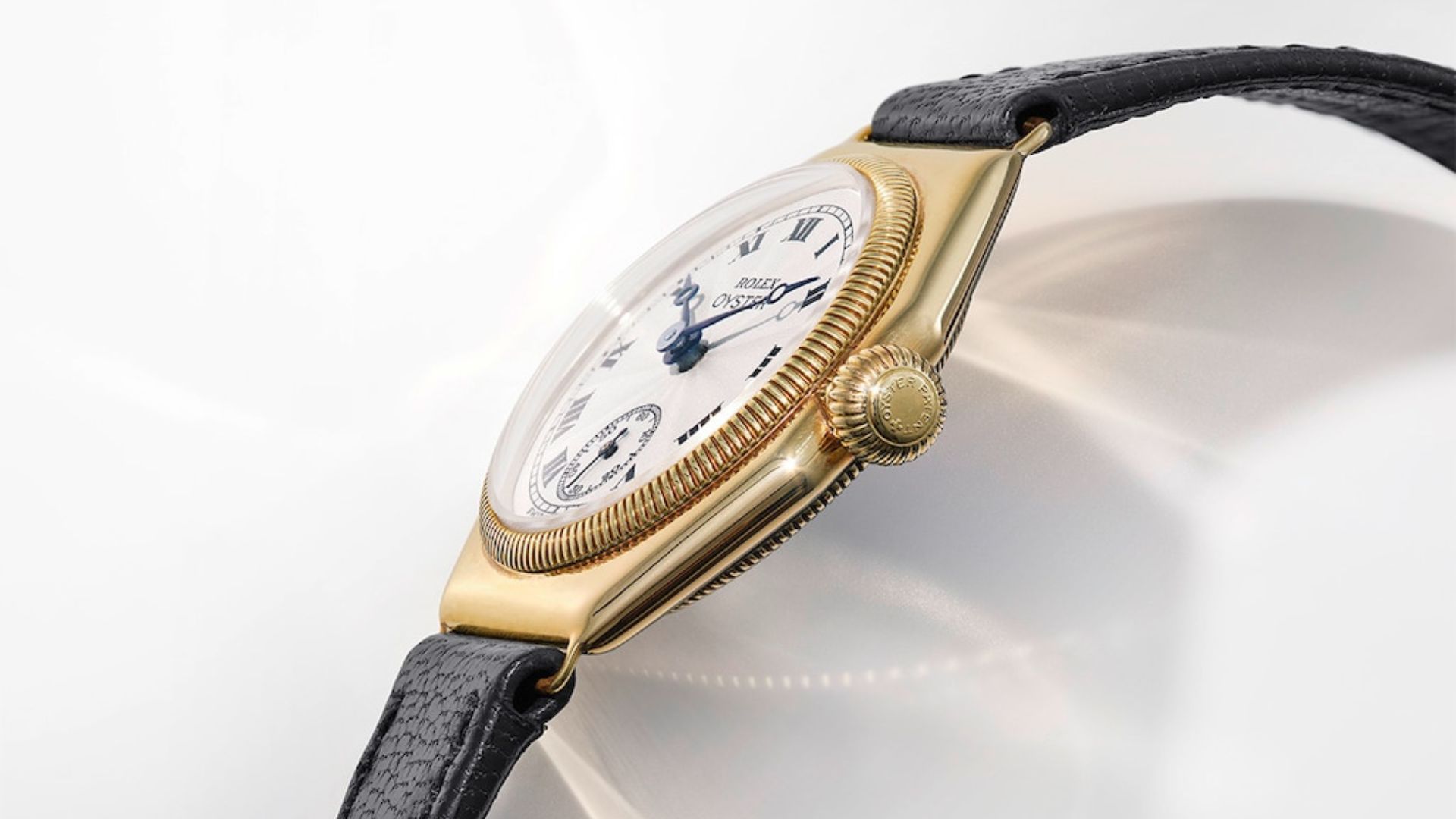
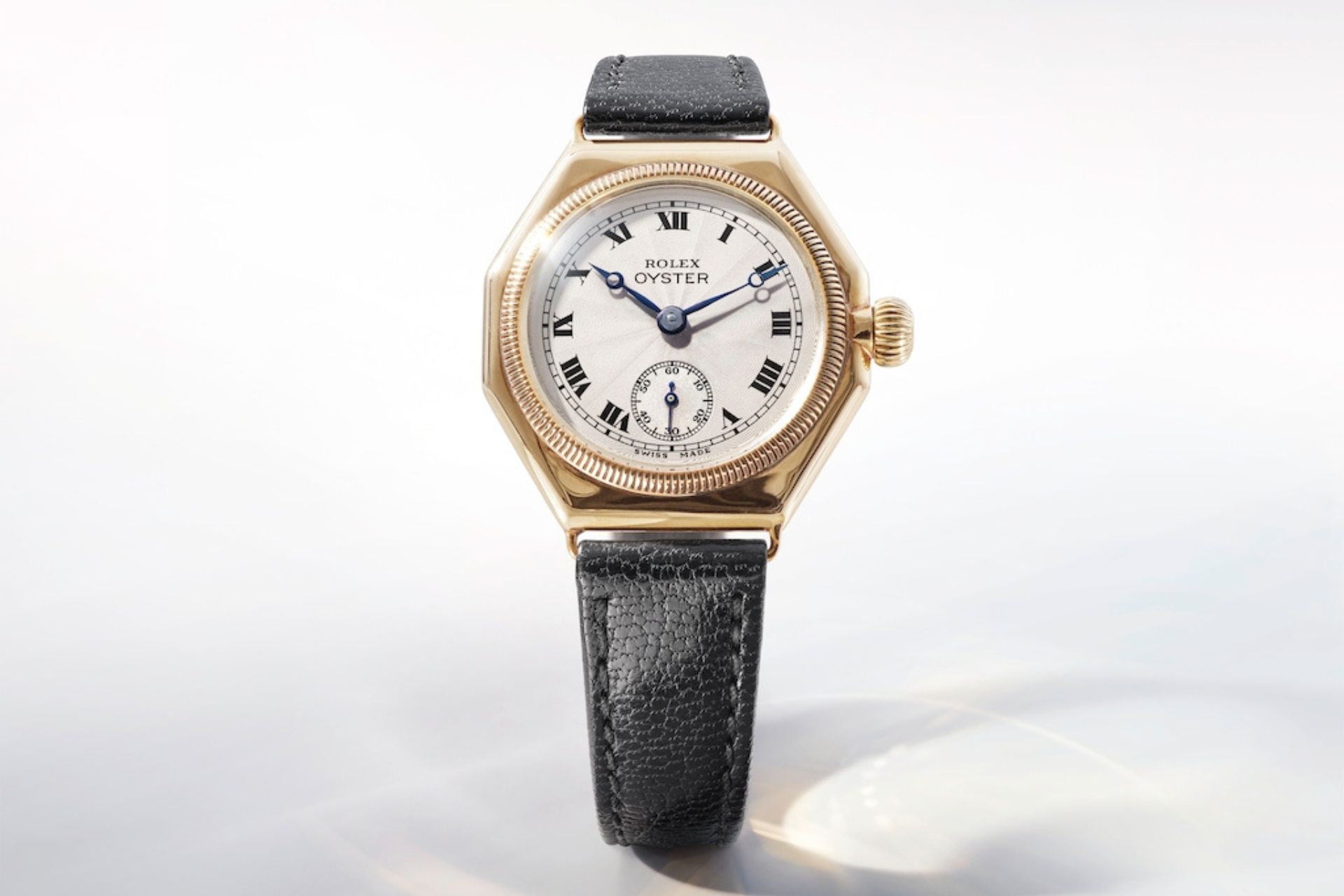
In 1926, Hans Wilsdorf introduced a watch that changed the course of horology and, in many respects, still defines what a modern wristwatch should be. He called it the Oyster. Like the shellfish from which it took its identity, the watch was designed to close itself off from the outside world, sealing out water, dust, and the countless irritations of daily life. It was a practical solution, but it carried a larger ambition. Wilsdorf wanted to transform the wristwatch into something genuinely dependable.
At the time, that was far from obvious. Pocket watches still dominated, and wristwatches were often regarded as elegant accessories as they lacked precision and were more vulnerable to external damage.
Wilsdorf, however, disagreed. He believed the wristwatch belonged to the future, alongside the inventions that were reshaping the modern world. Cars were becoming faster, aircraft were extending the limits of travel, and communication was accelerating. Timekeeping, he felt, should keep pace. The Oyster was his answer.
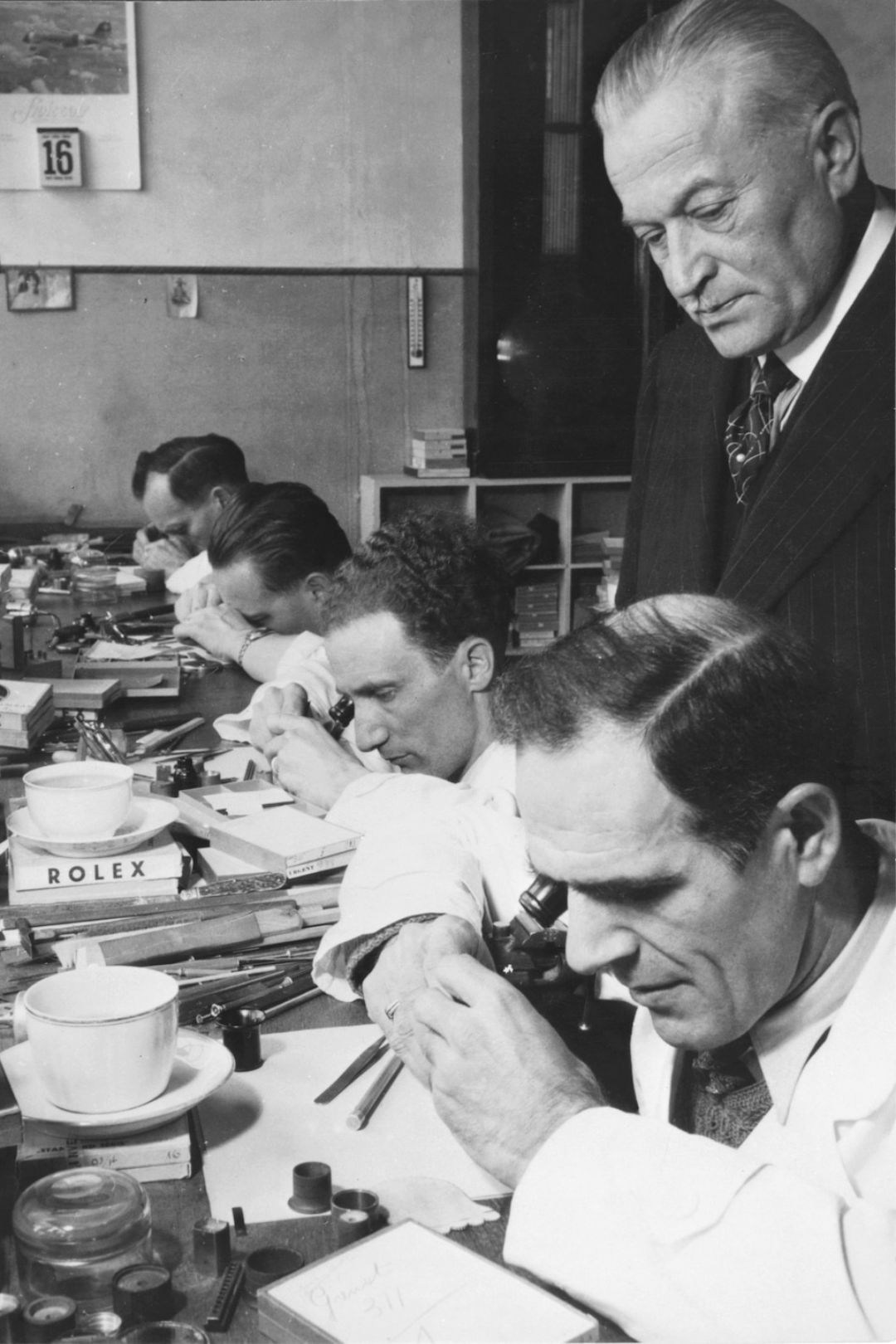
Its case employed a screw-down bezel, caseback, and winding crown, creating the world’s first waterproof wristwatch. For the first time, a watch could be worn in rain, at sea, or in dusty environments without immediate concern for its movement. The case was compact, yet its precision rivalled that of much larger marine chronometers, the highly accurate instruments used aboard ships. Wilsdorf had managed to bring together two qualities that rarely coexisted in early wristwatches: accuracy and durability.
Then, in 1931, Rolex patented the Perpetual rotor, a self-winding mechanism powered by the motion of the wearer’s wrist. It was another decisive step. The Oyster no longer relied solely on manual winding. As long as it was worn, it generated its own energy. The idea was elegantly straightforward, though its impact was profound. Precision, waterproofness, and self-winding. Three technical achievements that together established the foundations of the modern wristwatch.
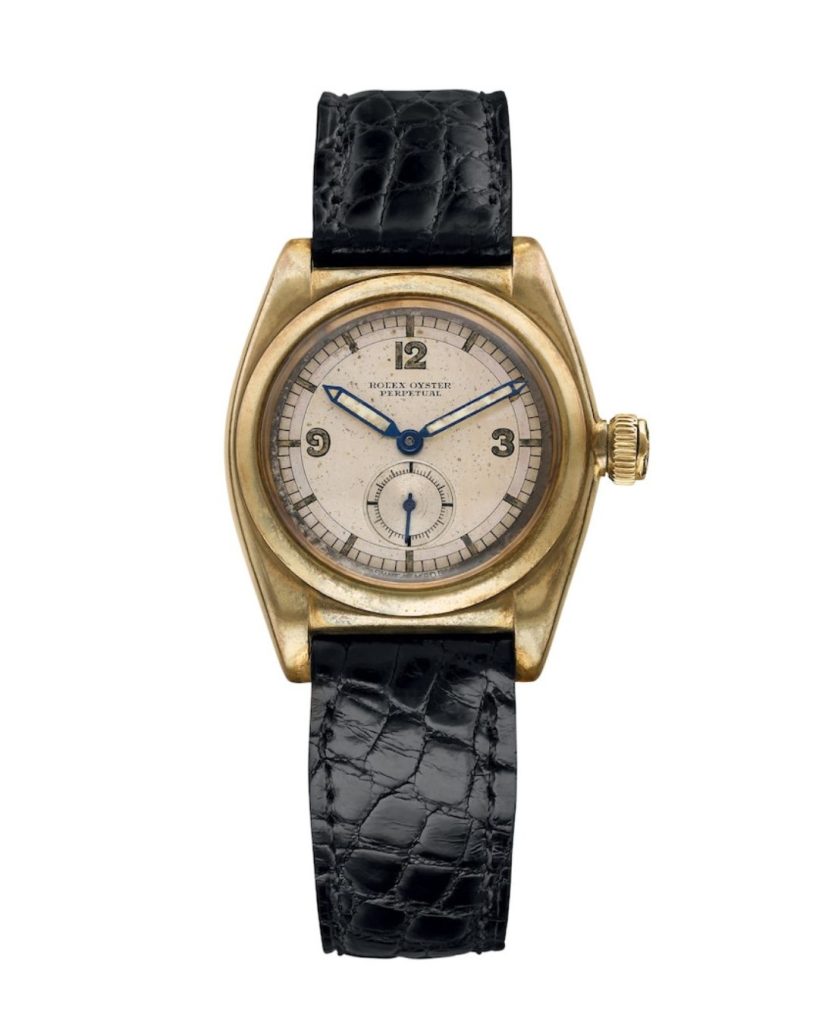
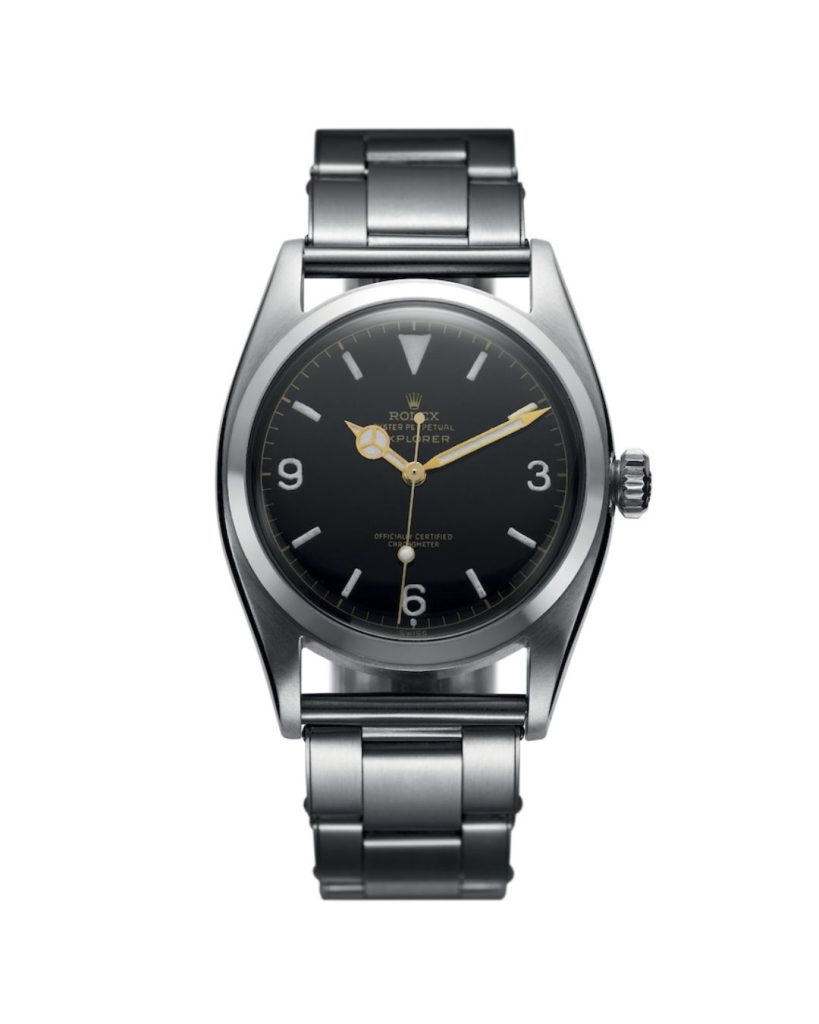
Wilsdorf understood that engineering alone was not enough. A watch could perform beautifully on a workbench, but its real worth emerged under pressure, in conditions that were unpredictable and often unforgiving.
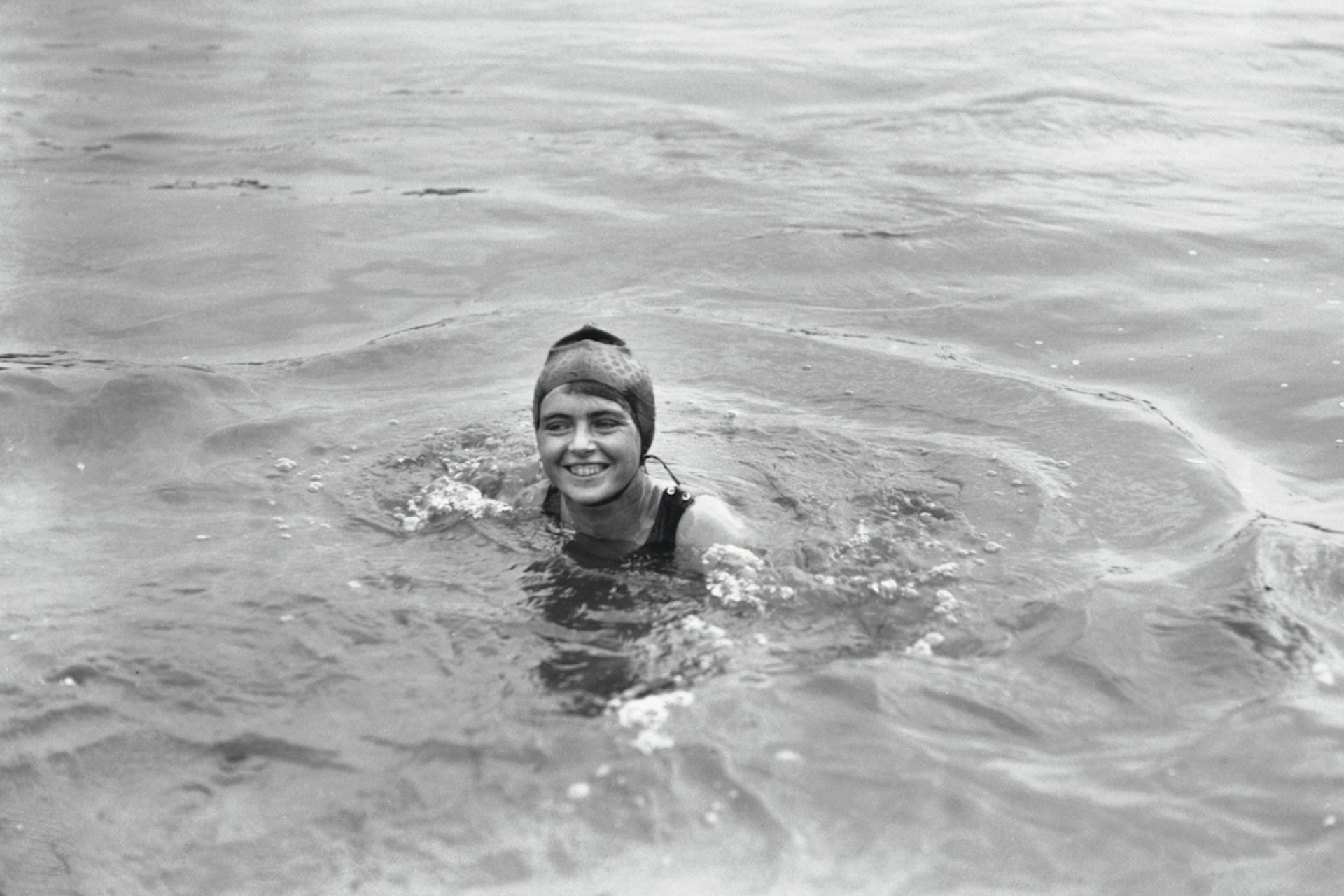
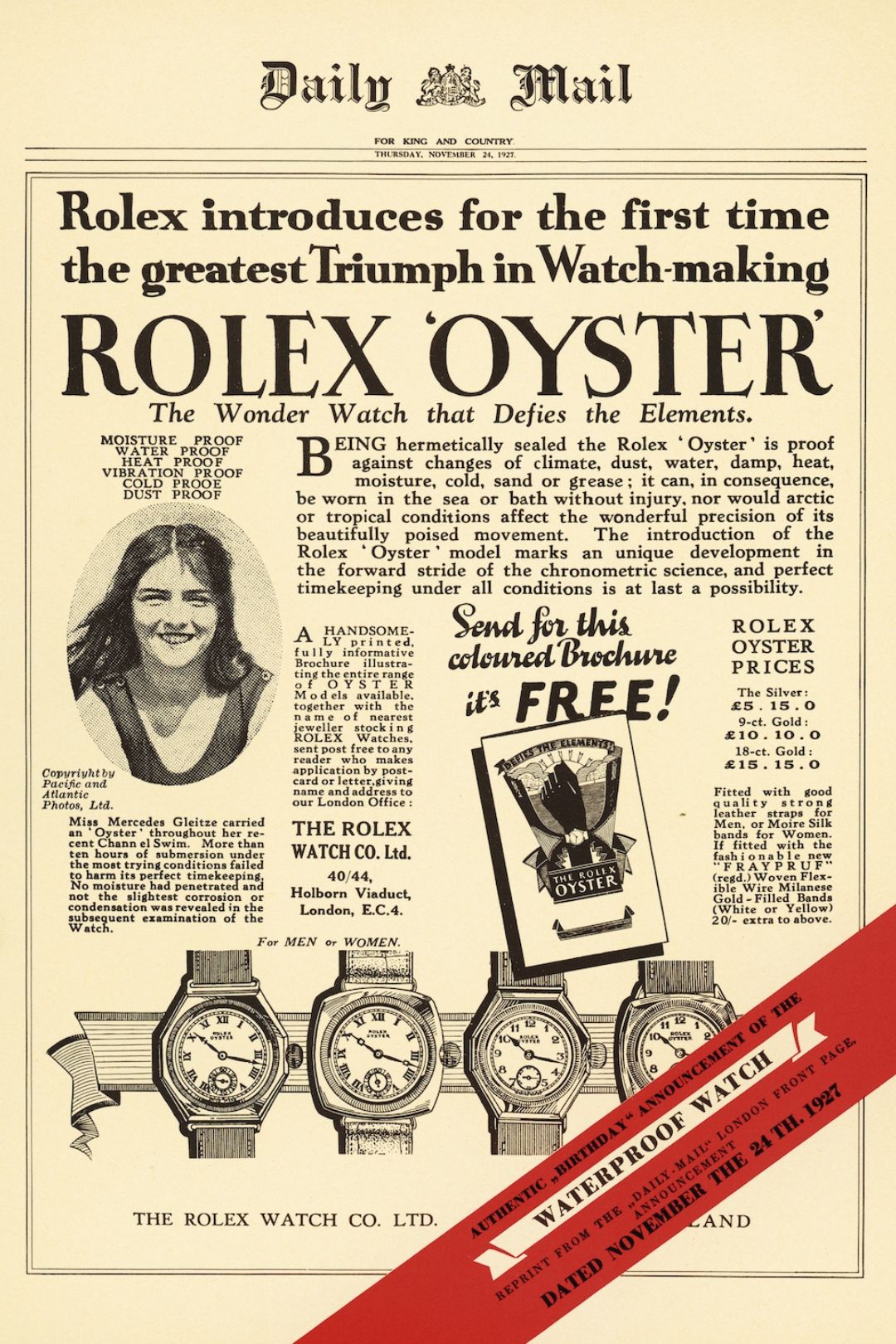
In October 1927, British swimmer Mercedes Gleitze wore an Oyster while swimming the English Channel. For more than ten hours, the watch remained exposed to cold seawater. When she completed the crossing, it was still functioning perfectly. The episode became one of the most memorable demonstrations in watchmaking history. Wilsdorf celebrated the achievement with a full-page advertisement in the Daily Mail, but the significance ran deeper than publicity. It confirmed an idea that would shape Rolex for the next century: that a watch should prove itself in the world, not simply in theory. And from that point onwards, the world became Rolex’s testing ground.


Oyster watches accompanied mountaineers, divers, aviators, scientists, and athletes. They travelled across deserts, through tropical jungles, and into polar regions. They were worn at sea level and on the highest peaks. Each expedition yielded practical lessons. And further developments came through patient adjustments, each one building upon the last.
What began as a single invention evolved into the Rolex Oyster Perpetual collection, a family of watches built on the same principles of precision and reliability. What’s striking is how consistent the original promise remains. A Rolex is still expected to be precise, waterproof, and legible enough to accompany its wearer through nearly any circumstance.
In 2026, more than a century after the Oyster first appeared, Rolex expanded its Superlative Chronometer certification from four testing criteria to seven. Resistance to magnetism, reliability, and sustainability were added to the existing measures of precision, waterproofness, self-winding, and autonomy.
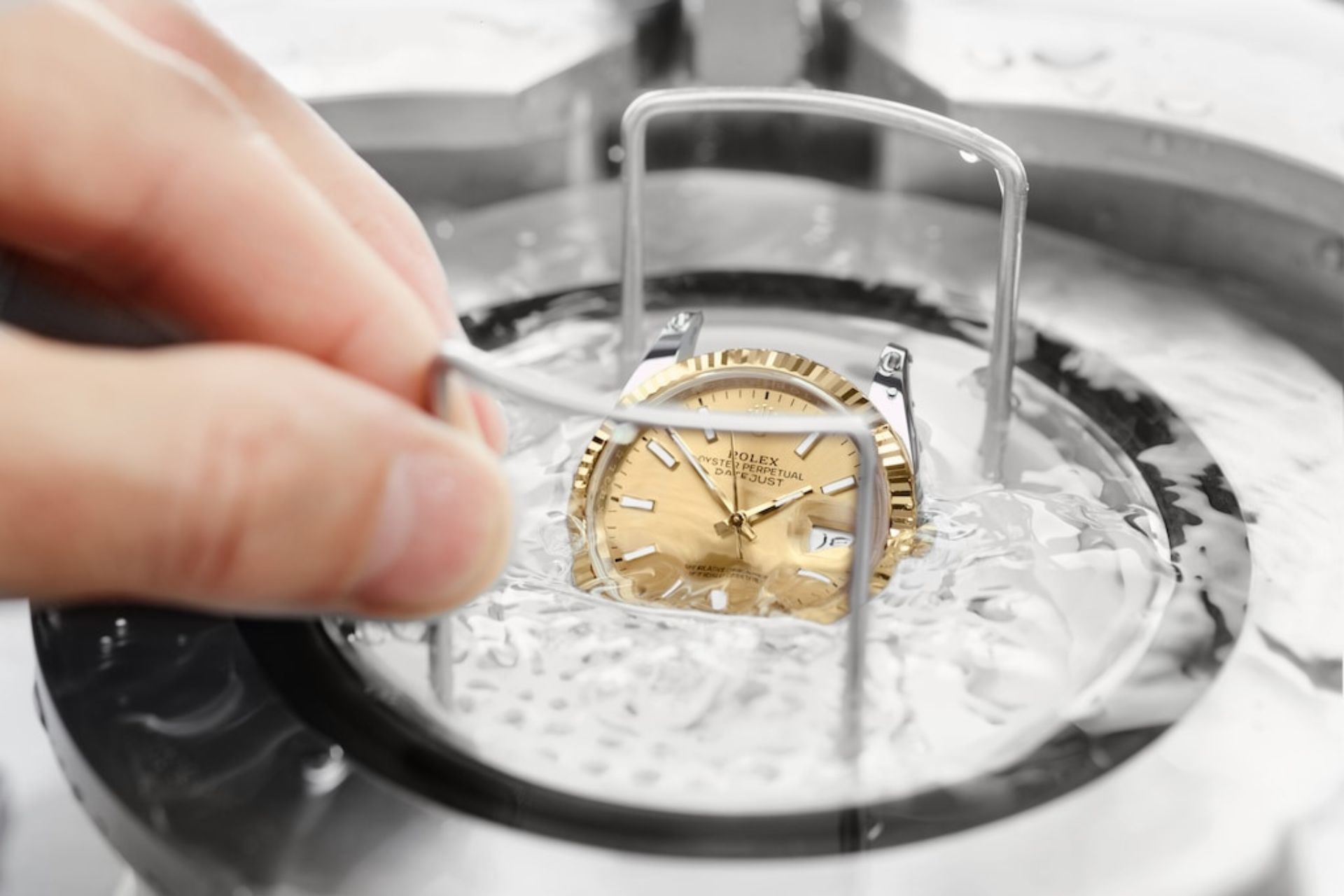
Rolex’s pursuit of accuracy has also entered territory that would have seemed almost unimaginable in Wilsdorf’s day. The manufacturer now employs optical atomic clocks, instruments of extraordinary precision rooted in quantum physics. These devices do not replace mechanical watches. Rather, they sharpen the standards by which time itself is measured.
Beyond the timepieces, the word “Perpetual“, associated with the Oyster since 1931, also underlines a determination to establish Rolex’s values for the long term: preserving our planet, perpetuating our cultural heritage, promoting innovation, and inspiring new generations.


Through partnerships in sport, the arts, and environmental conservation, Rolex supports individuals whose work unfolds over years and often decades. Athletes testing the limits of their discipline. Scientists and conservationists who work to understand and protect the natural world.
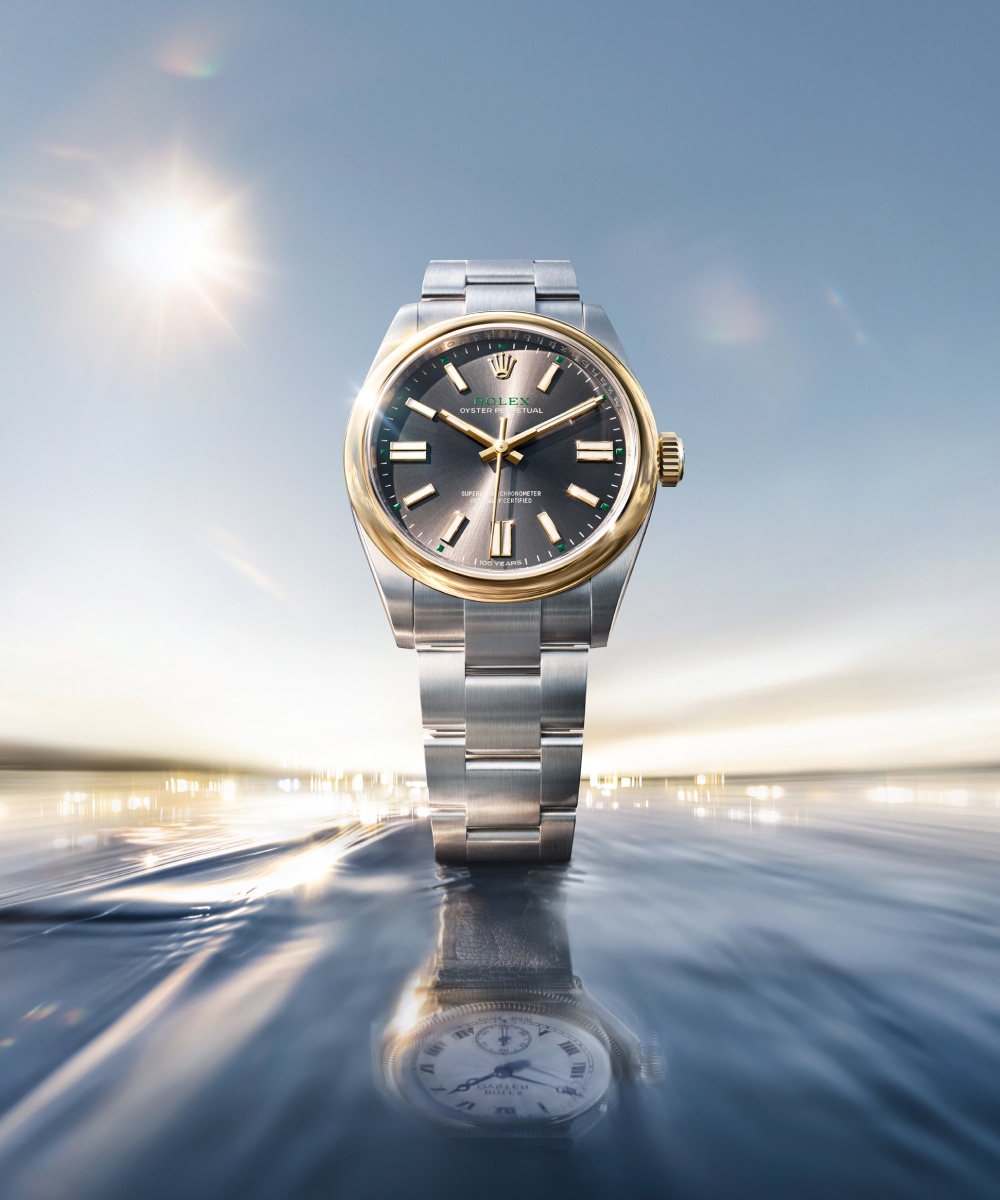
At the centre of this story is the Oyster. What began as a sealed case in 1926 became a symbol of reliability and human achievement. A century later, the Oyster remains much as Wilsdorf intended. Yet, its significance extends beyond engineering. It’s a reminder that a well-made object can accompany human ambition and continue to ask larger questions about the world around it.
READ MORE
Rolex Marks Dr Sylvia Earle’s 90th Year by Honouring Her Six Decades of Ocean Guardianship
How Rolex Helps To Keep the Golden Era of Motor Racing Alive
How Rolex Perpetual Planet Initiative Pushes The Limits of Human Knowledge