
Olive oil used to live squarely in the kitchen — drizzled over salads, poured onto grilled fish, maybe dipped into with bread. Now, it’s being treated more like a supplement.
Somewhere along the way, taking it as a shot — first thing in the morning, on an empty stomach — became a thing. And not in a fringe, wellness-insider way. In a very visible, very mainstream one.
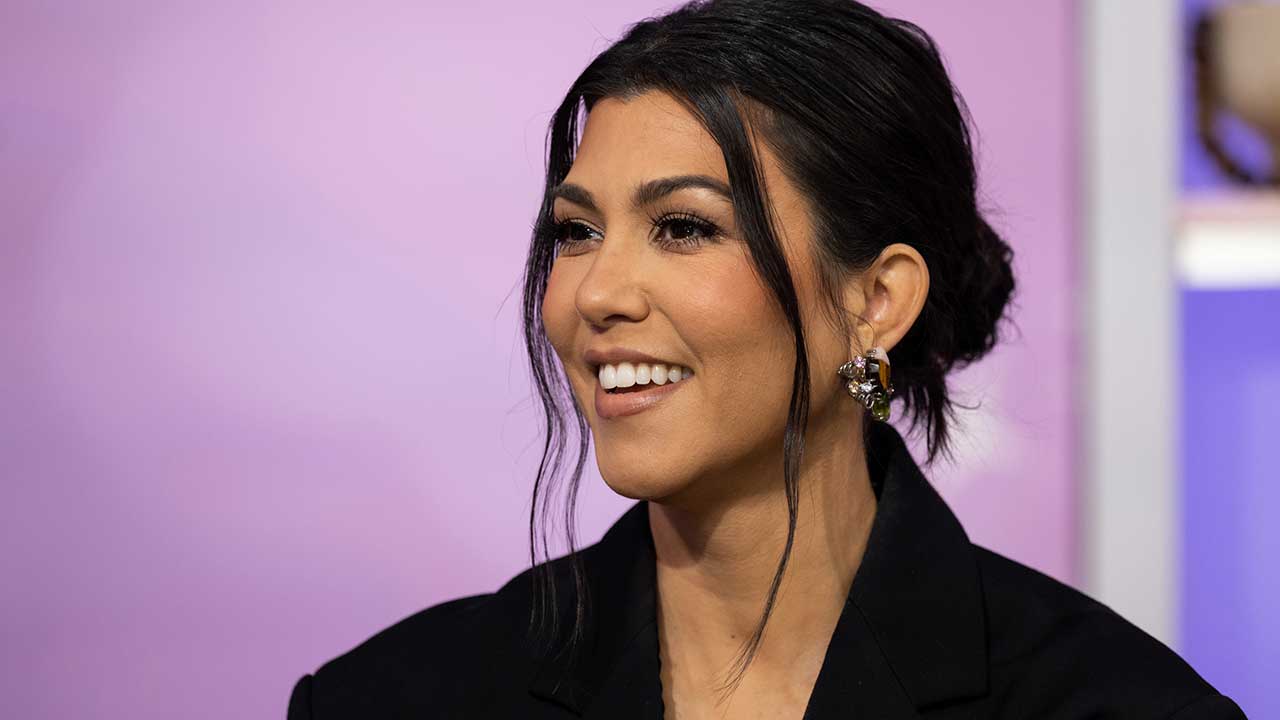
Gwyneth Paltrow has long been associated with olive oil as part of her broader wellness routine. Jennifer Lopez is often cited for her reliance on healthy fats for skin and longevity. But it’s Kourtney Kardashian who’s been the most direct about actually taking it straight.
On her platform Poosh, Kardashian has said she drinks a tablespoon first thing in the morning, on an empty stomach — part of a routine she ties to digestion and gut health. It’s a small detail, but one that’s taken on a life of its own online.

From there, the internet did what it does. The tablespoon turned into a shot. The routine turned into content. Wellness founders, models, and TikTok regulars started downing it on camera, turning something simple into something performative. Even Ryan Seacrest has been loosely linked to the habit, as the idea of taking olive oil like a daily supplement moves well beyond niche wellness circles.
The pitch is simple: a tablespoon (or more), taken daily, for better digestion, clearer skin, improved energy.
It sounds like a lot, but the logic isn’t new.
Extra virgin olive oil has long been a cornerstone of the Mediterranean diet, consistently linked to lower rates of heart disease, inflammation, and cognitive decline. What’s changed is the delivery. Instead of incorporating it into meals, people are isolating it — treating it like something more targeted.
According to cardiologist and nutrition expert Dr. Steven Gundry, the appeal comes down to polyphenols — plant compounds that act as antioxidants and are believed to support heart health, reduce inflammation, and even improve gut function.
“Polyphenols are powerful plant compounds that support a healthy gut, brain, heart, and more,” Gundry says. “My Polyphenol olive oil is different because it is sourced from Moroccan olives and contains 30x more hydroxytyrosol polyphenols than most olive oils. It can be drizzled over your salad or used for baking, but I suggest drinking a 2 oz. shot of it first thing in the morning, to start your day feeling energized, strong, and focused.”
There is some real backing here. Olive oil has been shown to help regulate cholesterol by increasing HDL (the “good” cholesterol) and reducing LDL oxidation, a key factor in heart disease.
But the ritual itself — the straight shot — is where things get less clear.
Nutritionally, there’s no meaningful difference between taking olive oil on its own versus incorporating it into food. Your body processes it the same way. Some experts argue it may actually be more useful alongside meals, where it helps absorb fat-soluble vitamins.
What does matter is quality.
The oils showing up in this space tend to be high-polyphenol, cold-pressed, and sourced more like wine than pantry staple. Brands are leaning into that — positioning olive oil as both a luxury product and a daily ritual.
This isn’t a cure-all. It’s not replacing a balanced diet. But it’s an easy add — quick, low-effort, and easy to repeat.
This story first appeared on GRAZIA US.
READ MORE