
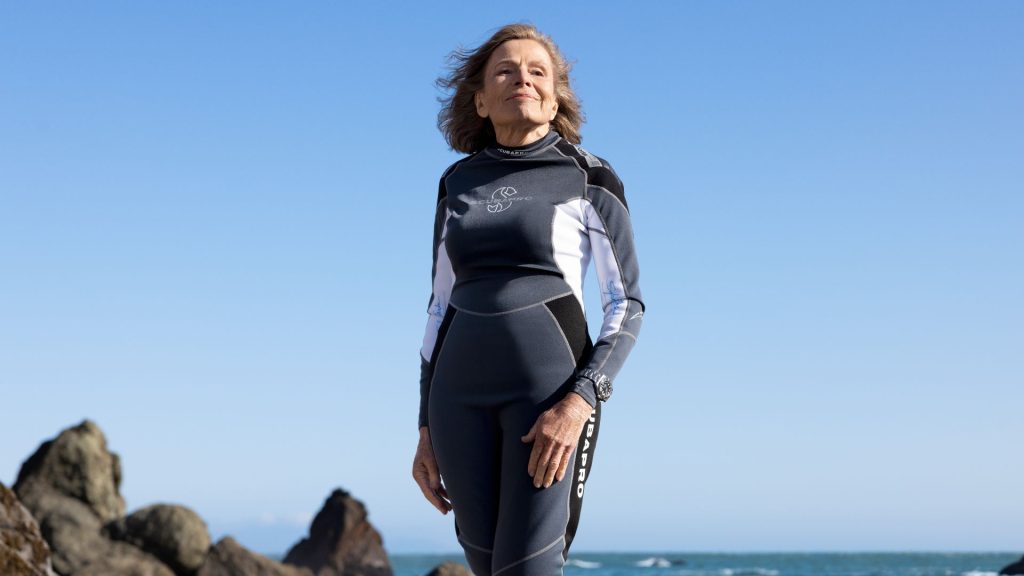
When Sylvia Earle was still a young scientist, she realised that it wasn’t about how much she knew, but rather how much she had yet to understand. So, how old is too old to care for the ocean? At 90 years old, Earle continues her lifelong advocacy for the sea. Rolex, having supported her for more than 40 years, is taking this opportunity to highlight her influence and remind us that the work she began must carry on.
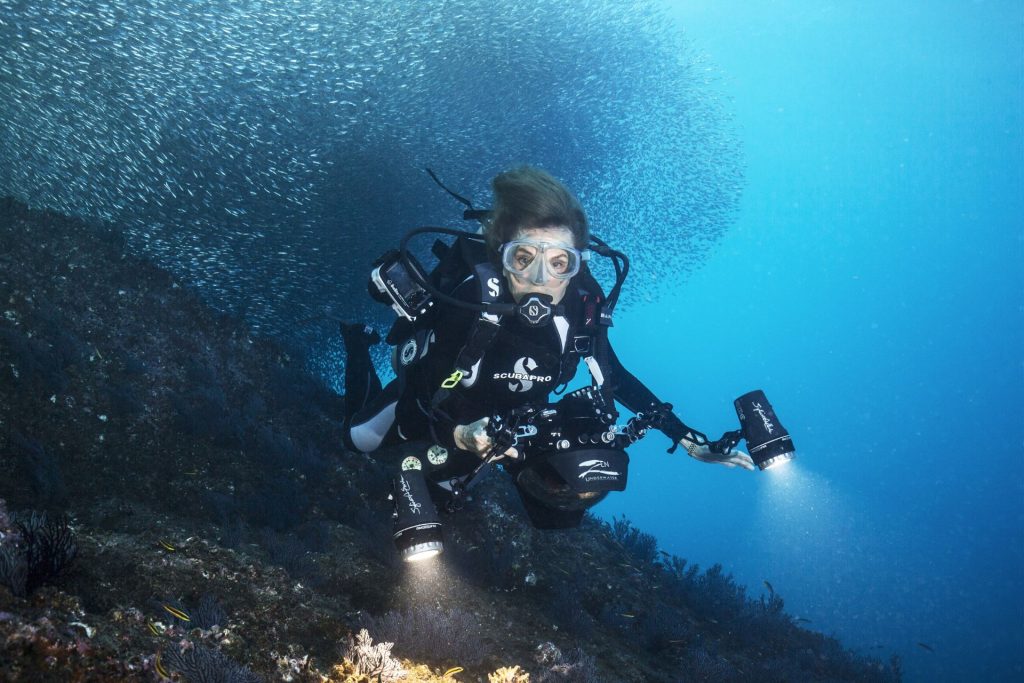

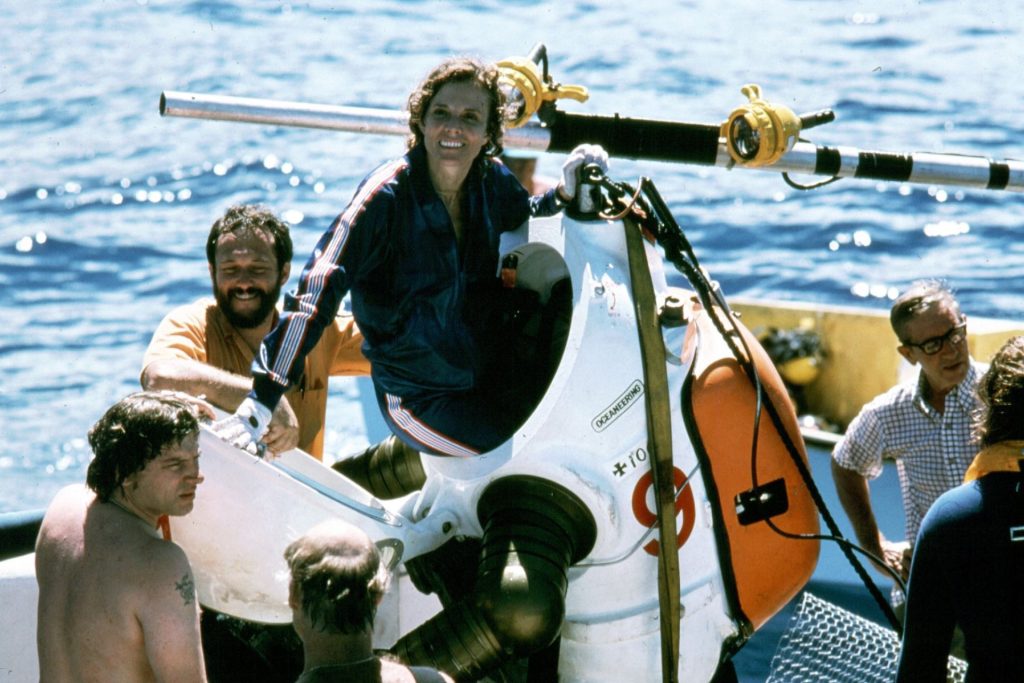
In 1970, Earle led a team of aquanauts on a two-week underwater mission. Living and working 50 feet below the surface in the US Virgin Islands aboard Tektite II, Earle and her team observed ocean life and the effects of living underwater on the human body. When they resurfaced, their pioneering work was honoured at the White House—fuelling the oceanographer to use this spotlight to highlight the urgent need to protect marine ecosystems worldwide.
Her love for the sea had humble beginnings. Growing up in New Jersey, she spent endless hours by the pond in her back garden, watching fish dart between reeds and tadpoles transform before her eyes. That early curiosity led her to Duke University, where she earned her PhD and began groundbreaking research on marine algae—the first step in what would become a remarkable career beneath the waves.
Earle has helped the world see the ocean differently. From discovering new marine species to championing the planet’s blue heart, her contributions have earned her more than a hundred accolades worldwide, including TIME Magazine’s first-ever Hero for the Planet title, the National Geographic Hubbard Medal, and honours from both the Explorers Club and the Royal Geographical Society.
She has also spent her life breaking barriers. As the first woman to serve as chief scientist of the US National Oceanic and Atmospheric Administration, she paved the way for future generations of women in science. And in 1979, she set a record that still stands today: walking 381 metres beneath the Pacific Ocean in the deepest untethered solo dive.
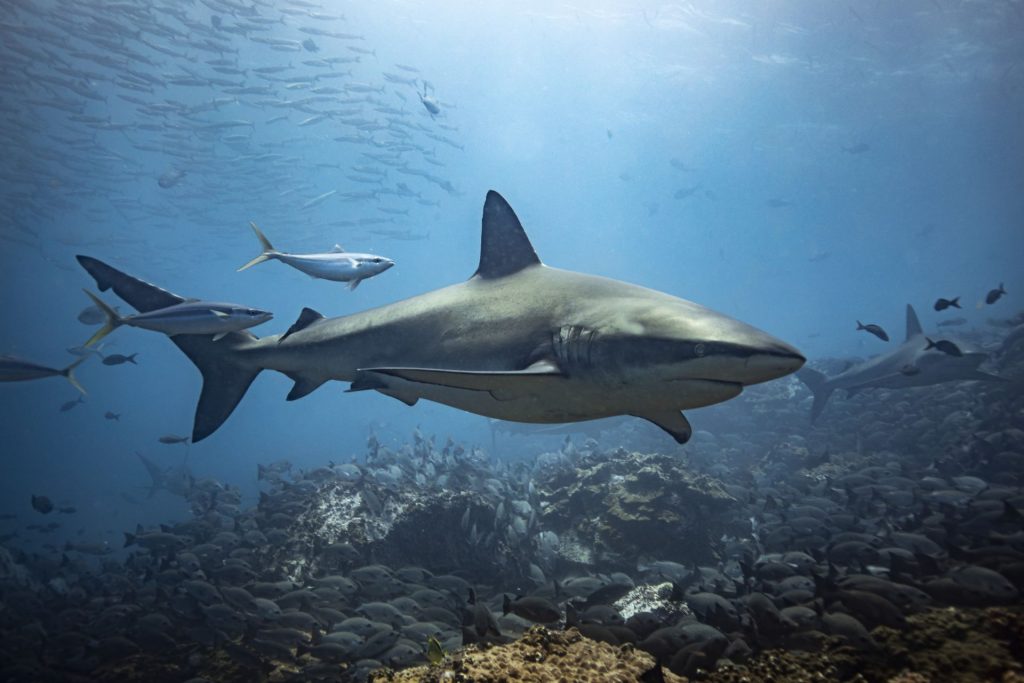
A decade later, her mission broadened from exploration to action. After receiving the TED Prize in 2009 for her vision of inspiring global change, Earle founded Mission Blue—a worldwide campaign to protect the ocean through a network of Hope Spots. Hope Spots are ecologically important areas of the ocean considered vital to ocean health, championed by the communities that depend on and understand these waters best.
A Rolex Testimonee since 1982, Earle has dedicated her life to exploring and safeguarding the ocean. Today, only 8 per cent of the world’s seas are protected, yet more than 100 nations have pledged to conserve at least 30 per cent by 2030—making her work more important than ever.
With Rolex’s support since 2014, Mission Blue has expanded from 50 to more than 160 Hope Spots, including biodiverse regions such as the Azores Archipelago and the Galápagos Islands. Through the Rolex Perpetual Planet Initiative, the brand also supports Mission Blue Champions—individuals and organisations leading conservation efforts in their regions.
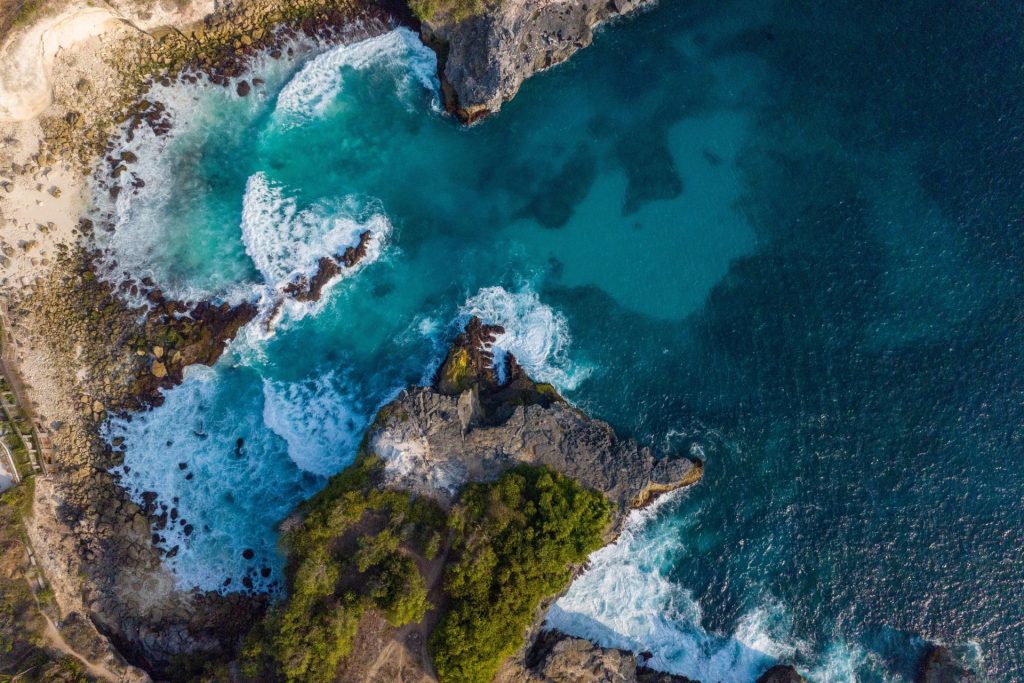
Beyond her scientific achievements, Earle continues to inspire people across the globe with her vision and dedication. With 34 honorary degrees and lectures delivered in more than 80 countries, she has held numerous distinguished positions, including National Geographic Explorer At Large. In 2022, Rolex celebrated her 40th anniversary as a brand Testimonee.
A true visionary and a heroine of the ocean, Earle continues her tireless advocacy as she enters her ninth decade. “All of us, individually and collectively, must respect nature and care for it,” she says. “We need to treat the ocean and the rest of our living planet like our lives depend on them—because they do.”
READ MORE
Rolex Perpetual Planet Initiative Creates Change at Kep Archipelago Hope Spot
Legends and Legacies: Rolex’s Docuseries ‘Reach for The Crown’ Delivers Inspiring New Chapters
How Rolex Perpetual Planet Initiative Pushes The Limits of Human Knowledge