
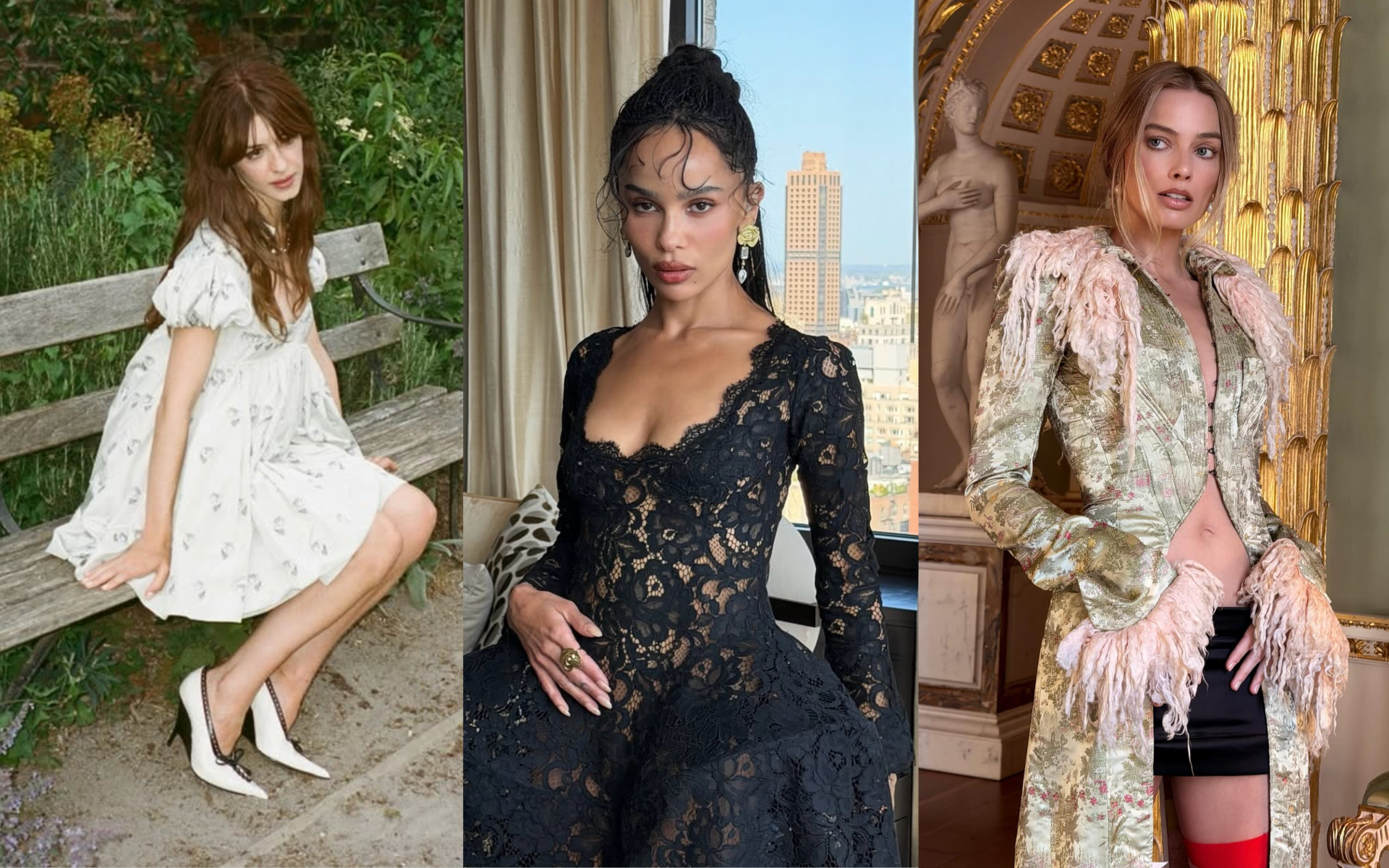
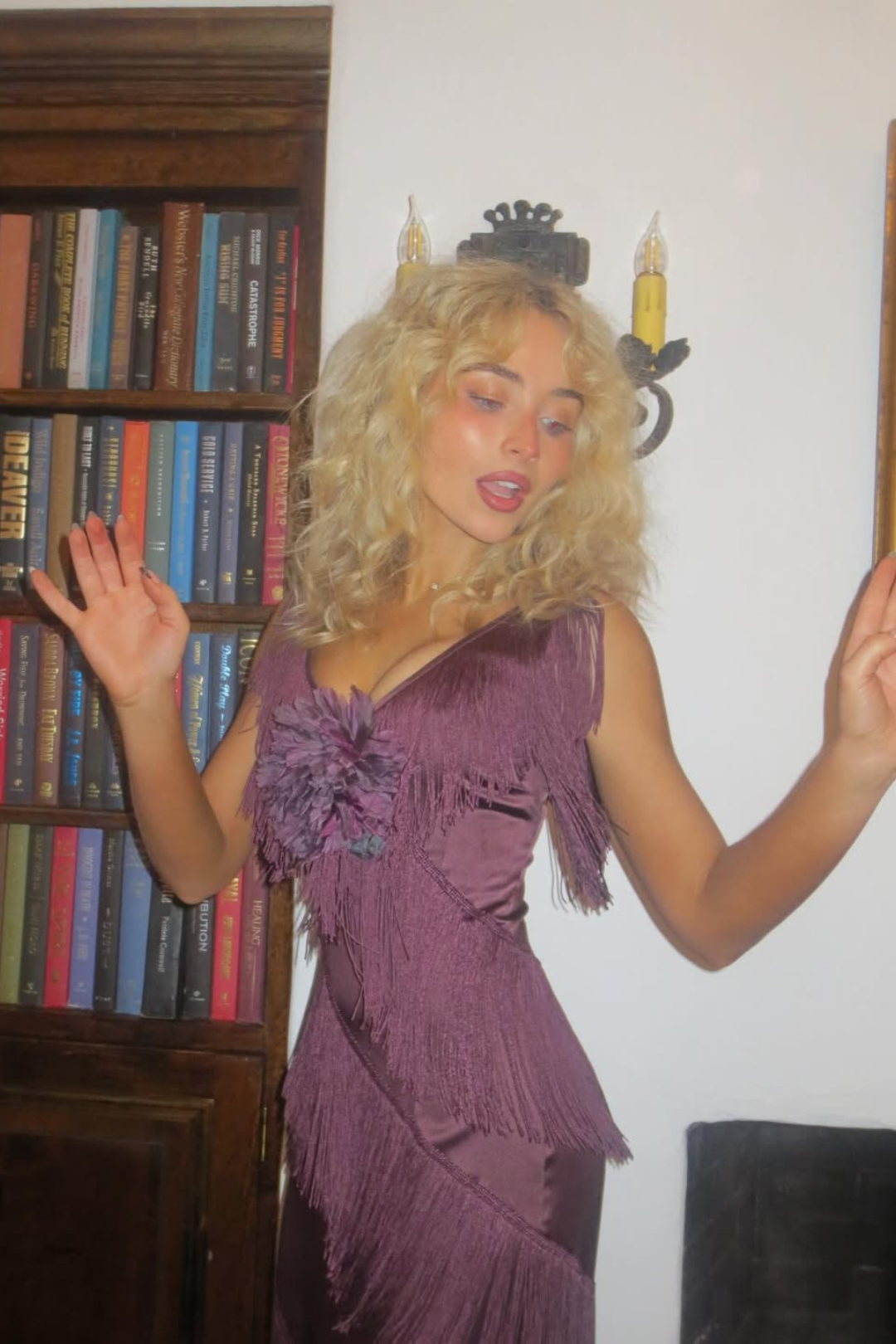
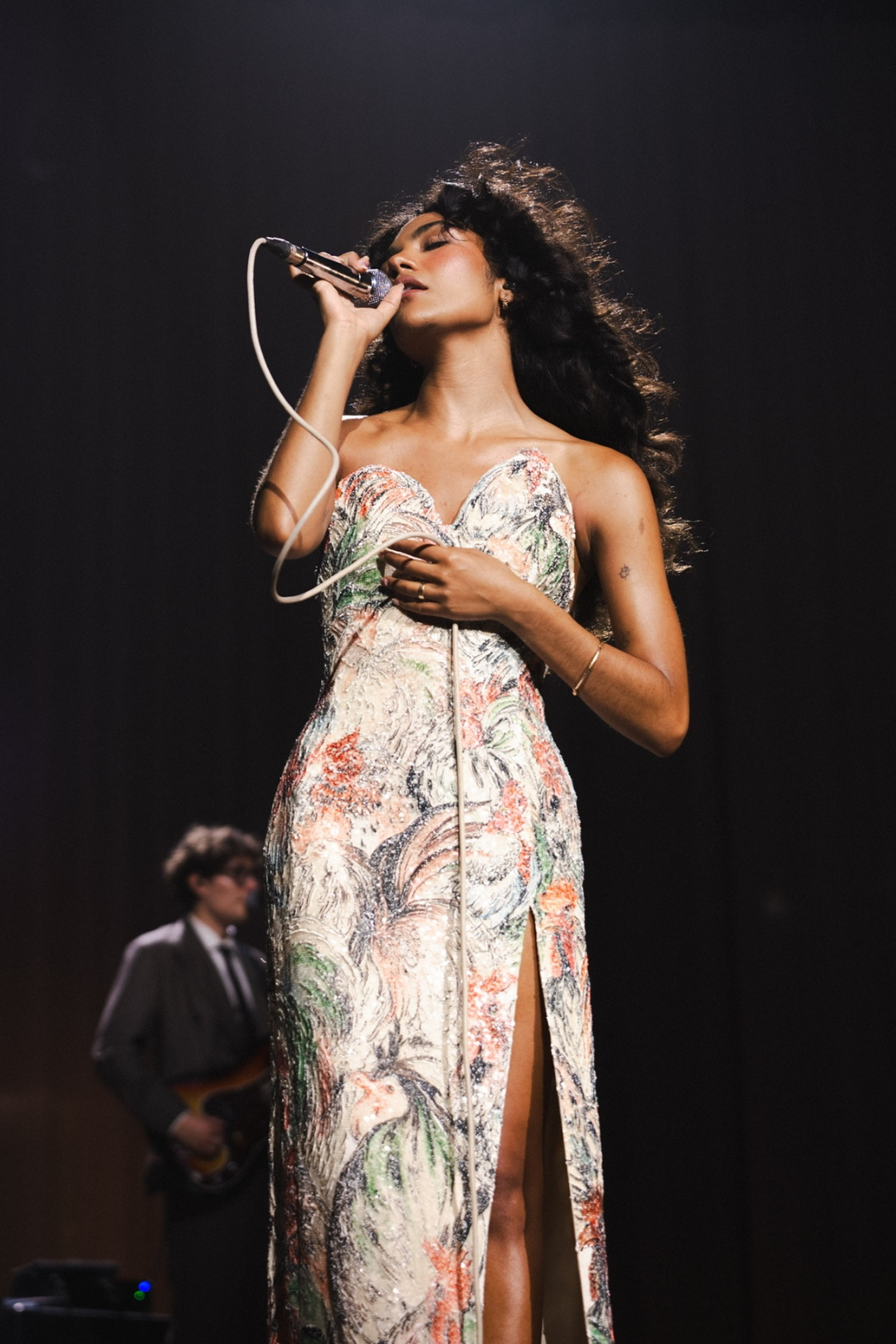
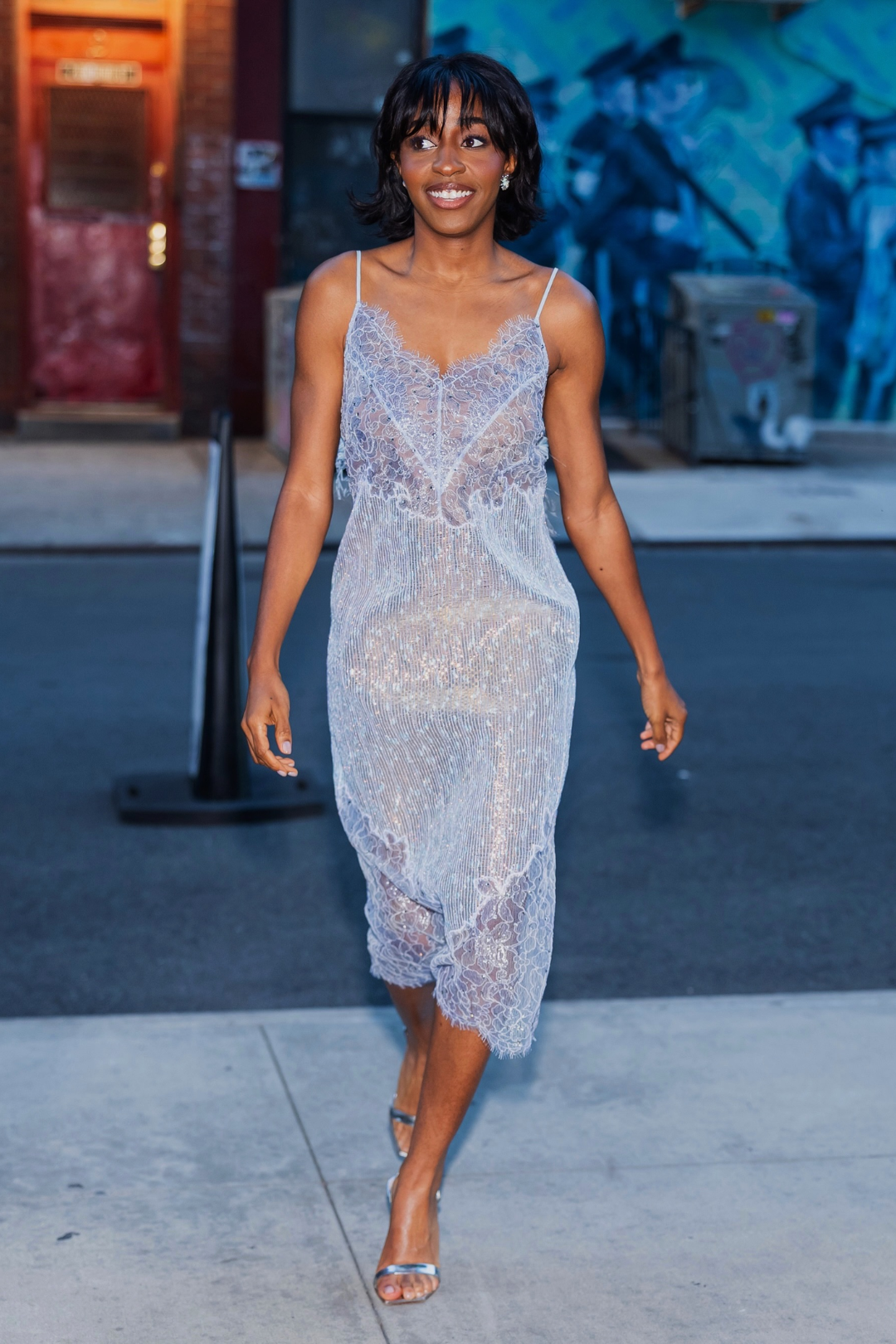
Fashion has always found its way to evoke a particular emotion within the wearer and observer, but not often is a method of styling named after the feeling it conjures. Nonetheless, romantic fashion—with its billowing silhouettes, warm tones, and medley of textures—is one of them, and it has found its way back onto the runways and in our closets. Call it a response to minimalism’s extended reign and the ‘quiet luxury’ phase, but fashion is clearly becoming emotional again.
This longing for escapism, though, is no stranger to the trends. In recent years, the Internet has been all about incorporating small habits to ‘romanticise’ one’s life. This trend, born during the pandemic and later popularised by TikTok, with #romanticiseyourlife yielding over half a million results on the platform, was our answer to surviving the repeated routines and isolation which emerged from pandemic’s lockdowns. It encouraged us to view the mundane through the dreamy lenses used in films.
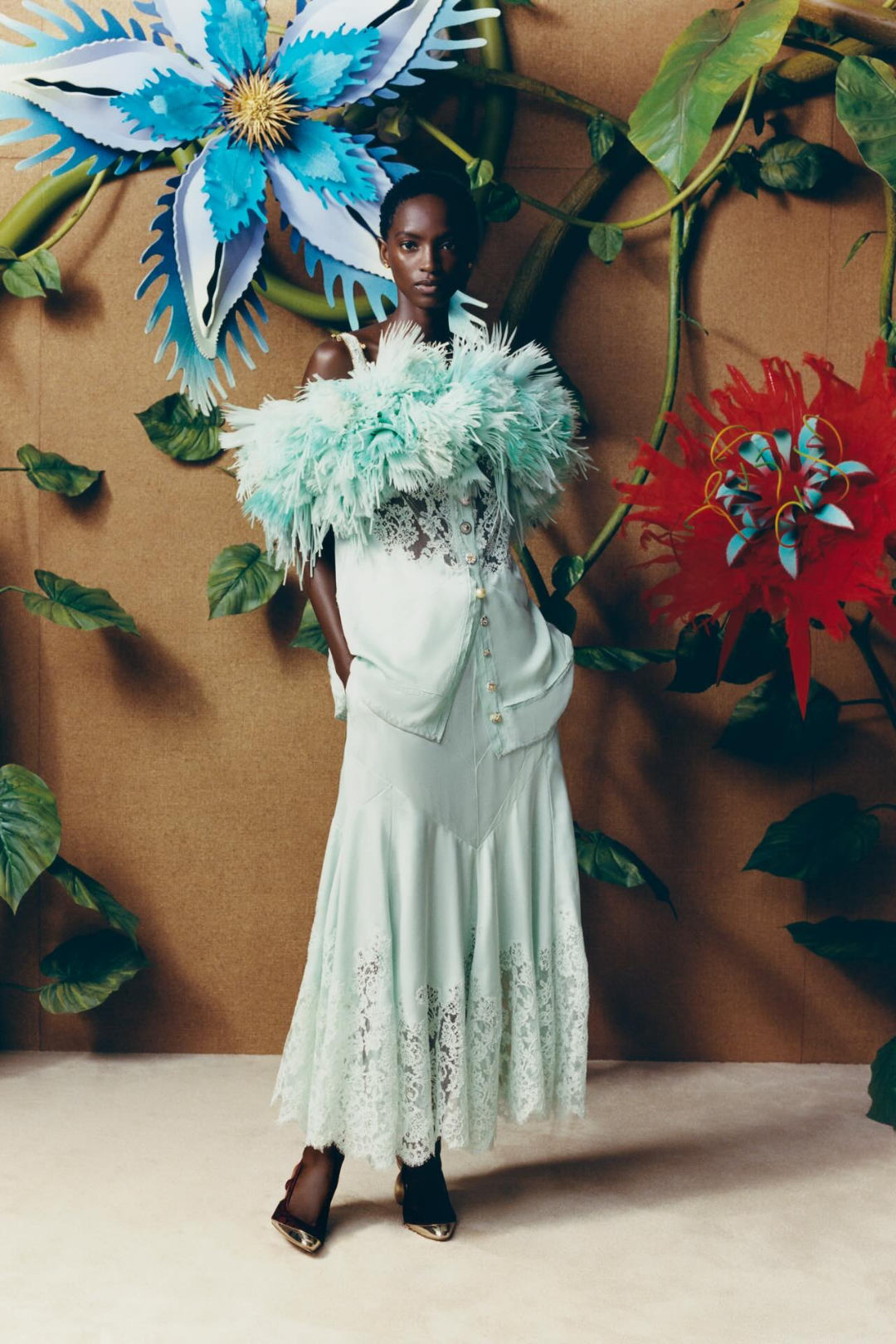
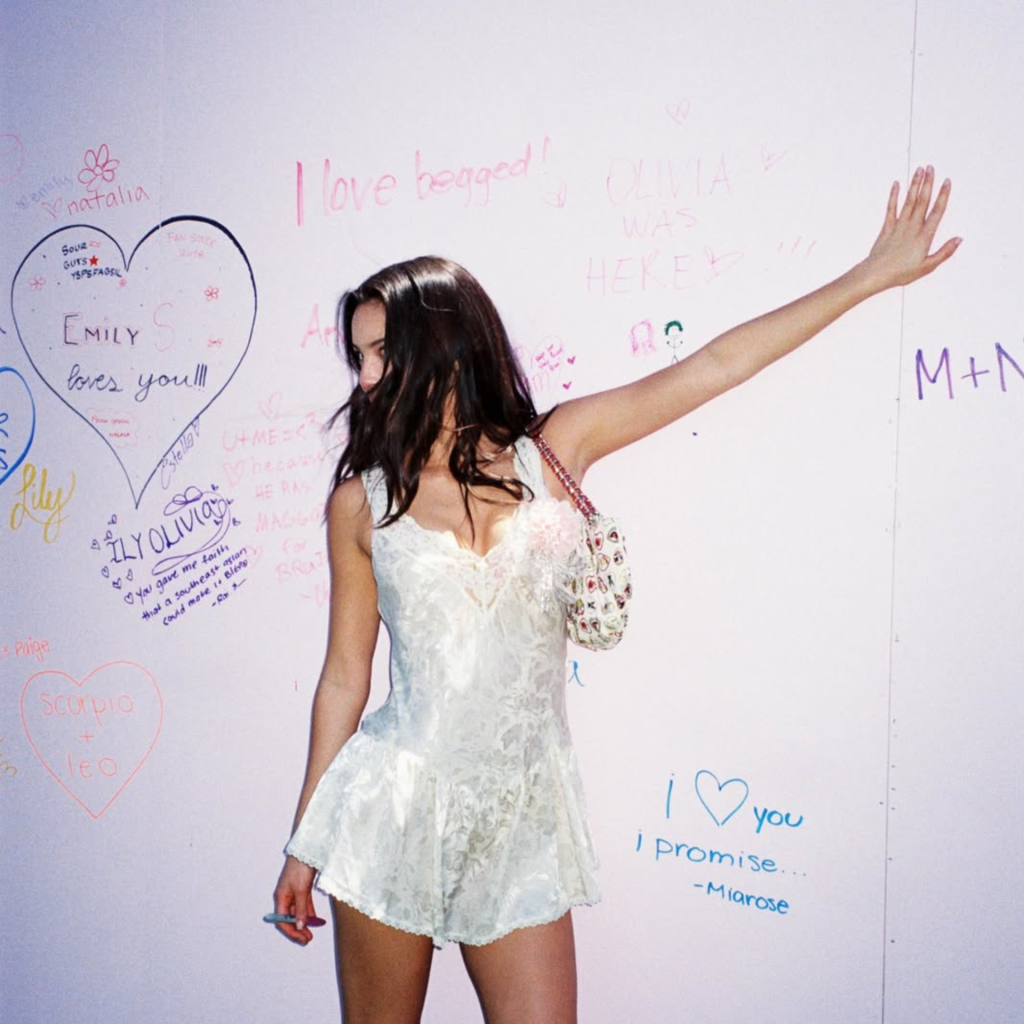
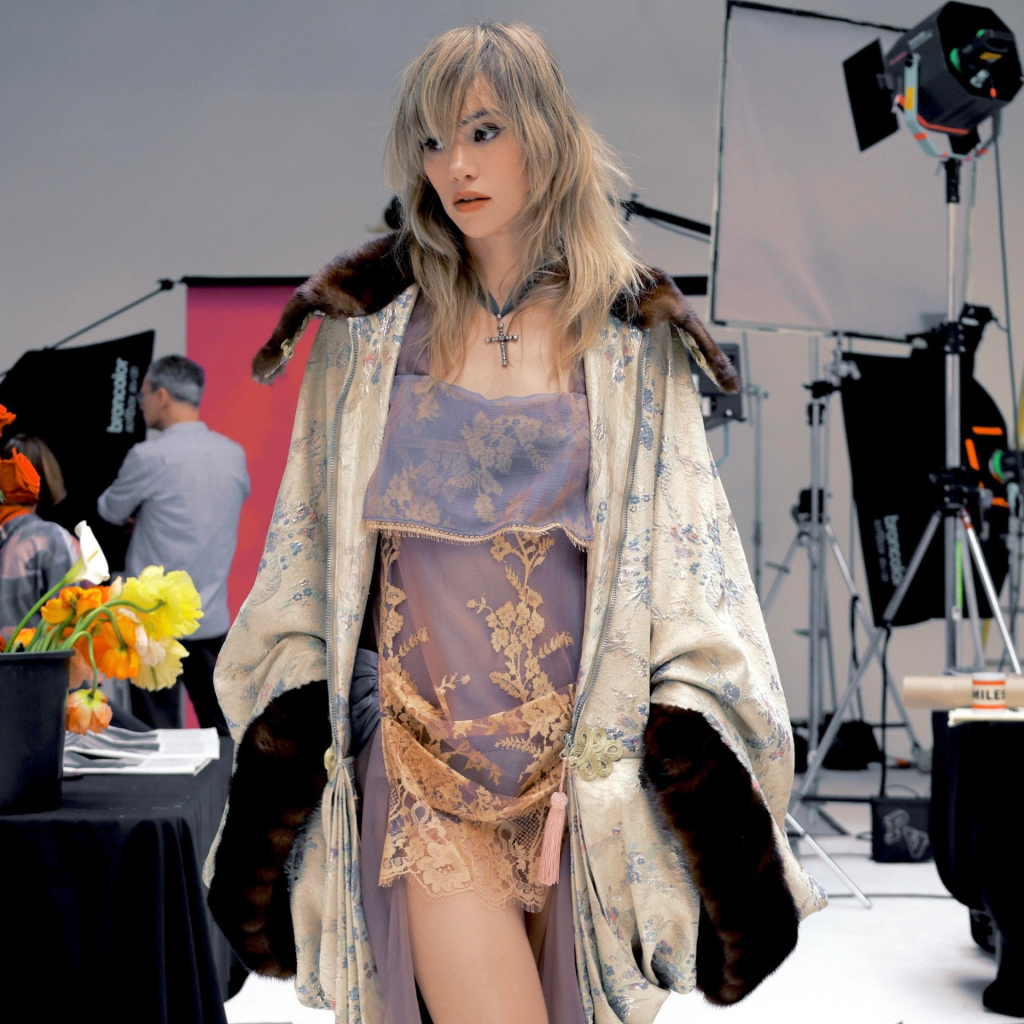
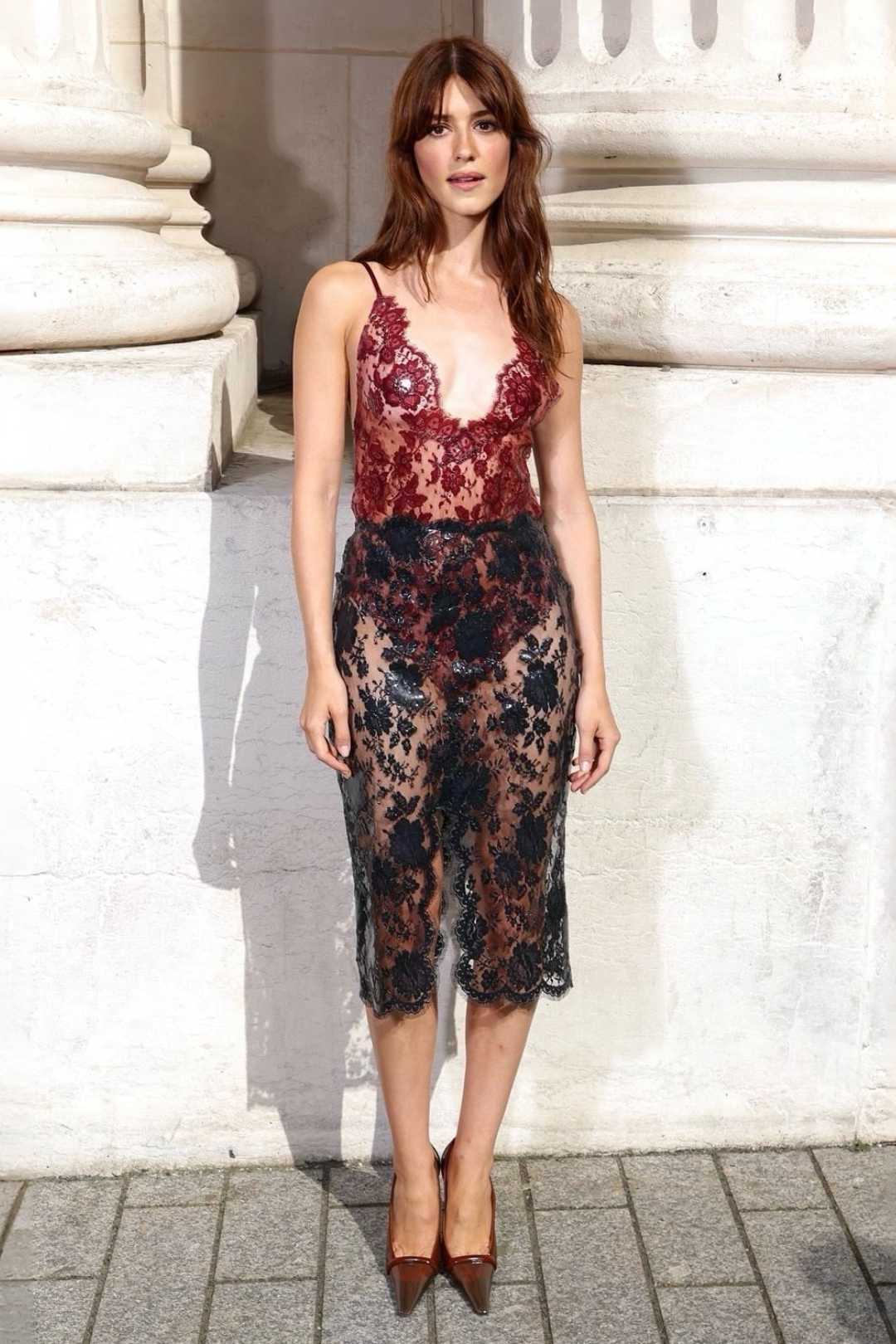
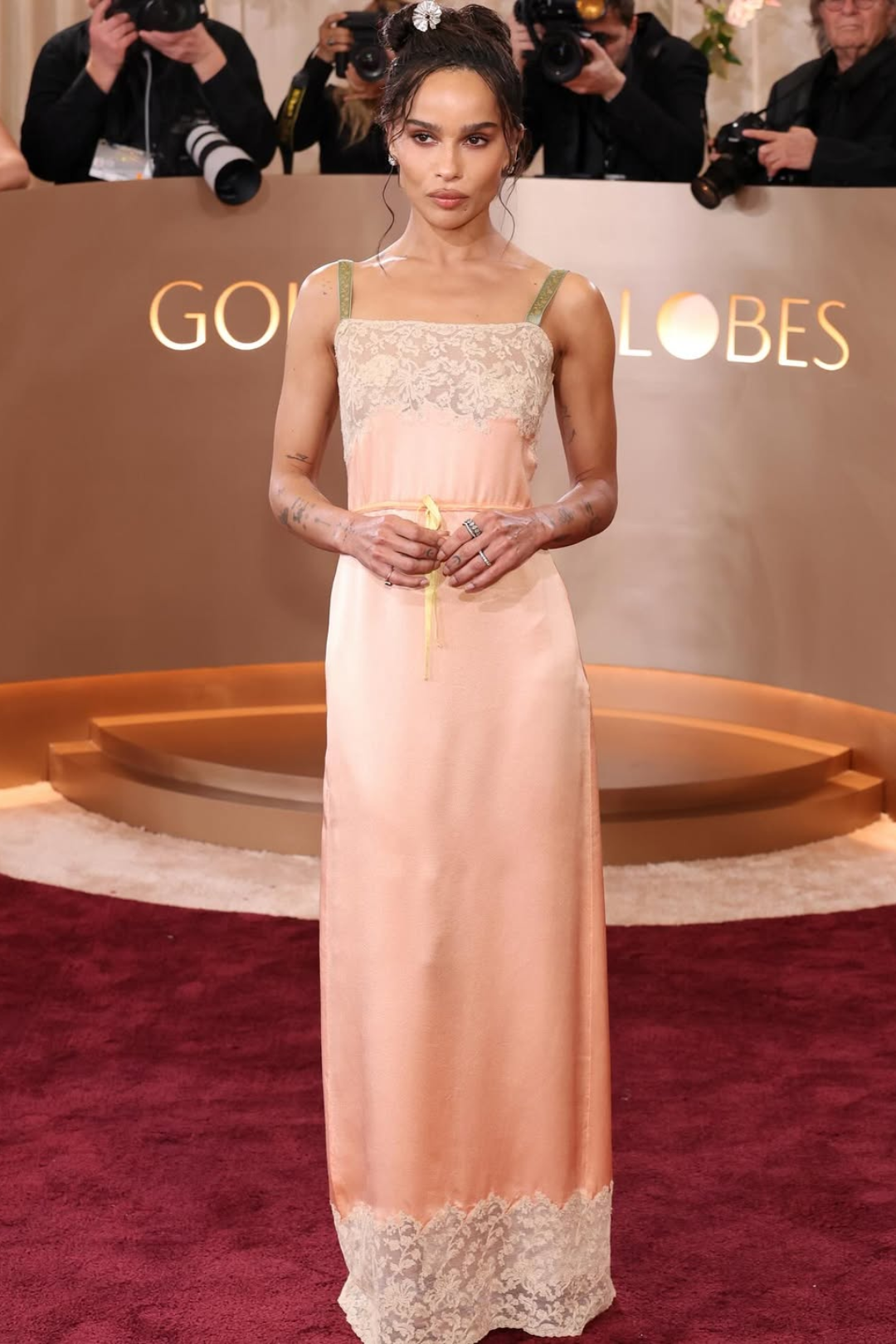
Today, fashion is dressing as though back in love—in the form of textured garments, fluid silhouettes, florals and whimsical motifs, and sheer fabric. But as we know, fashion is never an individual performance. Rather, it is a mirror reflecting diverse influences such as history, society, culture, technology, and psychology.
To understand the resurgence of romantic dressing, we’d have to look back to when the Romantic era first surfaced in Europe. It was during the late 18th century when the artistic and intellectual movement took place in response to the rise of the Industrial Revolution and the Age of Enlightenment. During a period where ideas backed by scientific and logical reason were pushed, artists and writers chose to resist with emotion, imagination, nostalgia, nature and beauty. As our world becomes increasingly tech-driven, people are yet again craving signs of the human touch, such as handcrafted goods and slightly-flawed creations.
This shift toward frivolity is best exemplified by the current cultural obsession with nostalgia. Another portrayal of the romantic fashion trend is also known as period drama dressing—think high ruffled collars, billowy white shirts, corsets, and waistcoats. Incidentally, movie adaptations from classic romance novels are set to be released: Netflix’s new adaptation of Jane Austen’s Pride and Prejudice, as well as Sense and Sensibility—featuring Daisy Edgar Jones and George Mackay, slated for release in September.
Turn toward the runway and one of the most prominent portrayals of romantic dressing that comes to mind would be Chemena Kamali’s highly-praised debut for Chloé. The 2024 Fall ready-to-wear collection, which saw lots of fringe, diaphanous fabric, lace, and boho ruffles was built on nostalgia, lightness, and movement—a refreshing show that marked the end of the sterile minimalism phase.
By the time fall 2026 couture season rolled around, the world witnessed brands like Chanel play into themes of whimsy and fun, drawing inspiration from the fairytale landscape, while florals were a staple for many like Schiaparelli and Jean Paul Gaultier.
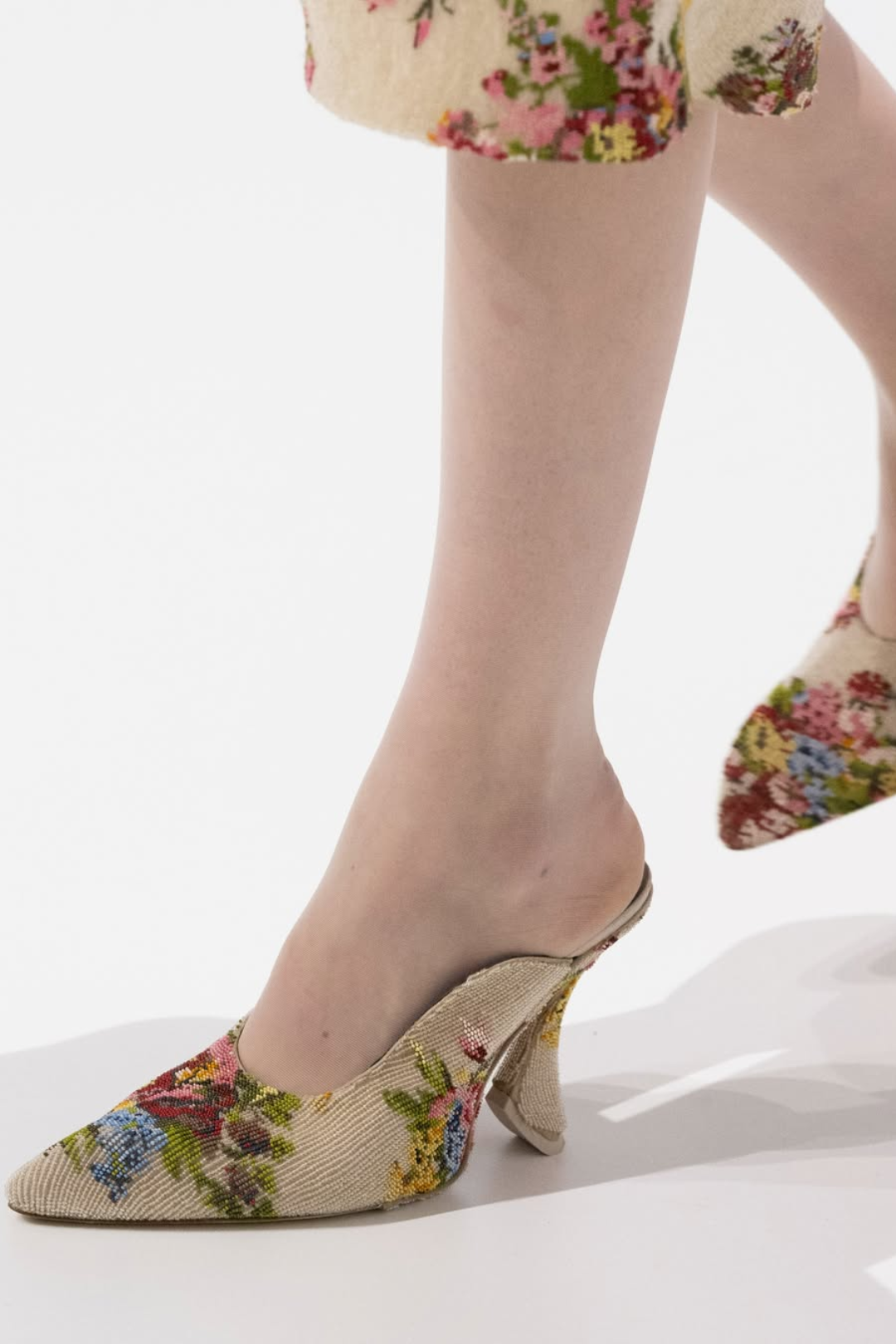
Beyond the runway and on the streets, the shift is happening quickly too. Younger buyers are interested in clothing with history to carry the lived-in effect. Vintage shopping creates access to wardrobes that feel personal and expressive rather than one curated by an algorithm. Even in music, we’ve seen releases like Bruno Mars’ The Romantic and Olivia Rodrigo’s you seem pretty sad for a girl so in love this year.
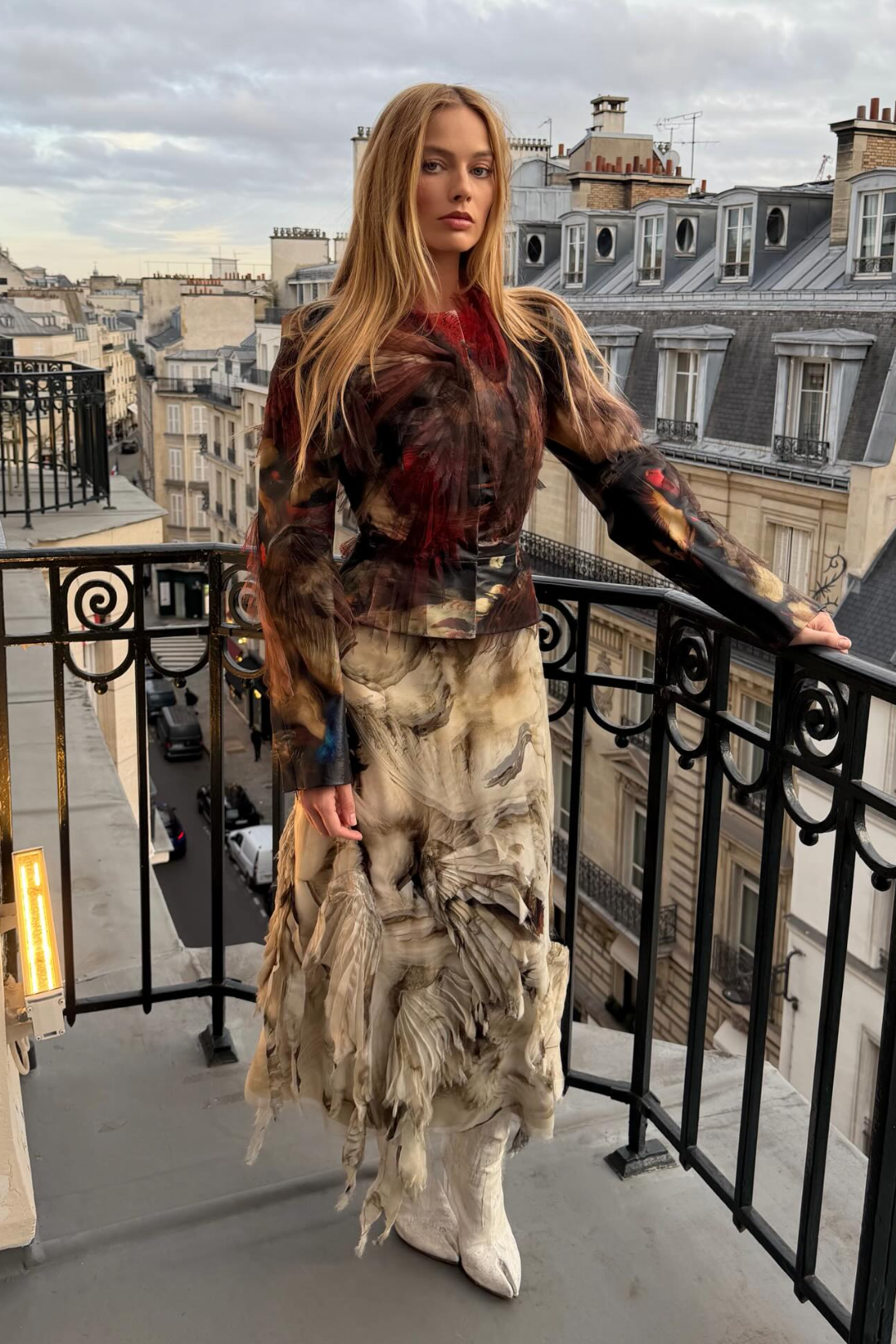
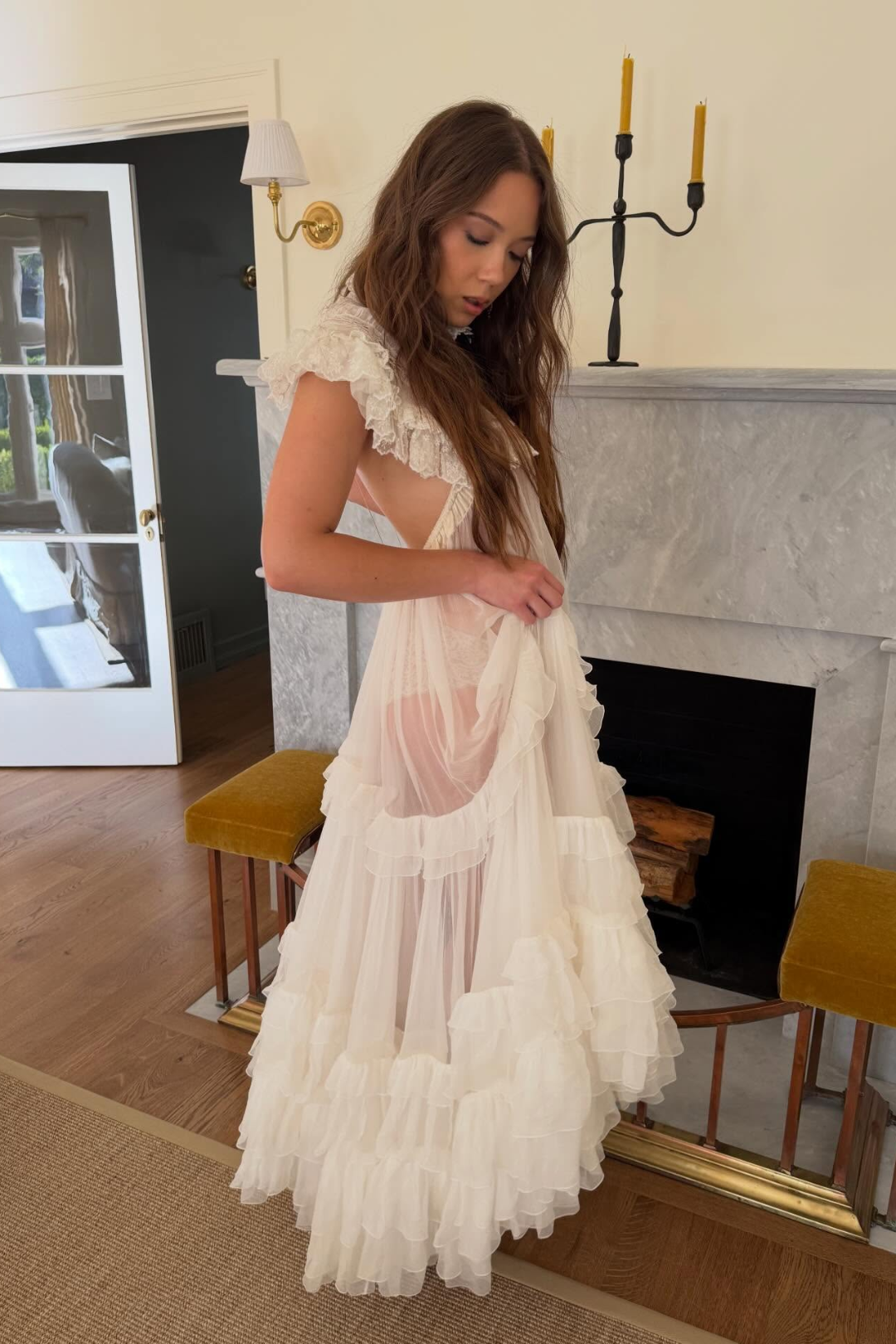
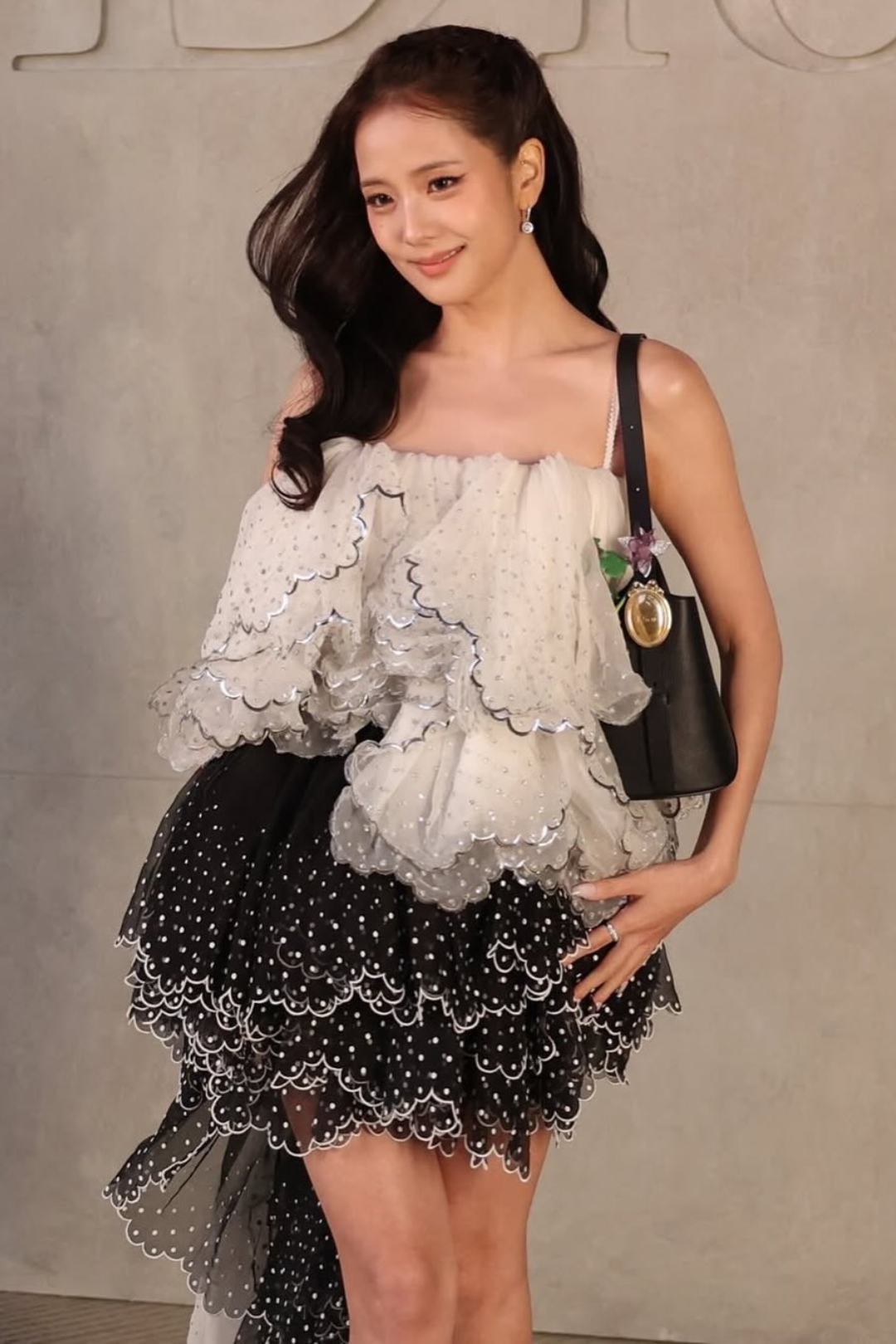
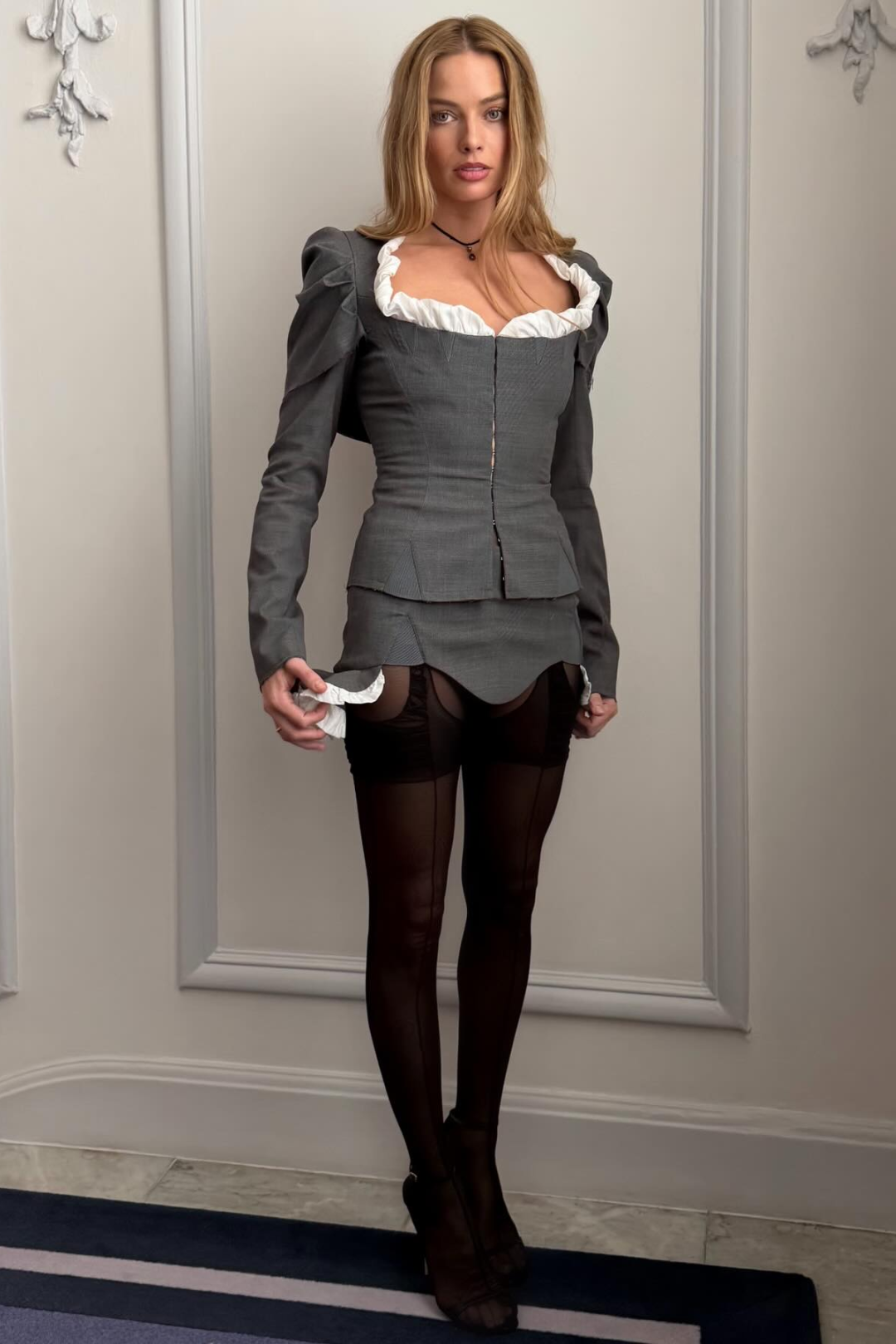
It’s no surprise that the fashion world is turning to romantic dressing in times of digital perfection. After all, fashion has always been an instrument of change and, at times, rebellion. To style the look, turn to experts like Zoë Kravitz, Daisy Edgar-Jones, Sabrina Carpenter, and Margot Robbie to be inspired.
READ MORE