
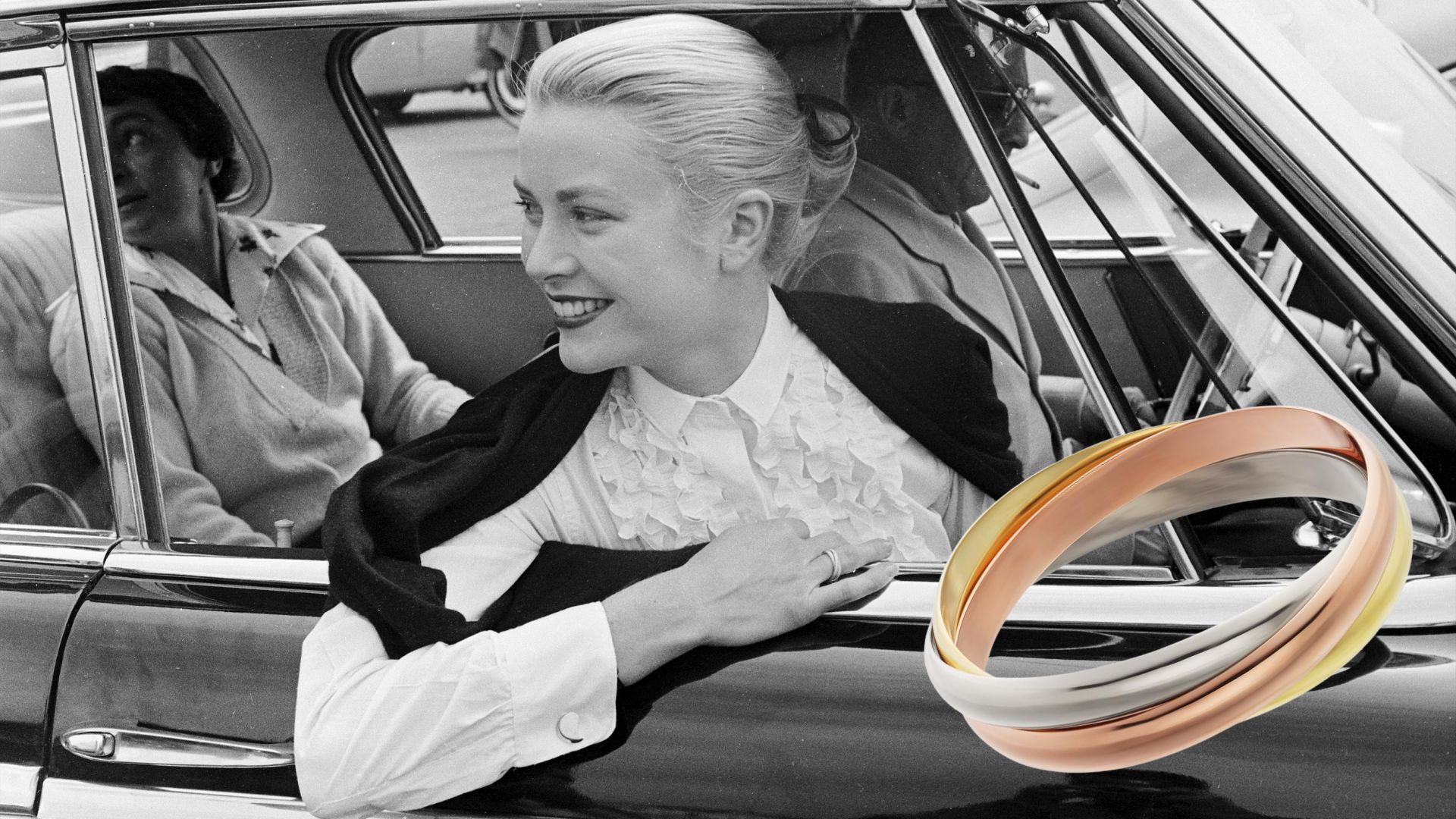
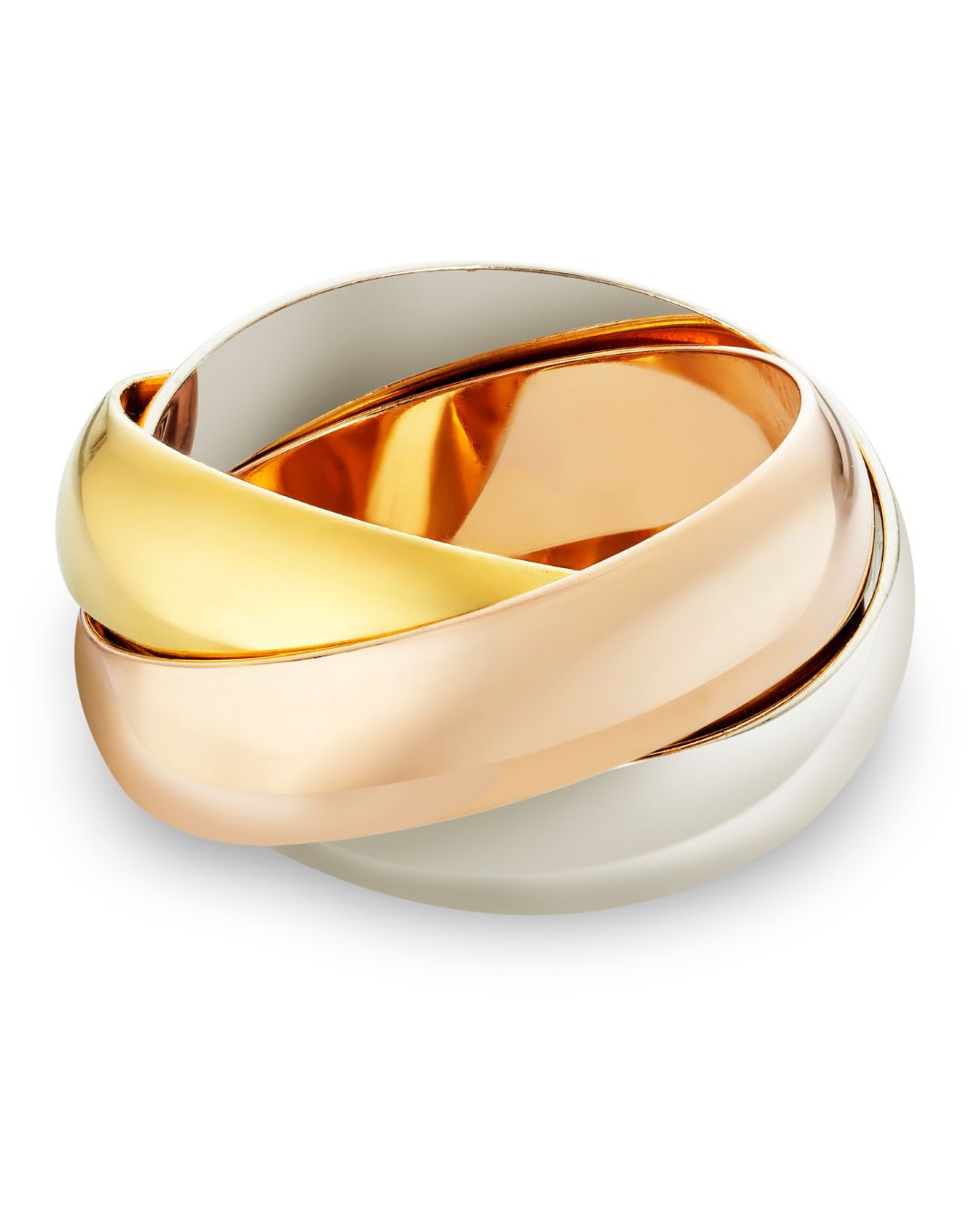
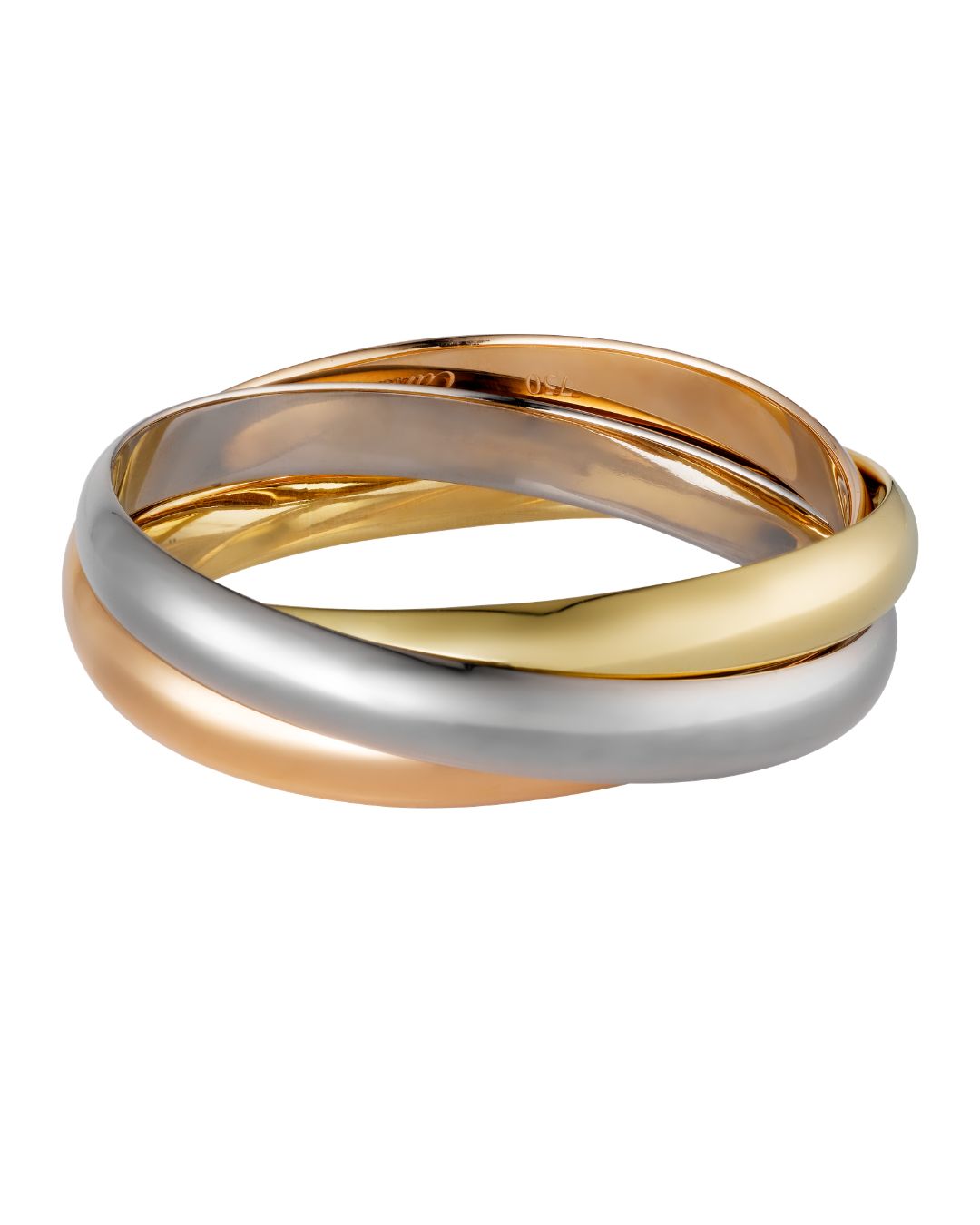
In the rule of threes, or visual hierarchy, one is singular, two creates contrast, and three creates balance. In 1924, Cartier captured that equilibrium in Trinity—a design where three interlocking bands move as one, forming an enduring icon that has lasted for over 100 years. It became a ring that seems to defy logic, where none of the three bands sits above the others, yet each is both above and below another.
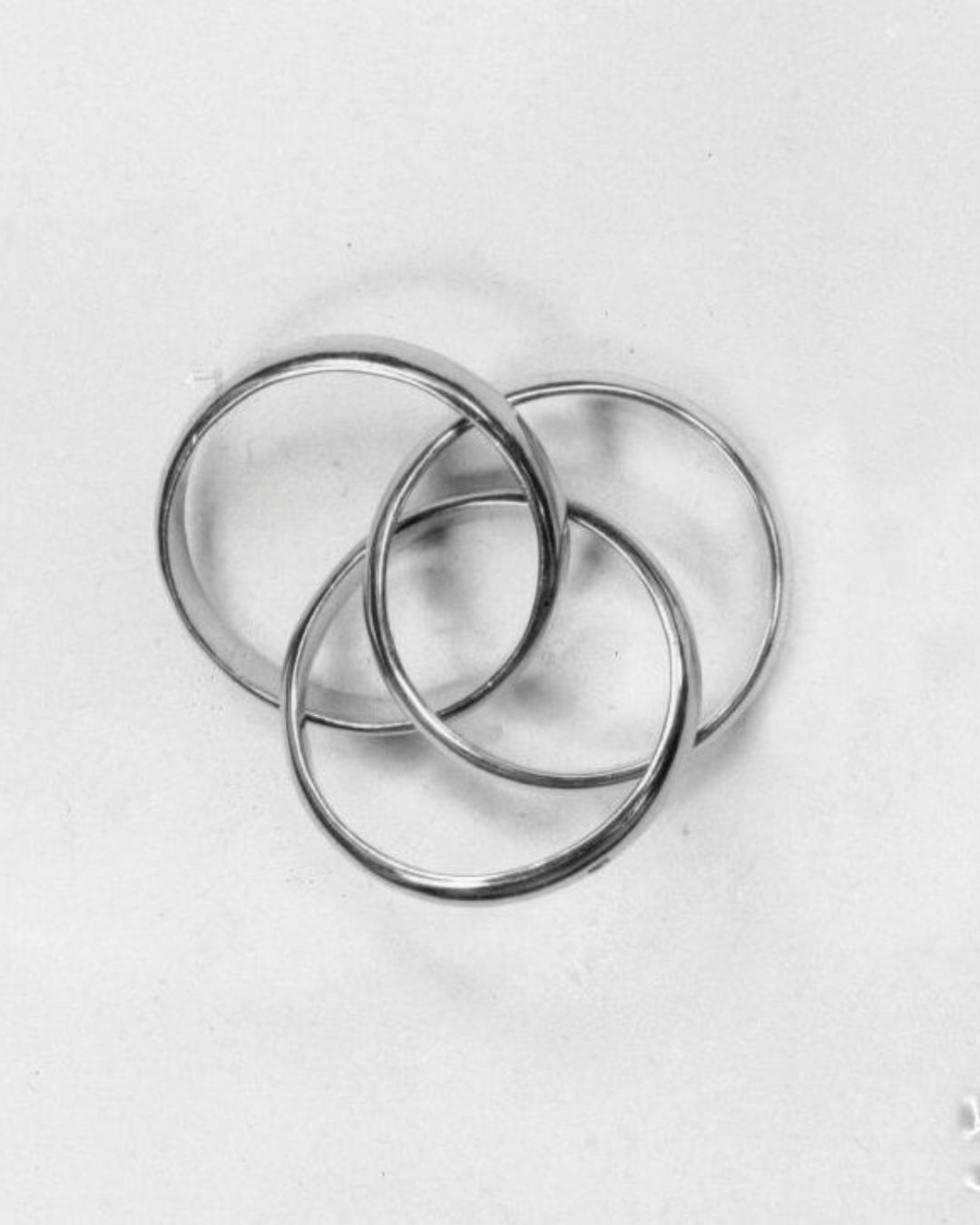

When Louis Cartier introduced the Trinity ring in 1924, it was an unassuming addition to the house’s offerings. That’s because, before the 1920s, high jewellery largely revolved around elaborated, gem-set pieces commissioned by society’s elite for grand occasions. Trinity shifted the focus, and its appeal lay in its mysterious and innovative form. It was jewellery designed to be worn daily, and in doing so, quietly opened the door to a wider audience looking at fine jewellery that felt personal and contemporary.
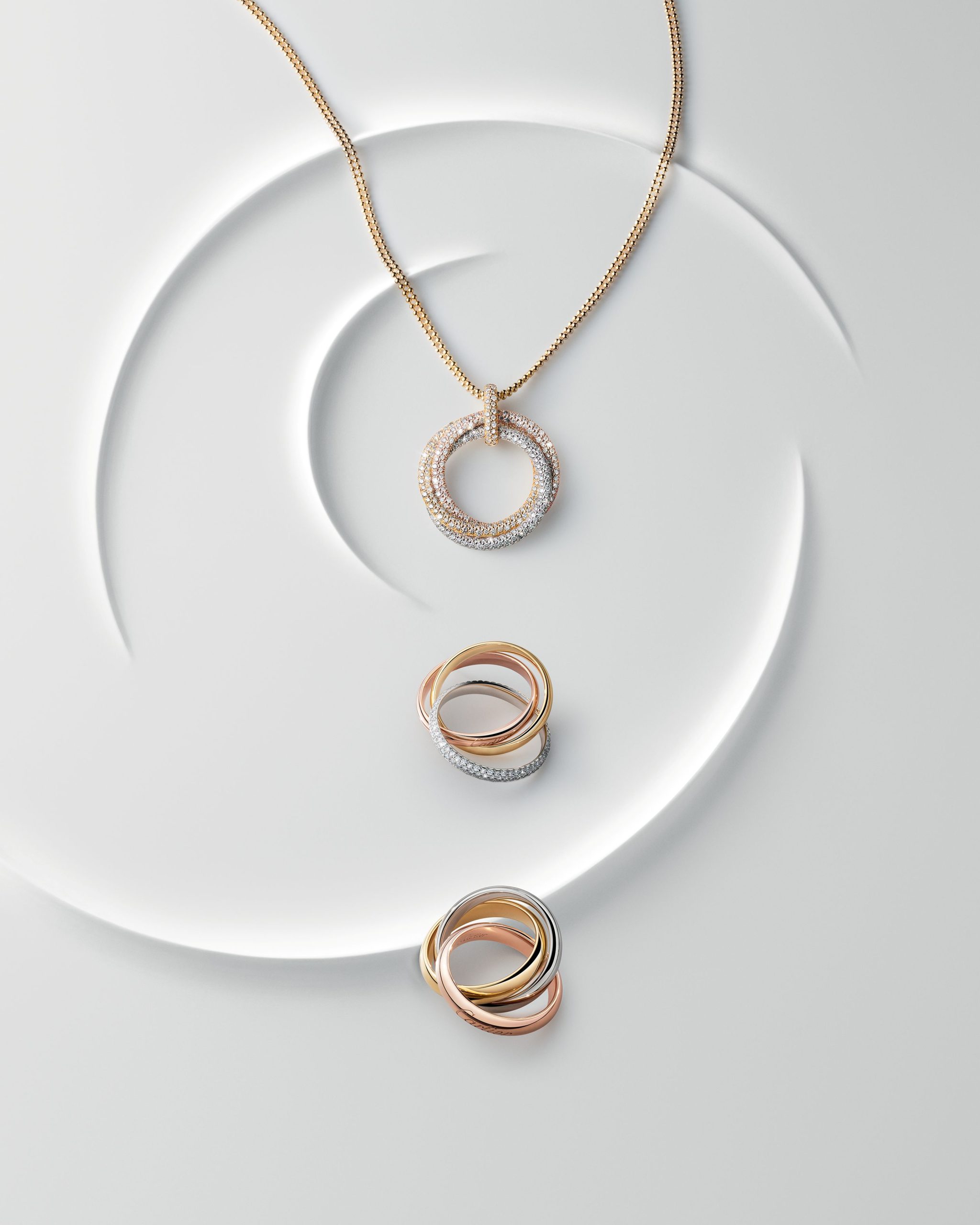
The ring’s movement is where the magic happens. Fidget with it and the three bands glide smoothly, each sitting above one and below another. Three separate elements acting as one giving Trinity its tactile pleasure. But, its deeper resonance lies in symbolism. The three bands represent love, fidelity and friendship. We’re used to hearing the term Holy Trinity—mostly used for religious meaning—but for Cartier’s Trinity, across generations, it has marked milestones: gifted to children stepping into adulthood, an exchange between partners to signify commitment, or offered after the birth of a child. It has served as a promise ring, a wedding band, and a personal talisman—a design that leaves room for individual stories.
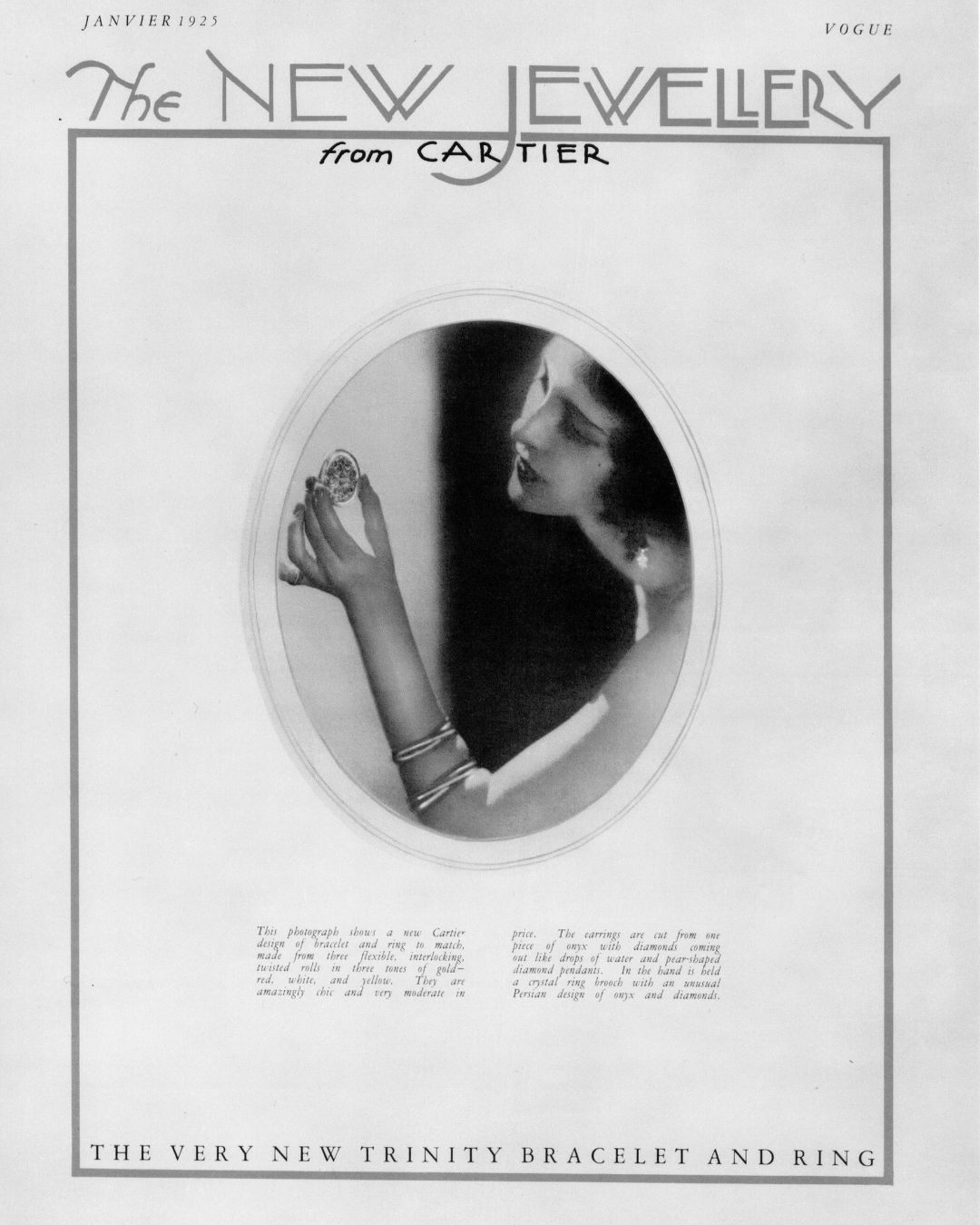
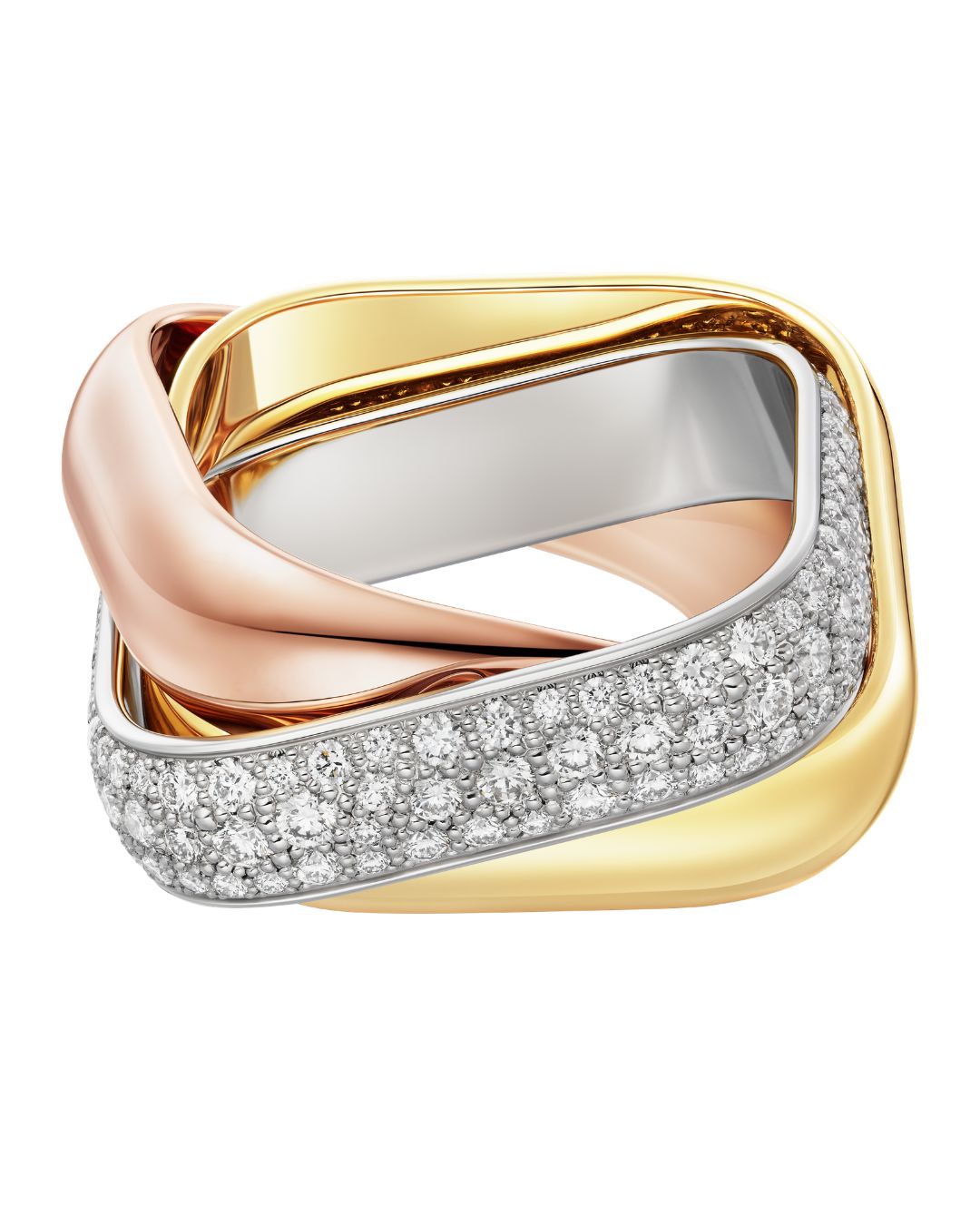
The origins of Trinity are often linked to the friendship between Louis Cartier and the artist Jean Cocteau. Cocteau sought a ring that carried emotional weight as well as aesthetic clarity. What emerged from their exchange was a design that’s both intellectual and intimate, and that balance between restraint and depth has kept Trinity relevant for 100 years. Its staying power is also tied to adaptability. Over the years, the collection grew and has expanded to include necklaces, bangles, earrings, and variations in scale. Rings have appeared slimmer or wider; surfaces have been fluted, faceted or gadrooned, and for the latest ones, feature the prints of the panther, tiger, and snake—three animals emblematic of Cartier’s world of fauna. Cartier continues to revisit the original codes with fresh proportions and cushion-shaped silhouettes, drawing on the house’s design language.
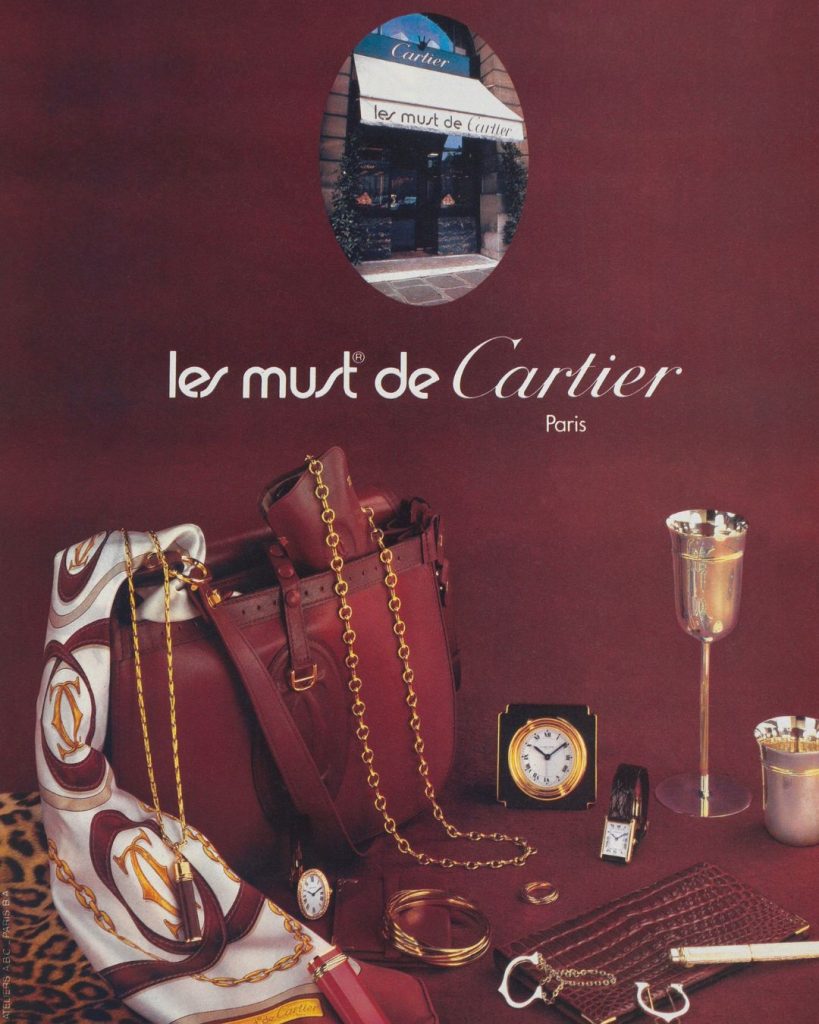
Trinity’s influence has stretched beyond jewellery, too. During the Must de Cartier era in the 1970s and 1980s, its three-ring motif appeared on everyday objects—lighters, pens, accessories—weaving the design into daily life. Few jewels manage that transition from adornment to cultural signifier. It also helps that Trinity has long attracted devoted admirers. Figures such as Grace Kelly, Diana, Princess of Wales, Kate Middleton, Alain Delon, and Jean Cocteau himself have all worn the design, reinforcing its status across cinema, royalty and art. Though its appeal has never depended solely on famous names, as part of its admiration lies in the universality of its design: no strict gender codes and no single way to wear it.
Trinity demonstrates how proportion, movement and meaning can coexist within a single, wearable form. More than a century on, it continues to sit comfortably—as a fluid piece of jewellery that’s balanced and magical.
READ MORE
Why Olivia Dean Loves the New, More Fluid and Playful Clash de Cartier Collection
Craft to Creation: Cartier’s Cafayate High Jewellery Necklace
Love, Rewound: Cartier Is Ushering A New Era Of Its Iconic Love Collection