
If modern luxury is defined by what money can acquire, the LOEWE Foundation Craft Prize proposes something more radical: that true value belongs to what only human hands can make.
The Foundation has just unveiled 30 finalists drawn from over 5,100 submissions across 133 countries and regions. Think of it as fashion week, but for ceramics, fibre, glass, wood and all sorts of materials— a season of the most beautiful and well-thought-out for the handmade, staged with curatorial precision and serious aesthetics.
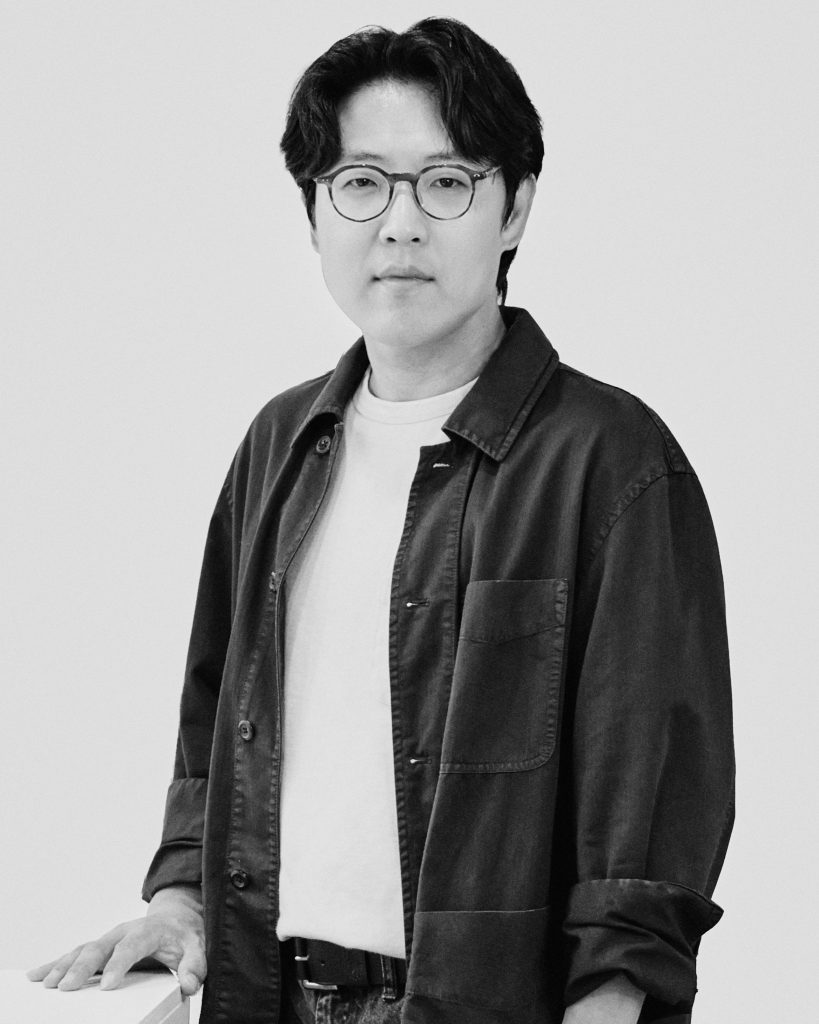
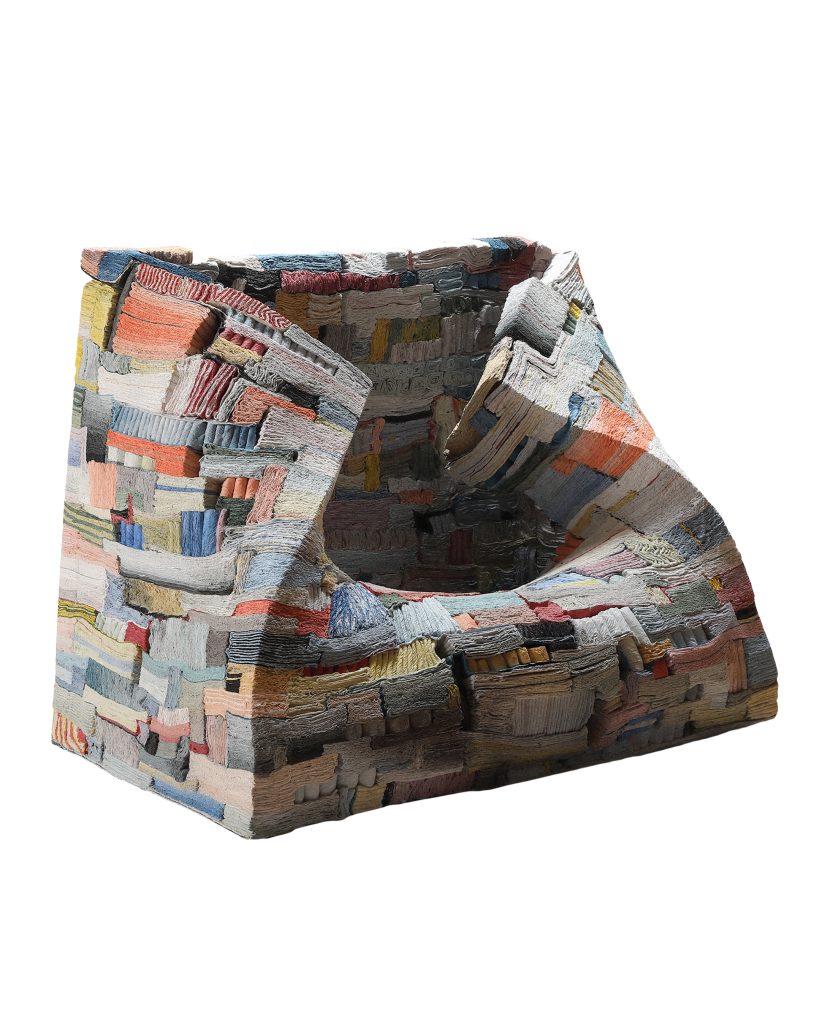
The winner this year goes to Jongjin Park from Korea. His piece “‘Strata of Illusion’ (2025) — porcelain, paper, stain, glaze — is a seating form built by coating paper sheets in pigmented porcelain slip, then folding, stacking, and compressing them by hand. Natural creases and shifts are preserved on the surface before the piece is fired at 1,280°C, burning away the paper and leaving a single ceramic body. The irregular, hollowed form that emerges is then refined with electric tools. The result: a work that sits at the tension between control and collapse.
This year’s special mentions go to two very different makers, and both are worth knowing.
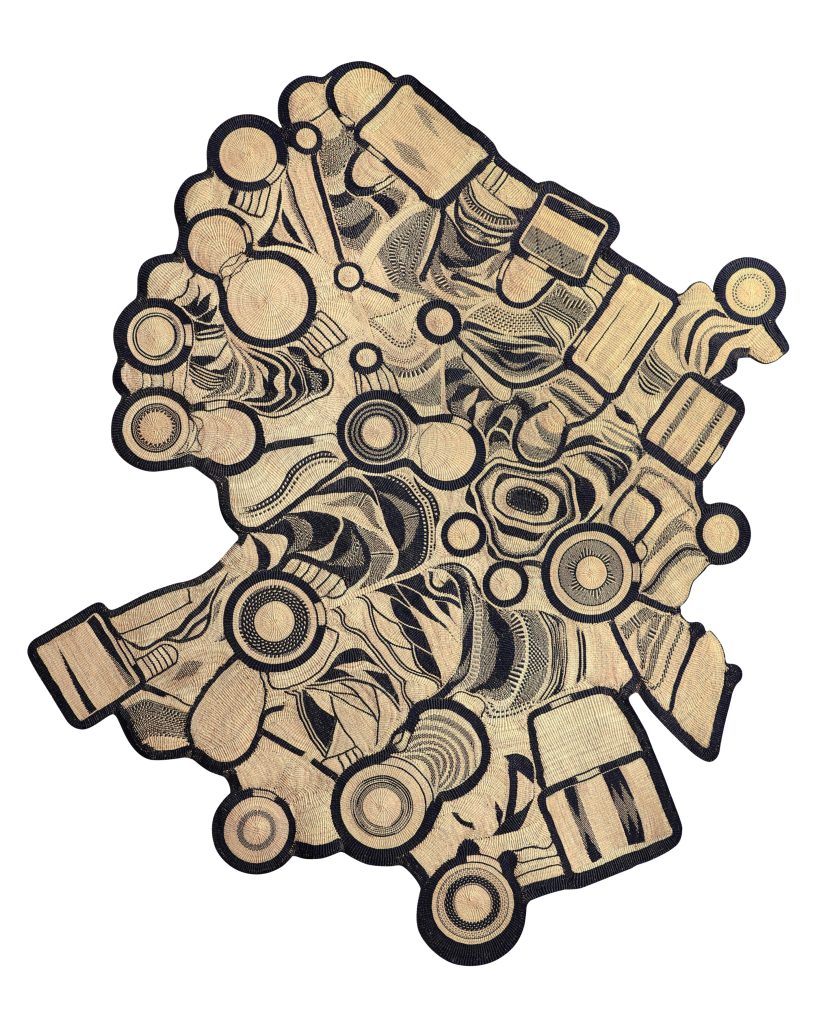
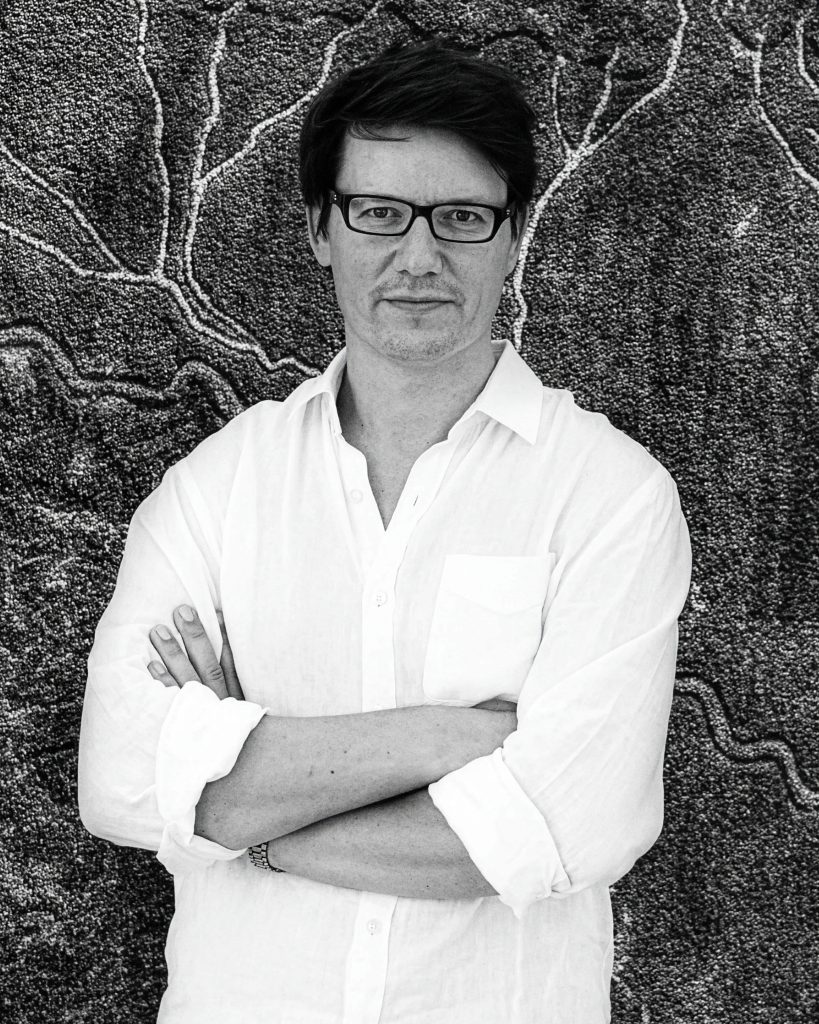
Baba Tree Master Weavers × Álvaro Catalán de Ocón from Spain ‘Fra Fra Tapestry #2’ (2024). Part architectural record, part living document, this large-scale tapestry bridges two worlds: drone photography and AutoCAD plans drawn in Madrid, realised by Mary Anaba and the Baba Tree Master Weavers in Ghana using ancestral basketry techniques. Dark lines map the walls of circular adobe homes in the Gurunsi region; white spaces become courtyards, freely filled with patterns that reflect generations of domestic tradition. A work about preservation as much as craft.
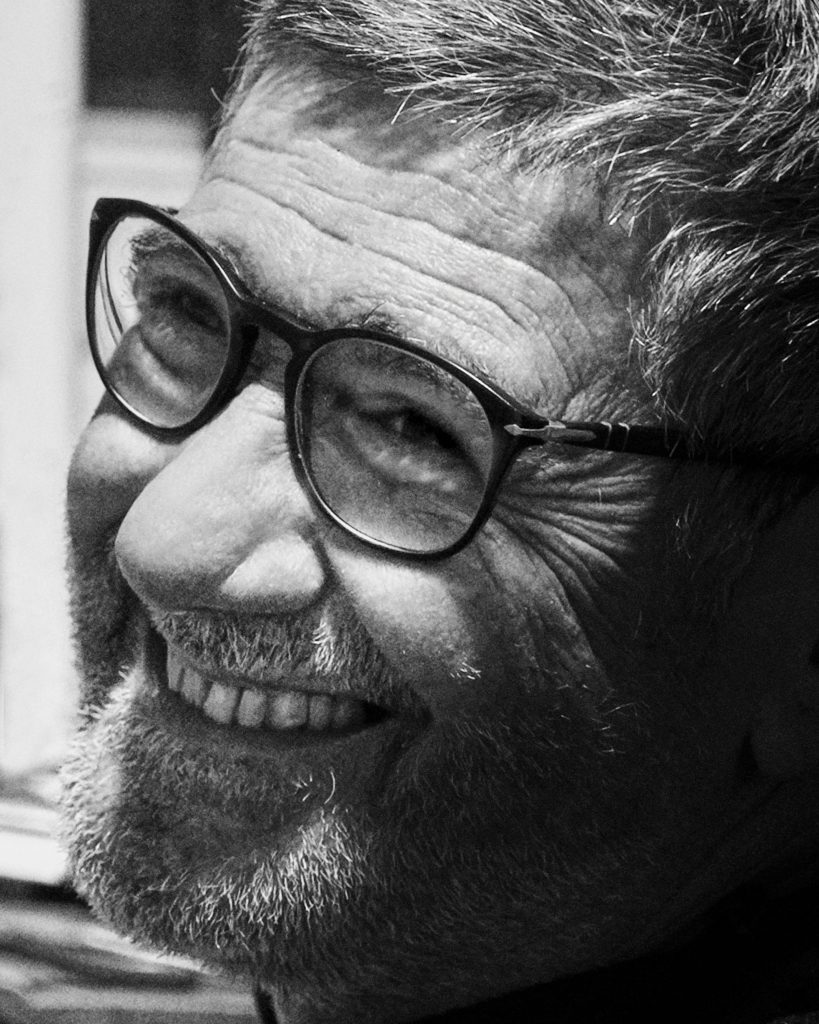
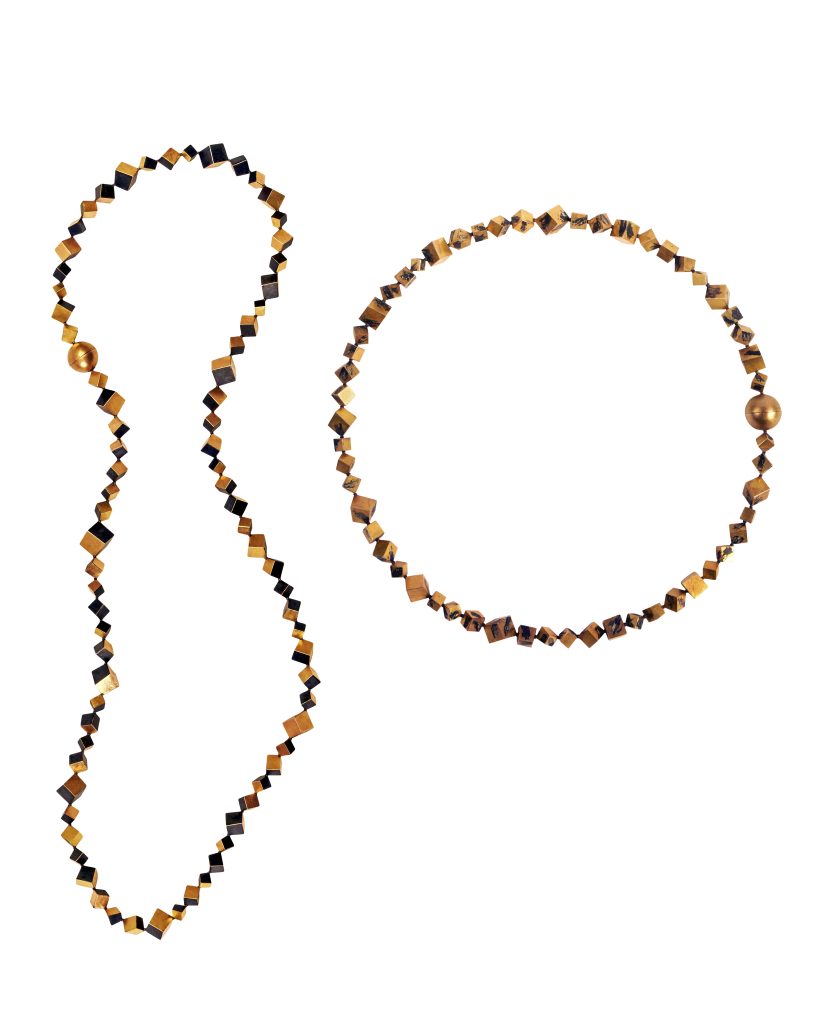
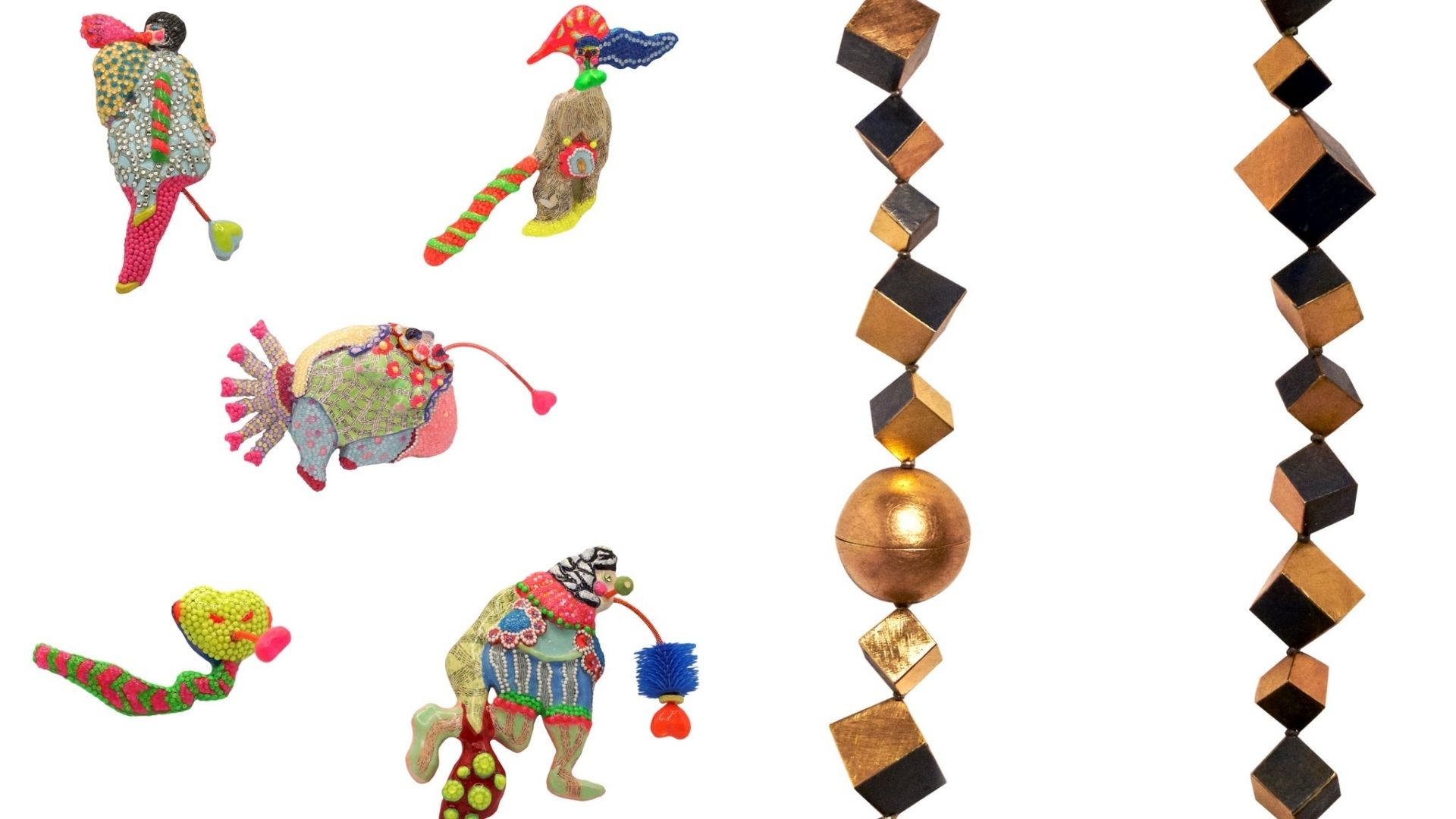
‘Collier’ (2025) by Graziano Visintin from Italy are two necklaces built from gold cubes of varying size and decorated not with engraved niello but with loose, painterly brushstrokes that leave the metal encrusted and marked. As light shifts across the surface, soft gold and deep black niello play off each other in a quiet, compelling contrast. Geometric resistance motifs run through both pieces, treating gold as simultaneously structure and canvas.
The 30 works of craft land at the National Gallery Singapore this month, and from 13 May to 14 June 2026, and it is open to the public to admire. What unites this year’s finalists is a shared obsession with materiality, as the kind of sensibility fashion houses bring to their fabric. Fibres are layered and folded in the same way as silk on the body; wood is carved not to hide its grain but to celebrate it; and glass is stretched to a fragility that reads as sculptural. Nature enters not as a decorative motif but as a working method, with erosion, growth, and transformation embedded into every process.
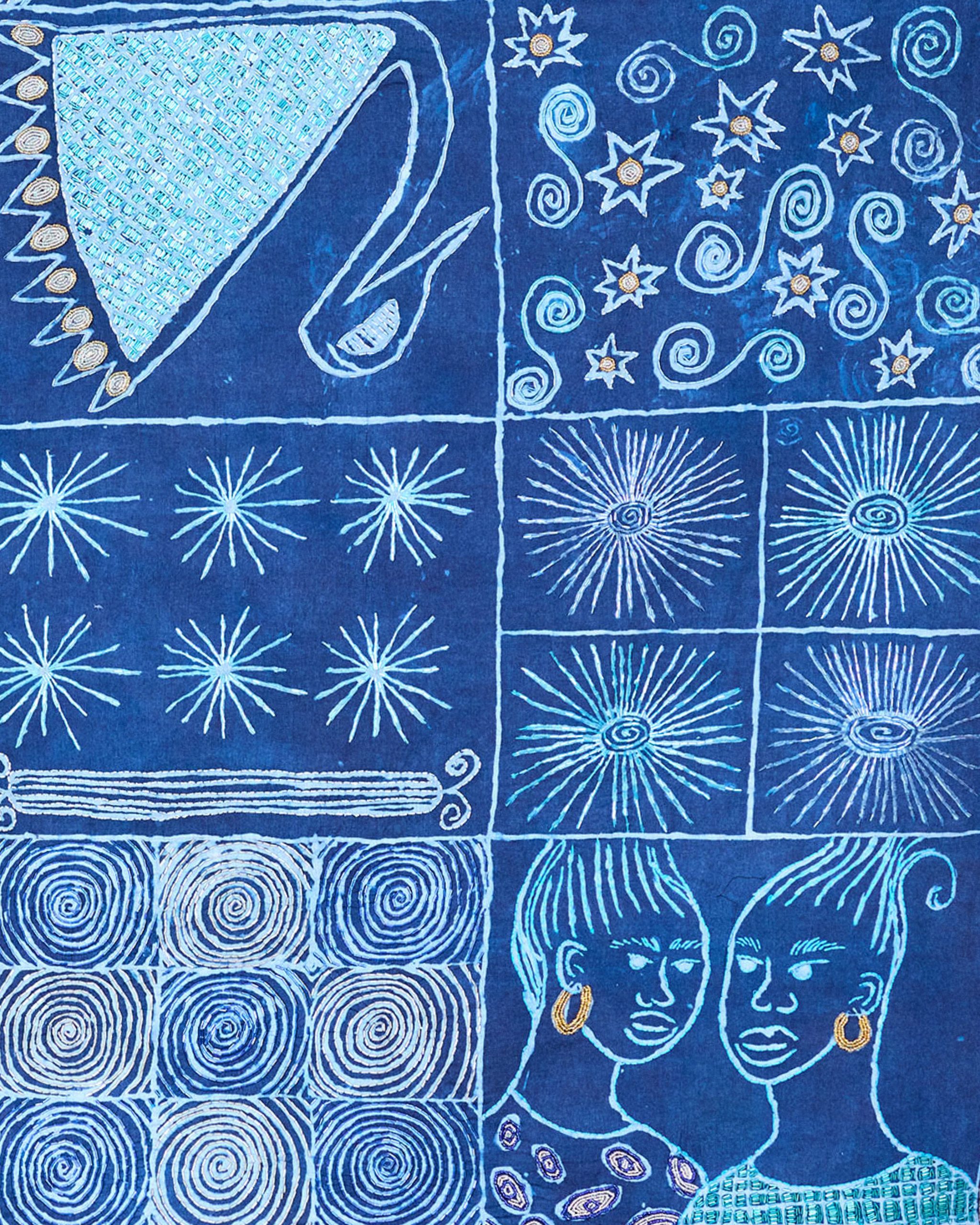
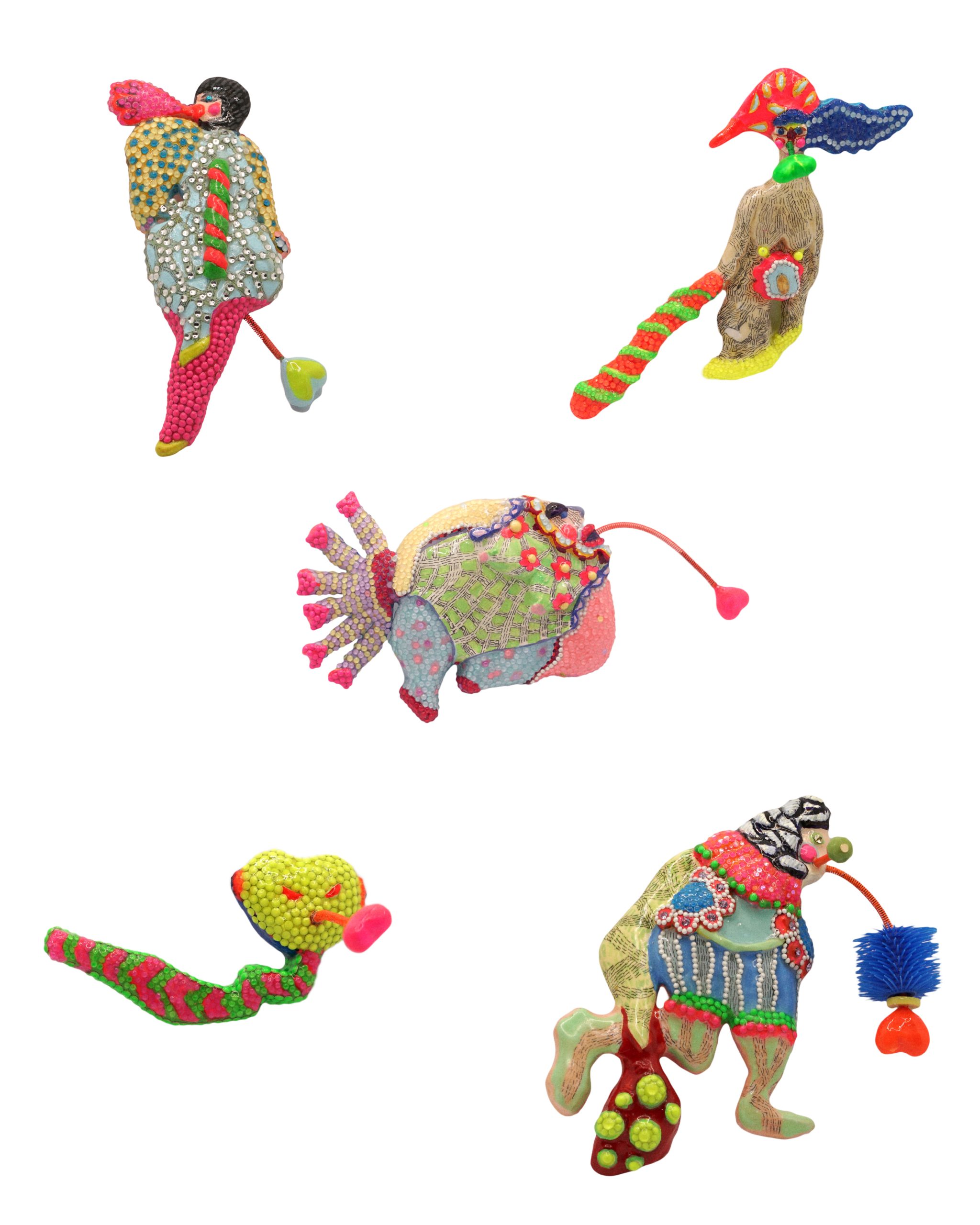
Traditional craft languages, whether it is basketry, natural dyeing, or textile weaving, appear throughout the shortlist, but they are not simply preserved. Scales are exaggerated, proportions shifted, and collaborations introduce new ideas to age-old practices. The result here is works that feel organic yet deliberate, shaped as much by time as by technique and hands.
This year’s jury also signals something significant. Creative Directors Jack McCollough and Lazaro Hernandez join the panel for the first time, bringing a more fashion-forward eye to a discipline that has always had more in common with haute couture than the art world might admit. There is more: a new residency programme, developed in partnership with Belmond at La Residencia, offers Prize alumni a space to retreat, reflect and produce within a broader world of living.
Since its inception in 2016, with past exhibitions at the Design Museum and Palais de Tokyo, the Prize has traced a global trajectory. Sheila Loewe, whose stewardship has always felt personal, notes that the Prize continues to spotlight artists who reframe tradition through innovation and imagination. That ethos is precisely what Loewe has built an entire luxury identity around.
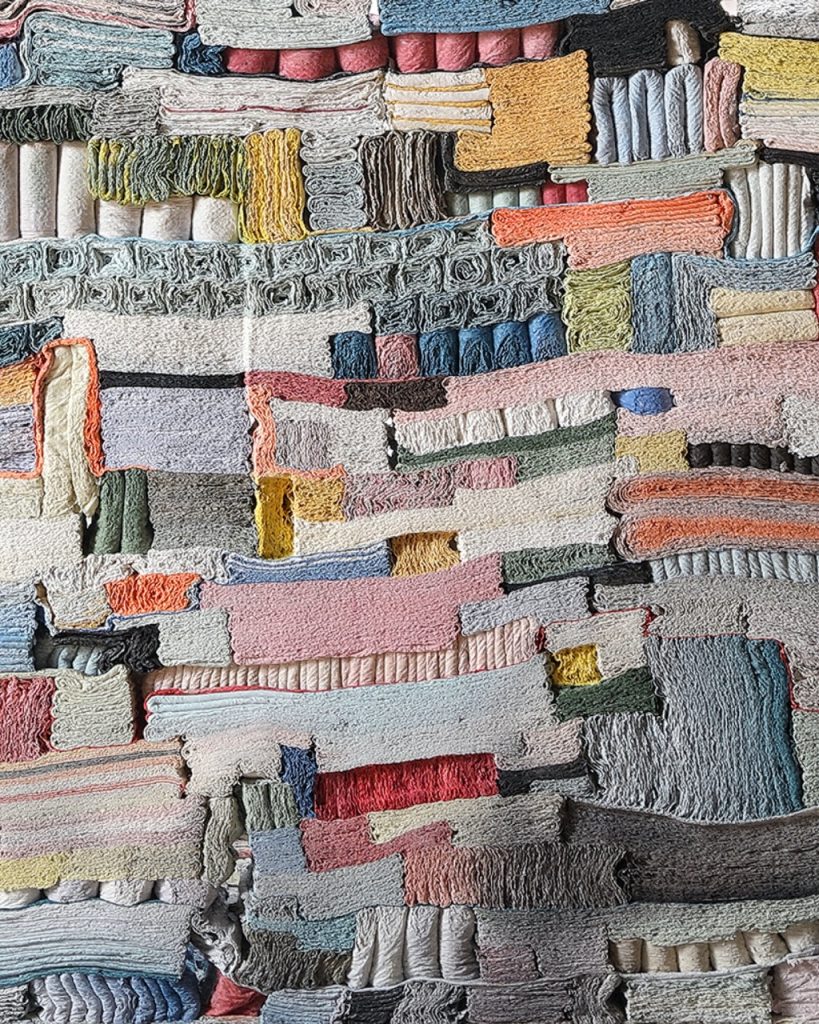
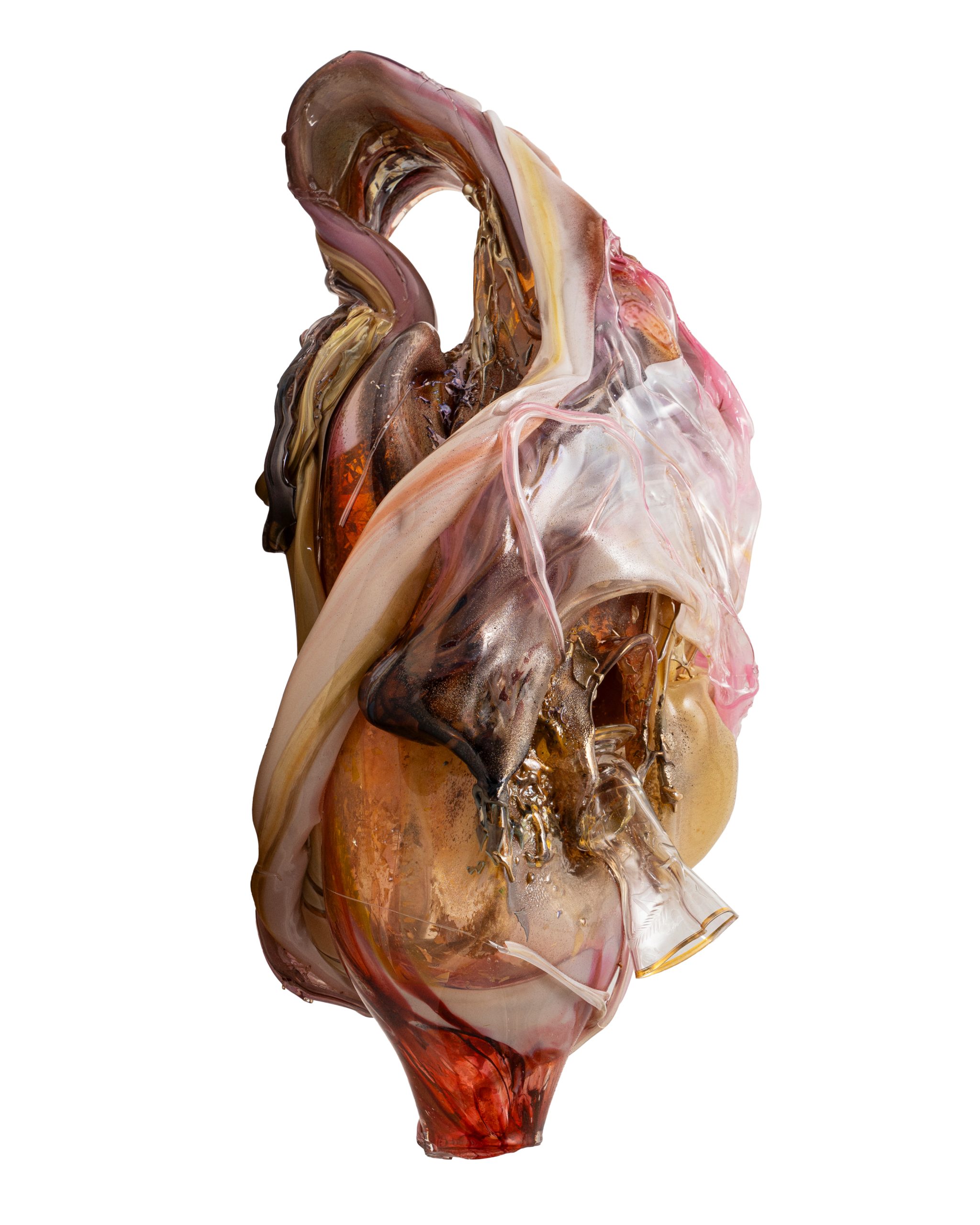
The LOEWE Foundation Craft Prize arrives at a moment when the fashion world is increasingly looking inward. If fashion is often about the new, craft reminds us of something else: the appeal of what is made well, and made to last by hands that are patient, practised, and sometimes imperfect.
READ MORE