
A healthy mind doesn’t equate to happiness but, instead, boredom. The opposite of a neurodivergent brain is a quiet one, and if you can be bored without feeling like anything is out to get you, you’re actually one of the lucky ones. How many of us in today’s world can safely say we do not suffer from stress or anxiety? Our minds are the product of our world today and its technologies. As we chase trends and beauty standards from Botox to fillers and salmon sperm, we lose track of what’s most important: our minds. Mental wellness is as important—if not more—than physical beauty. After all, who will appreciate our beauty when we’re all crazy?
What is EXOMIND?
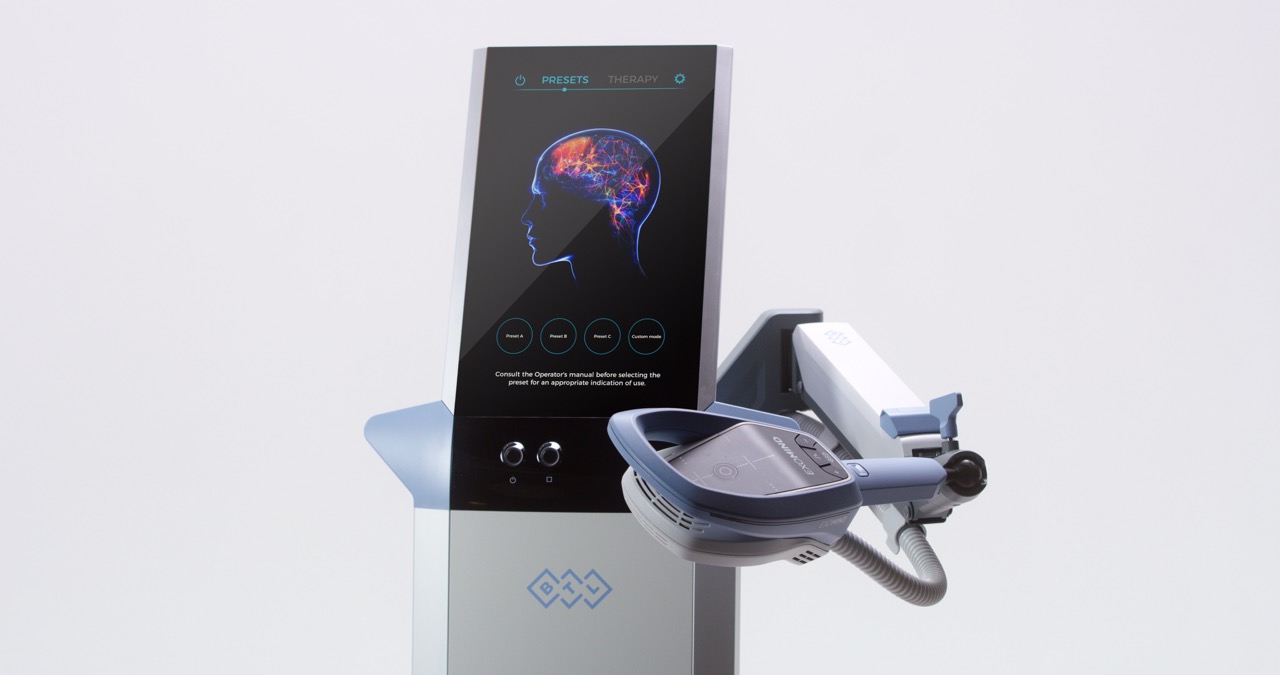
With that being said, mental wellness is now occupying the same space as aesthetics—quite literally. BTL, a medical technology expert company (the same people who brought you the EMSCULPT and EMFACE devices), has brought EXOMIND to Malaysia, and only select aesthetic clinics in the country have the device. The premise of EXOMIND was appealing: it was a non-invasive brain stimulation treatment designed to improve mental wellness, which can help with depression, anxiety, menopause-related brain fog, and cravings associated with weight loss drugs. The statistics looked good as well—BTL has reported that 88% of patients reported improvements in mental well-being, 78% felt less stressed, 77% experienced better mood and energy, and 75% of patients improved self-control over food cravings. Patients seeking weight loss lost on average 2.3 kg one month after their last session by reducing their food craving symptoms—all without physical body intervention. It sounded like a modern-day lobotomy, and when they offered the treatment to me, I thought, why not?
“The future is not just about beauty anymore but more of mental wellness—basically, cognitive humanisation,” explained Dr Dinesh Kanasen, founder of Dr. D Signature Clinic in Bangsar South, where I went for the treatment. “Basically, [EXOMIND] resets our brains. We want better mental gravity, better focus, and better emotional balance—we’re proud to say that we are one of the first few aesthetic clinics to bridge the gap between aesthetics, wellness, longevity, and now cognitive optimisation.”
The Treatment
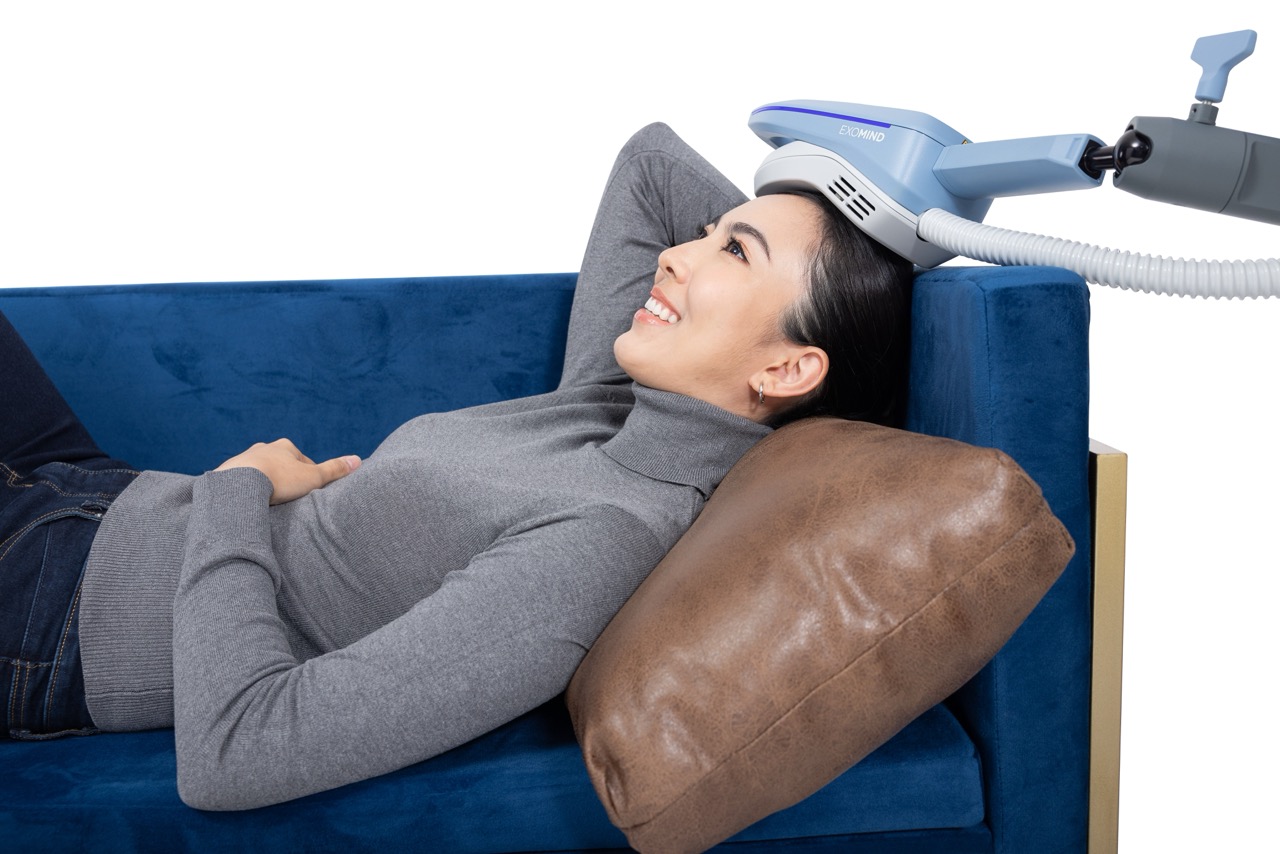
Dr Dinesh, alongside his wife Dr Sarahanna Selvarajah brought me through the treatment—which usually takes approximately four sessions to see results—and it’s an interesting one. I tucked myself into a plush blanket on a standard-issue aesthetics treatment bed, and Dr Sarahanna adjusted the device “helmet” on me, subsequently measuring my motor threshold to determine the level of electromagnetic neuronal stimulation I need. The device uses a focused magnetic field to stimulate specific brain regions involved in emotion regulation, cognitive function, and self-control. By targeting the prefrontal cortex and other mood-related zones, the device helps build new neural pathways, effectively retraining the brain to process emotions and thoughts more constructively.
Naturally, this isn’t for everyone: those with metal implants, brain stents, pacemakers, unstable medical conditions, or cardiovascular or neurological issues can’t undergo this treatment because of its electromagnetic features. It’s also not recommended for pregnant women. But don’t worry—these will be addressed with your practitioner even before you undergo the treatment. As for the actual treatment itself, it’s not uncomfortable—however, you will have to sit with your own thoughts for 30 minutes while the device works, as you can’t use your phone throughout. It’s a good time to meditate; I personally found myself daydreaming or allowing my mind to wander as I feel little taps on the left side of my head. If I were to describe the feeling, it’s almost like someone dropping a marble on the floor that is my head, or a little bird tapping its beak on my head. Not so comfortable that I can fall asleep, but not painful either.
While everyone experiences different results, I found that I only saw a difference after my third session. It must be noted that I’m not particularly volatile, and while I have occasional bouts of anxiety, I consider myself neurotypical enough. But I noticed how well the treatment worked on a busy work day, where I had three events to get to. I would normally stress myself out by overthinking my route and timing myself, but my brain worked methodically, compartmentalising every step I needed to do clearly. I had clarity on my tasks, and I could perform them properly with no additional stress, and everything worked itself out naturally. It made me realise that our brains are the problem. Things are never as serious as our minds make them out to be, and if we have clarity, everything will work itself out.
This story first appeared in the June/July 2026 issue of GRAZIA Malaysia.
READ MORE