
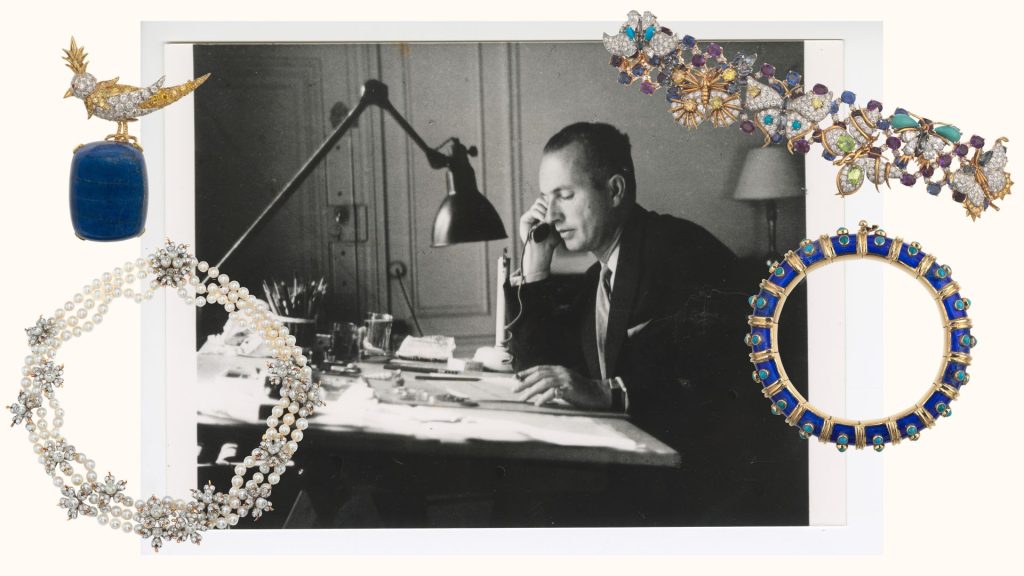
To Jean Schlumberger, jewellery was an opportunity to turn imagination into something tangible. Birds on gemstones, sea creatures curled around wrists, and flowers appearing to grow across the body, all made in diamonds, coloured stones, gold, and vivid enamel. His designs had movement and a little unpredictability—characteristics that helped change what high jewellery could look like. “I try to make everything look as if it were growing, uneven, organic,” he once said. “I want to capture the irregularity of the universe.”
Born in 1907 in Alsace, France, Schlumberger showed an early talent for drawing, although his family hoped he would pursue a more conventional career. Instead, he moved to Paris in his twenties, where his imagination found an early home in fashion. He worked with couturier Lucien Lelong before catching the attention of Elsa Schiaparelli, who enlisted him in 1937 to create surrealist buttons and costume jewellery. His habit of turning unexpected objects, including Meissen porcelain pieces found in Paris flea markets, into decorative works would become part of his artistic identity.
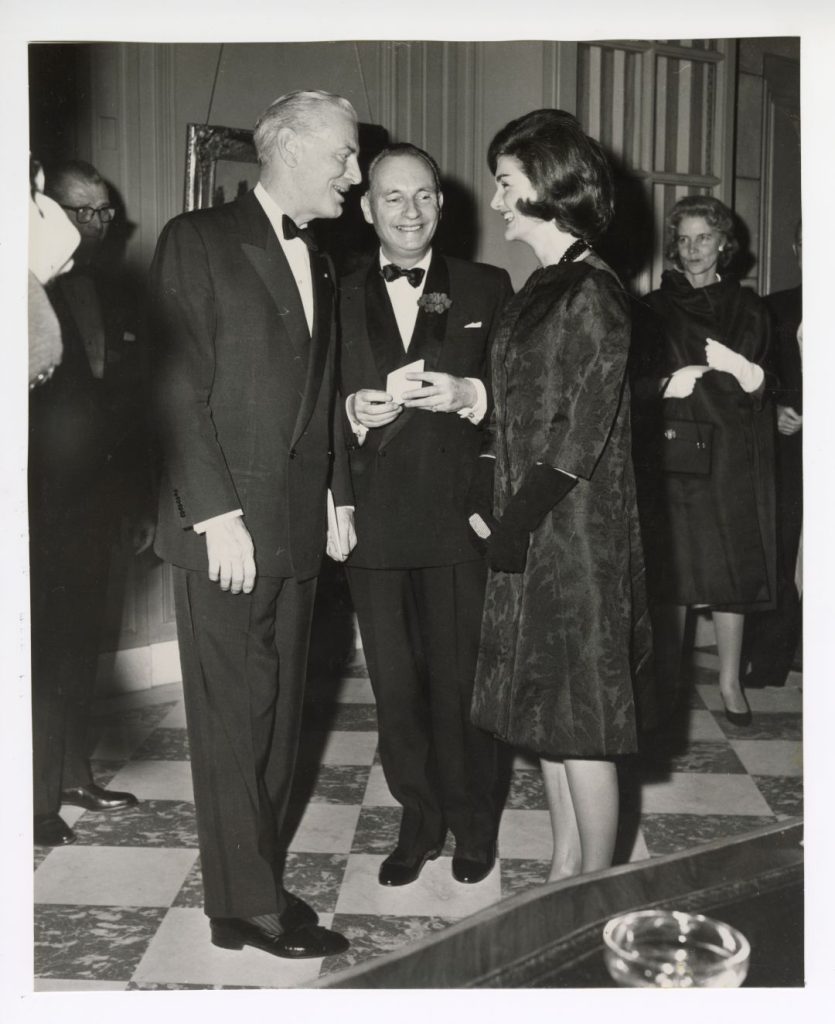
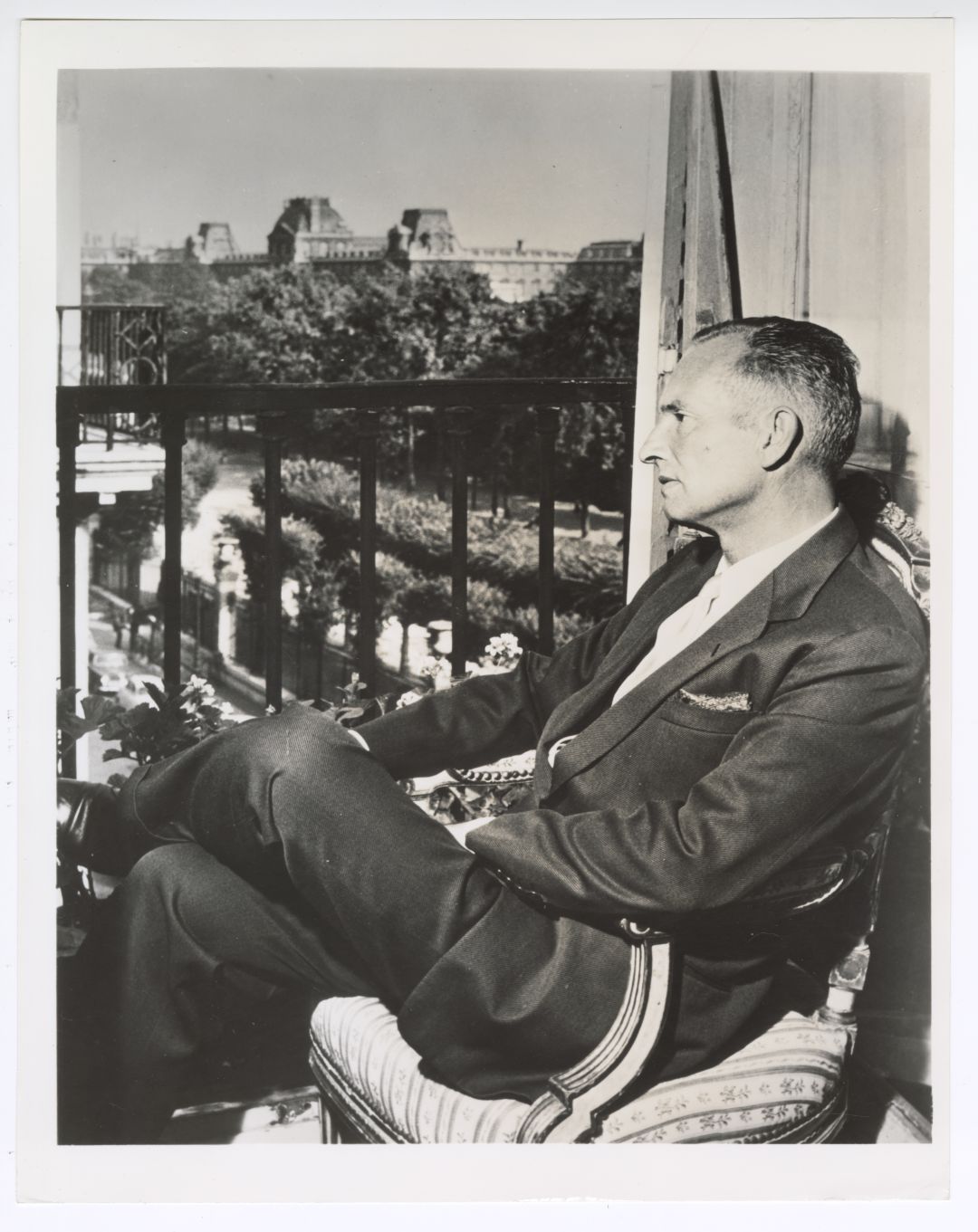
After serving in the French forces during the Second World War, Schlumberger moved to New York and opened a jewellery salon with Nicolas Bongard. His work quickly attracted a sophisticated clientele, but it was his arrival at Tiffany & Co. in 1956 that would define the next chapter of his career. Walter Hoving, then chairman of Tiffany, invited him to join the house as vice president, giving the self-taught designer access to extraordinary gemstones and the maison’s artisans while allowing him to work from his own studio and salon on the mezzanine of the Fifth Avenue flagship.
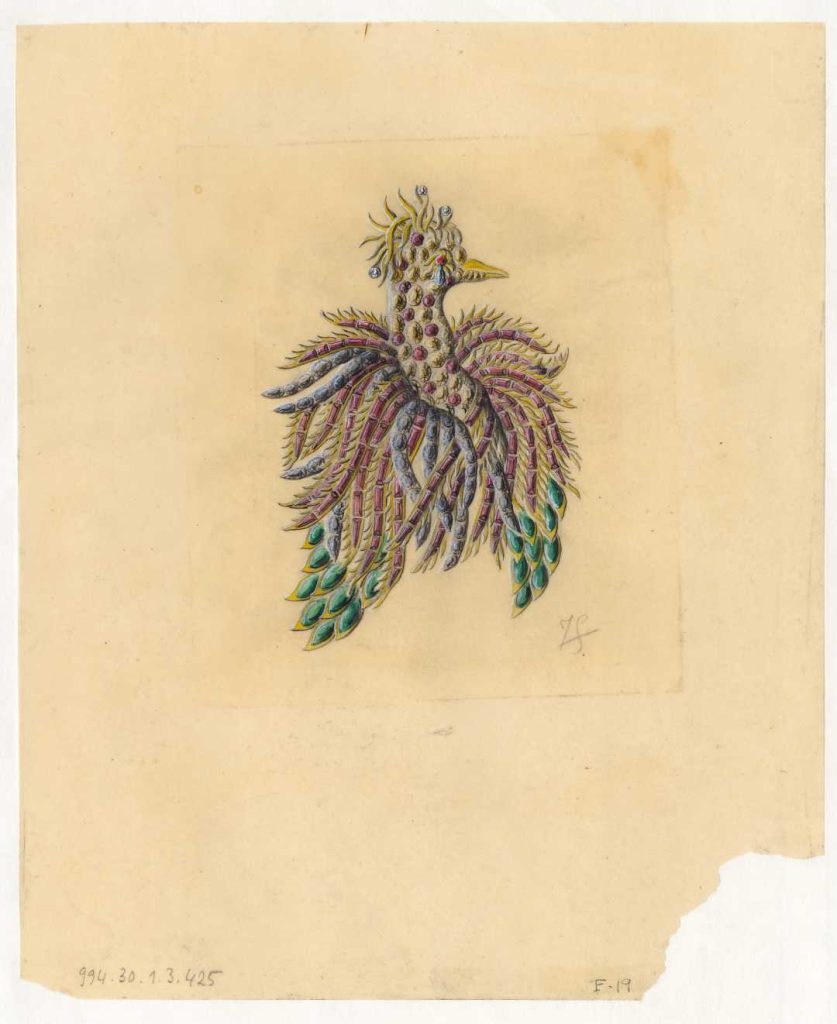
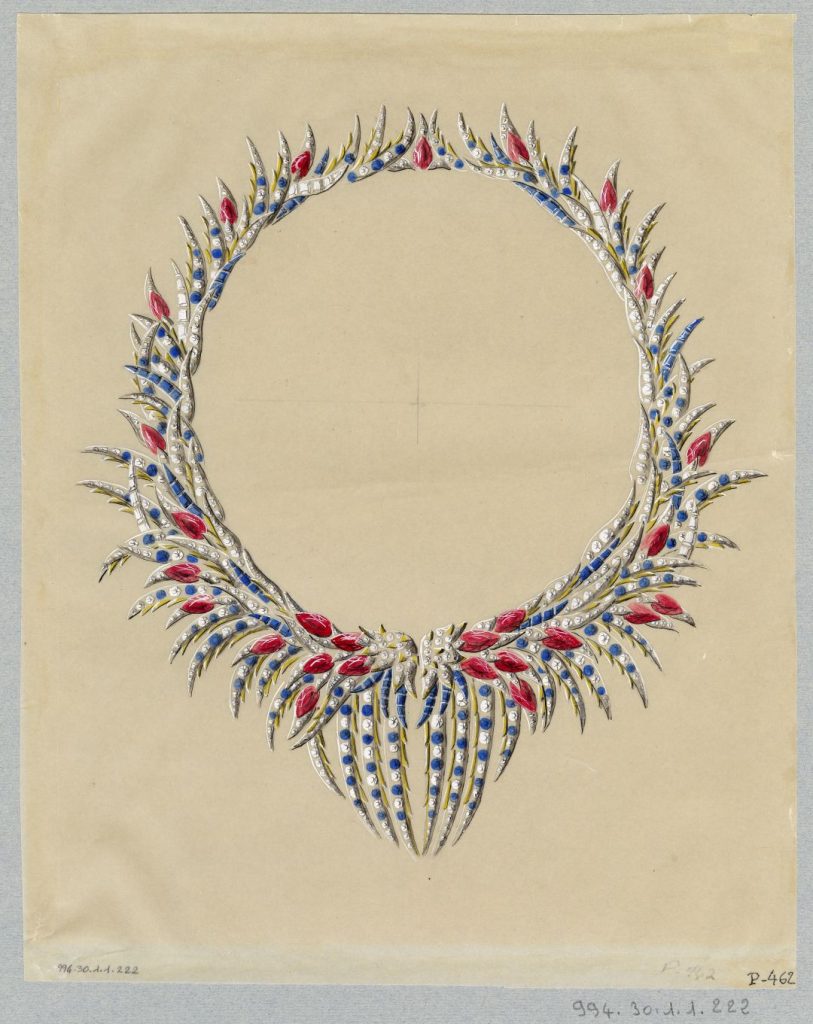
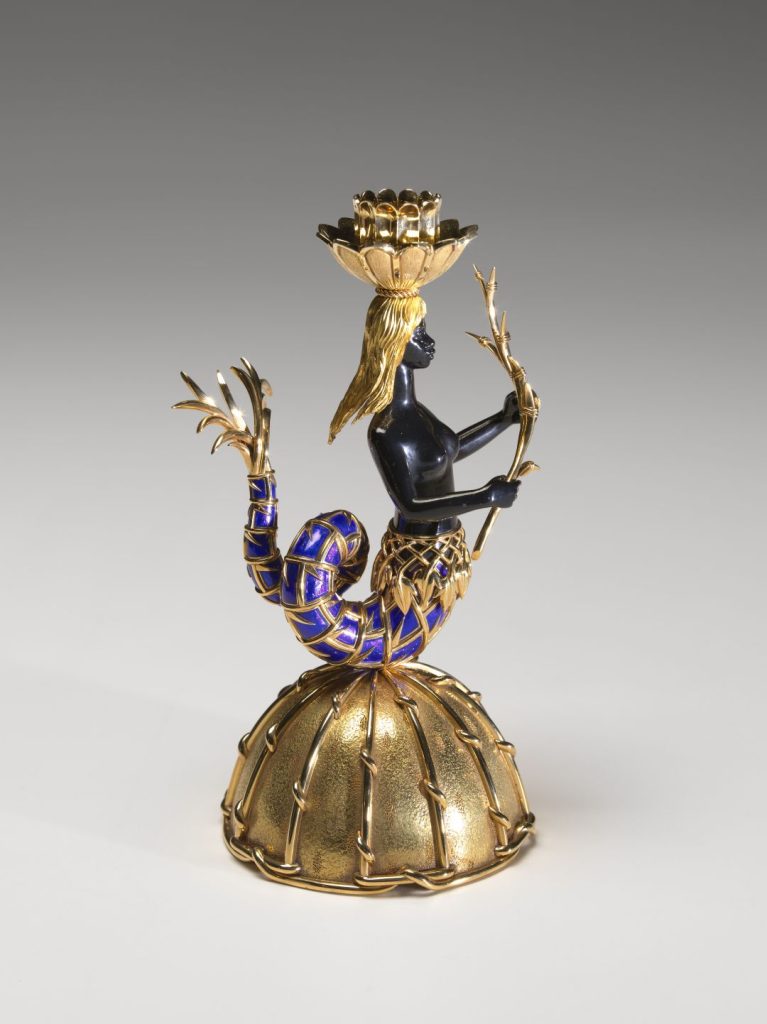
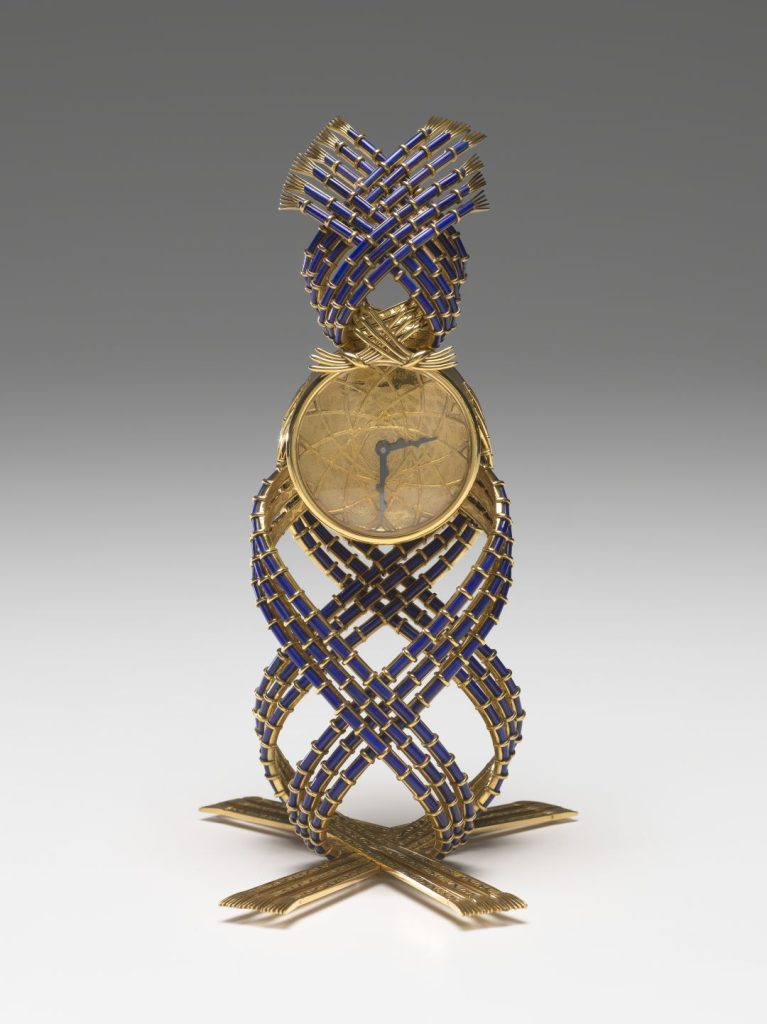
At Tiffany & Co., Schlumberger had room to push his ideas further. His fascination with nature became a recurring cast of birds, butterflies, flowers, shells, and marine creatures. He travelled through Bali, India, Thailand, and the Caribbean, filling sketchbooks with observations that later became jewels. Among his most recognisable works is the Bird on a Rock, first sketched in 1965 after Schlumberger encountered a yellow cockatoo near his home in Guadeloupe. The idea was wonderfully simple and slightly absurd: a diamond-set bird lands atop a large coloured gemstone. Yet, that unexpected pairing became one of Tiffany & Co.’s defining signatures, with later versions featuring everything from citrine and aquamarine to sapphires.
Then there were the Croisillon bracelets, whose vivid paillonné enamel and gold crosshatch patterns became closely associated with Jacqueline Kennedy, and the Sixteen Stone ring, with its alternating diamonds and gold Xs. His work also found its way into the jewellery boxes of Elizabeth Taylor, Babe Paley, Bunny Mellon, and Audrey Hepburn. The famous Tiffany Diamond itself became part of his story when Tiffany & Co. commissioned Schlumberger to create a new setting. His Ribbon Rosette necklace was famously worn by Hepburn during the promotion of Breakfast at Tiffany’s, and the 128.54-carat yellow diamond was later mounted in his Bird on a Rock design.
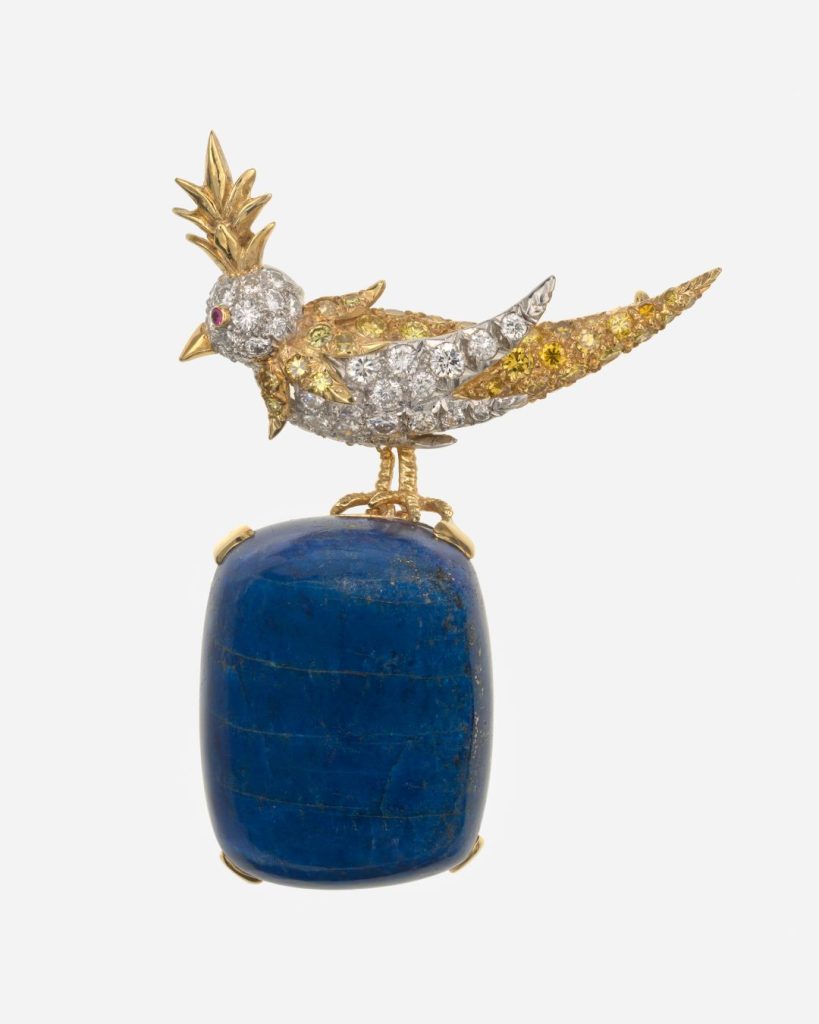
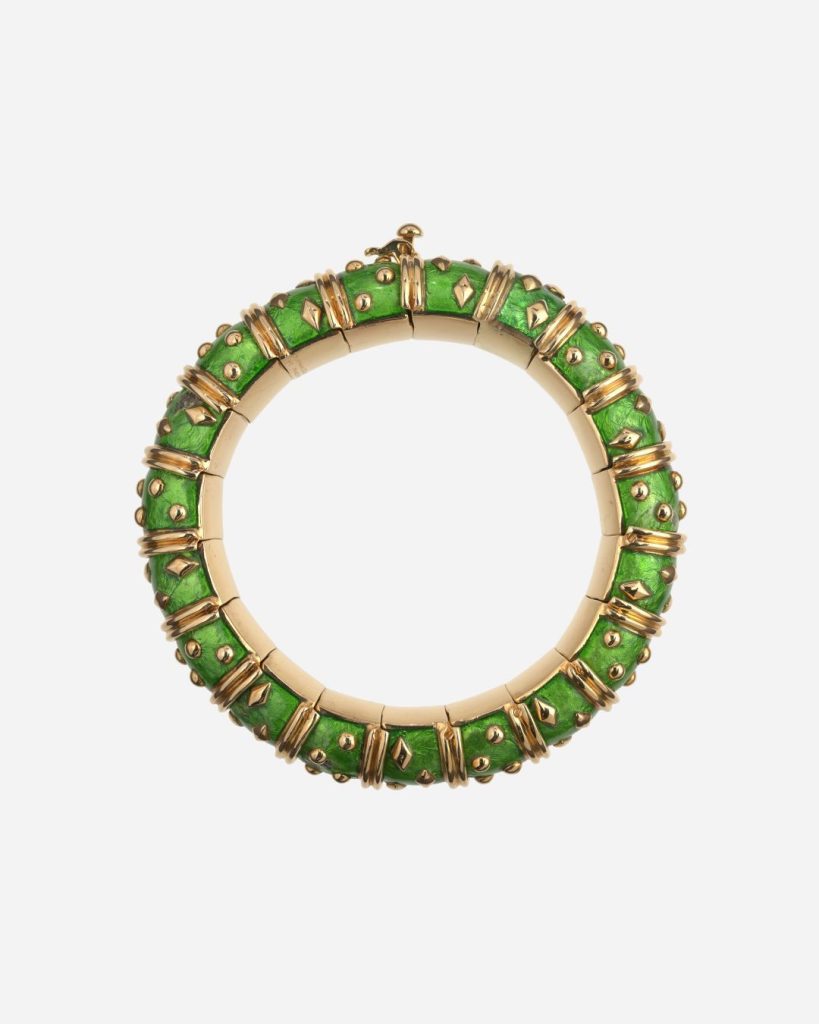
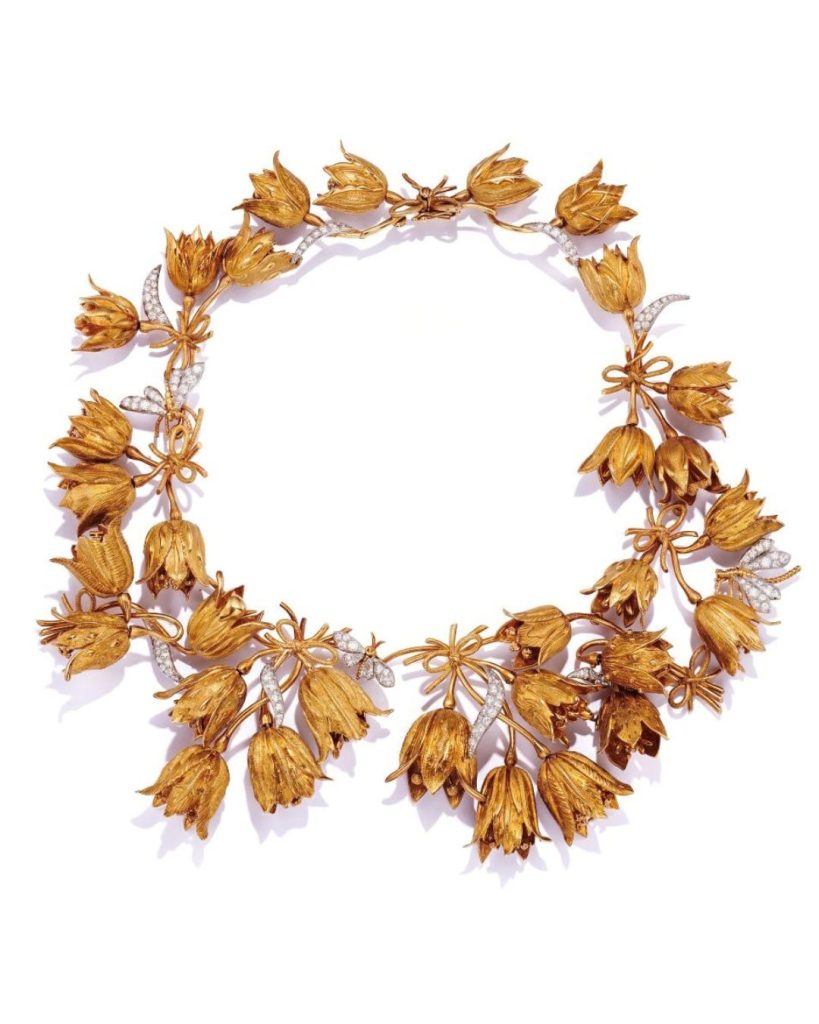
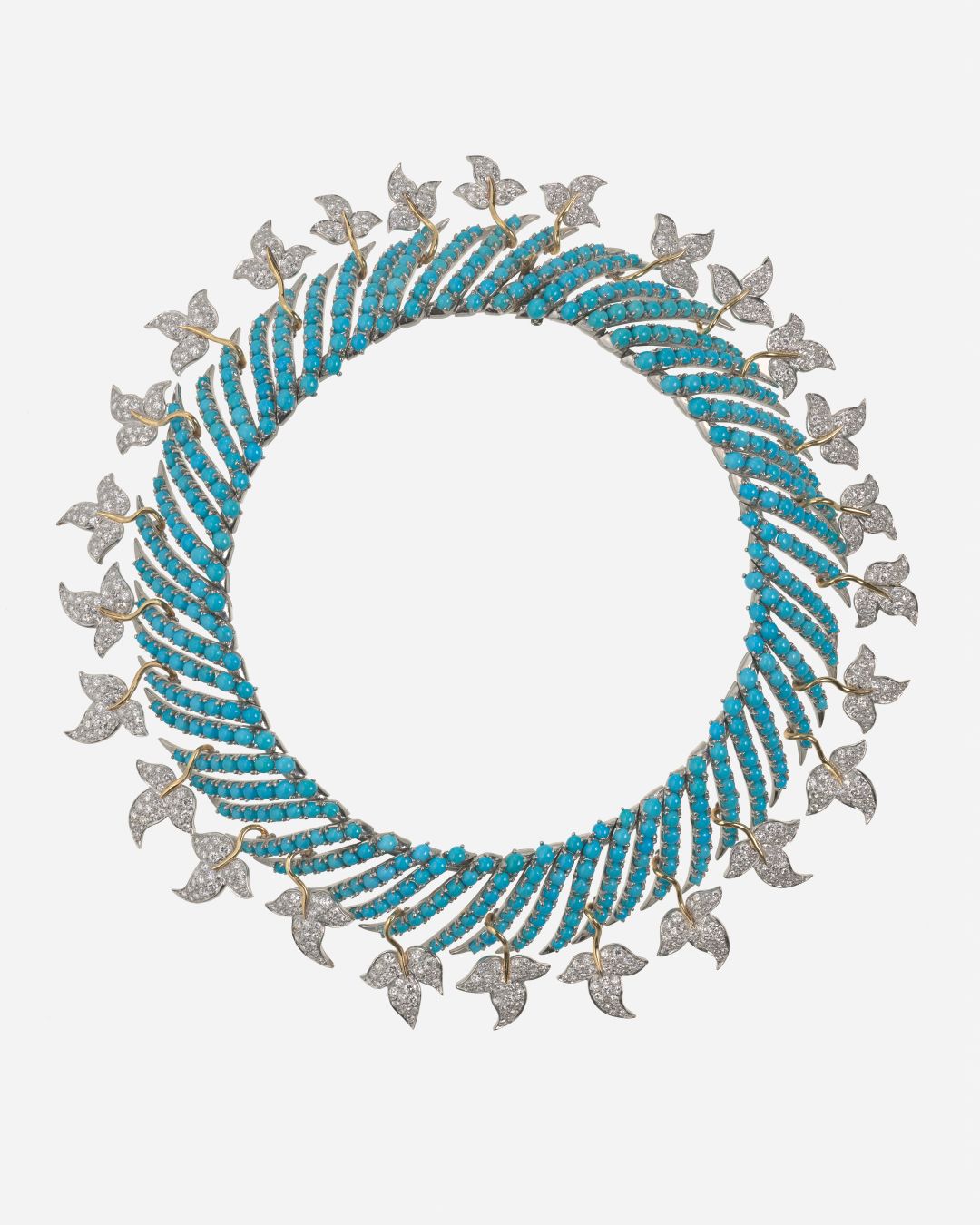
Schlumberger died in 1987, but his work never really left Tiffany. His designs continue to be produced and worn, while original pieces regularly appear at auctions. He remains one of only four jewellers whose creations have been signed for Tiffany & Co., a distinction that makes his jewels especially recognisable to collectors.
During Paris Fashion Week 2026, Tiffany & Co. turned the spotlight back towards the designer with the Musée des Arts Décoratifs, bringing two institutions with deep ties to decorative arts and jewellery together for a historic celebration. The moment also looks towards the future. Tiffany’s ongoing partnership with the museum is supporting a multi-year initiative focusing on the conservation and digital imaging of approximately 5,000 drawings and 5,000 archival documents, helping preserve the record of Schlumberger’s working life for generations to come.
It feels particularly fitting. Schlumberger’s jewels may be made from some of the rarest materials in the world, but so much of his legacy began with something far simpler: a drawing on paper. Decades later, those drawings are still opening the door to the same fantastical world he imagined, proving that his greatest creation may have been the idea that jewellery can have a life of its own.
READ MORE