
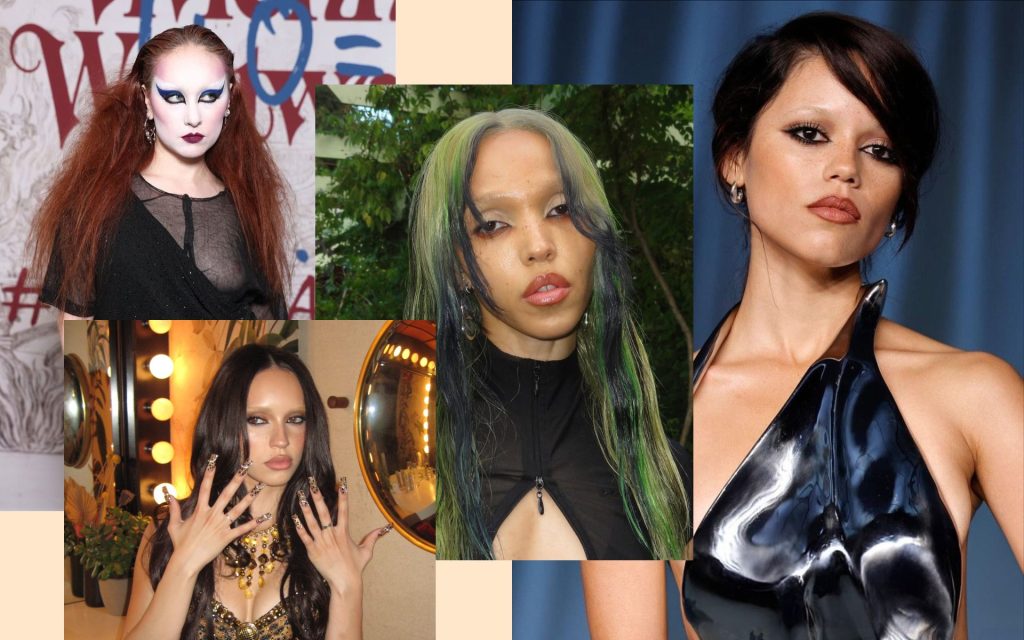
They say “beauty is in the eye of the beholder,” but how much of that actually rings true? Those who keep up with the trends of today—be it self-care, wellness, or cosmetics-related—are well aware of the rapid pace at which beauty standards and rituals circulate on our social media feeds. There almost seems to be a new skincare ingredient created every day, from peptides and exosomes to whatever that is extracted from salmon sperm that should be injected into our faces.
The beauty industry has always made bank by convincing society that it can fix normal human flaws and features with a mere product. However, cynicism aside, beauty and makeup have also become facets of self-expression and artistry, providing users with the ability to transform, express a feeling or identity, and gain a confidence boost. In fact, the fashion industry is familiar with using beauty as a tool to enhance a creative director’s vision. On the runway, makeup is used to strengthen the theme of a collection.
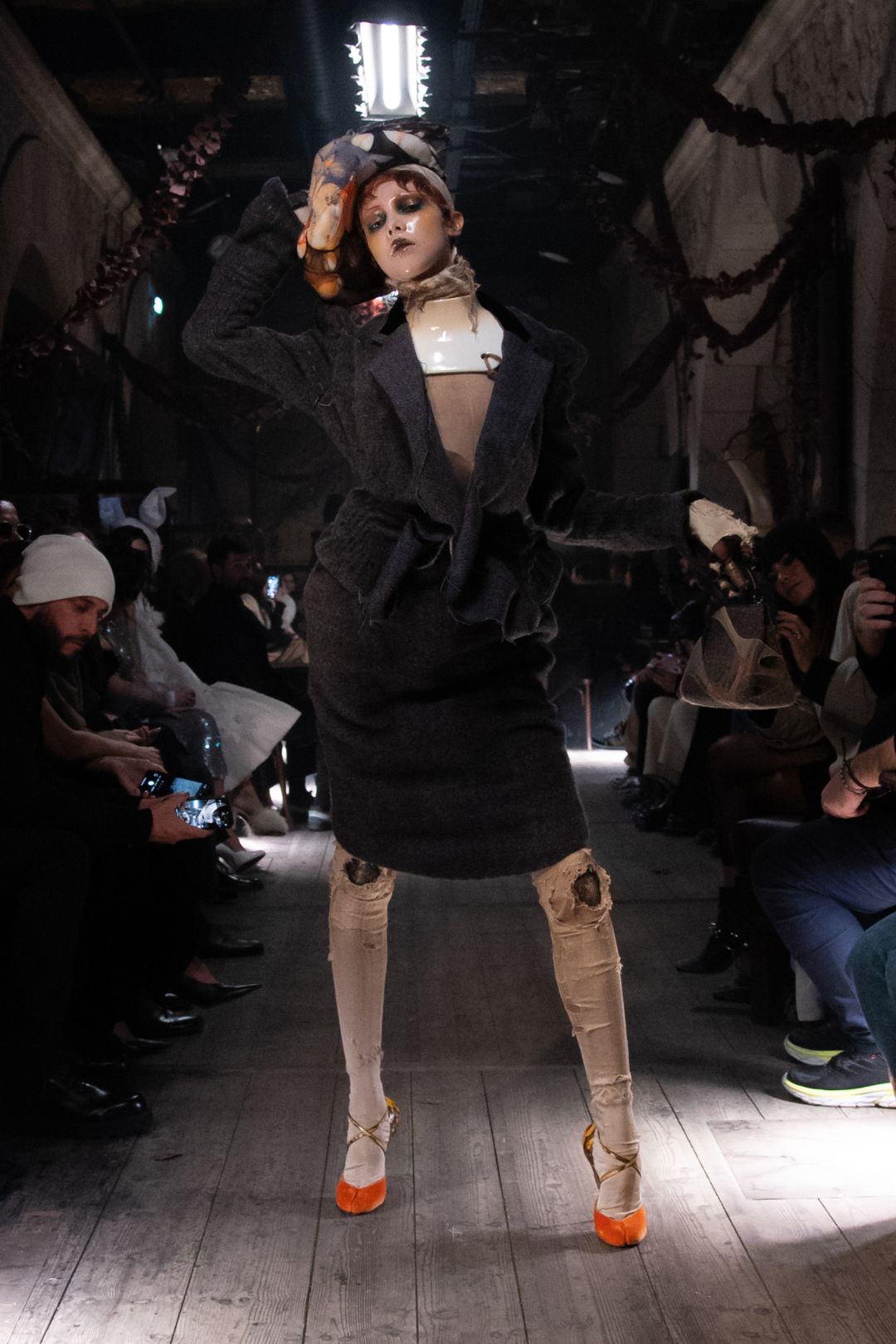
Take the Maison Margiela SS24 Artisanal Couture show, for example—Pat McGrath’s glass makeup went viral on TikTok and beyond after the maison sent models down the Parisian underground runway looking like porcelain dolls. This look, with its lacquered, super-shiny layer that sealed down pencil-thin eyebrows, heart-shaped doll lips and concentrated pops of blush, conveyed the image of a digital filter brought to life and led to many beauty enthusiasts attempting to recreate the unconventional makeup style.
So when dark under-eye circles and imperfect eyeshadow looks were trending not too long ago, what feeling or vision were they trying to convey? Whether it is due to the current turmoil of the world or rejection of the digital perfection that seems inescapable to anyone online, we’re definitely entering an era of beauty that challenges boundaries and rejects flawlessness—labelled as “ugly beauty”.
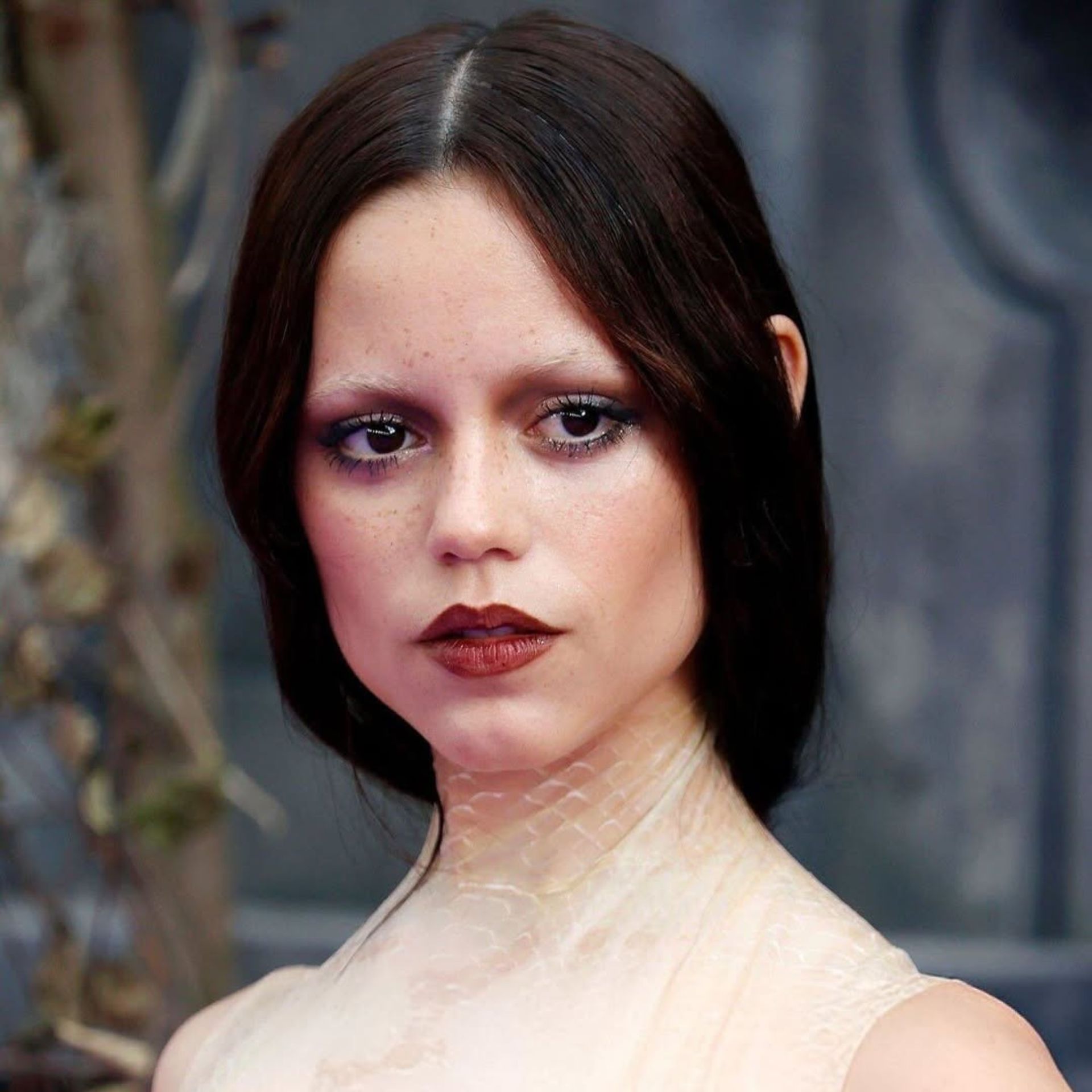
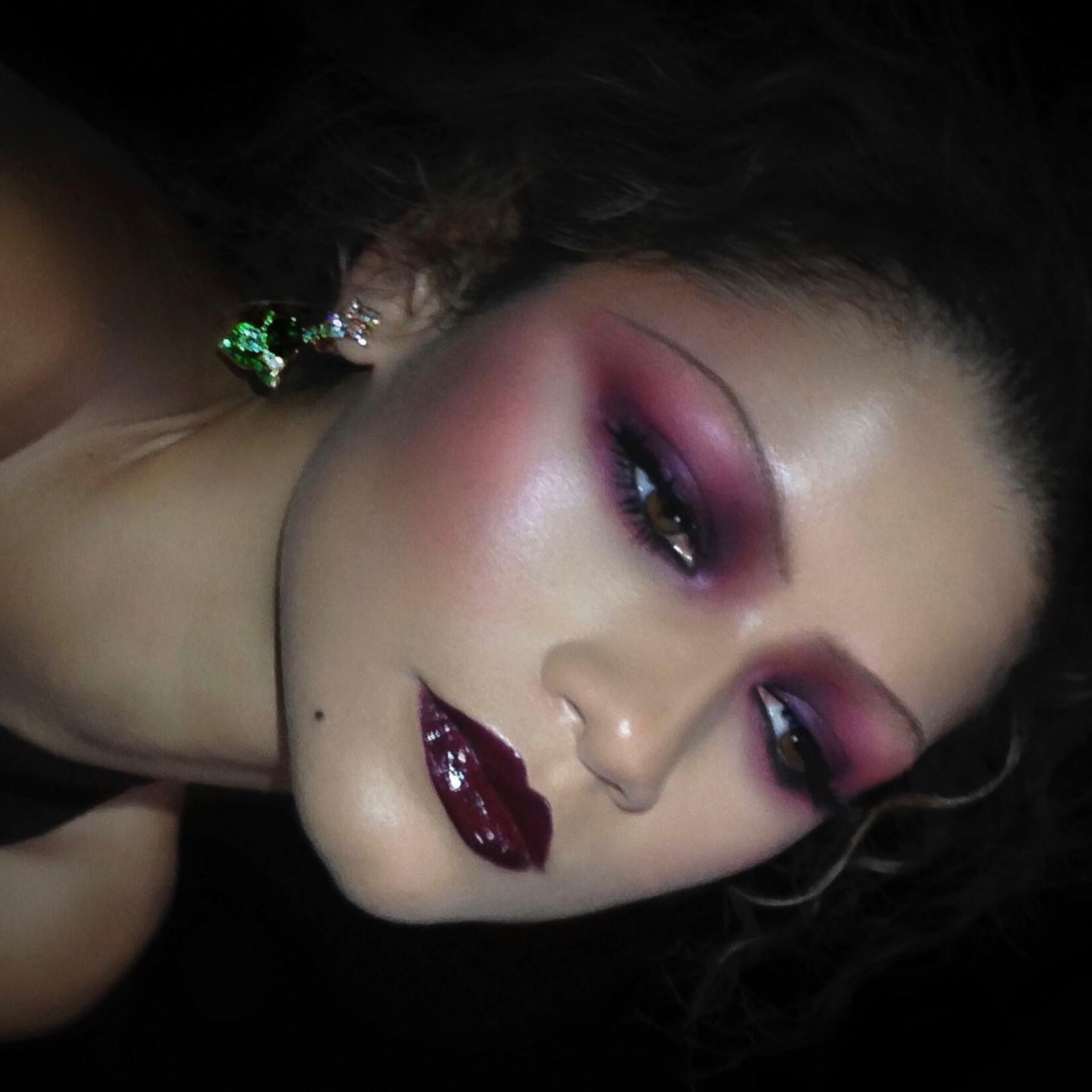
One particular feature that has skyrocketed to widespread attention of late has been the bleached eyebrows look, famously worn by fashion darlings like Jenna Ortega, Miley Cyrus, Bella Hadid, Zendaya, and more recently, Katseye’s Daniela. Lightening one’s eyebrows to the point of making them disappear is currently celebrated for its edgy, editorial look while offering more canvas space to have fun with eye makeup. Despite appearing mildly disturbing and eerie at first glance, as some comments online have made apparent, one has to admit that these unusual beauty choices have a mysteriously alluring effect that makes it difficult to look away.
In 2022, model and actress Julia Fox went viral for her dramatic, dark eye look. “I actually did it myself, yeah.” And in 2024, Doja Cat showed up at fashion’s biggest night out in a ‘soaked’ white cotton t-shirt dress with a standout glam featuring glittering teardrops running down from a smoky eye look—it wasn’t clean, nor was the outfit form-fitting. Among several others, from FKA Twigs to Lady Gaga, these celebrities have been known for their unapologetically bold statements through beauty and fashion.
This rebellious sentiment also seems to be occurring in tandem with fashion’s current fixation on the imperfect and lived-in look, seeing as the Prada Women’s Fall 2026 show unveiled a slew of frayed seams and coffee-stained cuffs, with layers worn haphazardly by models with dishevelled hair, and Coach’s Fall 2026 featuring frayed Bermuda shorts, unfinished seams, and distressed leather.
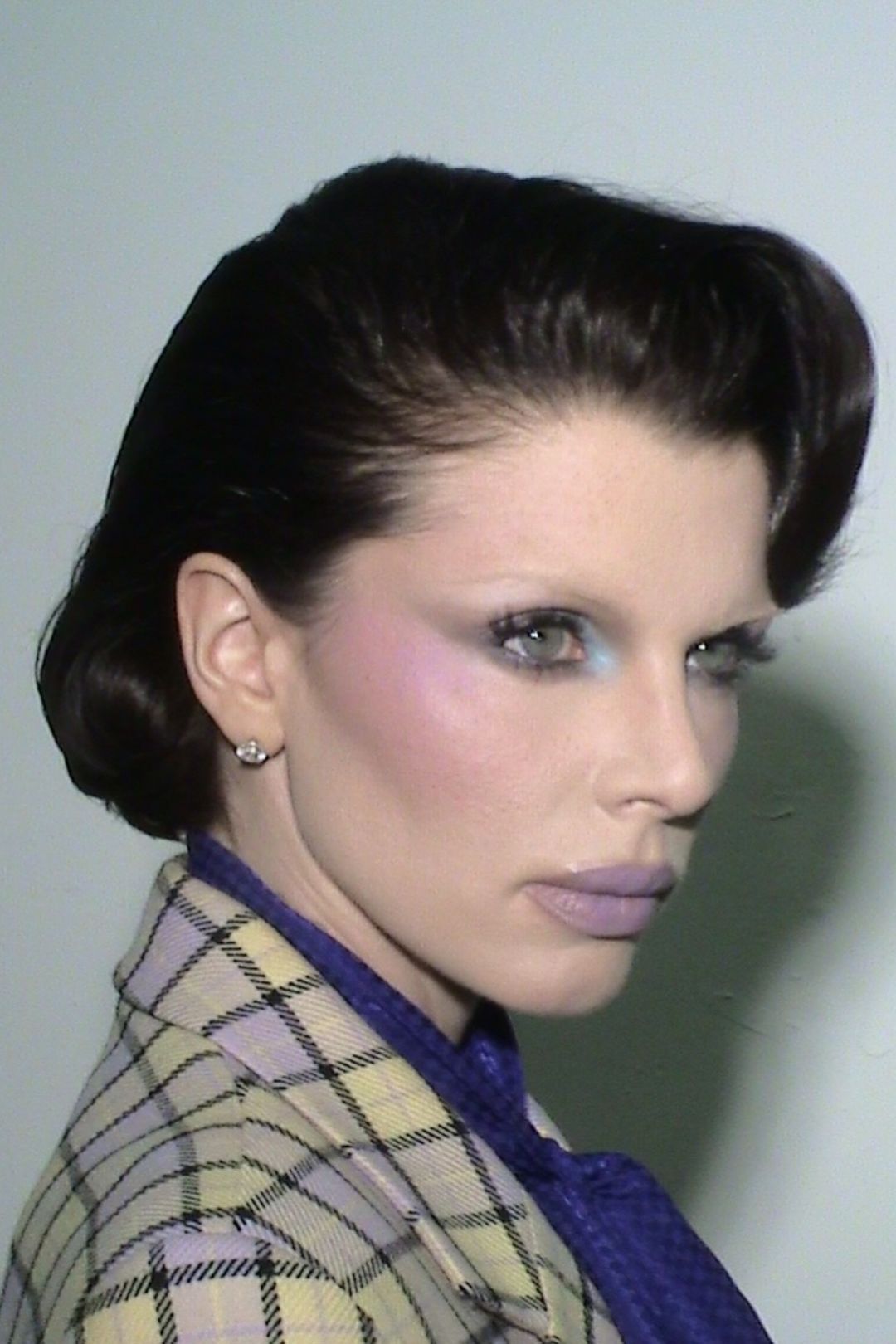
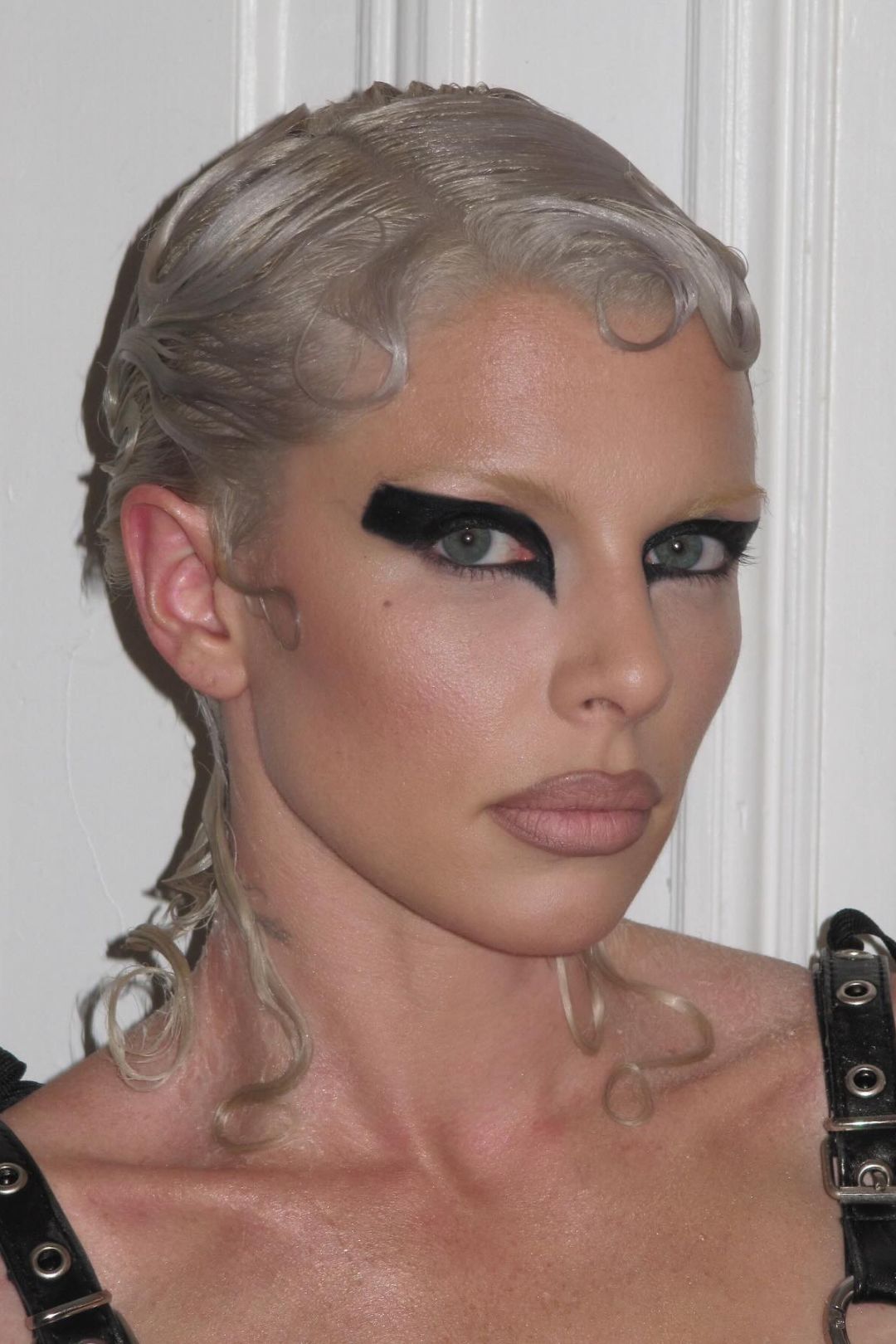
Yet, are we surprised? Beauty trends and status symbols have always been known to switch things up, favouring the opposite of whatever society is starting to embrace. Just take a look at the 90s heroin chic aesthetic moving towards the body positivity movement that defined the 2010s, which then bounced back to the current spike in availability of weight-loss medications at the present time.
As the skincare market becomes increasingly saturated with anti-ageing products, perhaps we’d soon start to embrace the grey hair, fine lines, and wrinkles that come with having lived long enough on Earth? Besides, in this era of cosmetic enhancements, how far is society willing to go before it gets too worn out?
Of course, the beauty industry is unlikely to become obsolete, as individuals who may tire of keeping up with trends still desire to feel beautiful, even if they want to defy beauty standards. We still follow high-maintenance habits to be low maintenance—like eyebrow embroideries, facials, lash extensions, and more, or a no-makeup makeup look that still demands pinpoint precision.
As we continue to witness the development of ugly beauty, which is more likely another fad than liberation from beauty standards, one can only hope for a near future that leads with more stability and hope. Because art has always been a reflection of society, and beauty is clearly becoming tired of masking up.
This story first appeared in the GRAZIA Malaysia September 2026 print issue.
READ MORE