
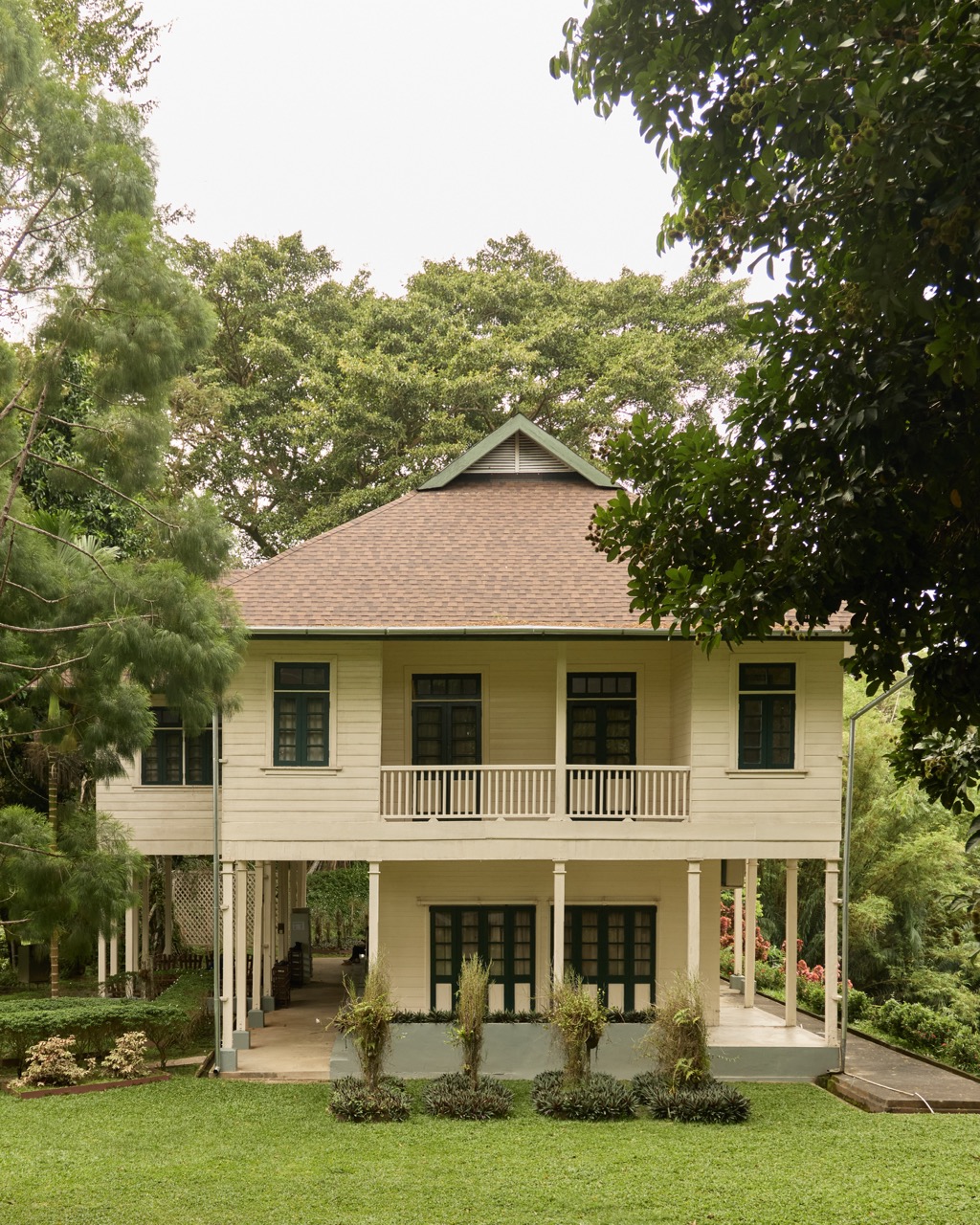
Did you know that the term “the land below the wind” was popularised by an American lady who was so enthralled by her stay in Sandakan during the 1930s? Agnes Newton Keith was an author from California who travelled there with her partner, Harry Keith, who was a forestry conservator for the British North Borneo Chartered Company. I say ‘partner’, because the two were technically married to other people before they travelled by sea to Sandakan and subsequently had a child together—but that’s tea for another day. Back then, Sabah was known as British North Borneo, and Sandakan was its capital city until 1946, when it was badly ravaged by World War II. Since then, Sandakan has fallen somewhat under the radar, overtaken by the appeal of the more populated and developed Kota Kinabalu. Yet, Sandakan still has much to offer—if you only know where to look.
Where to Stay
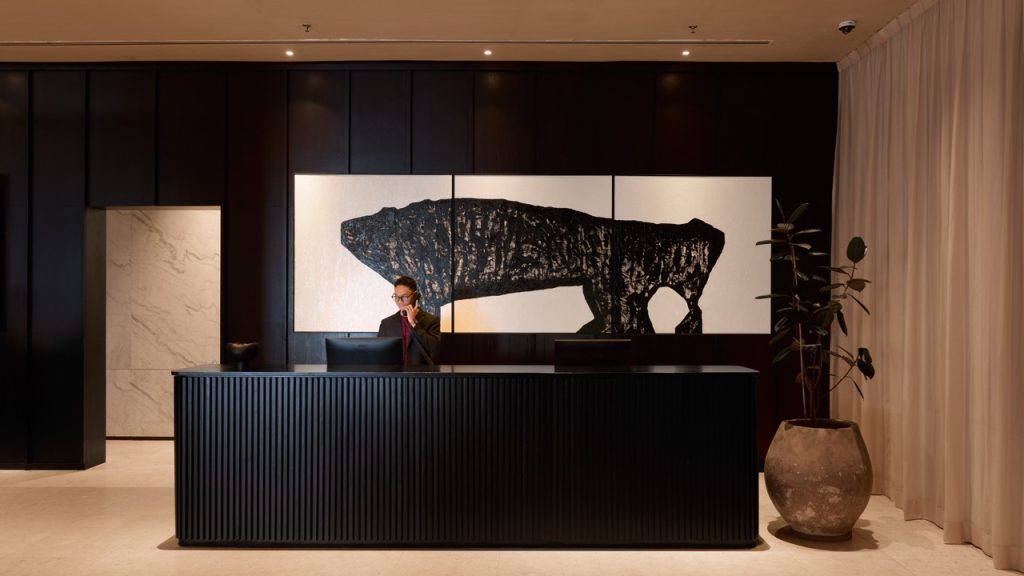
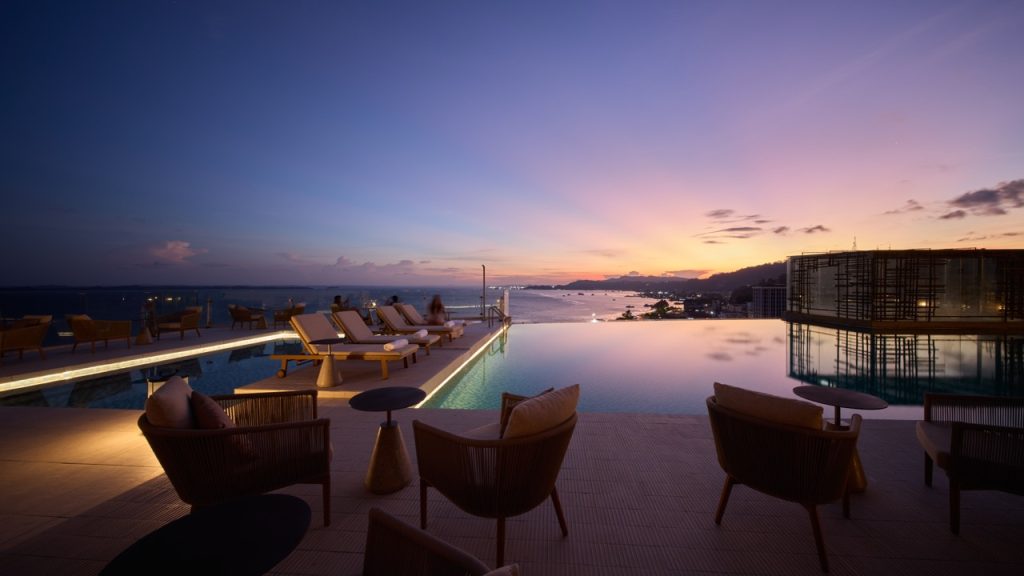
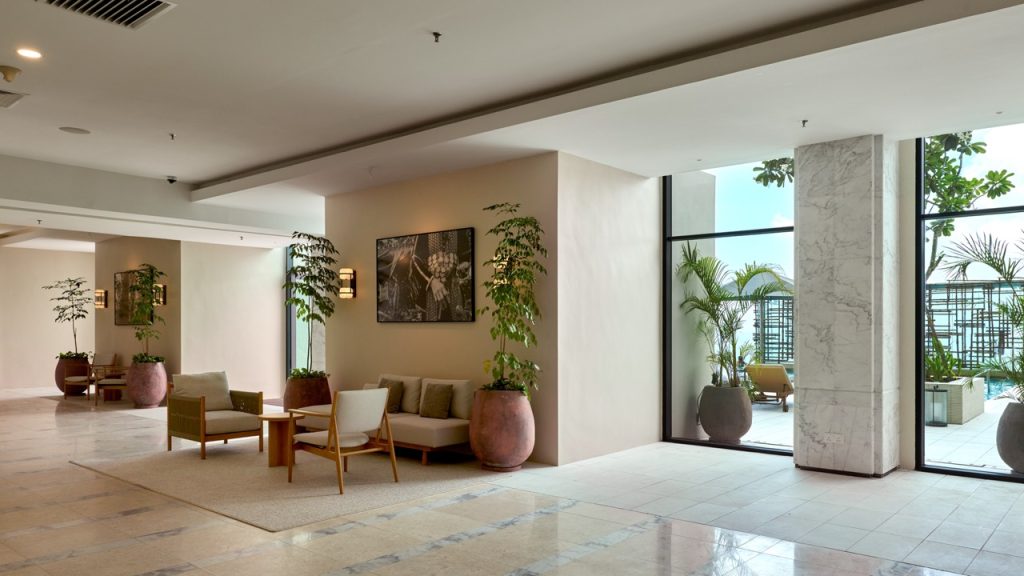
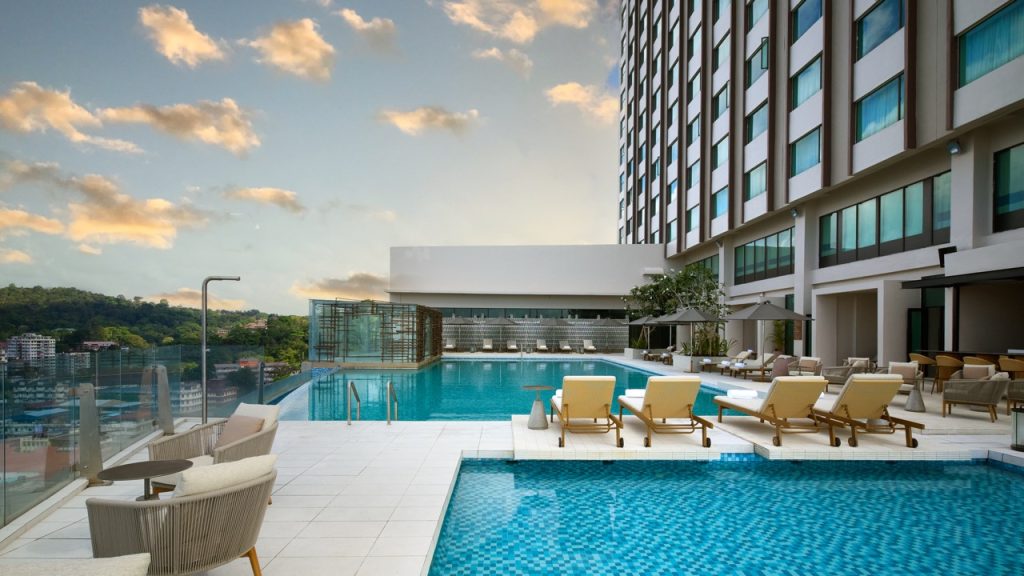
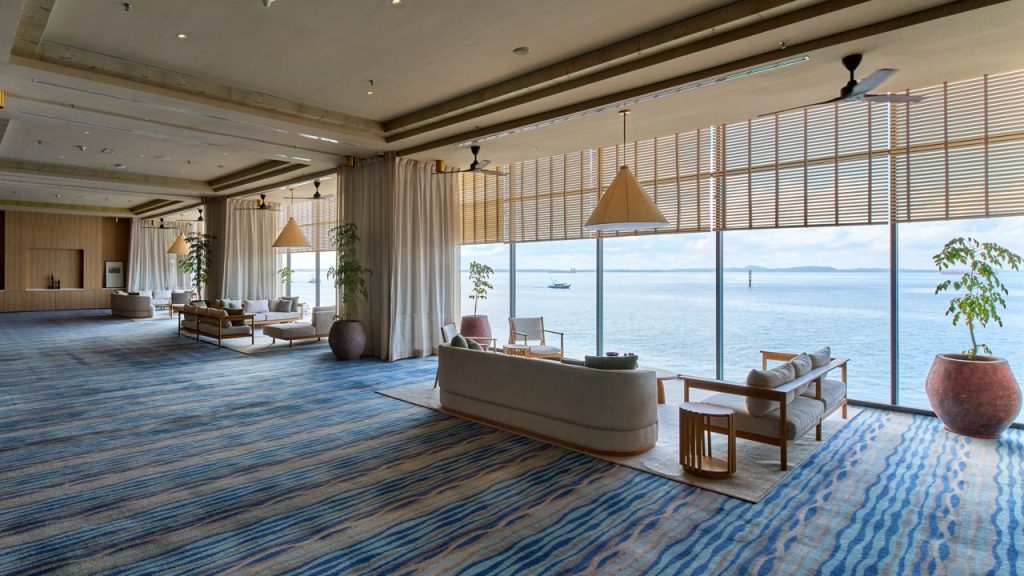
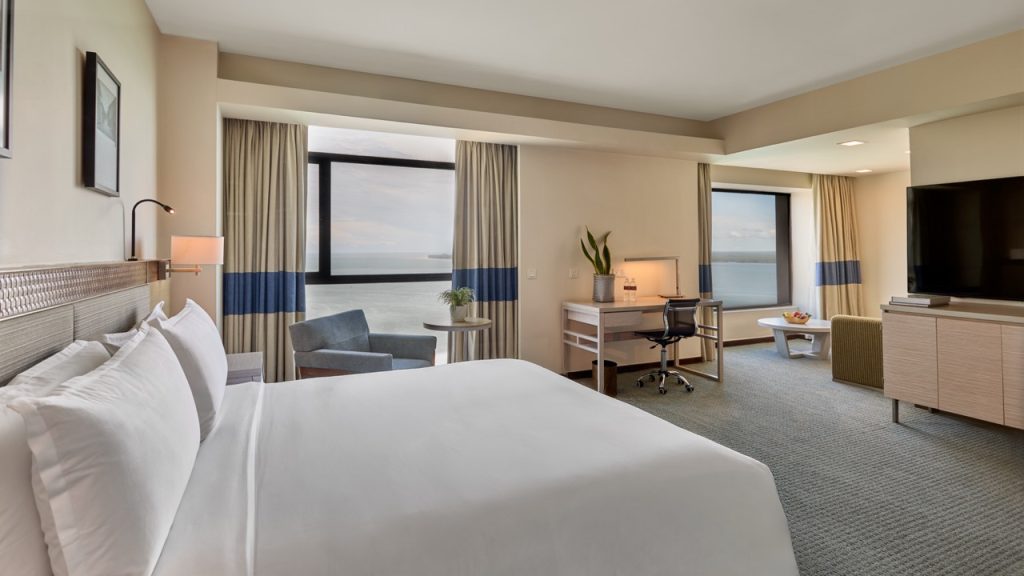
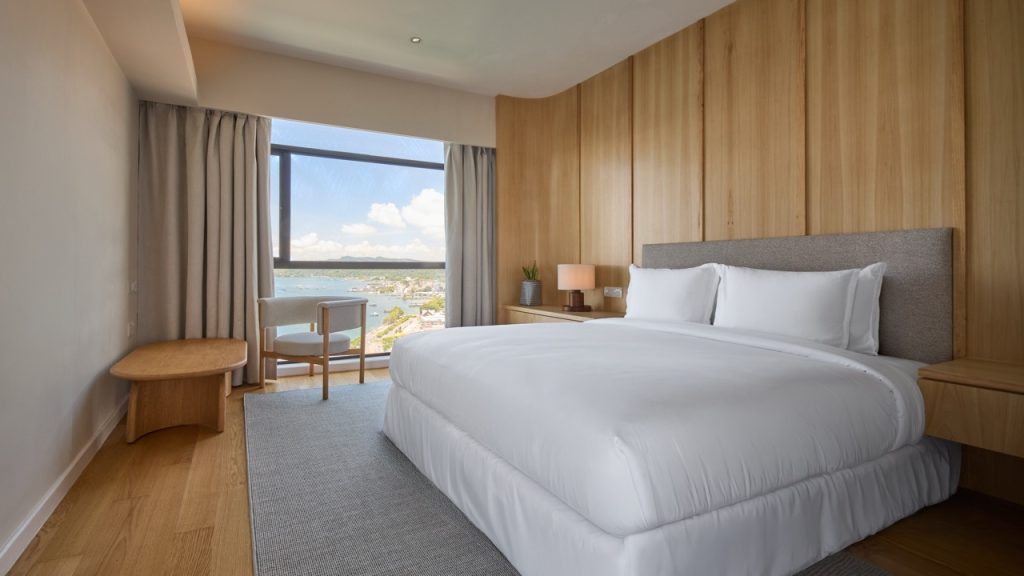
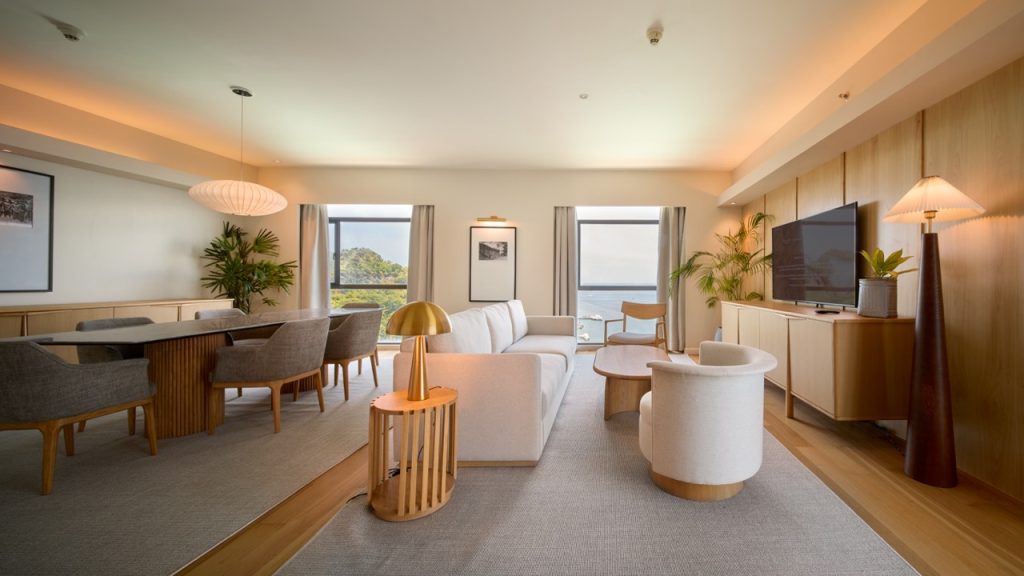
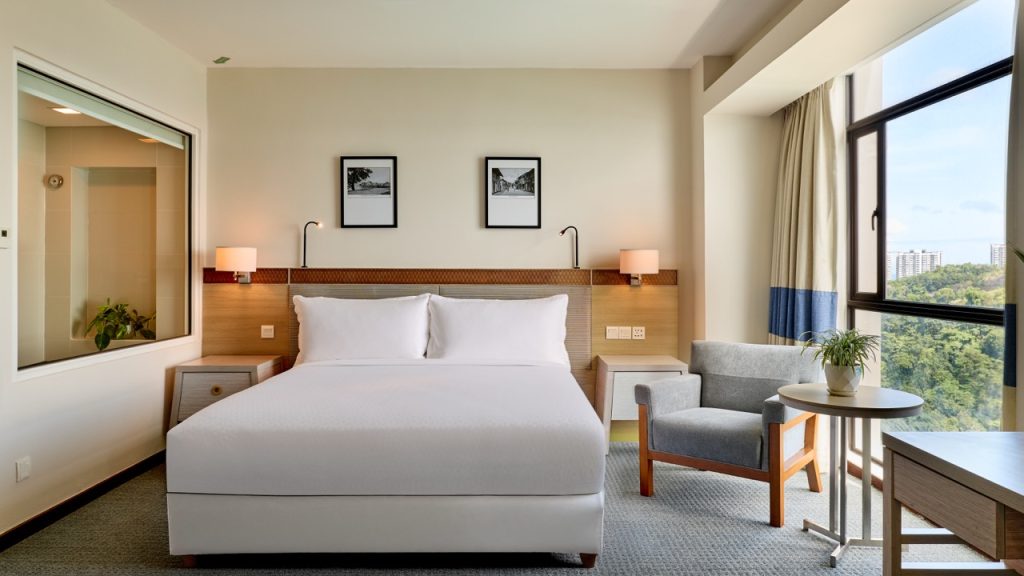
First things first, establish your base at the newly opened Ormond Sandakan, looking out to the Sulu Sea. Its location is an ideal one if it’s your first time in the city: the sprawling Sandakan Central Market is right next to the hotel, the perfect place to stock up on unique home provisions such as dried anchovies, salted fish, dried shrimp, and the like. “The Little Hong Kong” street is just behind the hotel, and the Sim Sim Fishing Village is less than a 10 minute drive away.
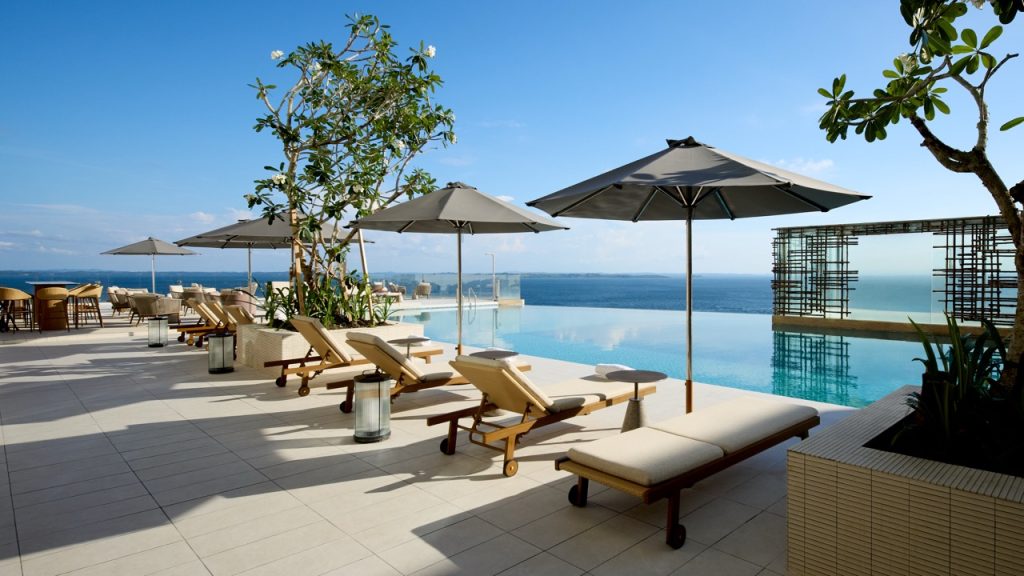
The hotel, boasting 299 rooms and suites, offers uninterrupted views of the sea in every unit, bringing in natural light with thoughtful designs that serve as a cocooned respite after a day out visiting Sandakan. The infinity pool on the 13th floor looks out to the sea and is the perfect place to be when the sun goes down, sipping on drinks or taking a dip in the pool—the Sabah sunsets are unparalleled. On a clear night, too, you’ll be able to see the stars in the sky.
Where to Eat
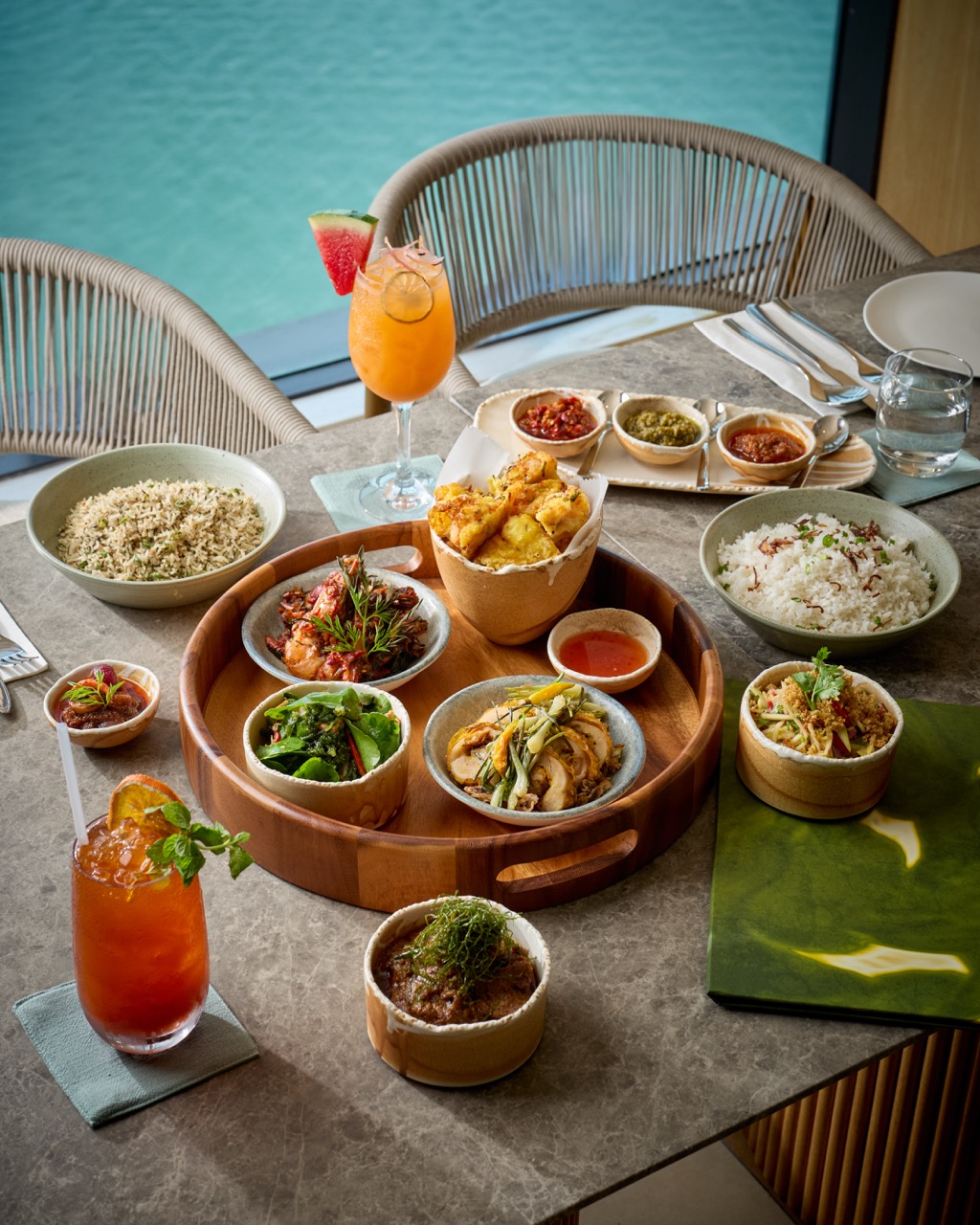
Also on the 13th floor of Ormond Sandakan is their restaurant Rasa, where guests are given a glimpse into classic Sabahan flavours and produce, with dishes such as bambangan, hinava, and various sambals delicately woven into the menu. On the first floor, Brew serves as the spot for guests and the public to get a drink after a long day and enjoy live music on the weekends. An elevated Italian restaurant is currently in the works, but not to worry—Sandakan has plenty else to offer when it comes to local food.
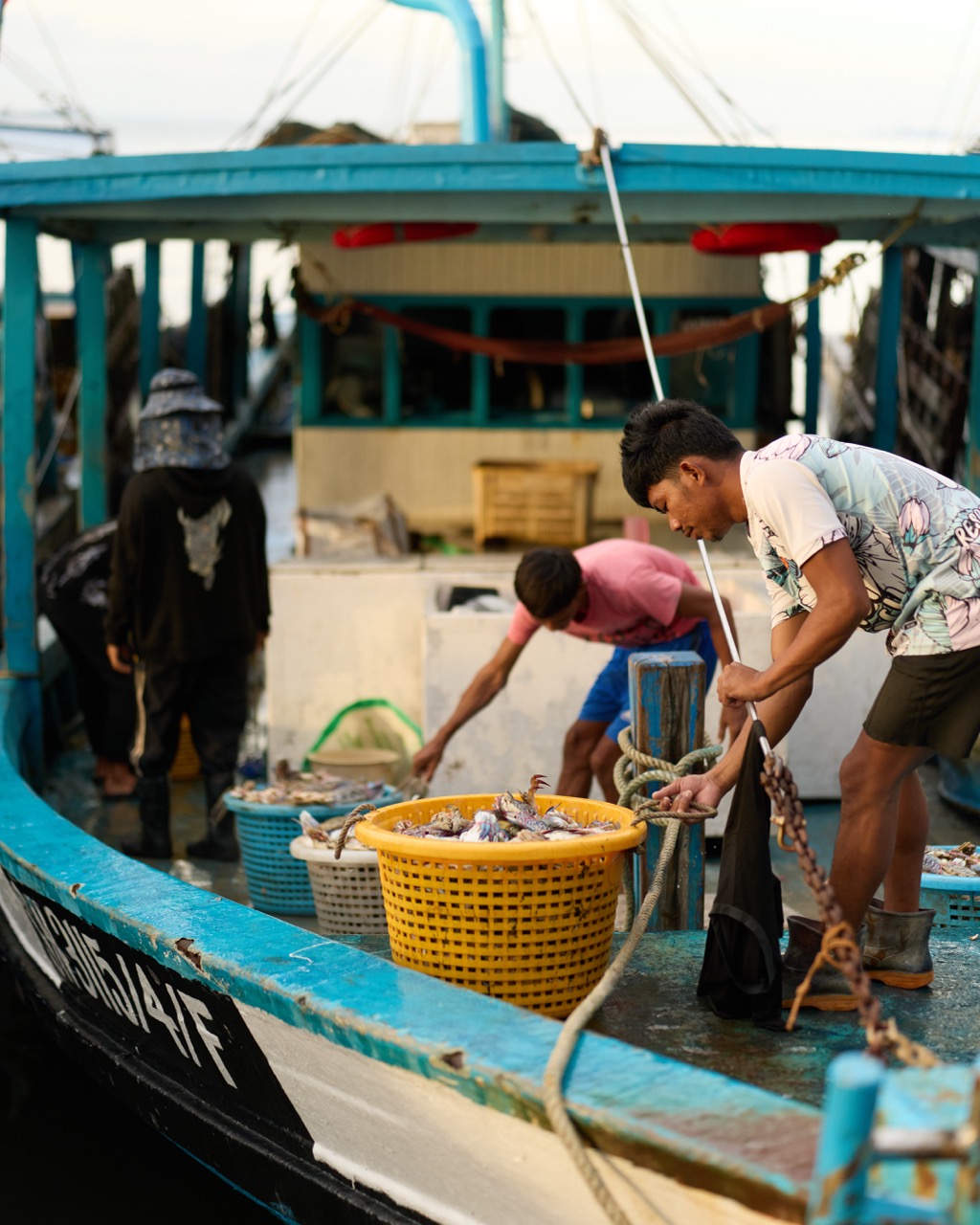
Part of the experience is making a stop at Kampung Buli Sim Sim, a fishing village with a long history. It was the original site where modern Sandakan was founded in 1879, and where the Bajau community took root. Today, many families still call the fishing village home, and there are also seafood restaurants in the village where locals and visitors alike head to for the freshest seafood. While there are many to choose from, our personal pick is Sim Sim Seafood Restaurant H90—it’s more localised, and the owner is quite inclined to suggest the daily catch.
Pastries are surprisingly a big part of Sandakan culture too, particularly the traditional Chinese variant. It could be that Sandakan had a huge uptick in Hong Kong immigrants when the British brought them over as coolies. Their heritage can still be seen in the town, from how Cantonese is often spoken amongst the local Chinese to the architecture, and—of course—the pastries. Two highlights are the UFO tart and egg tart, the latter of which has a noticeably thinner pastry. The former is a palm-sized tart comprising a flat-bottomed cake with a light, whipped meringue top that’s been torched, and a creamy custard in the middle. Some popular spots to get these are at Kedai Roti Gold Crown and Kedai Roti Mahkota Mas.
Another must-try is the seafood bak kut teh. However, we need to give prior warning, specifically to people of Klang descent: Sandakan’s variant of bak kut teh bears no resemblance to what we get here in the Semenanjung. It’s spicy and peppery with no hint of herbal flavour and contains soy sauce. Some would liken it to the Singapore style of bak kut teh, but we think it’s a completely different variant. Try the ones with seafood for a change of pace. Nam Chai Restaurant Bak Kut Teh and Syn Lok Bak Kut Teh seem to be dependable spots to try seafood bak kut teh.
Things to Do
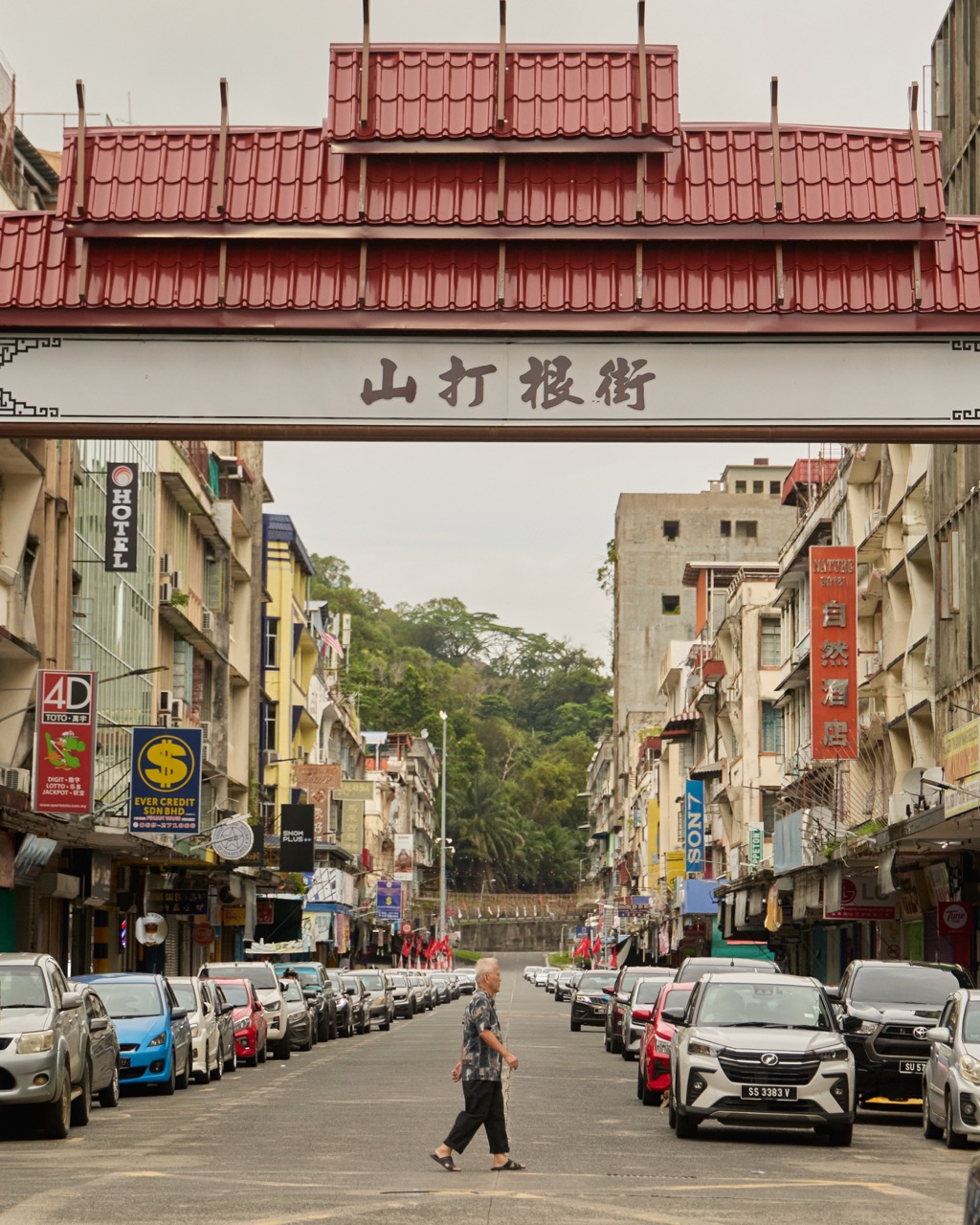
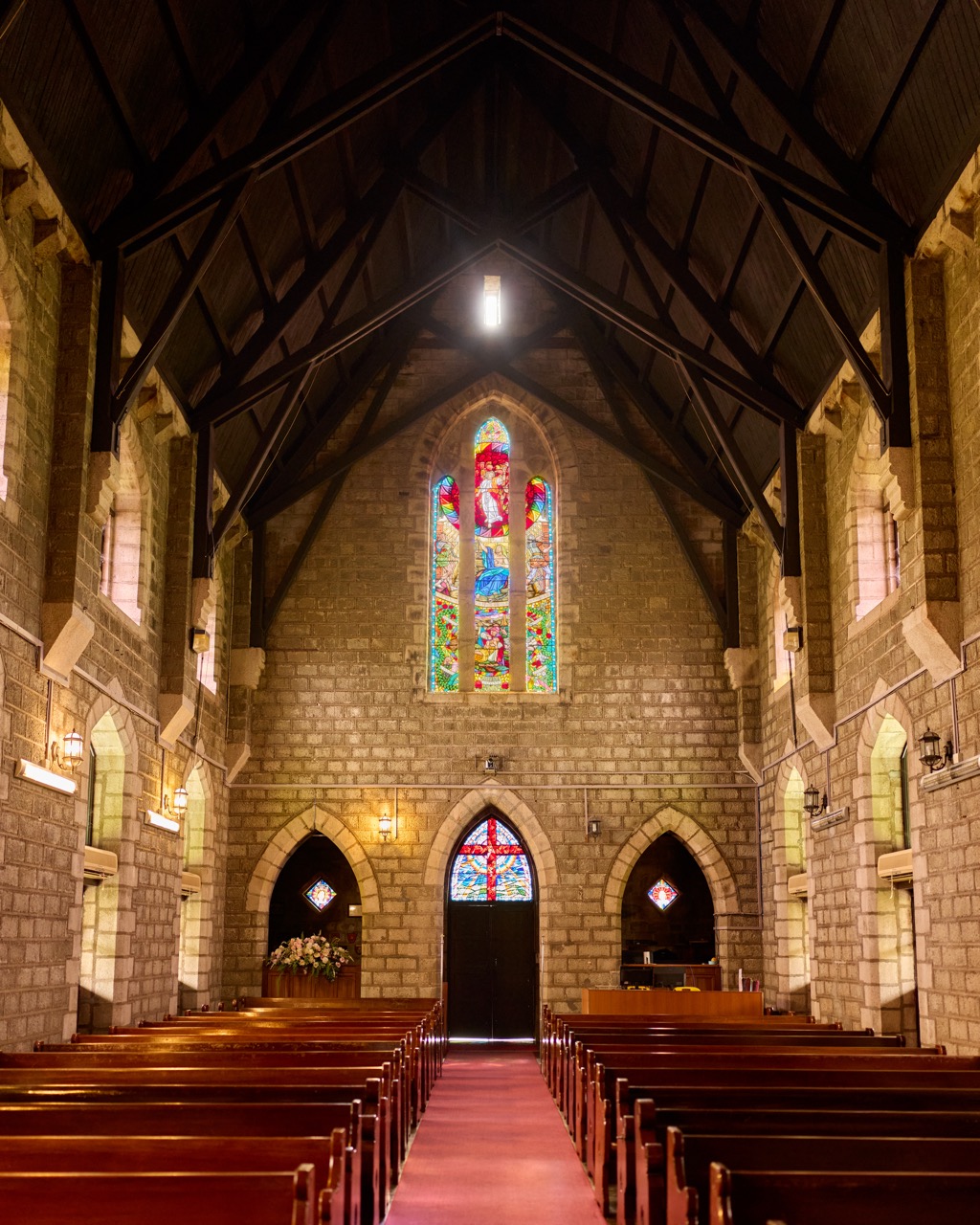
History and nature go hand in hand as the ideal itinerary for Sandakan. A trip to the Sandakan Memorial Park is a must for an eye-opening reminder of the atrocities that befell the state during World War II. The memorial park pays tribute to not only the war heroes and prisoners of war, but also the civilians who helped escapees from the war camps. Other notable spots can be found along the Sandakan Heritage Trail, an hour-long curated walking trail bringing you to spots like the restored Agnes Keith House, St Michael’s and All Angels Church, Sam Sing Kung (Three Saints) Temple, and the Goddess of Mercy Temple. Personally, we advise taking it easy on the trail—Sandakan gets pretty hot and humid during the day, thanks to its coastal location, and you wouldn’t want to get heatstroke.
Once you’re all done with history, make a date with nature. The Sepilok Orangutan Rehabilitation Centre and the Bornean Sun Bear Conservation Centre (BSBCC) are next to each other, giving you a glimpse into the conservation efforts surrounding these endangered animals as well as a glimpse of the cute creatures. Further out of the city, make a trip to the Kinabatangan River and take a river cruise. As you sit back, watch out for the abundance of fauna teeming in and along the river: proboscis monkeys, hornbills, crocodiles, storks, orangutans, and—if you’re really lucky—pygmy elephants.
How to Get Here
Air Asia has three to five flights daily from KLIA Terminal 2 to Sandakan, and the travel time is approximately two hours and 50 minutes. If you’re flying in from Kota Kinabalu, the travel time is approximately 45 to 50 minutes.
More than these experiences, a trip to Sandakan truly opens the eyes of an orang Semenanjung to the different parts of Malaysia that make up our melting pot of cultures. The indigenous people of Sabah are proud of their heritage and readily share it with you, from food to history to cultural practices. The denizens of Sandakan are laid-back, enjoying their slower pace of life and have no qualms about frequenting each other’s eateries, religion notwithstanding. It’s certainly something us here in the Semenanjung can learn from.
This story first appeared in the June/July 2026 issue of GRAZIA Malaysia.
READ MORE