
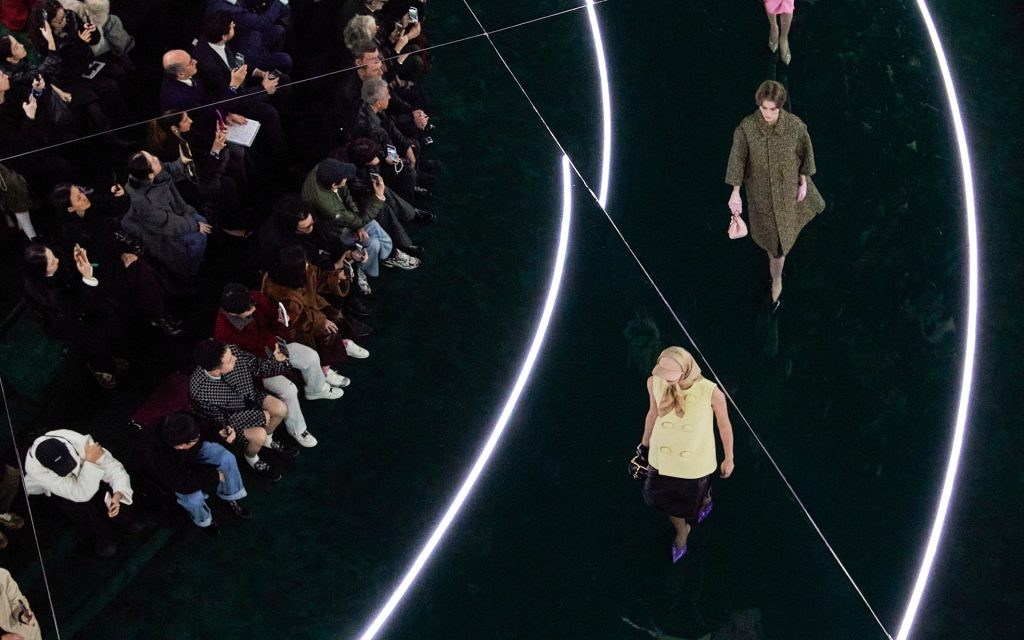
Let’s be blunt: luxury fashion is having an identity crisis—the emperor has no clothes. The bubble is overinflated by speed and speculation, now it is primed to pop. The myth it sold us—of exclusivity, mystery, and timelessness—is collapsing under the weight of its own absurdity.
The media called it “the end of an era” when Matches (update: Matches is now acquired by a new group, Hulcan, and the relaunch is set to happen in 2026) wound down last year. Soon after, Montreal-based Ssense filed for bankruptcy in August, while YOOX Net-a-Porter announced a major restructuring affecting 700 employees globally. Once the future of retail shrinkage, luxury e-commerce is facing a rapid downturn. Albeit short-lived, its heyday was dazzling. One campaign that captured this zenith was the 2017 partnership between Net-a-Porter and Cartier, where online shoppers were given exclusive early access to the Panthère de Cartier watch—priced up to £133,000—a month before it arrived in boutiques, and the first piece sold out in minutes. But in today’s climate, would such a strategy still spark the same frenzy?
A visible slowdown in luxury goods sales and a decline in consumer spending suggest otherwise. Consultancy Bain & Co forecasts a further drop of 2 to 5 per cent this year. This slump is widely seen as a reaction to geopolitical tensions, Trump’s tariffs, and economic uncertainty. As inflation tightens its grip and living costs rise, consumers struggle to stay afloat, hence luxury purchases feel increasingly like pie in the sky. Many brands have resorted to relentless promotions to weather what some are calling a “luxury recession”, but these tactics often backfire, degrading brand image and fueling what critics named the “luxury fatigue.”
Inflation, however, is merely the most visible symptom of a deeper transformation, especially when the big spenders are predominantly the top 1 per cent of the wider population. The perception of luxury has been altered by storms such as the normalisation of dupes and the rise of accessible luxury. External headwinds aside, the self-inflicted wounds are the most critical of all. From favouring volume over craftsmanship to letting social media redefine desire, brands have accelerated their own identity crisis.
Chicken and Egg
Luxury has long been synonymous with high price tags and emotional resonance—a marker of status and taste. But as The Business of Fashion’s (BOF) Imran Amed observes, while luxury has always been expensive, it was once “high, but not out of control.” The data from Union Bank of Switzerland, highlighted by the BOF, reveals that handbag prices have risen far faster than those of jewellery since the 2010s. In response, consumers are turning to jewellery—viewing pieces in gold and gemstones as timeless investments with inherent and lasting value. This shift has propelled jewellery’s market outperformance, proving that tangible value still resonates.
Now, as prices soar without a clear link to quality, the meaning of luxury grows blurry and subjective. In the wake of a pandemic that reshaped values, traditional markers of prestige have lost their lustre. The core tenets—quality, heritage, exclusivity, mystique—have been sacrificed at the altar of hypercapitalism and algorithmic demands. What remains is a hollowed-out simulacrum of luxury, one that alienates both aspirational consumers and core clients.
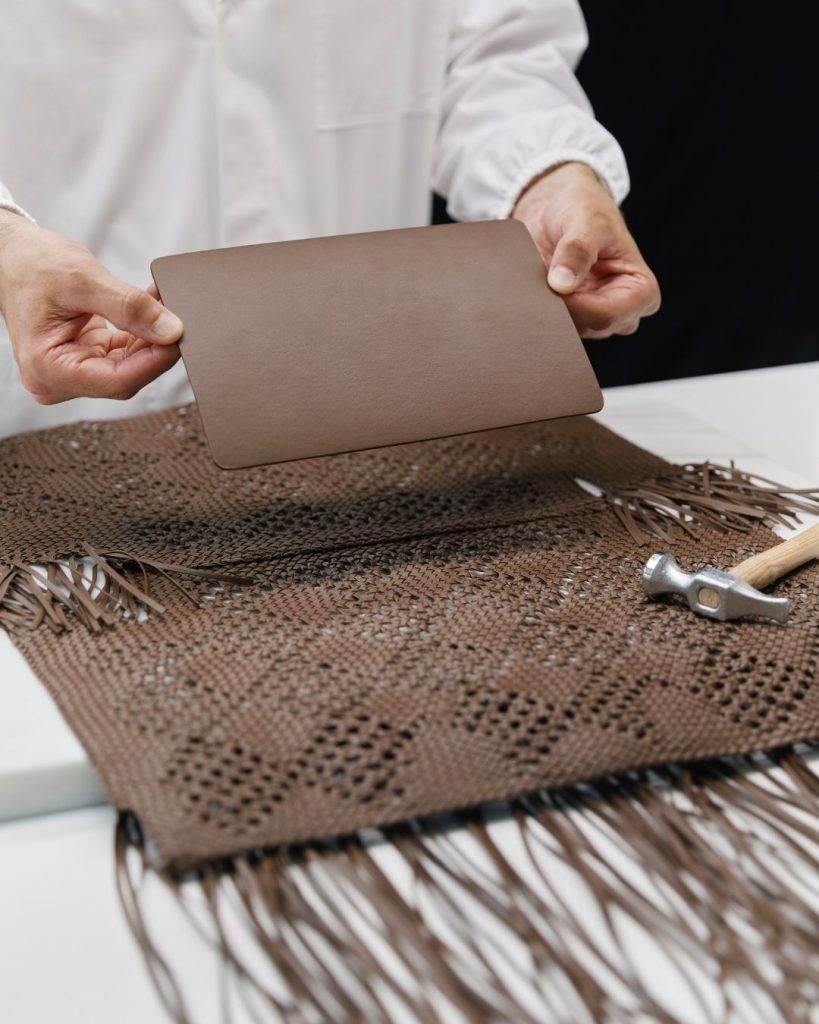
Who, then, is buying the newly launched lipstick priced at more than MYR700 when the allure is fading? This isn’t accidental; many argue that astronomical pricing is a deliberate strategy by conglomerates to narrow their consumer base to the ultra-wealthy. But even that, this approach only works if perceived value aligns with premium quality—a rarity in today’s market. From downgraded leather and faulty stitching to gold-toned substitutes for 24k gold hardware, luxury’s decline in quality is palpable—all while the prices continue to skyrocket.
There was a time when luxury products were crafted in small batches by skilled artisans in ateliers, embodying top-tier quality. The journey to acquire such items—through travel or dedicated research—was part of their magic. Today, e-commerce convenience and heightened accessibility have forced brands onto the production treadmill, churning out volumes that compromise craftsmanship. What’s more, a hundred-thousand-dollar bag can be bought online and reach our doorstep in a fortnight at the very most. Luxury, in most cases, becomes mass-market in everything but name.
The shift of consumer behaviour is only the tip of the iceberg. At the heart of this quality declination is a fundamental conflict between creative vision and commercial strategy. It is, after all, a chicken-and-egg problem. Luxury conglomerates flood the market with brand merchandise—for some brands, this is the cash cow. Executed in the name of being more accessible, merchandise such as logo T-shirts bear little to no connection to the artistry displayed on the seasonal runways. Granted, this is not a novelty in luxury, as diffusion lines have always been a business model that luxury brands have adopted to offer lower entry points. The brand identity crisis, however, occurs when the brand merchandise is lost in translation—they were made solely for the sake of sales. The production model is shifted, decisions were made in the factories, not ateliers; driven by trends, not creative intent. Eventually, the dilution of brand meaning leaves consumers questioning what these labels truly stand for—or at the very least, how they differ from a high street brand.
Social media natives
The fashion industry’s dramatic transformation over the past decade has been fueled by the meteoric rise of influencer marketing. What started as an organic approach of sharing on blogs has evolved into a multi-billion-dollar engine that reshaped how brands connect with audiences. In 2024, social media became the world’s largest advertising channel, and much of it is influencer-driven. This shift offered a new relatability, where “lay people” showcased fashion in real-life settings, offering styling advice like a personal shopper, and helping the audience to visualise garments beyond sample-size imagery. Followers began viewing influencers as trusted friends rather than corporate entities, making their endorsements more credible than polished, scripted ad campaigns on the lightboxes. For brands—especially niche or emerging brands that are underfunded and understaffed—this was a golden opportunity. The growth of micro- and nano-influencers, too, provided cost-effective reach and authentic engagement as compared to exorbitant celebrity endorsements.
But as the digital sphere grew saturated and commercialised, authenticity waned. Followers are more sceptical, whereas influencers become less authoritative. Luxury devolved into mere content—unboxed, reviewed, compared, and discarded at lightning speed. The magic of luxury depends on mystique, but when it appears en masse on feeds, its allure fizzles out. The focus shifts to performance over product; they are disposable content, and that contradicts the notion of timelessness honoured by luxury brands. Similarly, the experience that the luxury brand can offer, fashion weeks, exclusive previews or galas, has also been demystified through social coverages or a five-minute vlog, stripping away the fantasy that once made them desirable.
Time Bomb
The use of credit cards has long been associated with luxury spending, offering accessibility to a degree; but Buy Now, Pay Later (BNPL) has rewritten the rules entirely. The mechanism introduced an even lower financial threshold that ultimately altered consumer purchasing psychology. By breaking down eye-watering sums into manageable interest-free instalments, BNPL platforms lure a younger, digital-first demographic who are eager to partake in luxury culture without upfront or immediate liquidity. Reports show over half of BNPL users are under 35—a cohort wrestling with inflation and economic uncertainty, yet tempted by the illusion of affordable exclusivity.
The payment flexibility is a powerful sales driver, and luxury houses have been quick to capitalise it. While Gucci launched its in-house service Affirm, others partnered with third-party providers like Klarna or Atome. For brands, BNPL isn’t just a convenience—it’s a strategy to preserve prestige without overt discounting. But there’s a catch: BNPL dilutes exclusivity. The ease of deferred payment encourages impulse buys and overconsumption, undermining the deliberate curation and meaningfulness that defined luxury for generations. A purchase that once felt momentous—a reward for milestones—is now as weightless as a fast-fashion transaction. The gravity of the purchase is diminished.
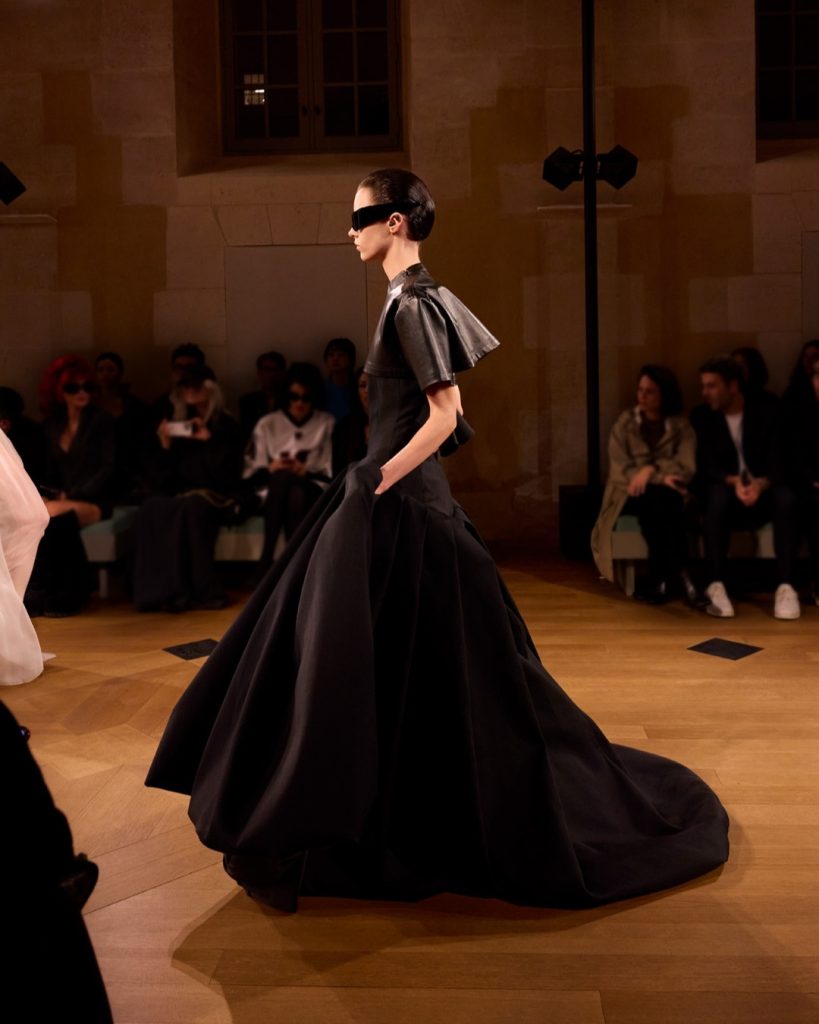
When BNPL couples with the See Now, Buy Now (SNBN) model—adopted by brands like Balenciaga—the concept of luxury fractures. The six-month anticipation between runway and retail once built mystery, desire and buzz, filtered through editors and critics. Today, SNBN turns collections into instant transactions, replacing delayed gratification with immediacy. Shows end not with applause or a write-up by fashion critics but with a push to “Add to Cart.” When immediacy becomes the new exclusivity, the need for luxury becomes questionable. Luxury has become, as Anna Wintour mused in a recent interview with The New Yorker, “I don’t really even know what that word means. It’s so overused. I think it’s lost its heart.”
Crème de la Crème
Luxury, by its very nature, is elitist. Any attempt to make it accessible—whether through affordable entry points or mass production to satiate a demand that will always outstrip supply—is a risk that dilutes the essence that makes it desirable. This does not mean excluding the non-targeted audiences—democratisation can coexist with exclusivity. As designer Jonathan Anderson reflected in The New Yorker, luxury, like art, can be appreciated deeply even without ownership. “We can still get enjoyment from it and have an emotional reaction to it, even though I cannot buy it.”
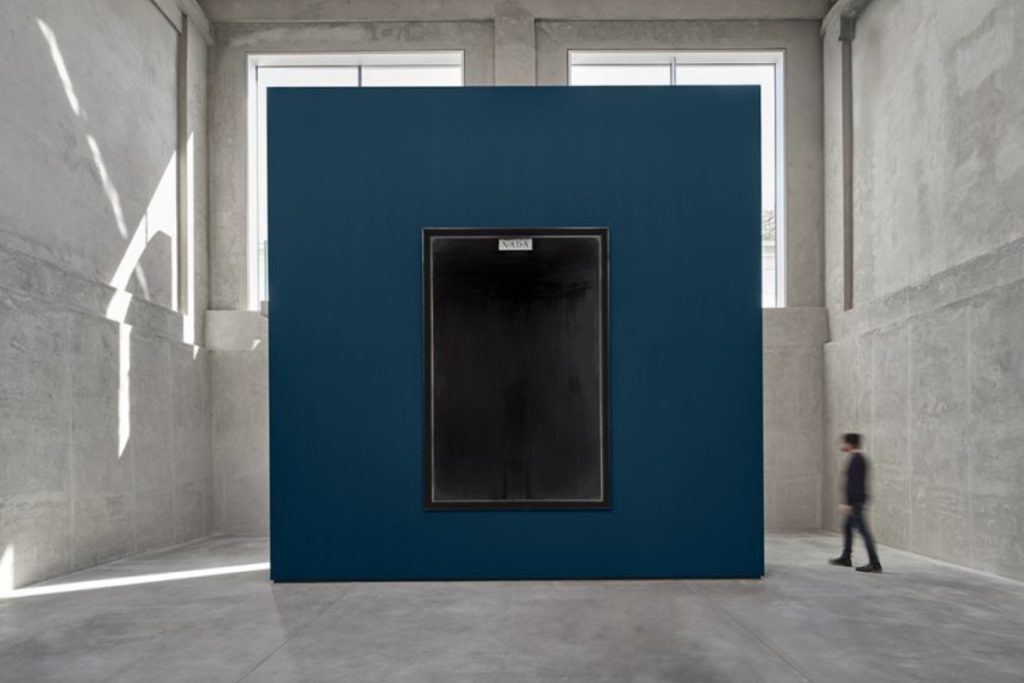
This philosophy is embodied in how luxury brands expand their influence beyond products and into public spaces. Take Fondazione Prada, for instance—an art and cultural institution designed by Rem Koolhaas—reflects Miuccia Prada’s ethos and invites the public into the brand’s universe without requiring a purchase. The Italian house is not alone, as an increasing number of houses are placing their bets in immersive experiences, from cafés to fine dining restaurants, utilising their roles as a tastemaker to forge emotional connections with new audiences through taste and ambience. Elsewhere, fashion houses like Saint Laurent have also ventured into film production, where the brand’s house codes can now also be relished through the silver screen.
When it comes to the core of luxury, quality remains non-negotiable. Hermès stands as the ultimate testament to this. While LVMH reported a 2% dip in the first quarter of 2025, Hermès charted a robust 8% growth. The defining factor lies in its unwavering commitment to ultra-luxury positioning—tight control over production, and a refusal to participate in trends or viral moments. Instead, the French maison focuses on craftsmanship and legacy, appealing to a discerning clientele while staying culturally relevant with pan-out marketing strategies. Collaborations with animators like Annie Choi welcomed younger audiences while localised events such as the Kite Festival featuring Malaysian musician Alena Murang enriched the brand’s narrative—putting artisanship on a pedestal—without diluting its essence.
There are countless avenues for luxury brands to engage that will resonate with aspirational consumers—but each must be navigated with care. From image-building to supply chain management, every touchpoint must safeguard the elusive allure of a luxury brand. To reignite desire for luxury consumption in a sceptical world accoutre with high awareness—on environmental concerns, public health, and ethical considerations—luxury houses may need to recalibrate—or even reset—in setting their priorities straight while building not just any legacy, but a resilient one that stays true to the weight “luxury” carries.
This story first appeared on the GRAZIA Malaysia October 2025 print issue.
READ MORE
These Egyptian Brands Took Over The Emily In Paris Closet In Season 5
Bag of the Week: Valentino Garavani DeVain Bag
Demna Revisits Gucci’s Most Iconic Chapters For Pre-Fall 2026