
As one of the world’s major textile and garment exporters, Vietnam has emerged with a powerful voice in fashion. The “Made in Vietnam” label—once a stamp of mass production—has recently become a creativity sanctuary for independent fashion designers. The bustling lanes of Ho Chi Minh City have become a gripping stage for fashion, where foreign shoppers now travel to visit. It is now, proudly, becoming a creative hub that rivals any in Southeast Asia.
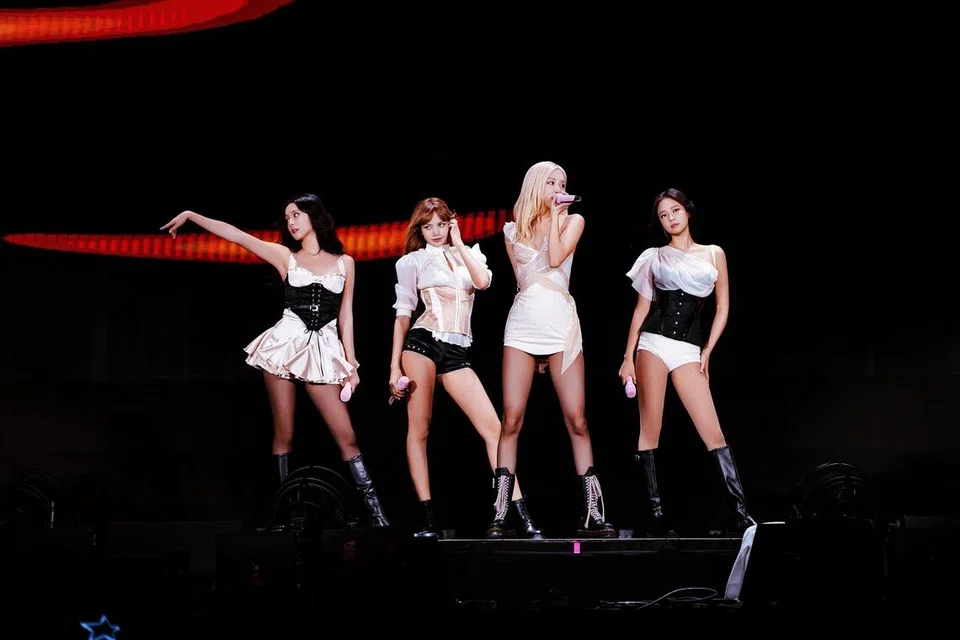
This new identity is being amplified on some of pop culture’s most coveted stages. Brands like Fancì Club and LSOUL infused their fiery identity in seams and silhouettes. Their designs—a harmonious blend of ardent local youth culture and strong femininity—have now become a fixture on the K-pop stage. The Blackpink members, for example, wore custom-made LSOUL pieces for their “Deadline” World Tour. These Vietnamese names have also gained popularity in the global market, where celebrities such as Adele stunned the crowd at one of her concerts in 2024 with a sparkling gown designed by Cong Tri.
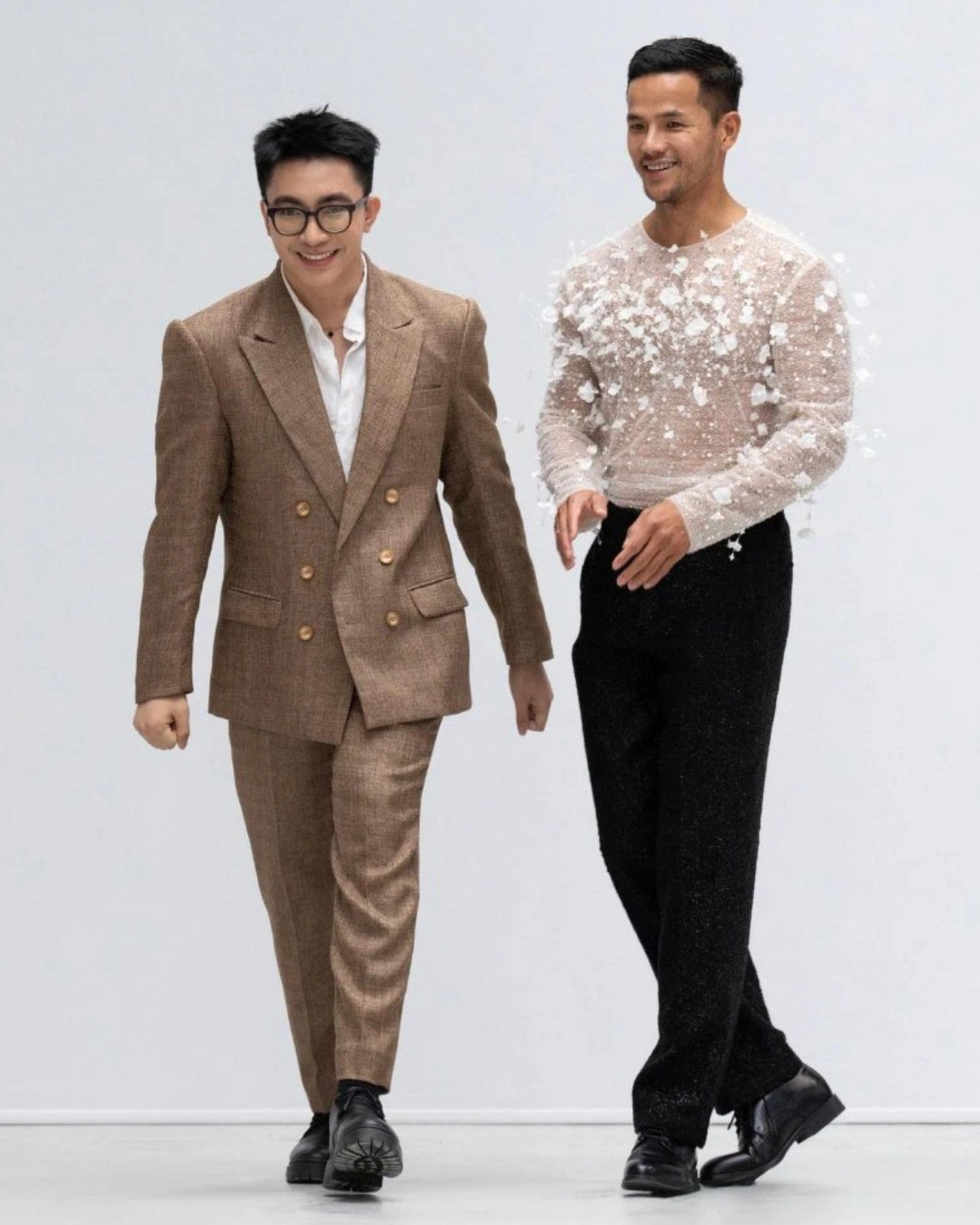
The crescendo of this movement finds its recognition and far-reaching influence in the high fashion realm. The invitation of Phan Huy to Paris Haute Couture Week as the youngest and first Vietnamese designer honoured by the Fédération de la Haute Couture marked a definitive milestone. Meanwhile, the diaspora has been weaving its own impactful verse, from Peter Do‘s achievement with his eponymous brand to Linh Tran, whose essential role as co-artistic director at Lemaire shapes minimalist elegance worldwide and has become a cult favourite with its modular approach. Author Ocean Vuong, too, lent his pen, collaborating on the narrative for Helmut Lang’s Spring 2024 collection, proving that Vietnamese creativity is an unstoppable tide across all arts.
From these fertile grounds, a lush garden of talent continues to blossom, each designer a flowering prospect. The story is still being written, stitch by stitch.
Fancì Club
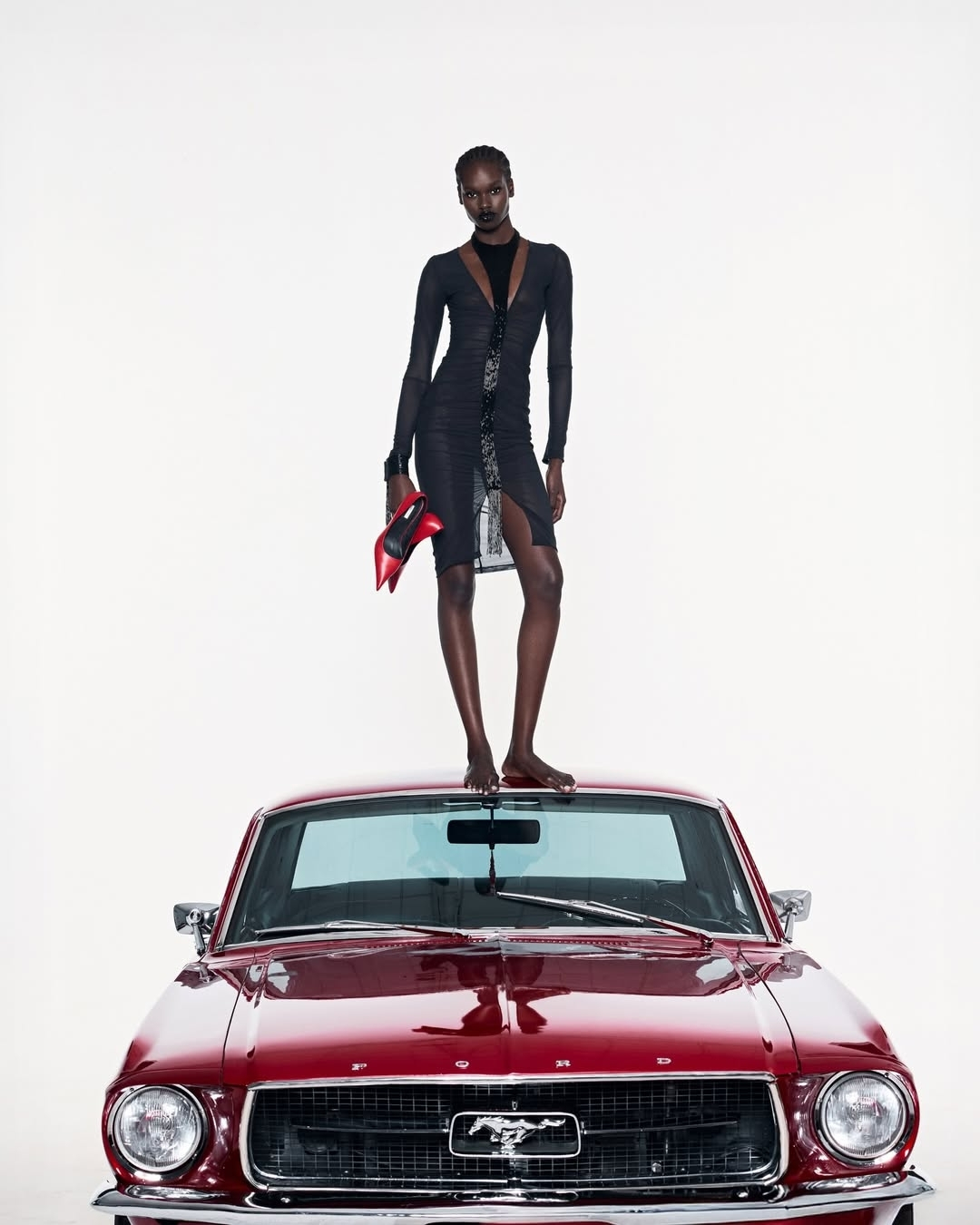
From running a secondhand store to dressing an extensive list of celebrities, Fancì Club has carved a remarkable path. The brand became a favourite among fashion bellwethers like Hailey Bieber, Dua Lipa, Davikah, and Anok Yai. The influence of Fancì Club is extended to the stage, with Blackpink members like Jennie wearing the designs for their onstage performances. And before the year wraps up, Lisa was also seen wearing a custom look that is unmistakably “fancì” for the festive celebration.
Founded by designer Duy Tran in 2018, the brand has been knocking it out of the park while remaining firmly grounded in its homeland, with all the magic happening within the walls of its first brick-and-mortar store located in vibrant Ho Chi Minh City. The brightly lit space—adorned with black furniture and reflective elements—has become a pit stop for tourists and fashion enthusiasts eager to lay their hands on these pieces.
From the Fall/Winter 2024 collection named “Roaring” to the latest “Renaked” for Spring/Summer 2026, Fancì Club’s designs are deeply intertwined with youth culture in Vietnam. The brand’s meteoric rise has created a window for the world to peek into the dynamic younger generation of Saigon.
LSOUL
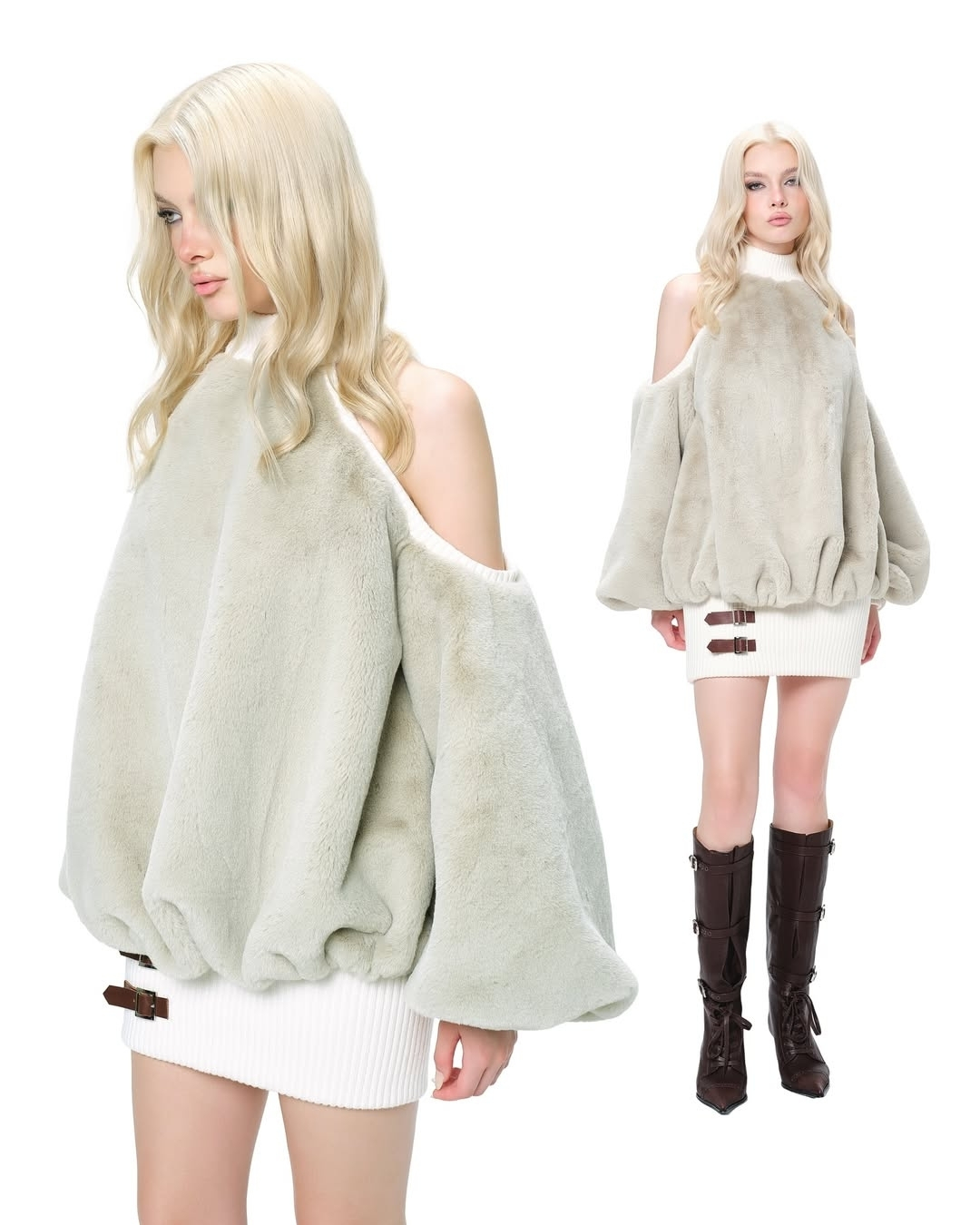
At LSOUL, romanticism is reframed through an edgy lens. Much like the spirit of its homeland, the brand’s designs serve as a tribute to Vietnam’s beauty tempered with tenacity. It crafts a world where fragile lace, satin roses, and sheer drapes are put side by side with boning, sculpted seams, and bold silhouettes, presenting femininity as a form of tenderness that is equally impactful.
Founded by Nguyễn Trọng Lâm, LSOUL began not as a design house but as a curated store following the designer’s earlier ventures in menswear. This foundational chapter honed an acute understanding of the market’s desires, paving the way for a pivotal evolution in 2022. It was then that LSOUL became a full-fledged label, shifting from curation to creation.
This refined vision quickly resonated beyond borders, dressing an international cadre of style icons such as Katy Perry, Ling Ling Kwong, and K-pop luminaries including CL, I-DLE’s Miyeon, and more. LSoul’s decisive moment arrived at the Shanghai Fashion Week for Fall/Winter 2025, where its debut showcase marked a stunning breakthrough. As the final look graced the runway, the roaring applause signified more than a successful show—it heralded LSOUL as a compelling new voice from Ho Chi Minh City, one that is weighted with indisputable influence.
Gia Studios
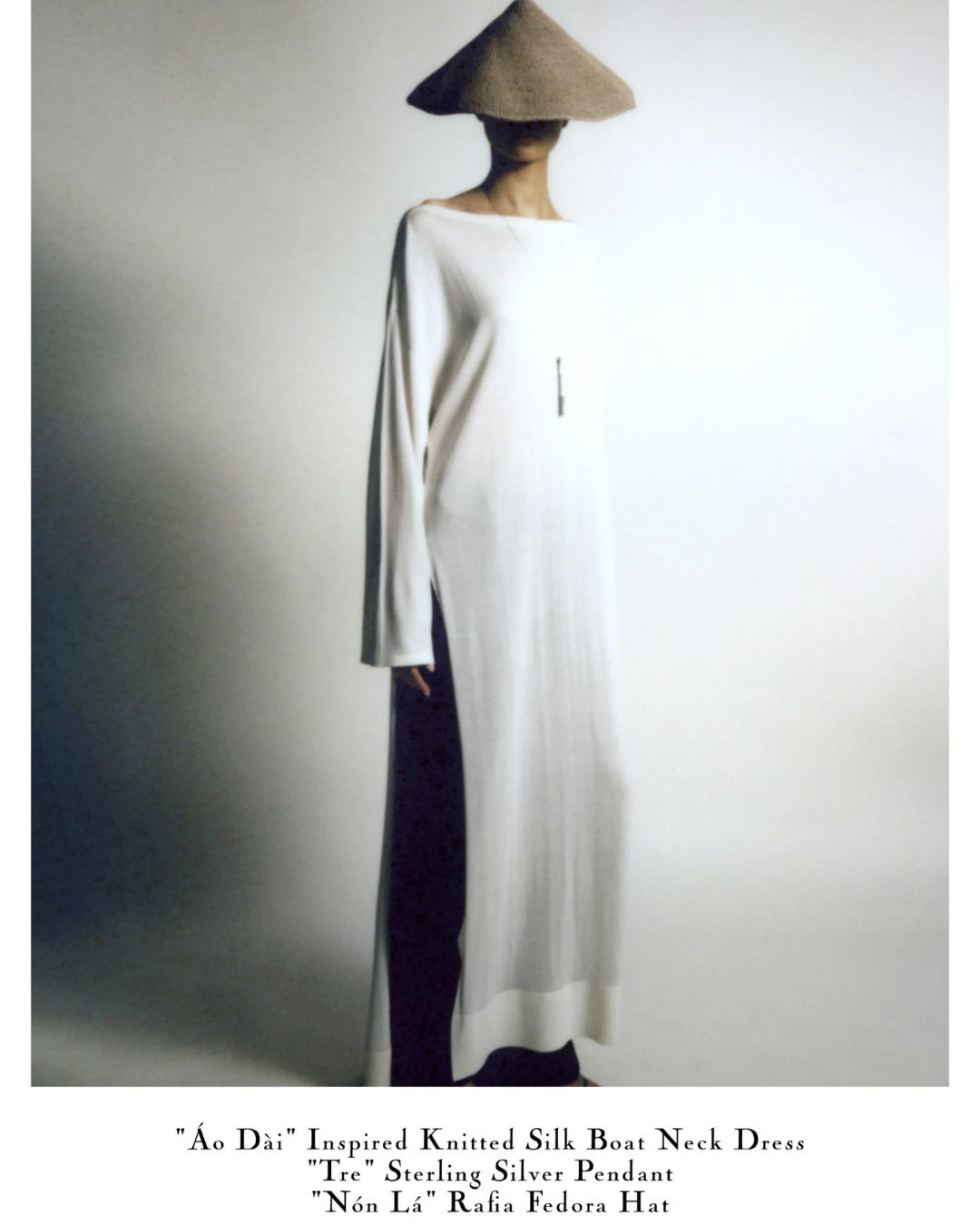
For those who cherish traditional fashion as much as the nuances of the contemporary, Gia Studios, founded in 2018 by designer Lâm Gia Khang, is a revelation. The name itself holds a dual poetry: “Gia” is the founder’s middle name, yet in Vietnamese, it resonates with the deeper meaning of “family” and “belonging”. For the fourth-generation garment maker, Gia Studios means more than a design language. Surrounded by threads, fabric, and clothesmaking, his craft is an inherited heirloom, a family affair that is laced into every seam.
Growing up with a family of tailors granted Lâm an early education in construction and fashion design. It instilled in him a profound appreciation for traditional techniques and garments that existed before Western influences reshaped the landscape. While many came to know him through Project Runway Vietnam 2013, our admiration began later, in a frenzied showroom at Shanghai Fashion Week. There, his vision became tangible: the graceful Áo dài was transformed into a knitted dress with a plunging neckline, and the Nón lá conical hat was reimagined as a fedora. In his hands, tradition is not preserved as a relic but translated into a new dialect.
With a palette of earth-toned neutrals, Gia Studios endorses the language of simplicity, but the designs are anything but monotonous. Cultural touchstones are woven into silhouettes that speak to women from all walks of life. After all, who could resist the allure of thoughtful pieces, especially when they are rendered in top-notch materials like Vietnamese silk?
Latui Atelier
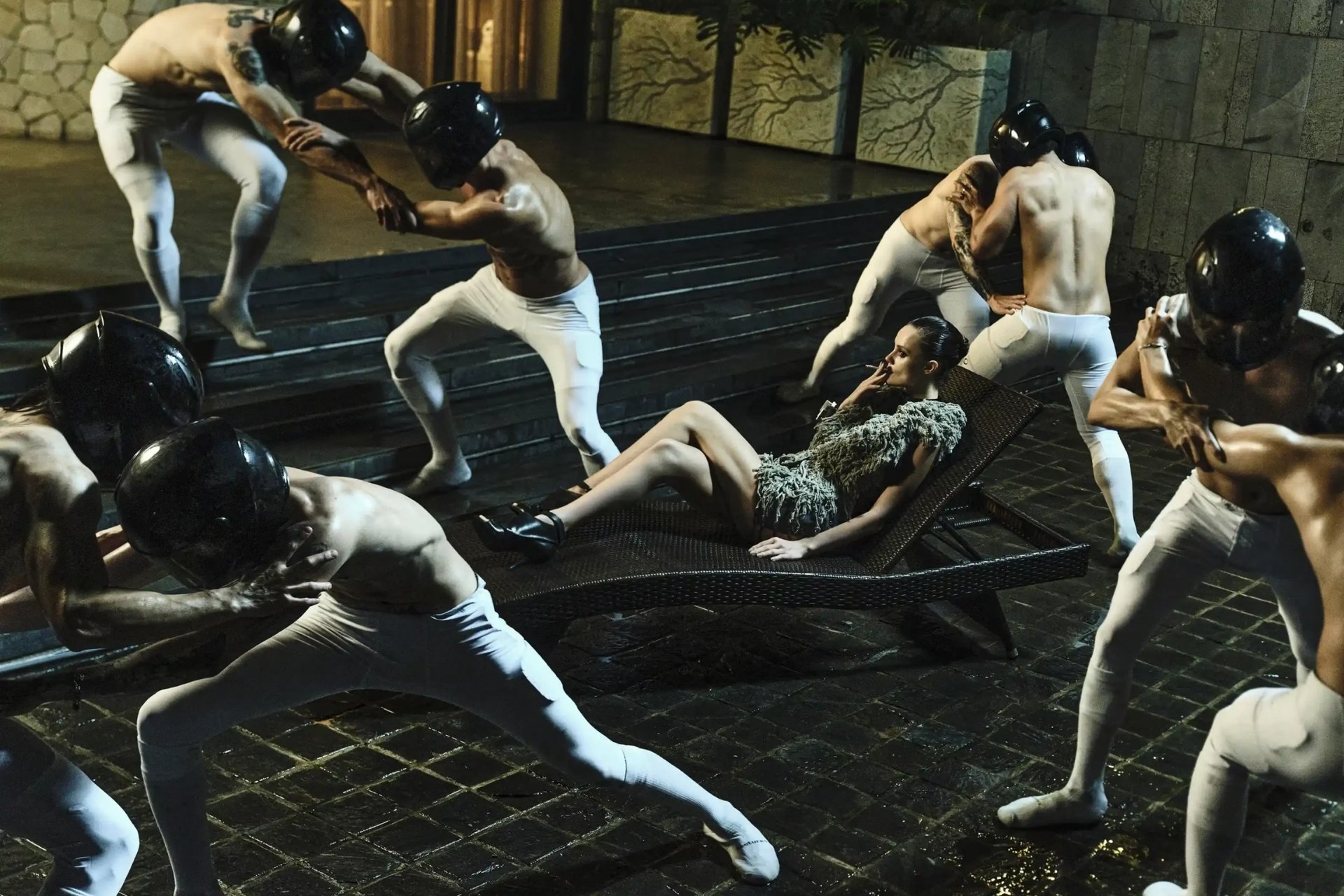
Latui Atelier emerges from the Vietnamese creative scene not just as a fashion label but also as a manifesto for a raw and punk-inflected romance, worn on the sleeve—or rather, torn from it. Founded on the principle of exploring the imperfection and complexity of beings, Latui’s designs thrive in the electric space between street, stage, and loud rebellion. This magnetic energy has made it a go-to for global performers, from Blackpink’s Rosé, J Balvin, and Billkin to also the members from Cortis and Daniela from Katseye. What makes these pieces wearable both on and off stage lies in their designs that speak through the utilitarian elements, often existing with an unexpected slash through leather, lace, and, of course, defiance.
This creative direction finds its purest expression in collections such as the Tui 11, titled “Shameless: Archive of the Self”. Here, the brand’s ethos crystallises into uniforms for this community. Key pieces, such as heavy leather, distressed fabrics that pile, or ankle-grazing dresses, are crafted with intentionally frayed edges and torn seams; every piece is emotionally charged as it is visually striking.
What truly distinguishes Latui Atelier is its deep-seated understanding that revolutionary fashion requires an equally revolutionary community. More than garments, its campaigns are subculture excavations, tapping into a vibrant ecosystem of local photographers, models, and artists to create visuals that capture the complexity, layered emotions, and vibrant underground energy that belongs to, and only to, the Vietnamese. In doing so, Latui Atelier cultivates its own following, a collective heartbeat for those with similar preferences.
Aah Midnight Club
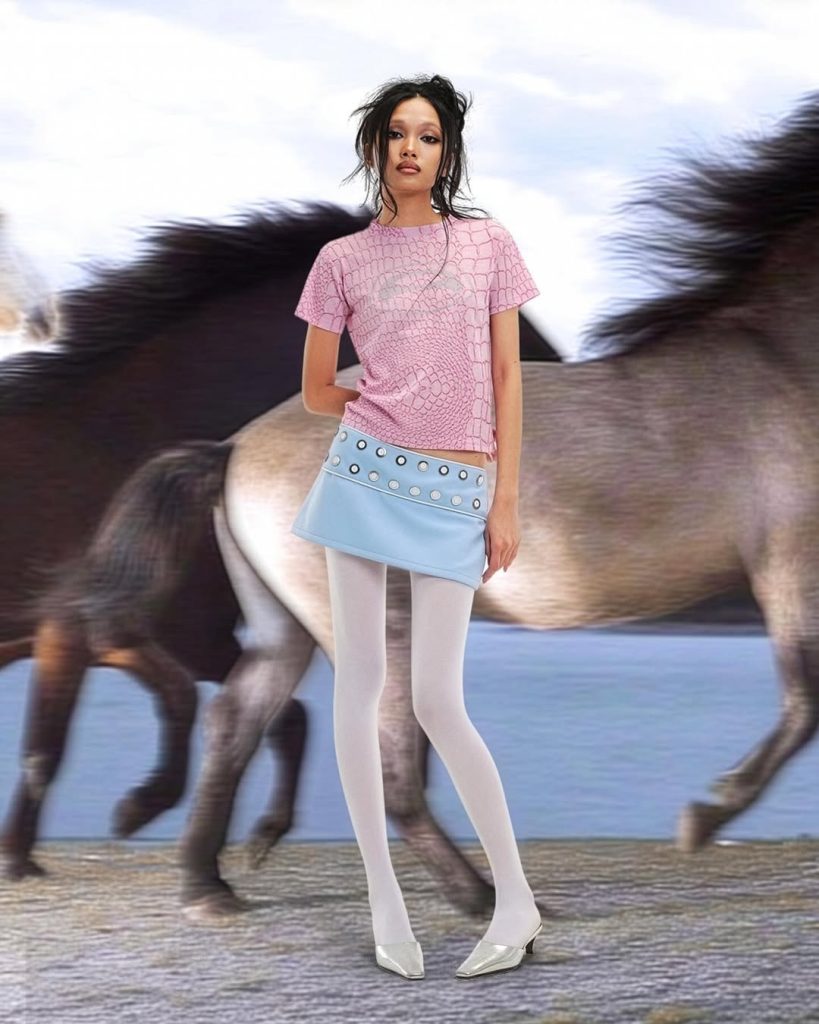
As the name suggests, Aah Midnight Club operates like a nocturnal gathering for the like-minded, a conceptual space where subcultures converge under the cover of night. Founded by Bin Pos, the label draws inspiration from a rich tapestry of street cultures, music, and cinematic aesthetics. Each collection functions as an open invitation, offering a lineup that serves as an insider code for those who find resonance between the after-six life and the raw authenticity of street style.
The brand’s genius lies in its strategic balance, navigating between edgy designer pieces and statement-driven merchandise. It acknowledges and leverages the demand for brand-centric identity among younger audiences, where a well-crafted slogan tee is both a fashion staple and a token of belonging.
Despite its moniker as “The Hidden Store”, Aah Midnight Club captured the attention of the new-gen fashion disruptors. K-pop idols like James and Juhoon of Cortis—celebrated for their spunky, punk-tinged styles—have been turning heads wearing the brand. What truly sets Aah Midnight Club apart is how it finds its way back to the root of fashion, a foundational commitment to wearability. It demystifies its subcultural references to create pieces that feel accessible, whether one is deep within the inner circle or simply seeking a touch of that rebellious spirit, fully living up to the inclusive ideology at the heart of a true streetwear label.
READ MORE
Duy Tran On Putting His Label, FANCì CLUB On The Fashion Map
Phan Huy Becomes The Youngest Designer Ever To Present At Haute Couture Week
Wear Your ‘It Book’ on Your Bag—Why The Coach Book Charm Is The New Accessory Everyone Wants