
Thread Talk is a series venturing into a designer’s inner workings and thoughts. Today, we have Bach Cao Cuong, the founder and creative lead of WHITE ANT, a Vietnamese brand that pioneered sustainable fashion and captured global attention with its immaculate craftsmanship.
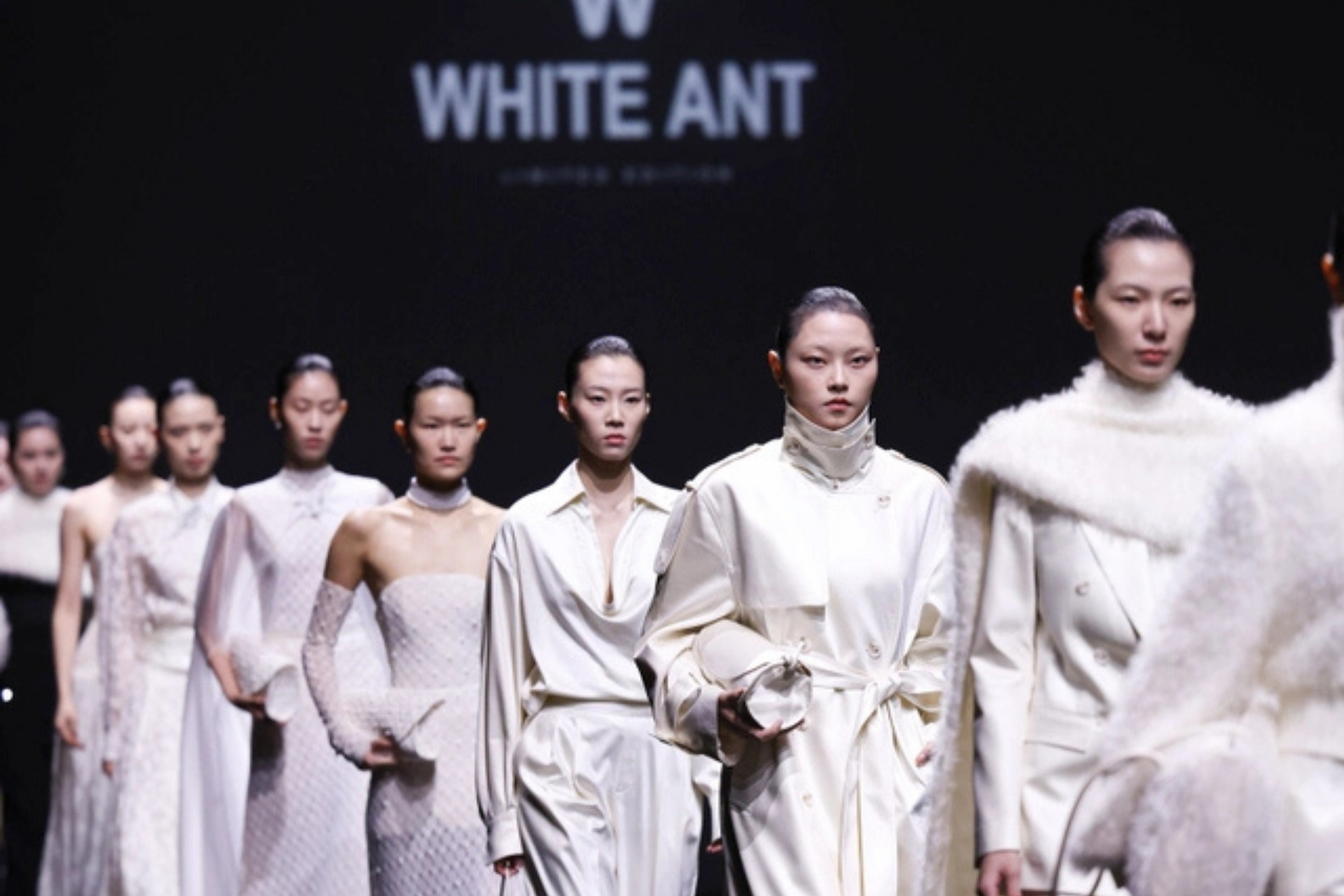
Unless you’ve been living off-grid, you’ll have clocked the fashion crowd’s swelling crush on Vietnam—Ho Chi Minh City and Hanoi have become fashion hotspots while the homegrown brands ride the crest. Amongst them, WHITE ANT caught our attention for its devotion to craftsmanship and a sustainability ethos.
Having recently ticked off Shanghai Fashion Week and currently hosting a pop-up with Le Bon Août at Bangsar Village 2 (until the 17th September 2026), the founder Bach Cao Cuong is adamant that Vietnamese fashion—and Southeast Asian fashion writ large—is turning a pivotal page in the history of fashion. “Every country [in this region] has its own cultural heritage, aesthetics and craftsmanship, yet we share a deep appreciation for natural materials, artisanal techniques and the stories behind what we create,” he shares.
As the brand continues to make its mark and transcend borders, the designer confesses: “My greatest ambition is to share a modern perspective of Vietnamese fashion with the world—one that is confident in its cultural identity while naturally engaging in the global conversation.”
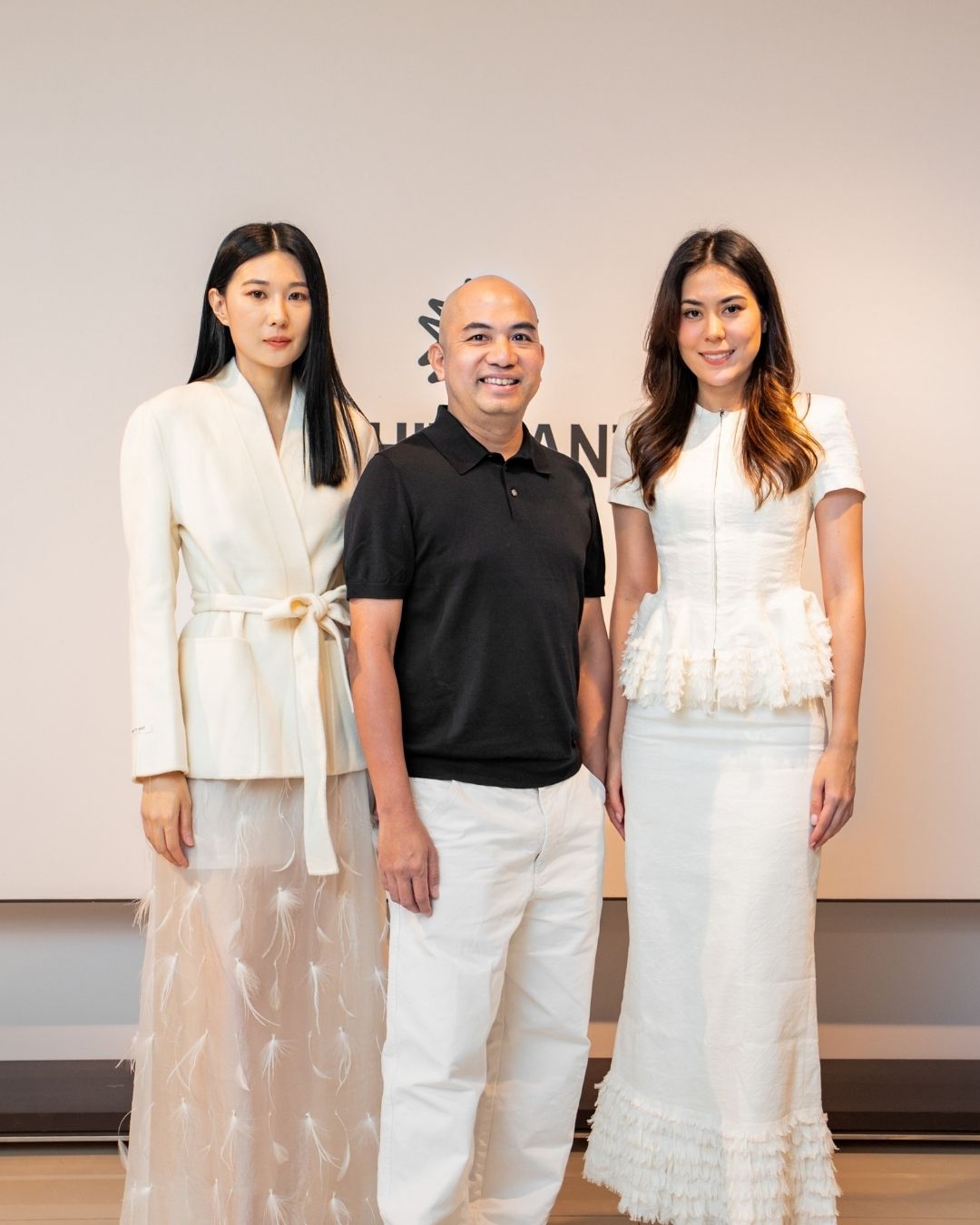
How would you describe WHITE ANT?
WHITE ANT is a Vietnamese contemporary womenswear brand founded in 2006, built on the belief that true elegance need not be loud. From the beginning, we have chosen to express ourselves through restraint—clean silhouettes, balanced proportions and thoughtful tailoring—allowing each garment to reveal its character through craftsmanship rather than decorative elements.
At the heart of WHITE ANT is a continuous dialogue between structure and softness, discipline and freedom. We design clothes that empower women not by transforming who they are, but by allowing their individuality to emerge naturally.
Sustainability is equally fundamental to our approach. It is reflected not only in our choice of materials or production, but in our commitment to designing pieces with lasting relevance. We hope to present a contemporary perspective on Vietnamese fashion: refined, understated and deeply rooted in authenticity.
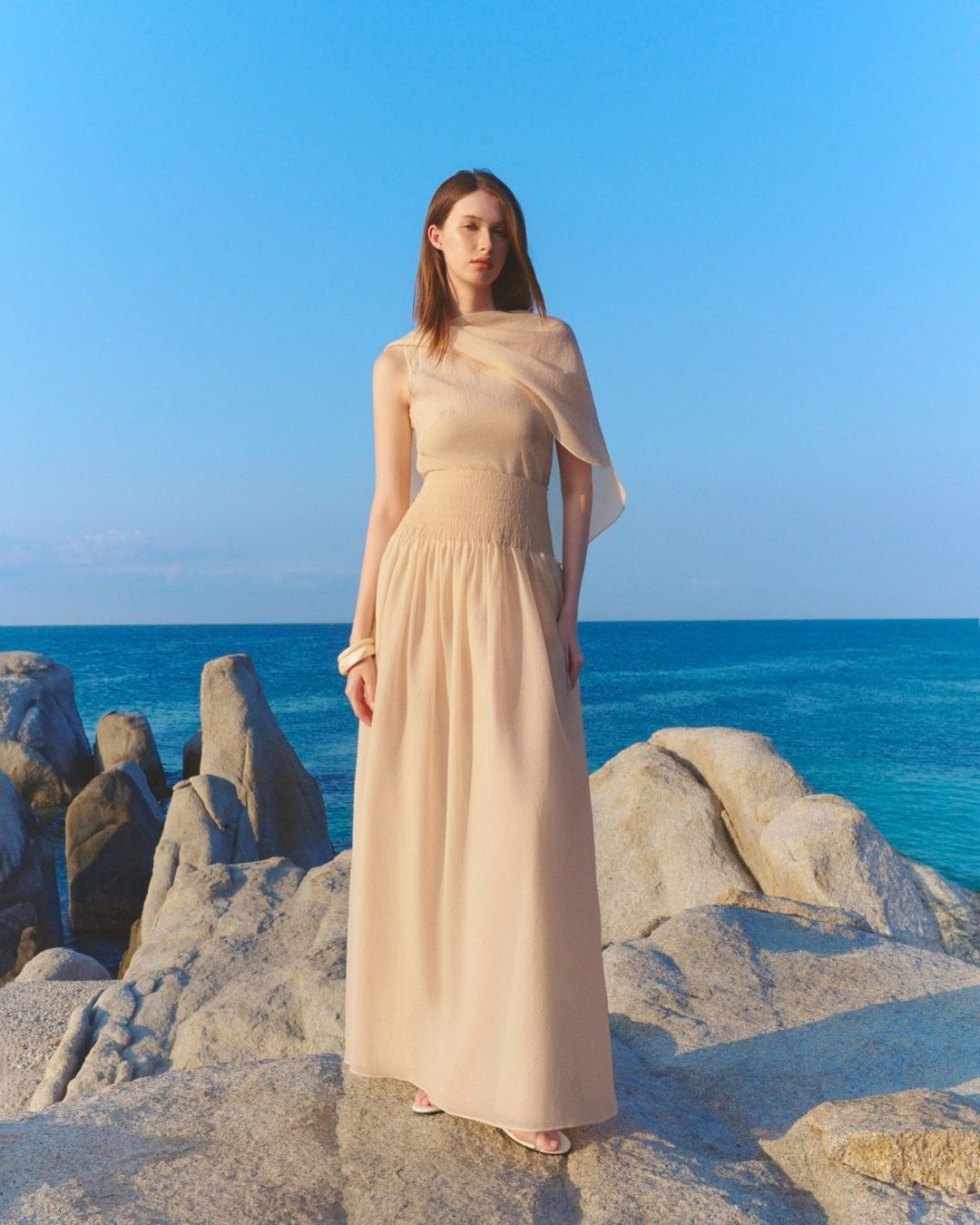
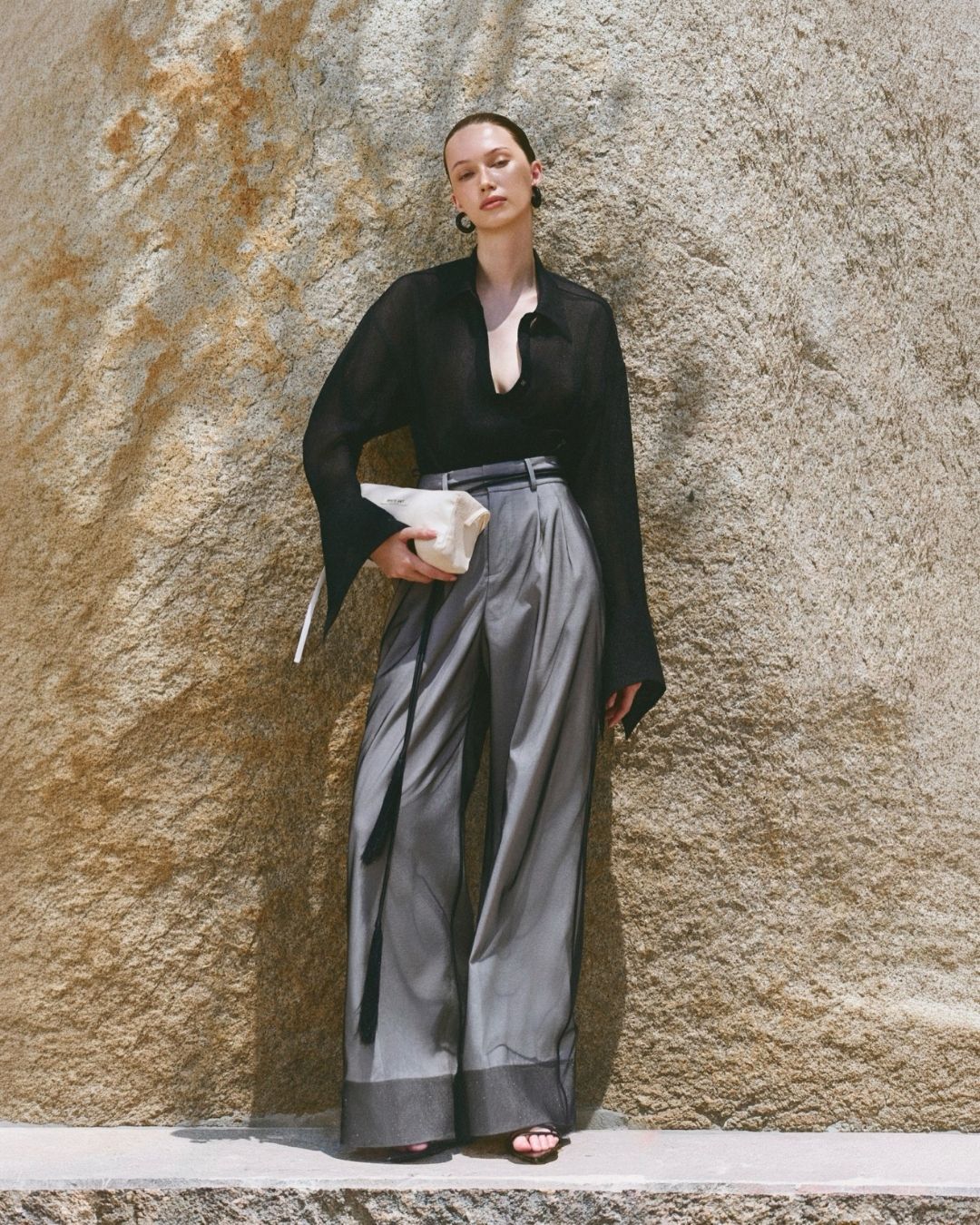
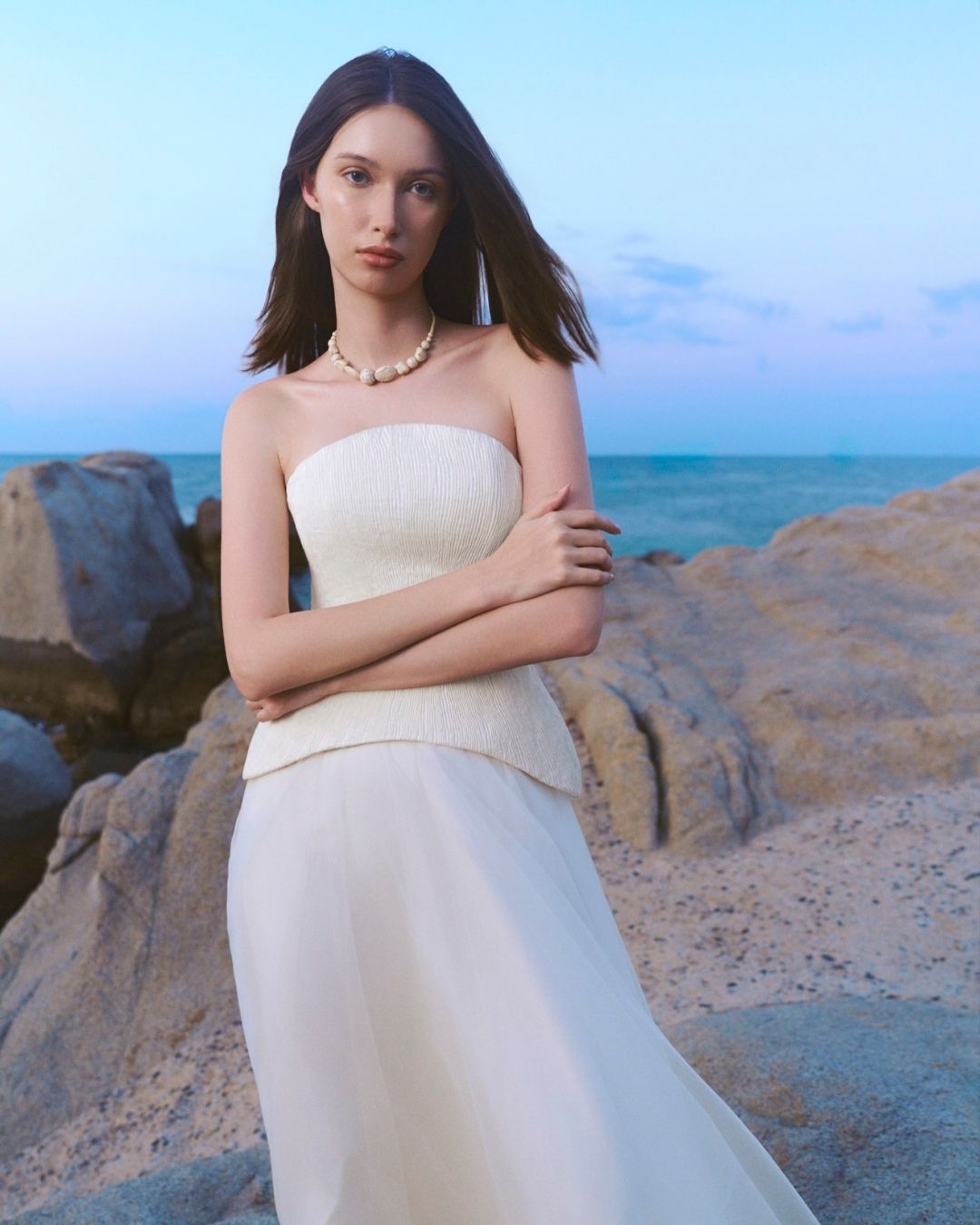
Tell us more about the SPEED GALLOP RESORT ’26 collection.
Every collection begins with a question. This time around, the question was: What if movement wasn’t about going faster, but about moving in your own rhythm?
We live in a world that constantly encourages us to do more and move faster, so I wanted this collection to express a different perspective: that confidence comes from understanding yourself and moving at a pace that feels true to who you are. Through precise tailoring, fluid silhouettes, natural materials and handcrafted details, the collection is our way of celebrating confidence, freedom and the beauty of living authentically.
Why is the collection an ideal choice to accompany the brand’s official entry into the Malaysian retail market?
I believe this collection represents who WHITE ANT is today, reflecting our philosophy through refined tailoring, natural materials and thoughtful craftsmanship, while carrying a universal message—”Move In Your Own Rhythm.”
As we enter Malaysia, we are not simply introducing a new collection. We want to introduce the values that shaped WHITE ANT for nearly two decades. I believe these values—authenticity, timeless design and respect for craftsmanship—can resonate across cultures.
You mentioned sustainability as a fundamental for the brand; what specific efforts have been made in this regard?
For me, sustainability is not a destination but a continuous journey of learning, evolving and staying committed. There is no single formula for becoming a truly sustainable brand. What matters is our willingness to make more responsible choices every day.
Natural materials are the foundation of our approach. We use fabrics such as linen, Tencel, modal and organic cotton because we believe every responsible design begins with a thoughtful choice of material. And it also goes beyond that. Timeless designs, for example, can be worn and treasured for years. We also continue to adopt more responsible production practices, including made-to-order pieces where appropriate, to minimise unnecessary waste.
Ultimately, sustainability is not defined by one initiative, but by hundreds of small decisions made consistently—from material selection and design to craftsmanship and production. It is not a marketing buzzword, but a long-term commitment that shaped the brand and will continue to guide us. That has been our philosophy from the very beginning: that fashion should not be only about creating beautiful garments, but also benefit people, communities and the environment.
What challenges has your team encountered on this sustainable journey? What change do you wish to bring to the fashion industry?
One of the greatest challenges is that sustainability requires patience, while the fashion industry often rewards speed. Choosing better materials, preserving craftsmanship and producing more responsibly all require greater investment of time, expertise and resources. Today, around 80% of our materials are sourced from leading textile mills in Japan and South Korea. These fabrics offer exceptional quality and longevity, but they also make every collection significantly more expensive to produce. Even so, we never want to compromise. If we truly believe in it, we must be willing to invest in it first.
What I hope to change is not simply the way garments are made, but the way it is valued. I hope more people will choose clothing not only because it is new, but because it is meaningful, well-made, and made to last. When that mindset changes, sustainability will no longer be a trend, but the future of the industry.
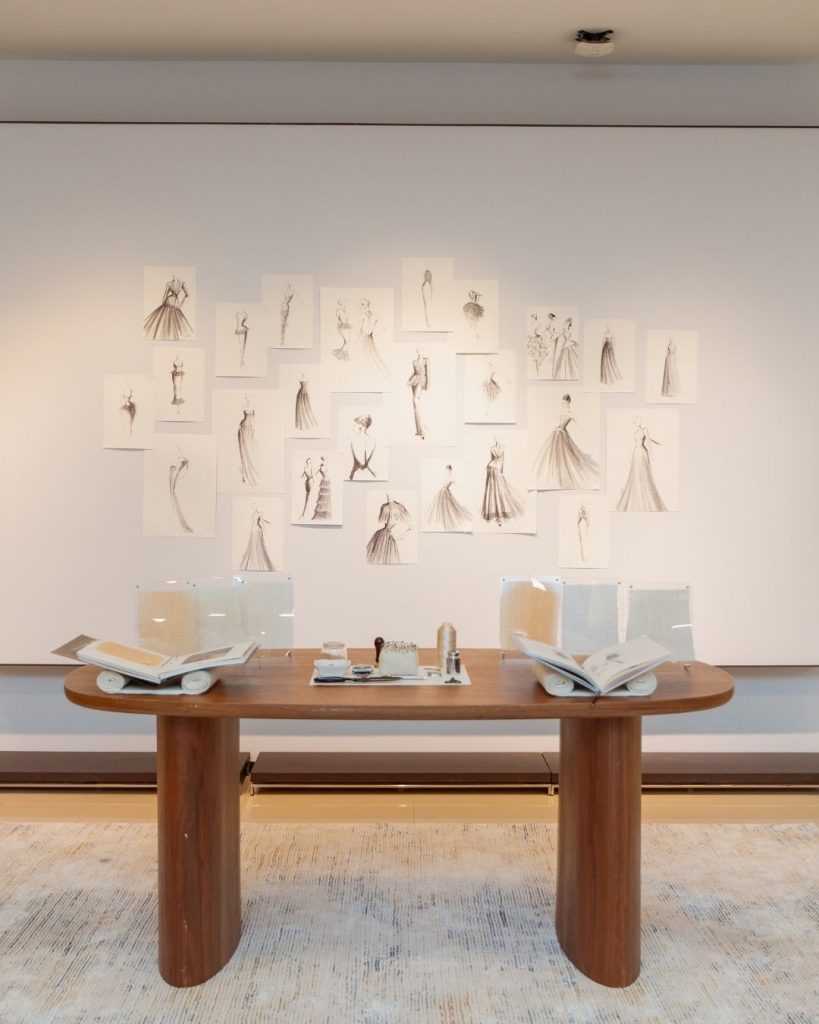
Having been in the industry for nearly two decades, what are the biggest changes you’ve witnessed, and how have they affected WHITE ANT’s operation?
Over the past two decades, I have witnessed many defining moments—not only for Vietnamese fashion, but for the global industry as well. Economic downturns, the pandemic and the rapid pace of digital transformation have reshaped the way fashion is created, consumed and communicated.
These changes have reinforced one belief: growth should not be measured by speed alone. In a world that moves faster every day, I believe fashion needs greater depth, creating lasting value rather than momentary excitement. That is why WHITE ANT has become even more committed to timeless elegance, refined tailoring and responsible craftsmanship. Trends will always evolve, but authenticity, quality and thoughtful design will always endure.
At the same time, today’s global connectivity has given Vietnamese brands the opportunity to be seen and appreciated on the international stage. Our ambition is not simply to grow internationally, but to present a contemporary Vietnamese perspective while remaining true to the values that defined WHITE ANT from the beginning.
Since you build your brand primarily in Vietnam, what unique advantages or challenges does the Vietnamese ecosystem offer designers compared to other fashion capitals?
Vietnam offers something that many established fashion capitals can no longer replicate—a rich cultural identity and an extraordinary heritage of craftsmanship.
As designers, we are constantly inspired by traditional techniques, natural materials and cultural narratives that continue to shape creativity. At the same time, Vietnam’s fashion industry has grown remarkably over the past decade. More Vietnamese brands are appearing at international fashion weeks, expanding into new markets and earning recognition from global audiences.
Of course, our ecosystem is still evolving. We continue to face challenges in specialised supply chains, premium material resources and fashion infrastructure, which I perceived as motivation rather than limitation. In today’s interconnected world, geographical boundaries matter far less than they once did. By 2025, our designs had reached customers across 63 countries and territories. To me, that is more than a milestone; it is proof that what I championed transcends borders.
I also believe one of Vietnam’s greatest strengths lies in its people. Our garment industry is built upon highly skilled craftsmanship, remarkable adaptability and a strong creative spirit. When these traditional strengths are combined with a contemporary design approach and international standards, they become the foundation for our fashion. If Vietnam was once recognised primarily as a manufacturing destination, I hope it will increasingly be recognised as a country with its own design identity. That is the journey we are committed to.
How do you see Southeast Asia’s fashion identity evolving on the world stage?
Southeast Asia is entering one of the most exciting chapters in its fashion history. For many years, the region was recognised primarily for its manufacturing capabilities. Today, however, it is increasingly recognised for its creativity, cultural richness and original design perspectives. More designers and brands from Vietnam, Thailand, Indonesia, Singapore and Malaysia are gaining international visibility, proving that Southeast Asia is becoming an important creative force globally.
What makes this region truly unique is its diversity. Every country has its own cultural heritage, aesthetics and craftsmanship, yet we share a deep appreciation for natural materials, artisanal techniques and the stories behind what we create. Rather than following global trends, I see more designers confidently expressing their own identities through contemporary design.
Personally, I don’t believe the future of fashion belongs to one capital or one region anymore. It belongs to brands that have a clear identity, exceptional craftsmanship and the courage to tell authentic stories. I believe Southeast Asia possesses all of these qualities, and I am confident the region will continue contributing a distinctive voice to the future of global fashion.
Now that WHITE ANT is in the global spotlight, what key challenges and opportunities lie ahead?
For us, international expansion is not simply about entering new markets; it is also about building meaningful, long-term relationships with people who share our values. Presenting at Shanghai Fashion Week and expanding into Malaysia, for instance, are important milestones, but they also remind us that every market has its own culture, lifestyle and expectations. The challenge is not only to introduce WHITE ANT to new audiences, but to do so while remaining authentic to who we are.
At the same time, I see tremendous opportunities. Customers are increasingly looking for brands with an identity and genuine values. Instead of becoming the biggest brand, I hope WHITE ANT become one that people entrust with its timelessness, refined craftsmanship and thoughtful approach to sustainable fashion.
Every new market is both an opportunity and a responsibility. I believe that if we continue to stay true to these values, every new market becomes not just a goal, but the beginning of a meaningful conversation between Vietnamese design and the world.
READ MORE