
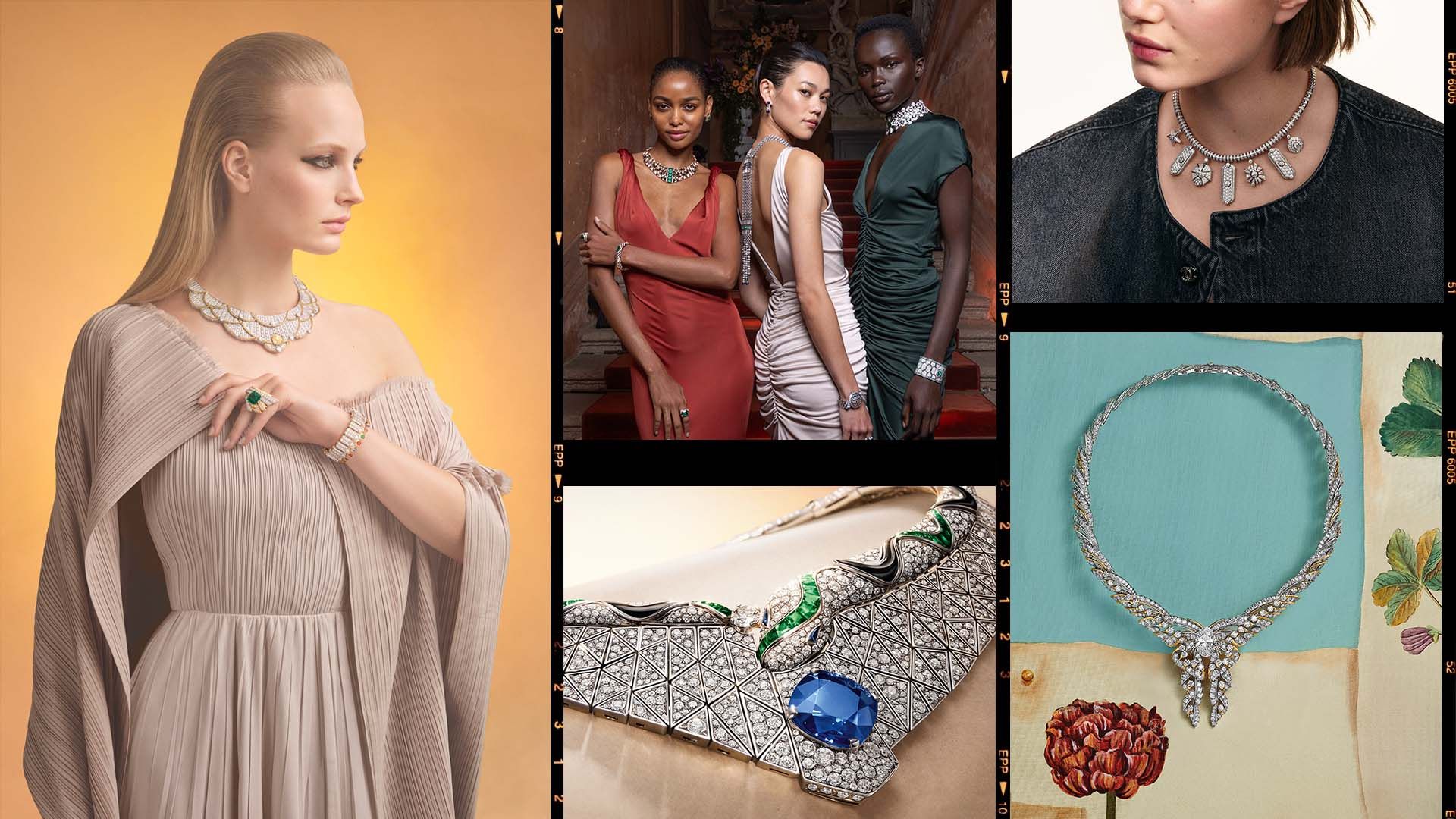
There is a tell that separates a high jewellery collection from a high jewellery statement, and it is ambition of argument. Anyone can string a remarkable stone on a remarkable chain. The houses worth watching this year did something harder: they decided what the jewel was about before they decided what it looked like—Bvlgari making eclecticism a discipline, Van Cleef & Arpels treating Egypt as a homecoming, Chanel reading Coco’s private symbols back to her as an alphabet. The collections below are the ones that earned their place.
VAN CLEEF & ARPELS
Fascinating Egypt
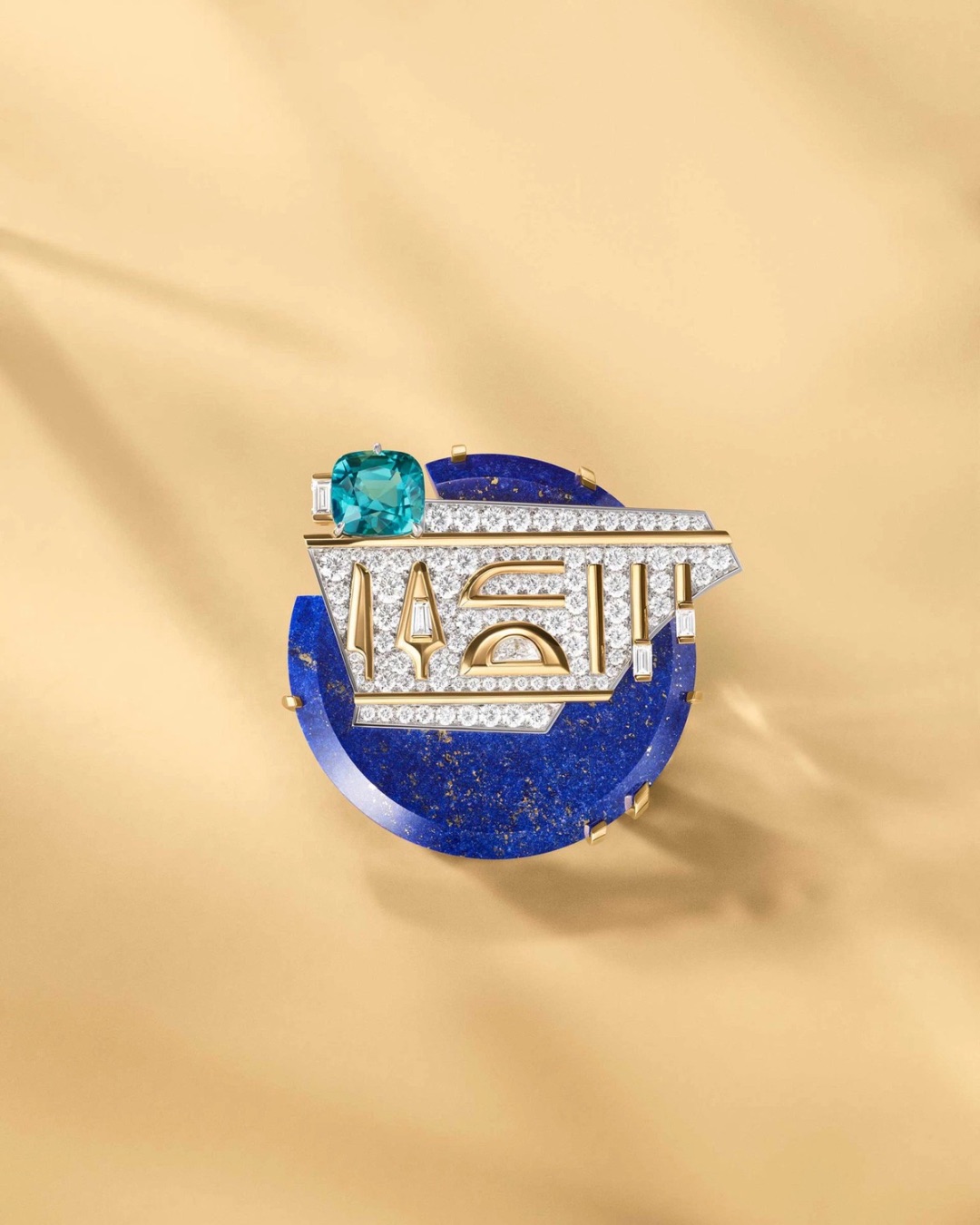
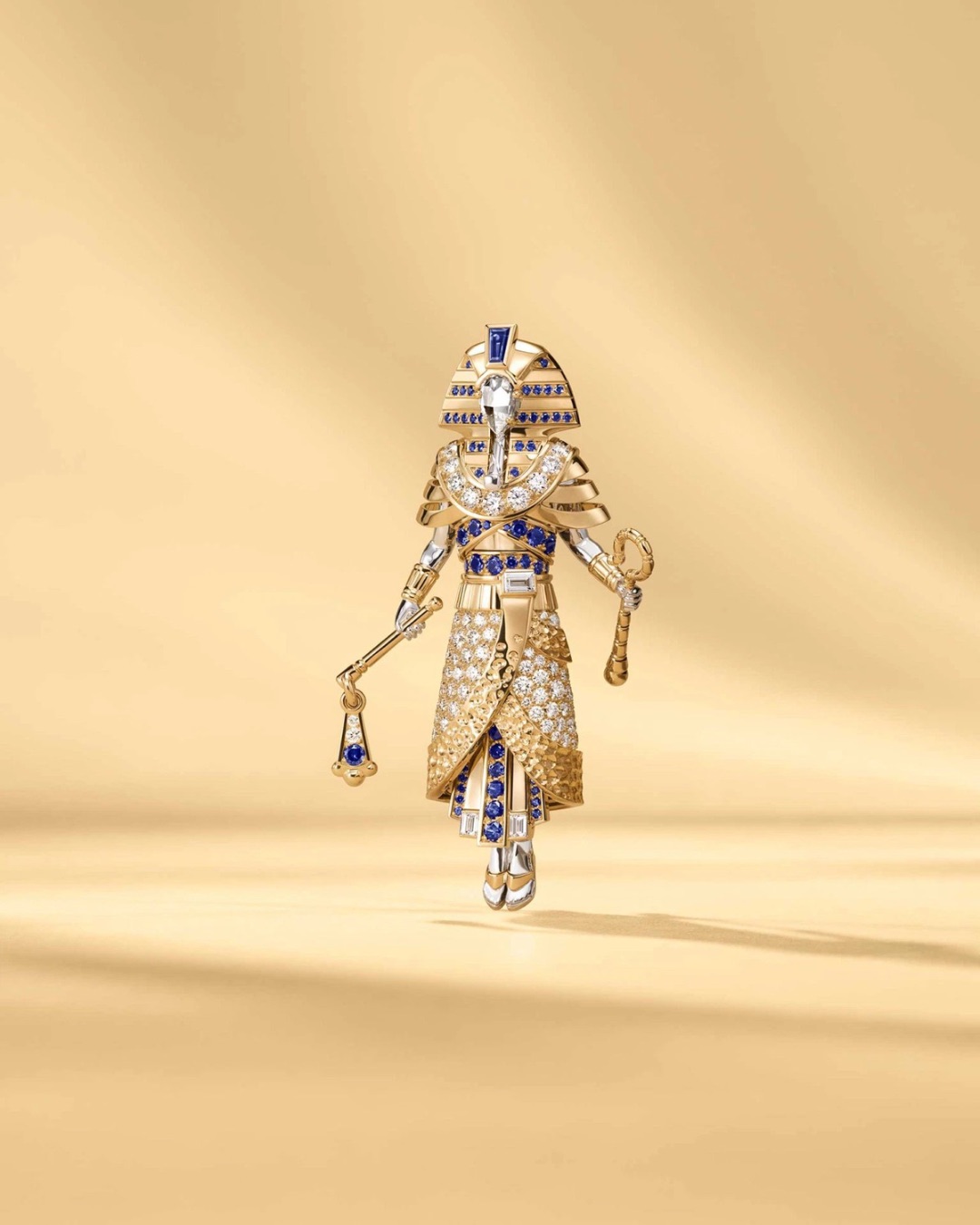
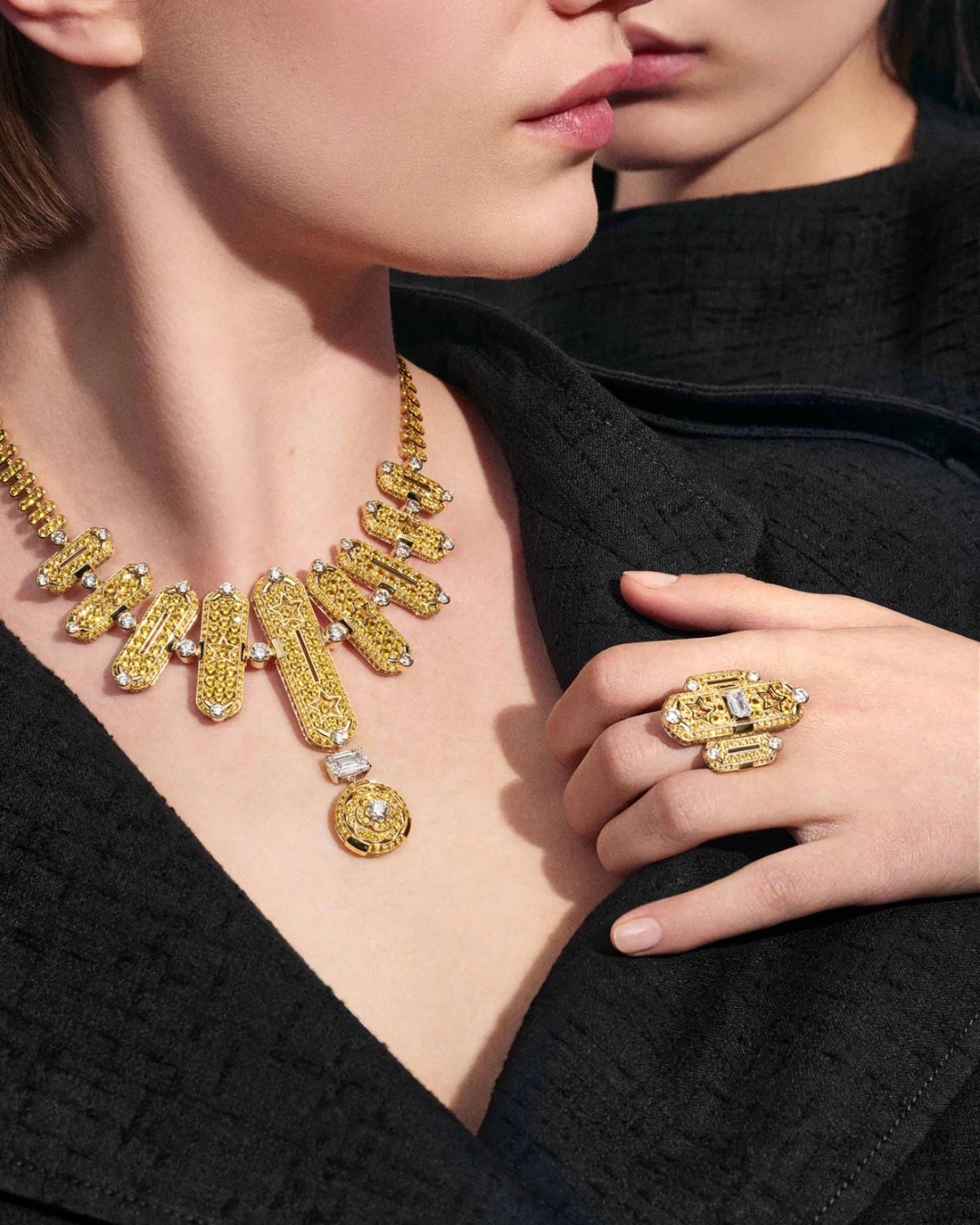
Van Cleef & Arpels has been returning to Egypt since 1906, and these 180 pieces are less tribute than homecoming. Clips become sculptures in the round; bracelets unfurl into friezes; a hieroglyphic message runs hidden between the columns of the Paysage secret cuff. The gem palette revives the symbolism the Egyptians assigned their stones—lapis for the gods, yellow gold for the sun. The Beauté légendaire necklace turns on a 10.02-carat Fancy Vivid Yellow diamond. On the Déesse ailée Mystérieuse, a 14.05-carat pear-shaped diamond lifts off the necklace to crown a ring.

CHANEL
Signes et Symboles
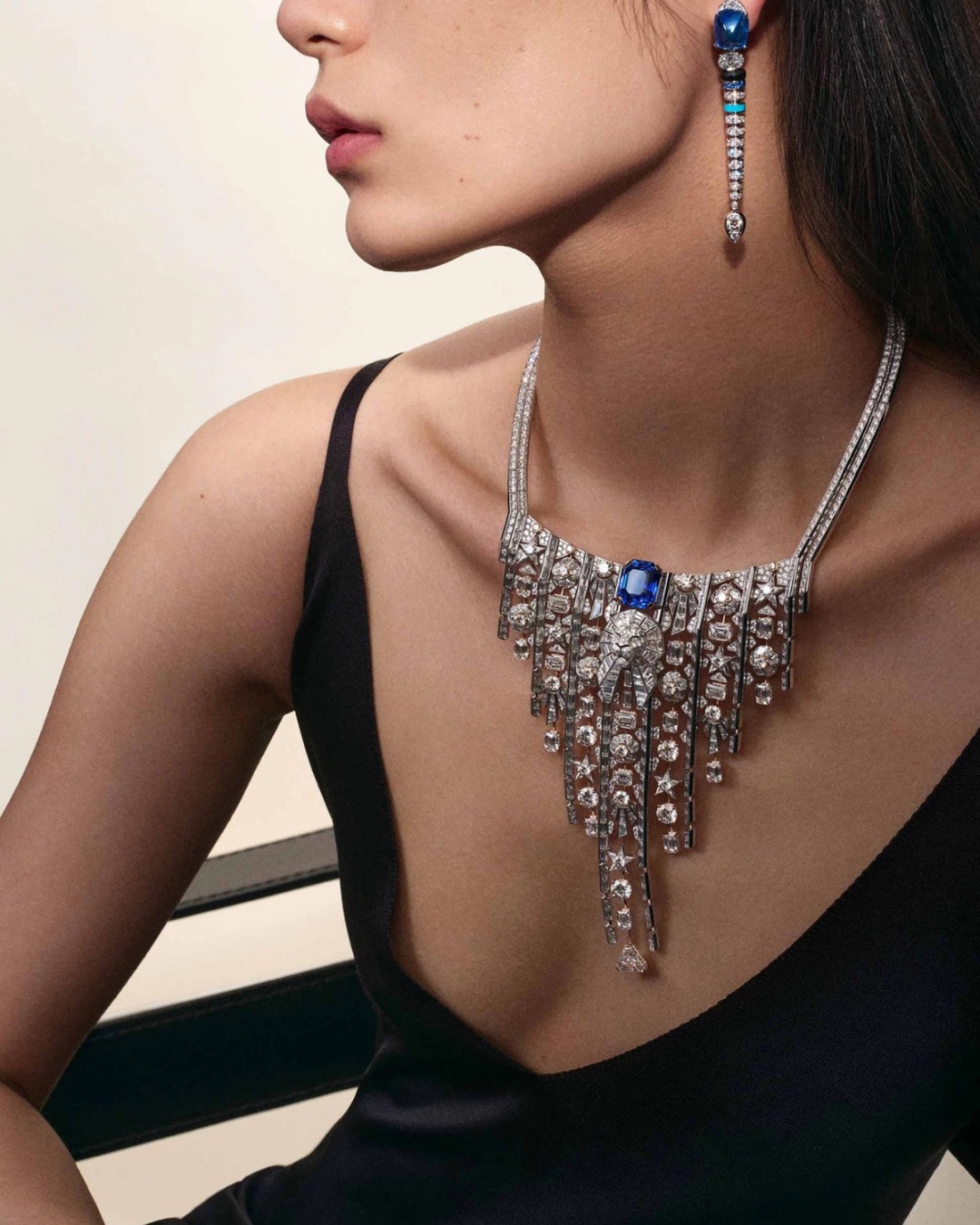
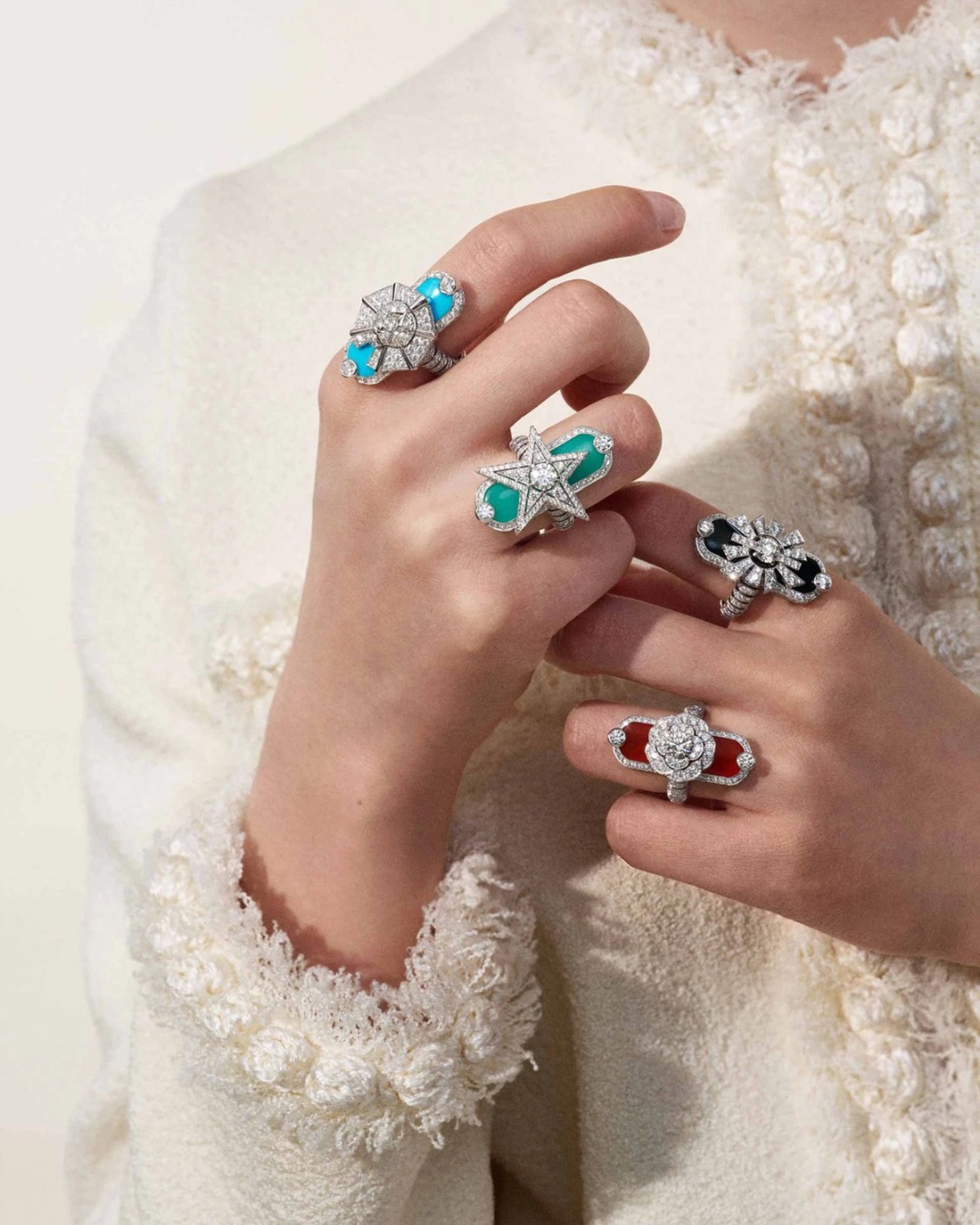
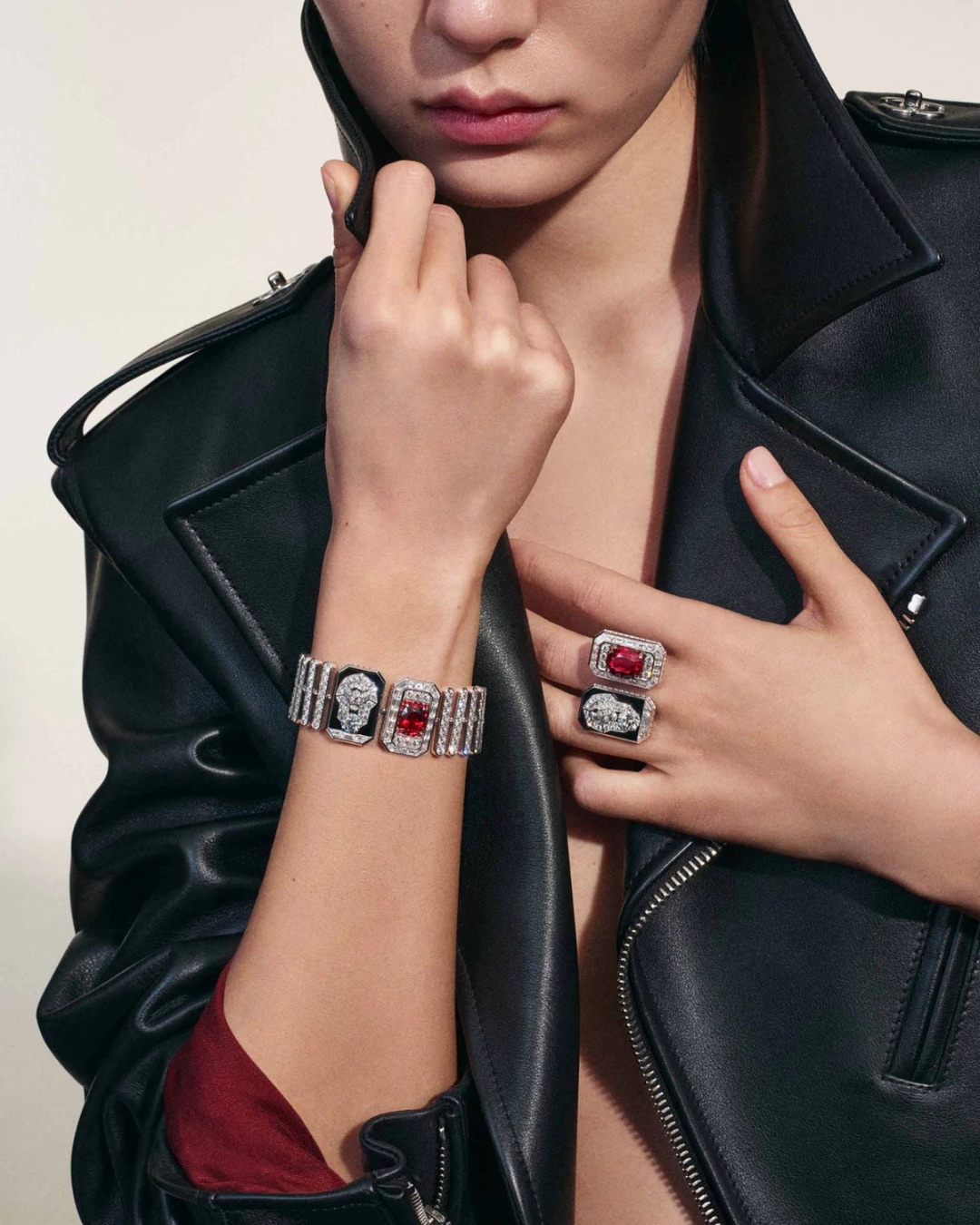
The comet, the lion, the camellia, the sun: Gabrielle Chanel built her myth from signs, and Signes et Symboles reads them back to her across 85 pieces. The case is symmetry as language—plastron necklaces in vertical waterfalls, contrasts of era and colour staged with the freedom she preferred to rules. The “Precious Four”—sapphire, ruby, emerald, diamond—carry the authority: a 20.66-carat octagonal sapphire on the Imprimé Lion necklace, a 10.32-carat D FL diamond at the centre of the Symbole Camélia Rose ring. The lion, the House emblem since 2012, returns in diamond bas-relief against onyx.
BVLGARI
Eclettica
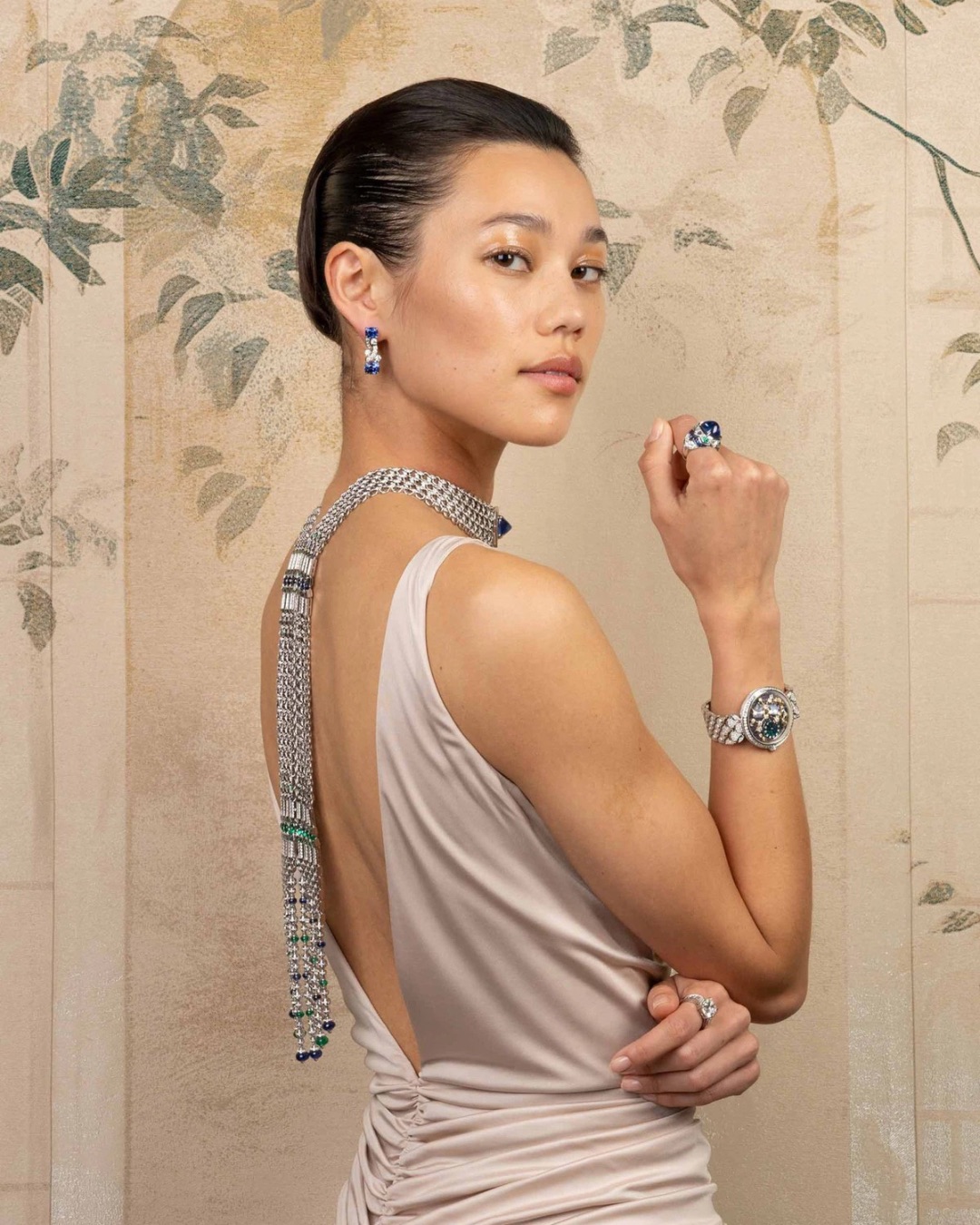
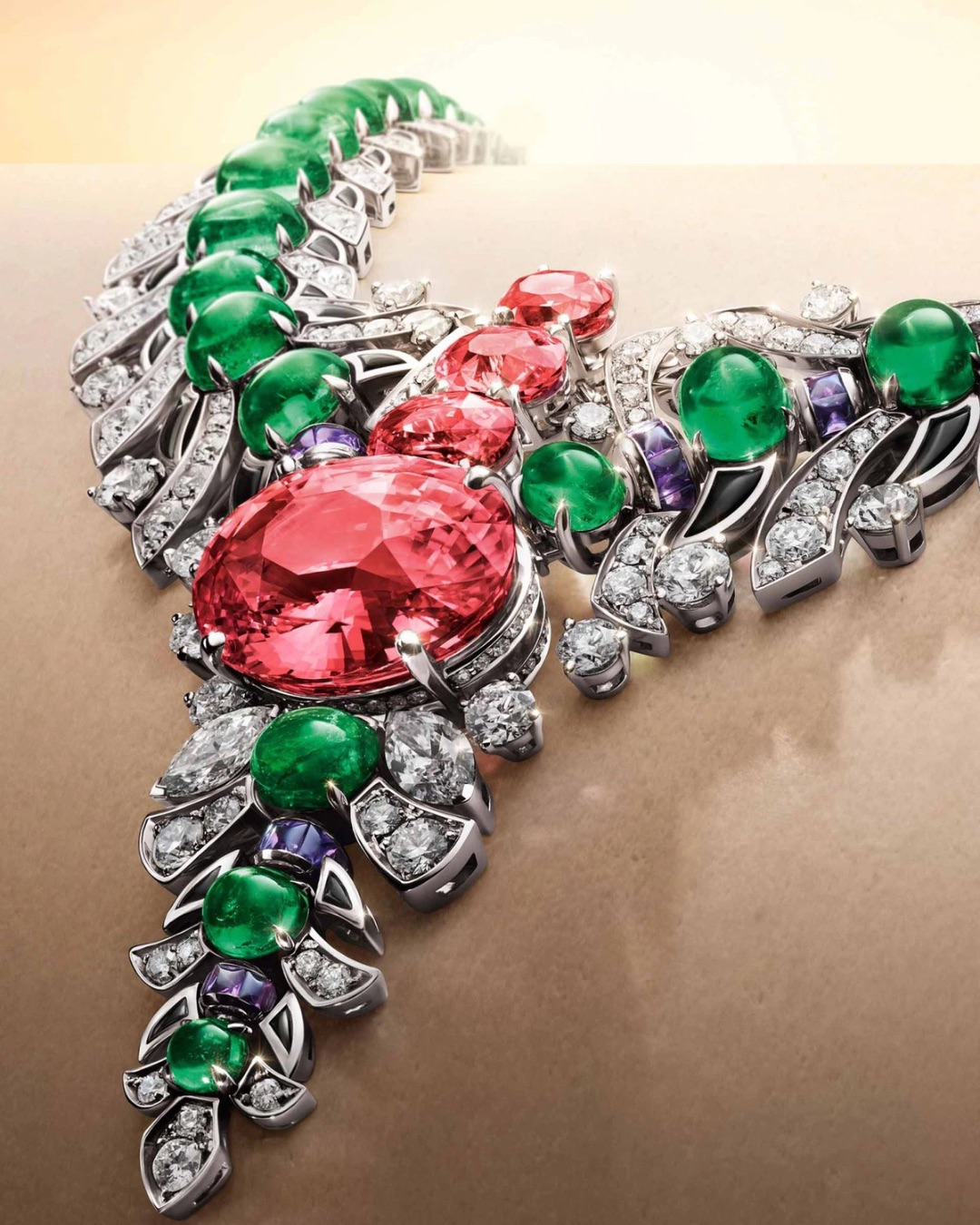
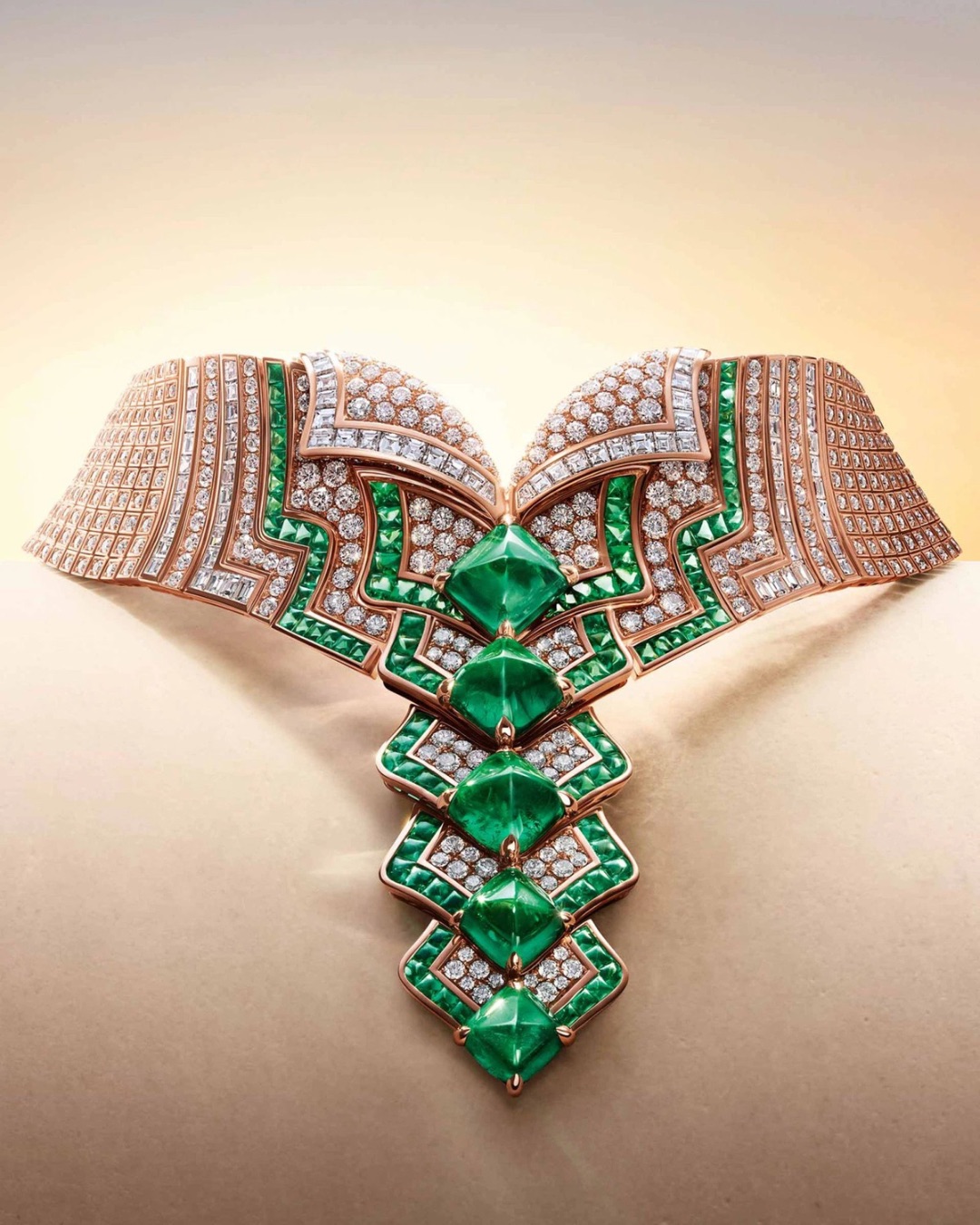
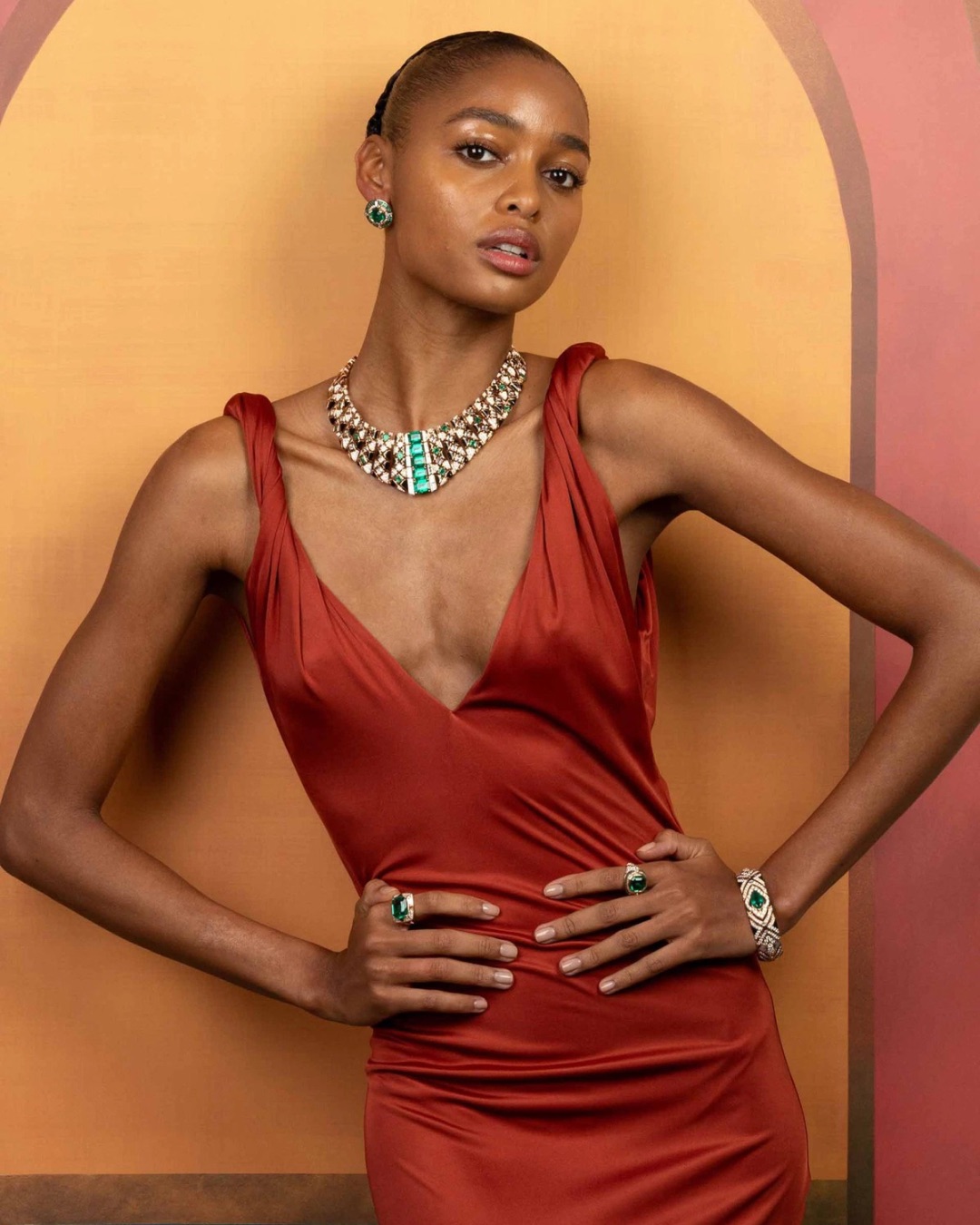
If the others argue for narrative, Bvlgari argues for nerve. Eclettica makes eclecticism a method: 15 transformable creations, the most the House has shown, and nine Capolavori at its summit. Painting supplies the Secret Garden necklace its rare 26.65-carat Padparadscha, a stone Lucia Silvestri chased for years. Sculpture shapes the Serpenti Infinia bracelet around a 7.49-carat diamond cut to the snake’s own anatomy. Architecture gives the Emerald Strata necklace its Corinthian fall of Zambian emeralds. On the Serpenti Illusio, the serpent dissolves into negative space and reveals itself only on the second look. Eclecticism, the collection insists, is not indecision.
TIFFANY & CO.
Blue Book 2026: Hidden Garden
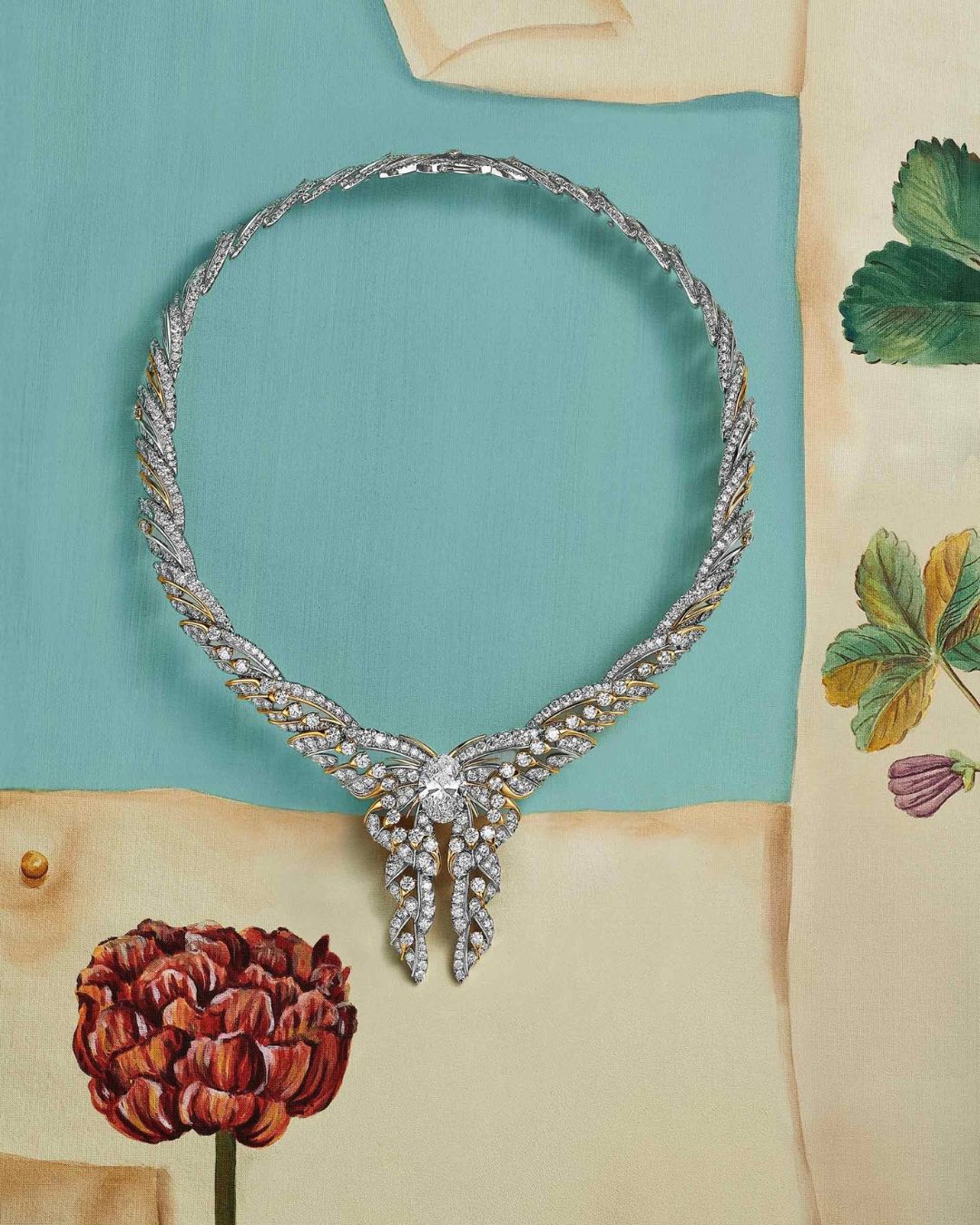
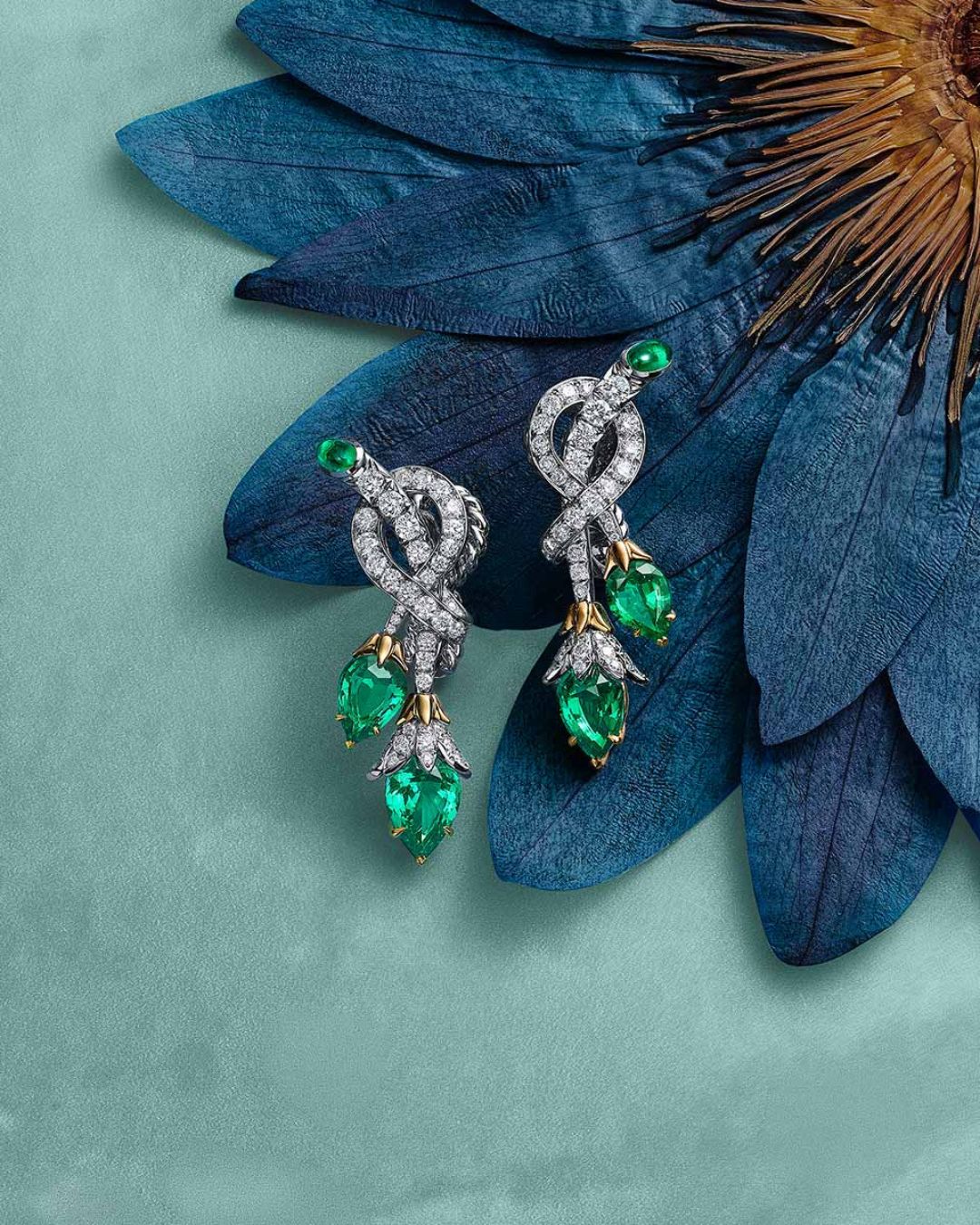
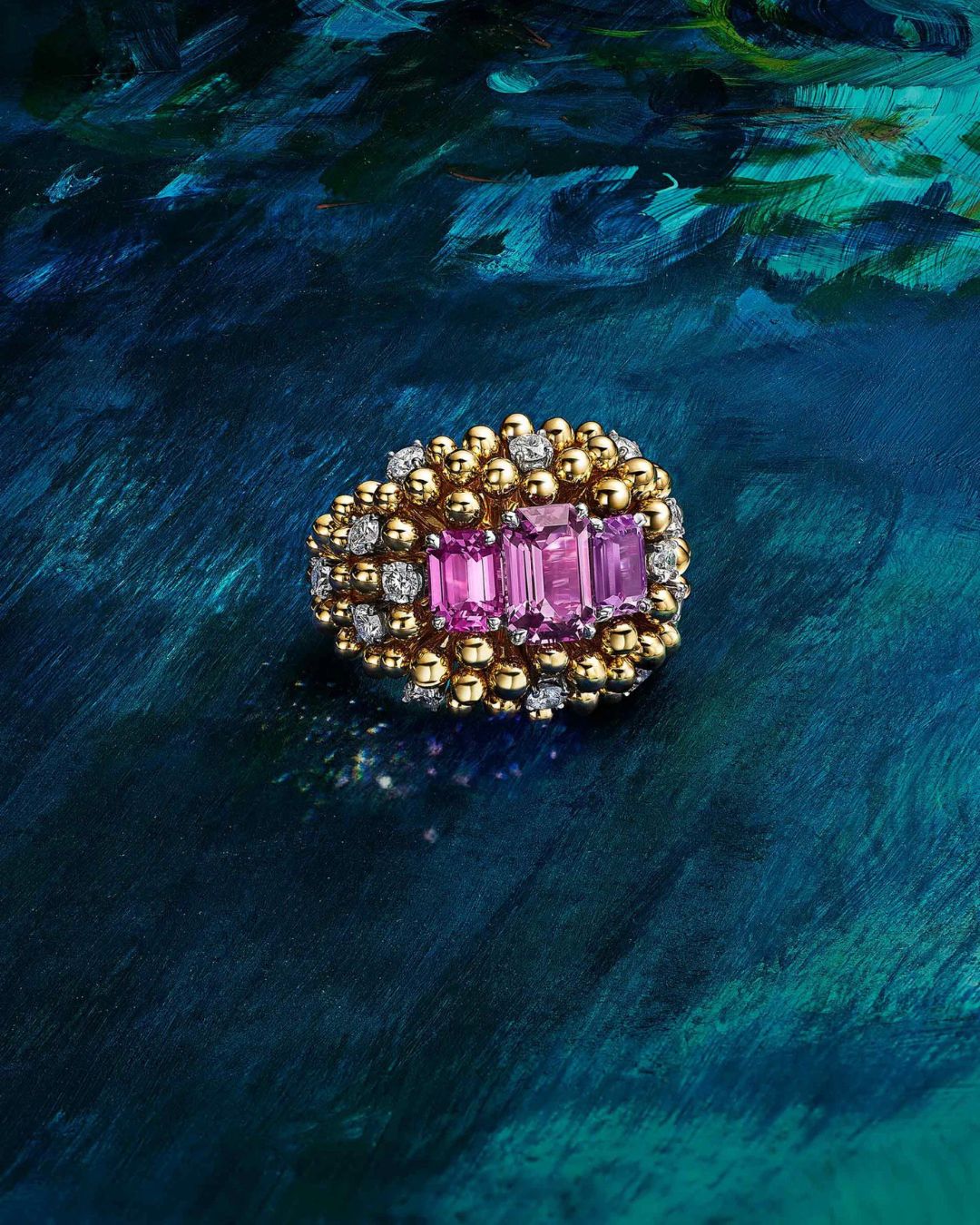
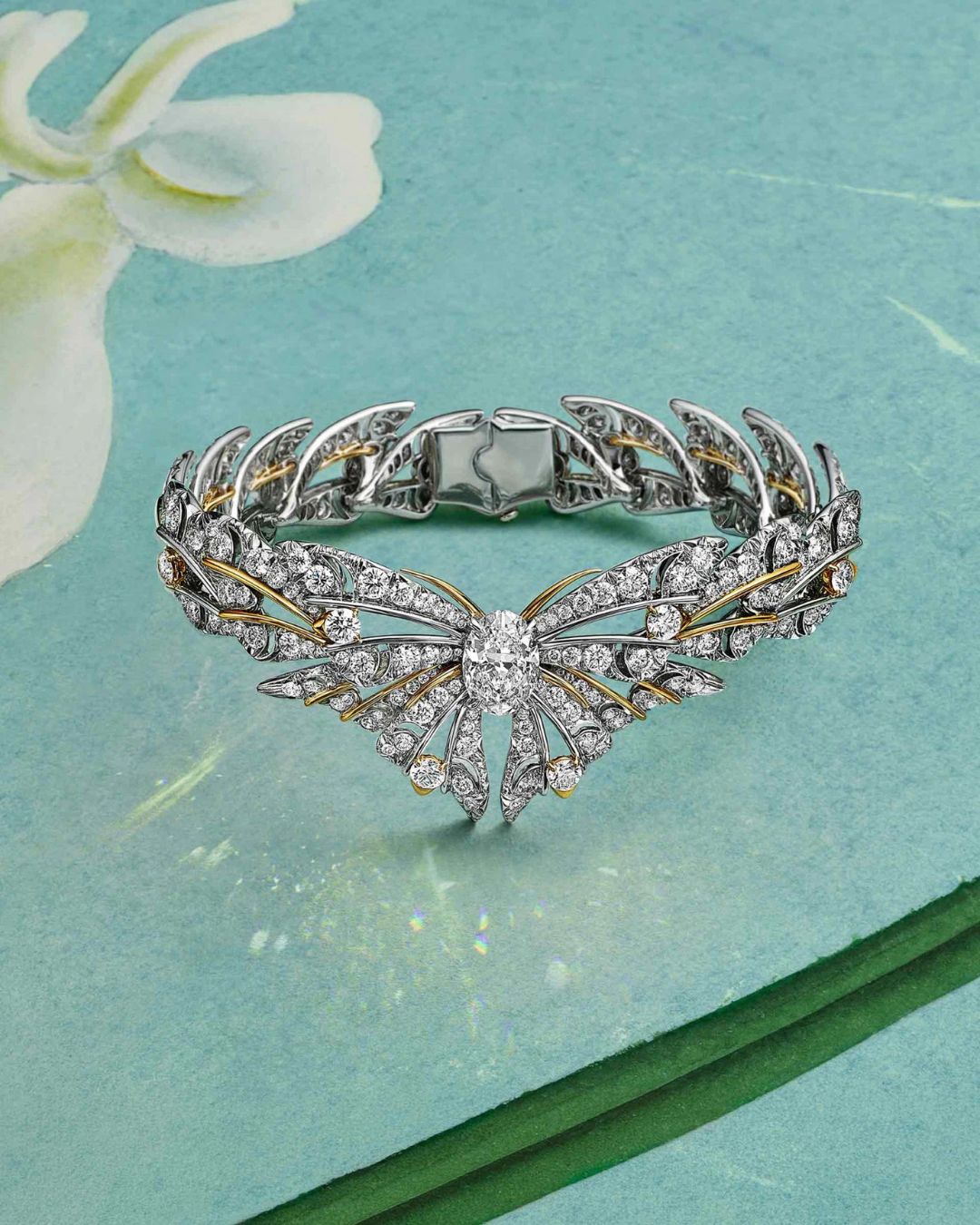
Tiffany frames its garden as an engineering problem: how to hold colour in motion without freezing it. Blue Book 2026: Hidden Garden, Nathalie Verdeille’s fourth, treats nature as transformation rather than still life. Reinterpreting Jean Schlumberger, the Spring 2026 chapter sends butterflies and birds into flight on stones set to suggest movement—unenhanced padparadscha against Montana sapphire, pink-orange against denim blue. Schlumberger’s Bird on a Rock returns perched on a 22-carat Santa Maria aquamarine. Verdeille’s own formula—”50 per cent design, 50 per cent craft”—shows in the modularity: a necklace that gives up a brooch, leaves that sway on their settings. The garden stays hidden only until you learn to read it.
CARTIER
Le Chœur des Pierres
For Cartier, the gemstone is the beginning of a creative dialogue. Before a high jewellery piece takes form, the maison’s artisans study each exceptional stone closely—its colour, proportions, origins, and even its imperfections—allowing these distinctive qualities to guide the direction of the creation. These unique characteristics become sources of inspiration, revealing the personality of the gem and shaping the jewel around it.
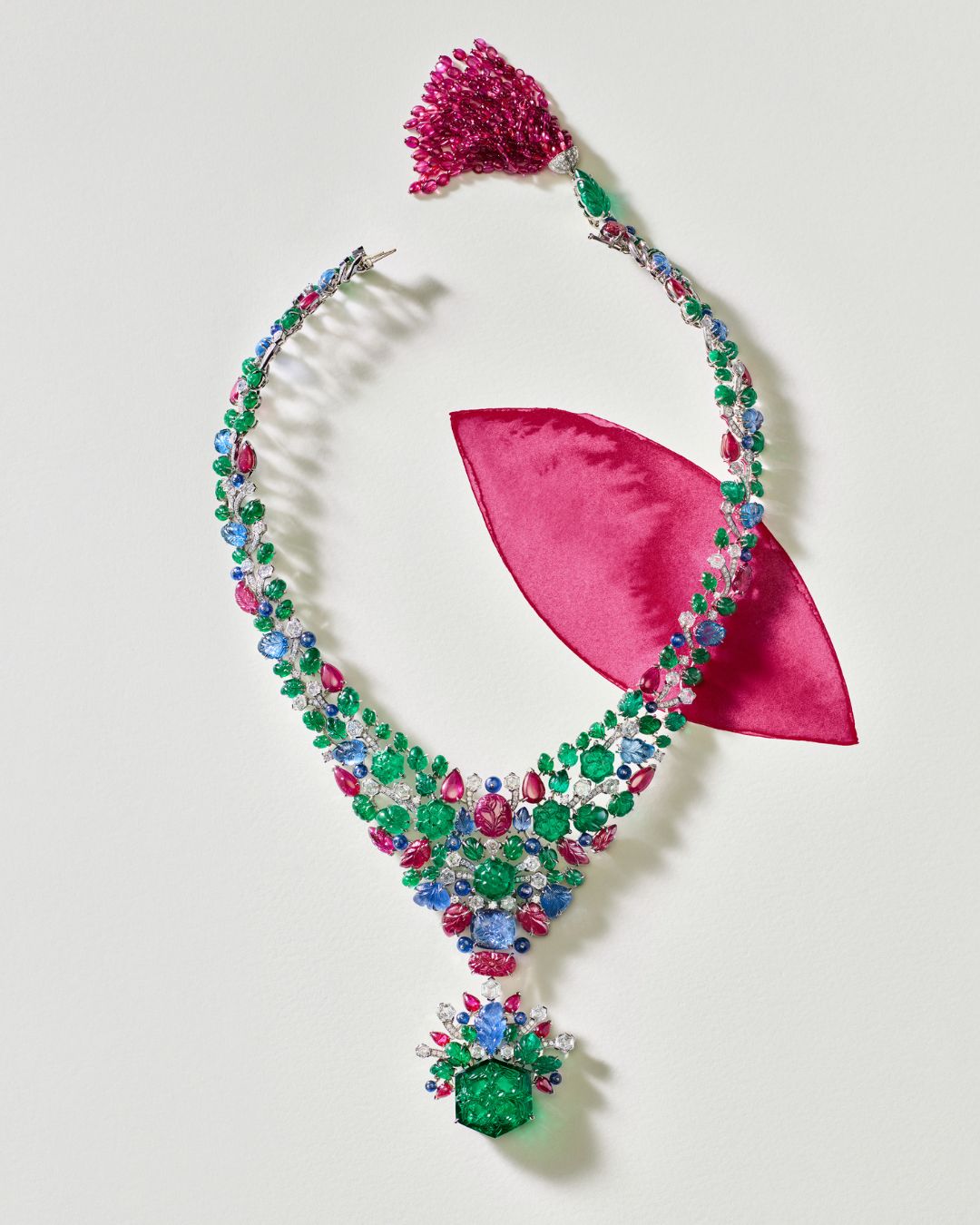
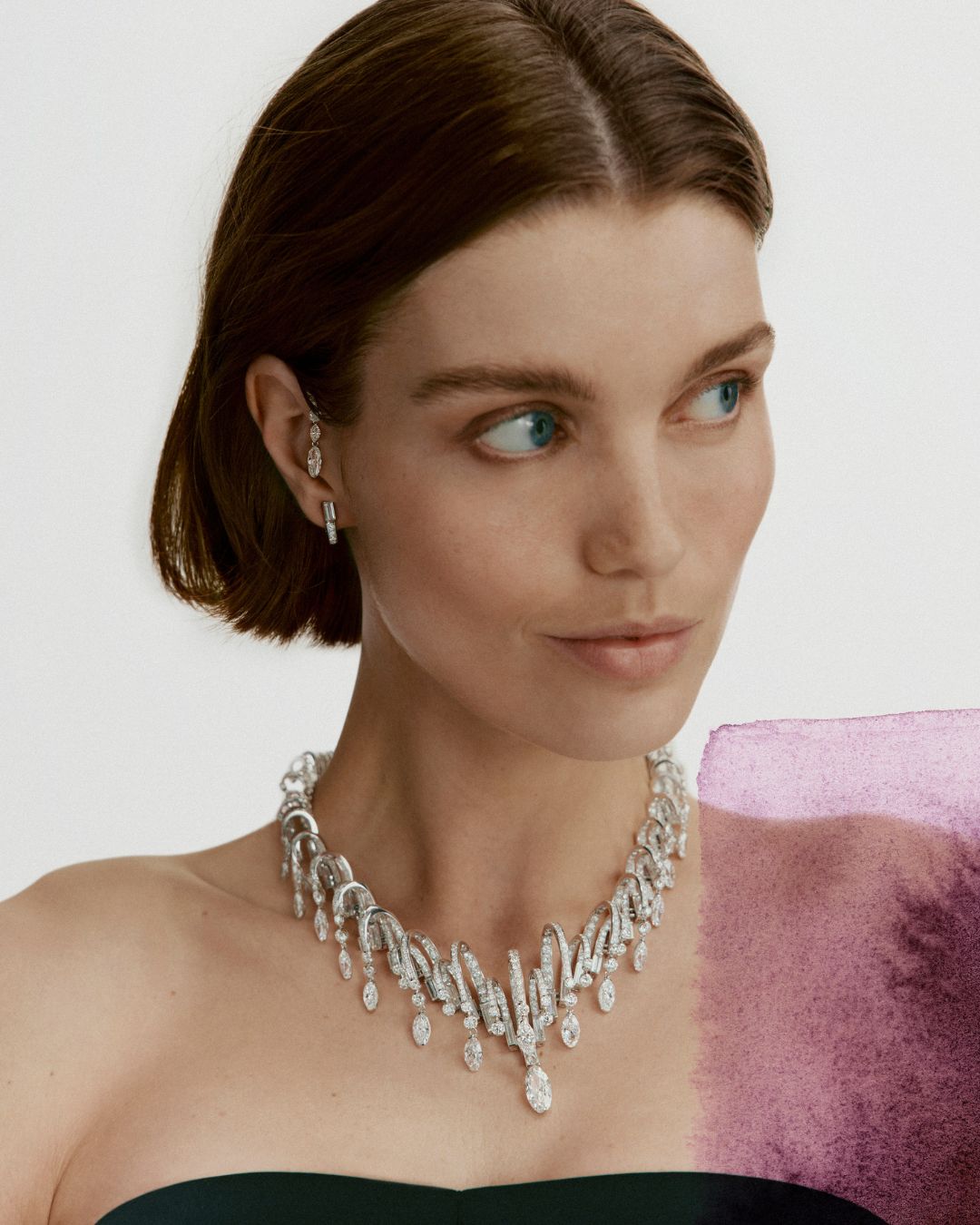
This philosophy lies at the heart of Cartier’s latest High Jewellery collection, Le Chœur des Pierres. The title draws from the French words chœur and cœur, meaning chorus and heart, reflecting the maison’s belief that every gemstone carries its own identity while finding new expression when placed alongside others. Like a carefully composed arrangement, the collection brings together contrasting colours, textures and forms, creating jewels where each element enhances the presence of the central stone.
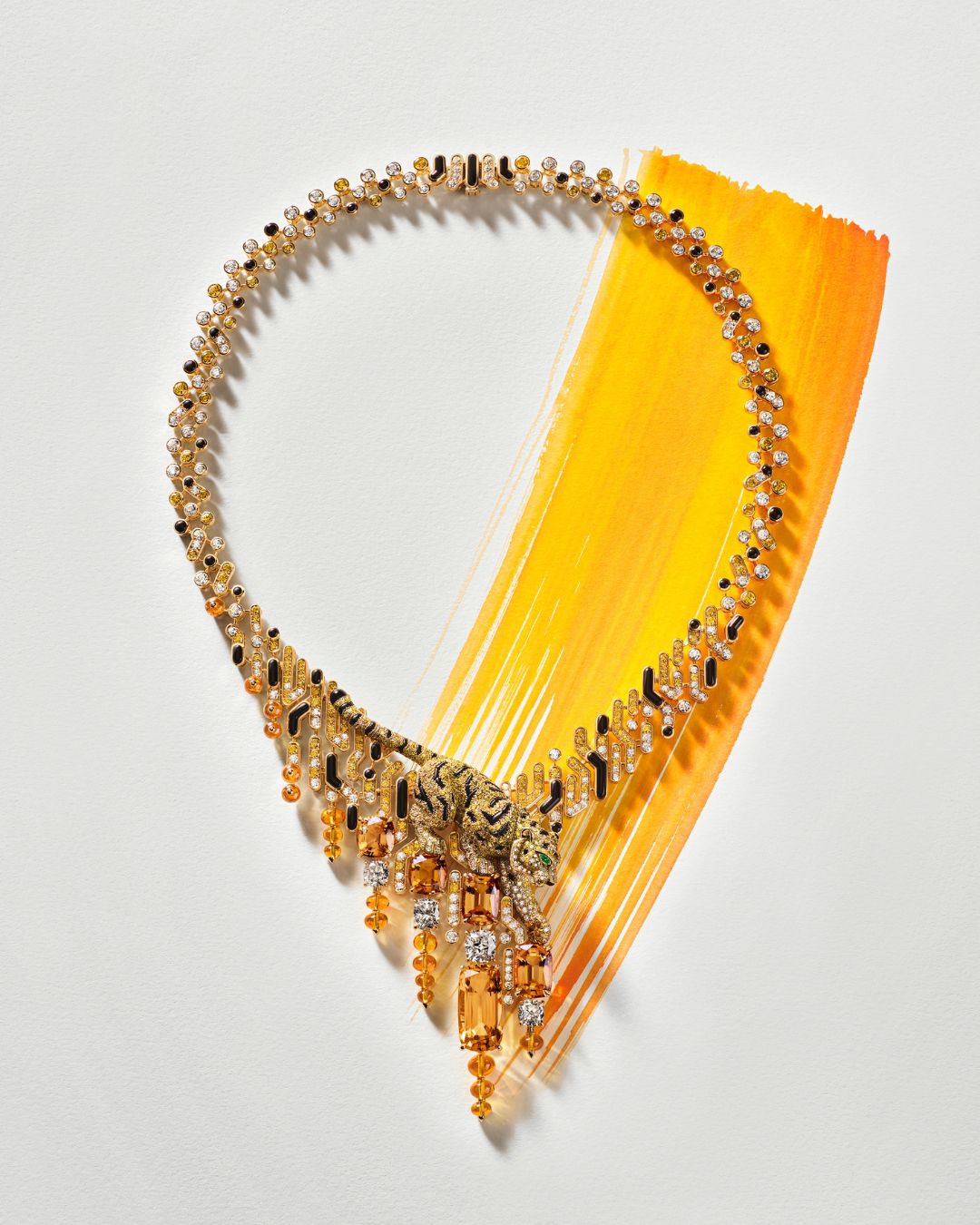
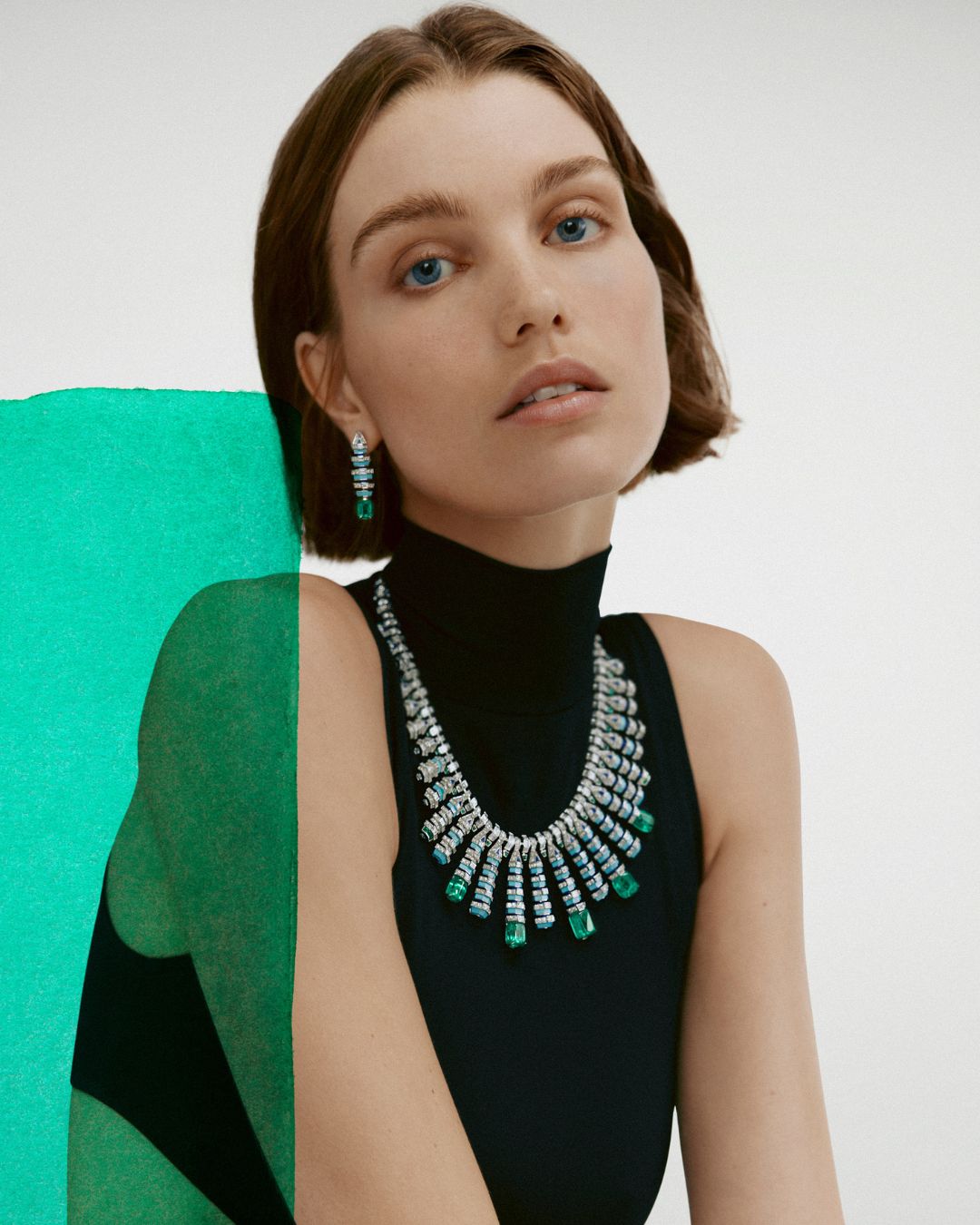
The vision began in the early 20th century, when Louis Cartier broke away from the diamond-dominated aesthetic of European jewellery houses by embracing unexpected colour harmonies. Emeralds met sapphires, coral contrasted with onyx, and turquoise was elevated by diamonds. Inspired by the artistry of Persia, India, Egypt and Russia, these influences were transformed through the precision and elegance of Parisian modernism.
The journey from gemstone to jewel is one shaped by generations of craftsmanship. Designers, gem experts, lapidaries, jewellers and polishers work together to uncover the full potential of each stone, balancing technical mastery with artistic intuition. As Jacqueline Karachi-Langane, Director of High Jewellery Creation, explains, “The creation serves the stone,” allowing its natural brilliance and energy to take centre stage. Through the maison’s savoir-faire, each stone’s individuality is preserved while transformed into a creation that captures its essence for generations to come.
This story first appeared on Grazia Singapore with additions by Sarah Chong.
READ MORE