

Call it the great jewellery resurrection. Once relegated to the velvet drawers of another era, the brooch has executed one of fashion’s most elegant comebacks.
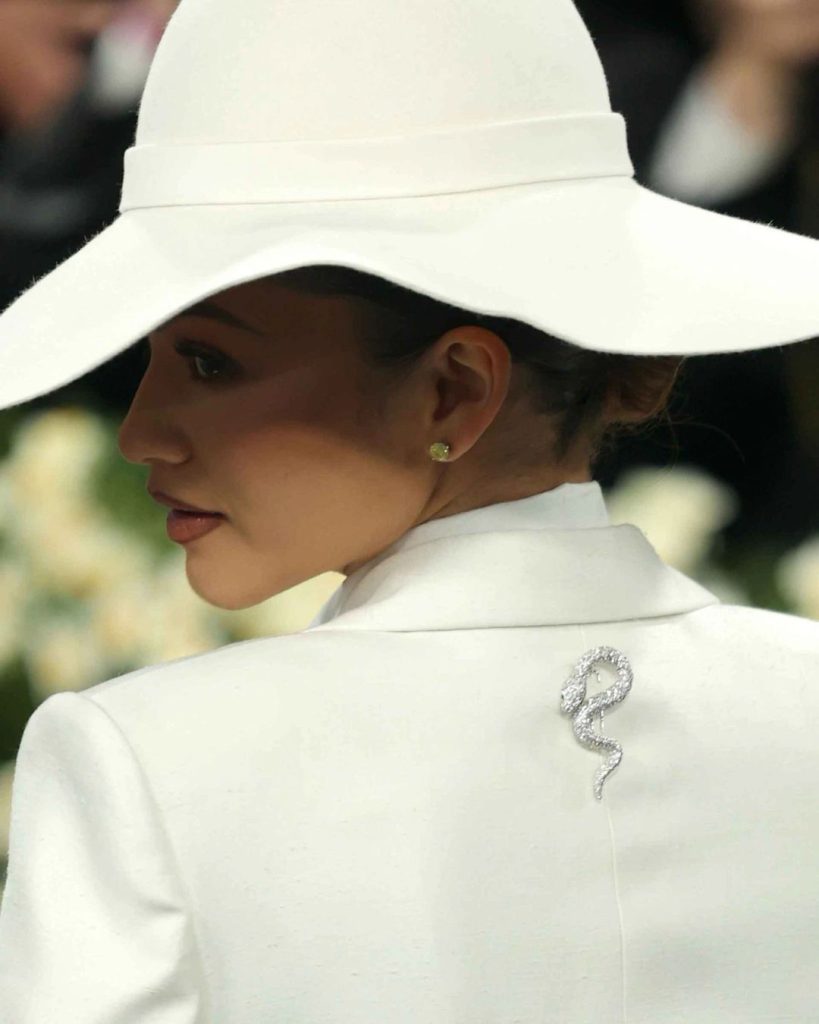
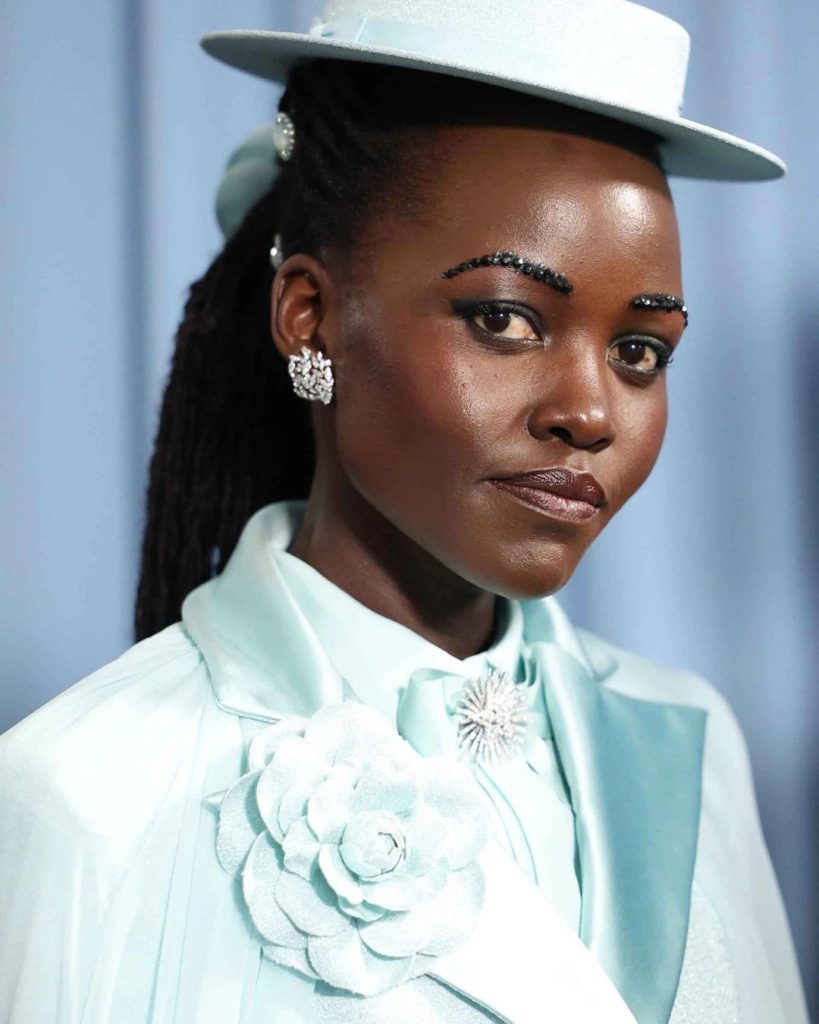
At this year’s Met Gala, Zendaya sealed its return. Styled by Law Roach in a sharp Louis Vuitton suit, she wore a sinuous Bvlgari serpent brooch pinned between her shoulder blades—daring and unforgettable. Co-chair Lewis Hamilton added baobab-inspired Snow Diamonds brooches, while Lupita Nyong’o chose a floral Chanel pin, Ayo Edebiri accented Ferragamo with gold, and Anna Wintour traded her signature sunglasses for an antique Lydia Courteille piece.
Surprisingly, the revival began in menswear—on lapels, scarves, and hats—before women embraced it with equal zeal. Chanel ambassador G-Dragon set the tone at the maison’s Cruise 2025 show in Hong Kong with a daisy brooch from his own Peaceminusone label. At the same event, Baipor Thitiya wore a camellia pin; at Cannes, actor Gong Jun chose Messika on black velvet.
The market reflects the craze. In February, a Cartier Tutti Frutti brooch fetched more than US$24,000 at Kinghams in the UK, one of the strongest results in years.

The maisons are answering demand. Bvlgari’s Serpenti Pallini brooch coils with pavé diamonds and onyx eyes; Cartier’s Grain de Café brooch required 39 hours of artistry from creation to polish; and Boucheron’s Untamed Nature turns thistles into transformable jewels that double as necklaces.
Fashion’s cycles often spin fast, but rarely with such satisfaction. The brooch, once dismissed as fusty, now embodies what modern style craves: jewels with history that speak to the present, accessories that transform rather than merely decorate, pieces that tell a story worth wearing.