
From four-leaf clovers tucked into lockets to jade bangles worn daily, lucky charms have travelled through centuries, cultures, and continents—and they’ve never really gone out of style. Long before jewellery was about trends or status, it served a more personal purpose: protection, hope, and the subtle reassurance that something good might be on your side.
Humans have always believed in talismans, according to anthropologists, but psychologists suggest that there may be a real reason for their comfort. Carrying a lucky charm can increase self-esteem and even happiness. When you feel protected or optimistic, you move through the world differently—and jewellery, worn close to the body, becomes the perfect vessel for that belief.
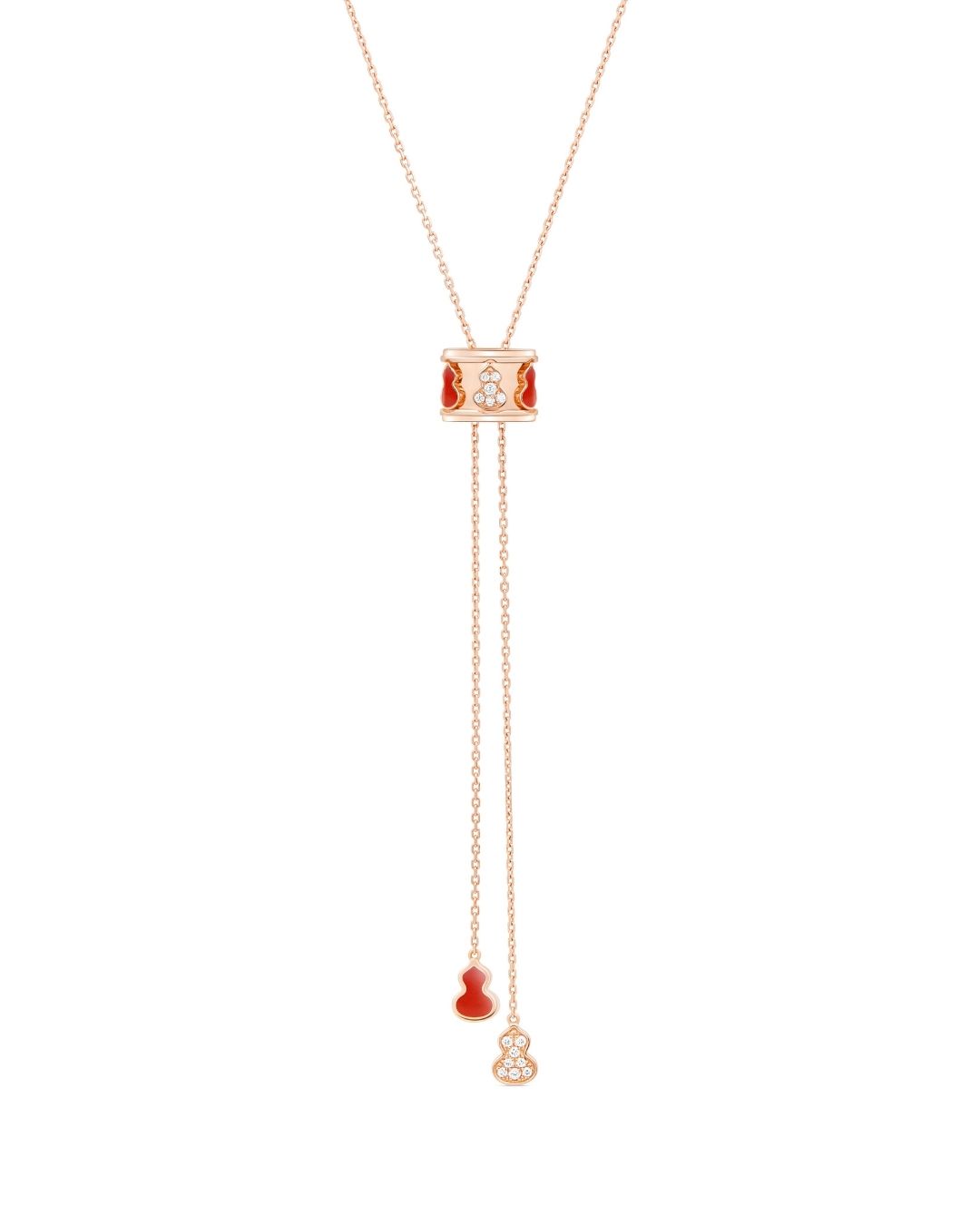
Across cultures, symbolism plays a starring role. In Indian traditions, motifs such as elephants with raised trunks signal prosperity and wisdom, while evil eyes and Hamsa hands ward off negativity. Chinese lucky jewellery leans heavily into fortune and balance, featuring gourds for health, Pi Xiu for wealth, lotus flowers for purity, and knots symbolising continuity and success—often crafted in gold and paired with a red string for added auspicious energy. What’s striking is how these ancient symbols continue to resonate, even in modern fine jewellery collections.
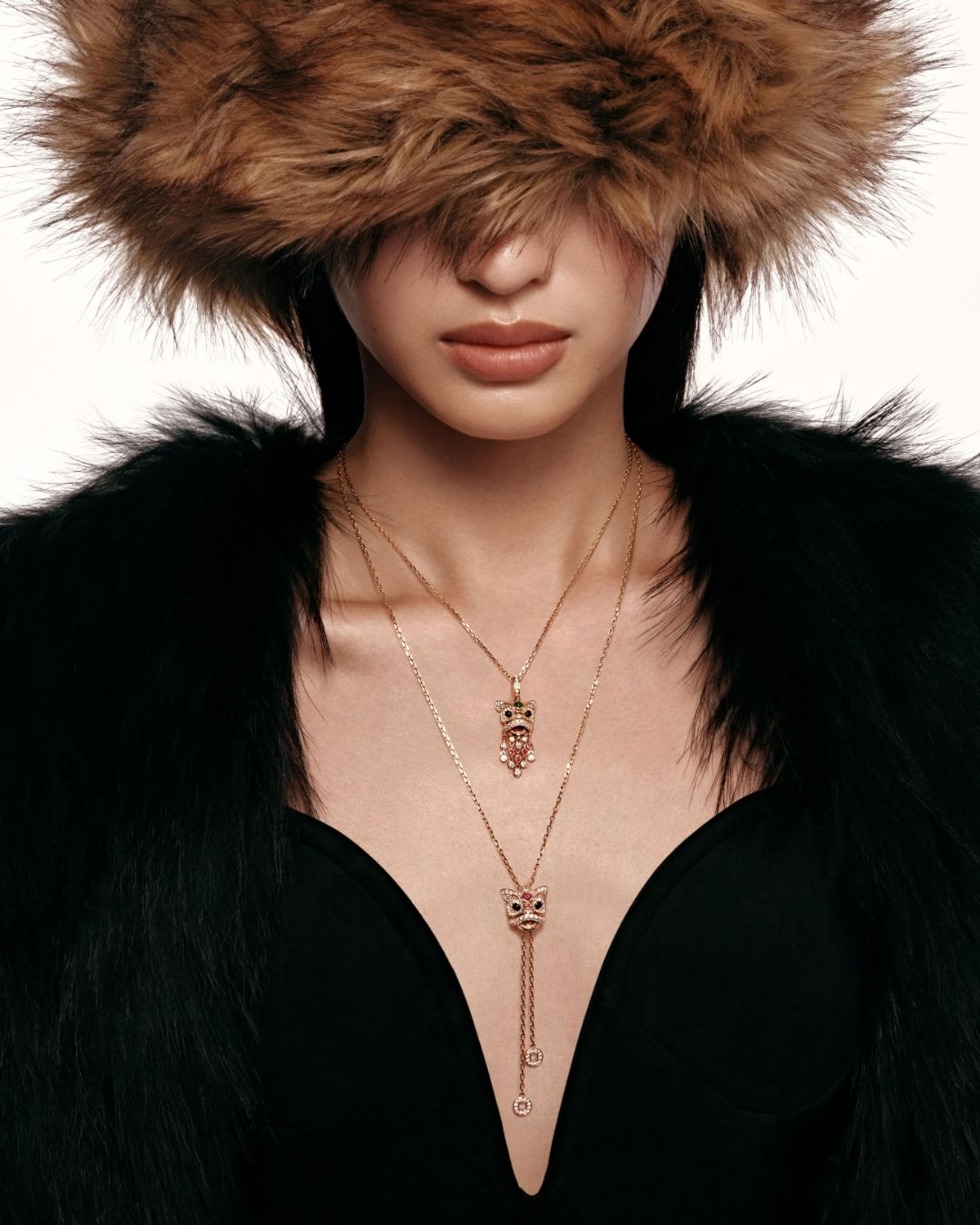
Luxury houses, too, have embraced the enduring appeal of lucky charms. Qeelin is deeply rooted in Eastern philosophy, drawing on the concept of harmony and balance. Its Wulu collection transforms the gourd—a symbol of fortune—into a contemporary icon, while Yu Yi references the traditional Ruyi lock for protection and good luck. Elsewhere, playful motifs like lions, bamboo, and fish nod to happiness, vitality, and abundance.
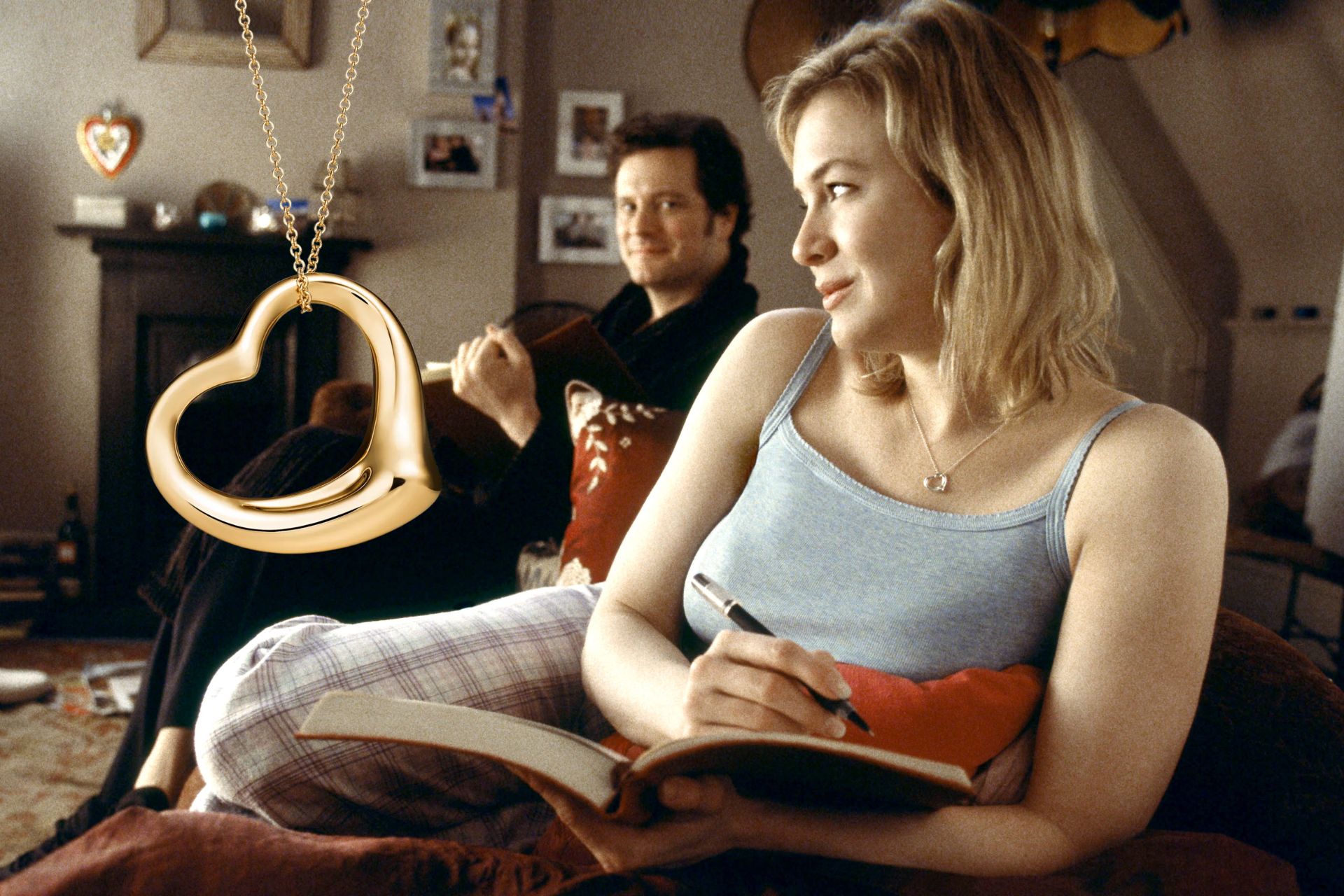
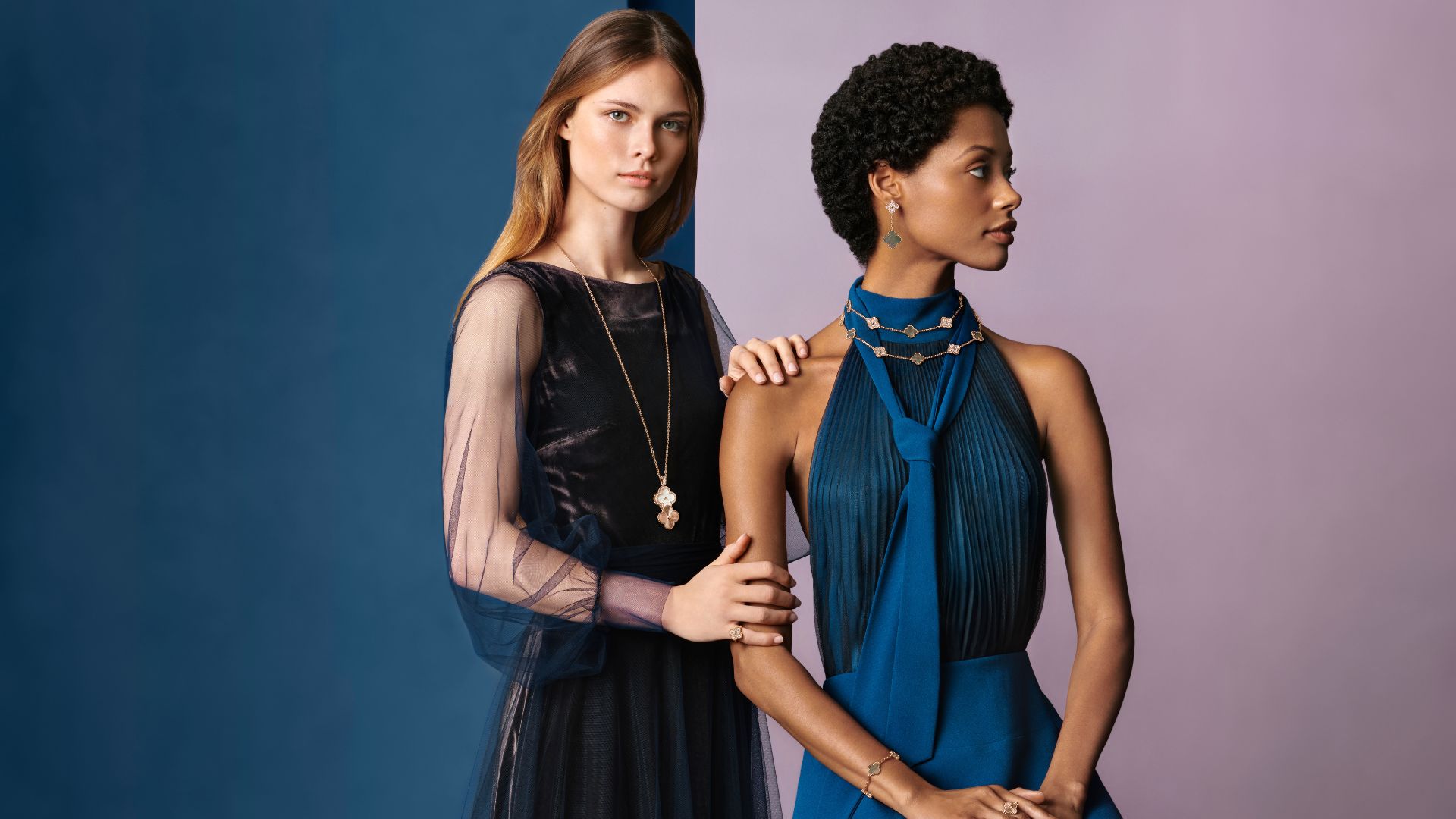
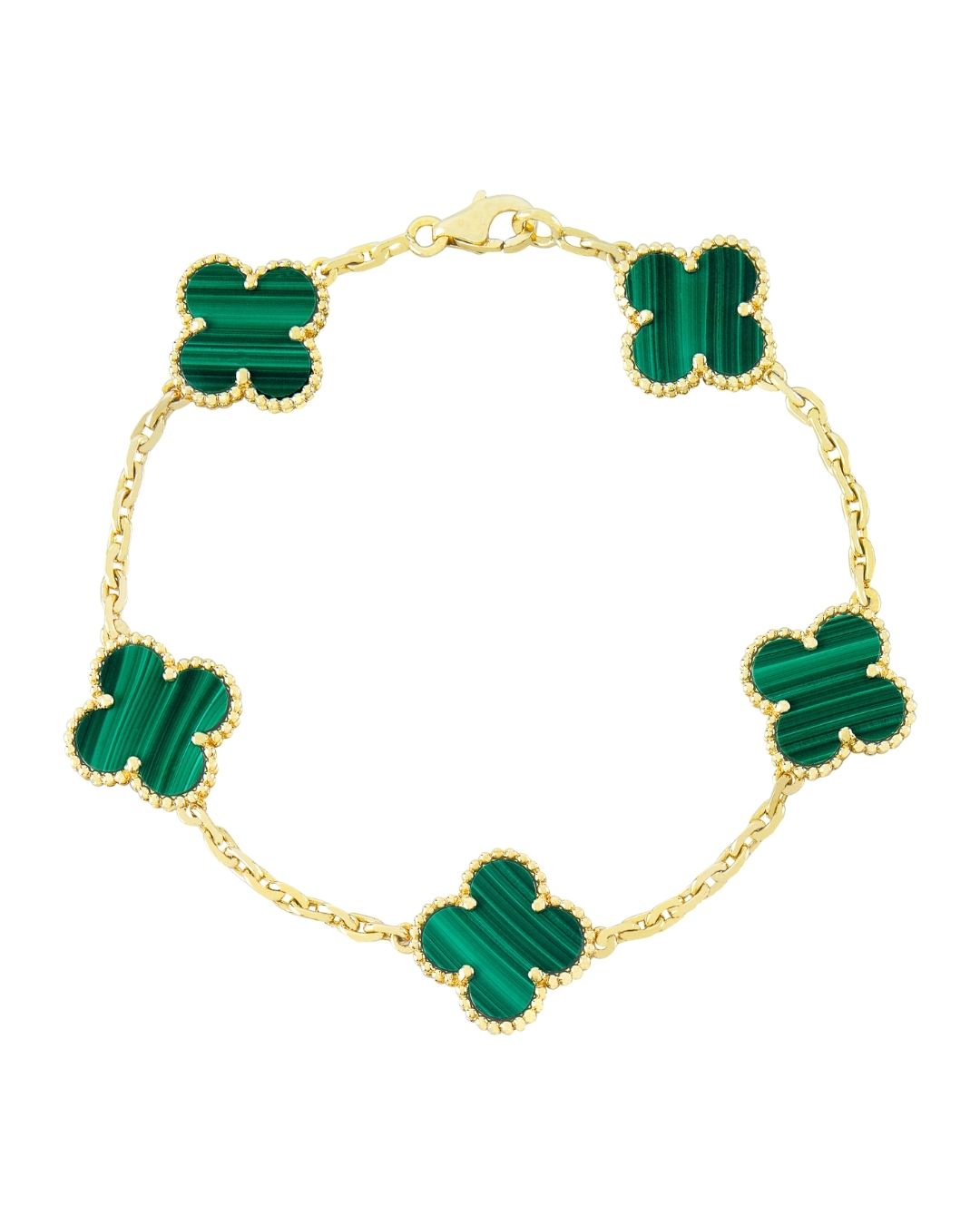
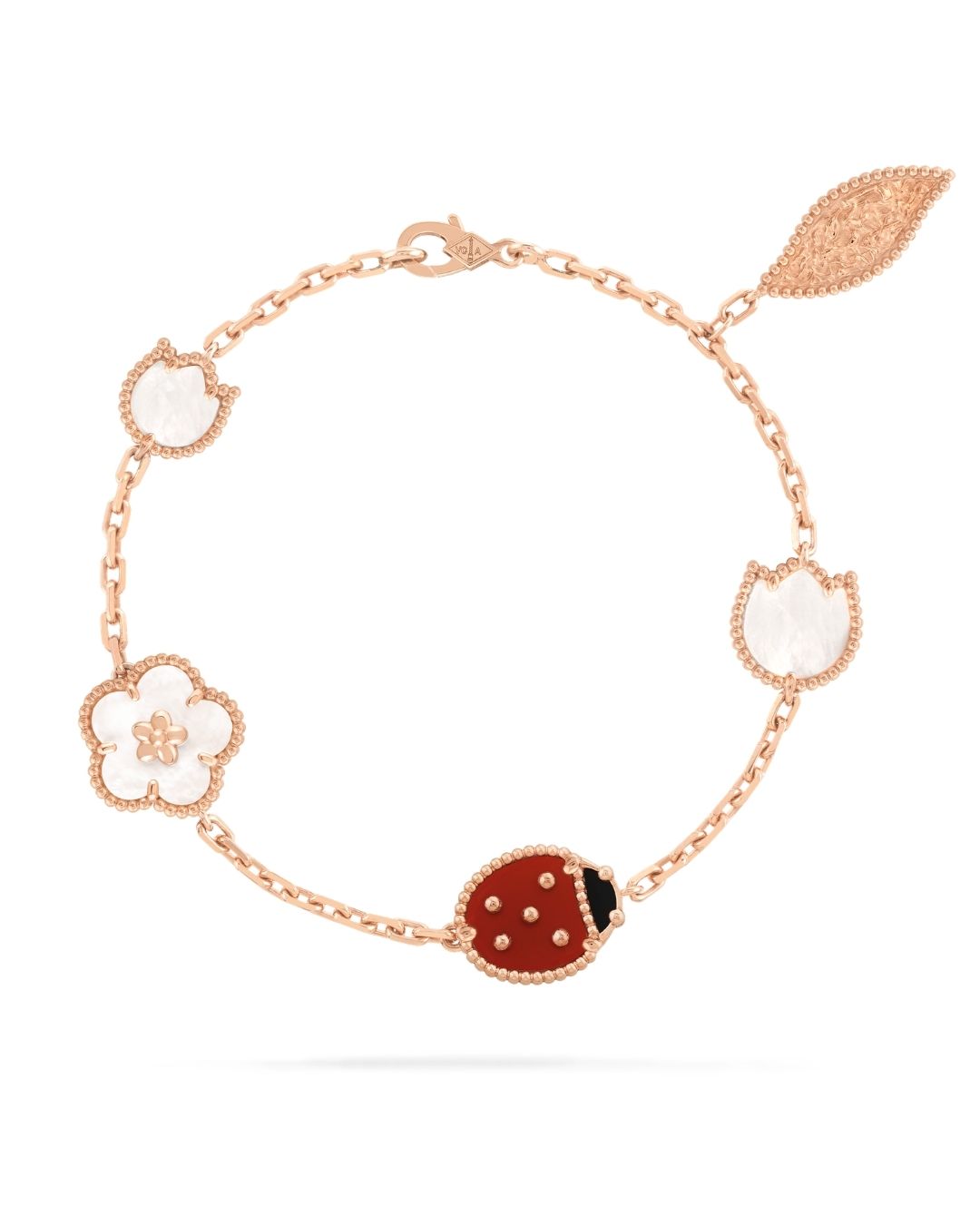
Talismanic design isn’t just an Eastern tradition. Tiffany & Co.’s Elsa Peretti Open Heart has become a modern classic, famously spotted on every Bridget Jones movie heroine moment. It’s worn as a symbol of openness, positive energy and healing, but its charm lies in its simplicity: a gentle reminder that meaning doesn’t need to be ornate to feel powerful. At Van Cleef & Arpels, luck is practically house code. The Alhambra, inspired by a four-leaf clover, remains one of the most recognisable lucky motifs in jewellery, while collections like Lucky Animals and Lucky Spring celebrate nature, optimism, and joy.
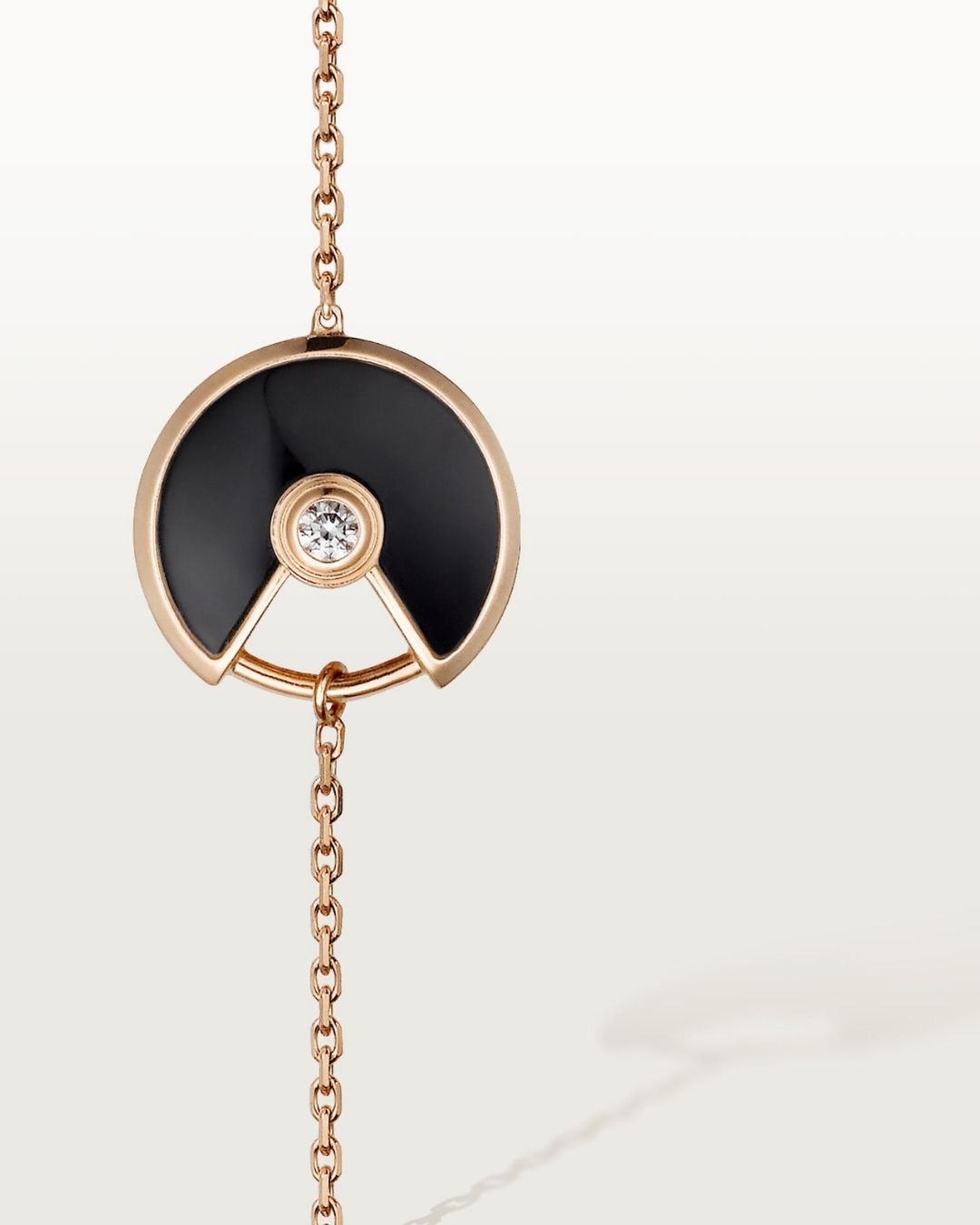
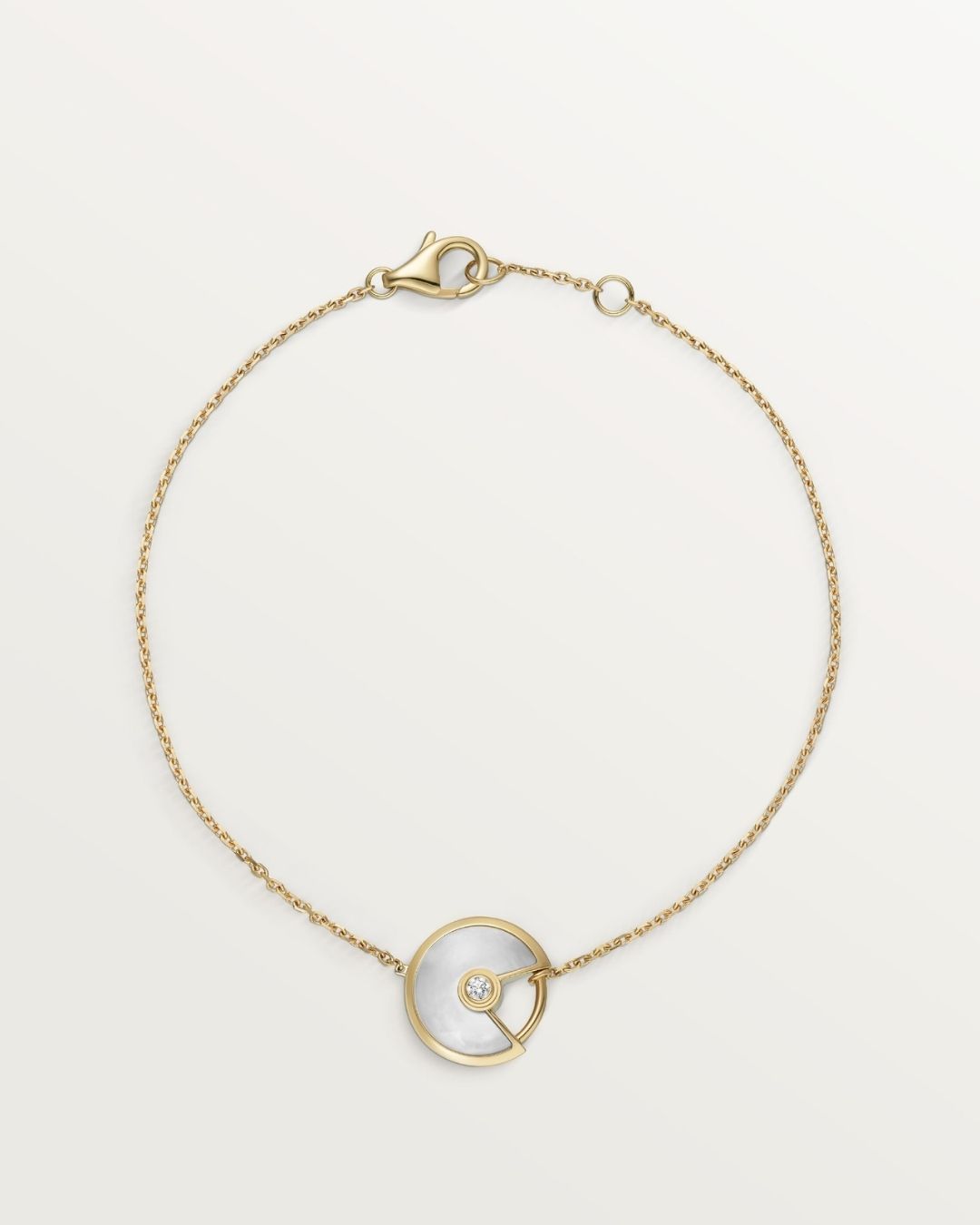
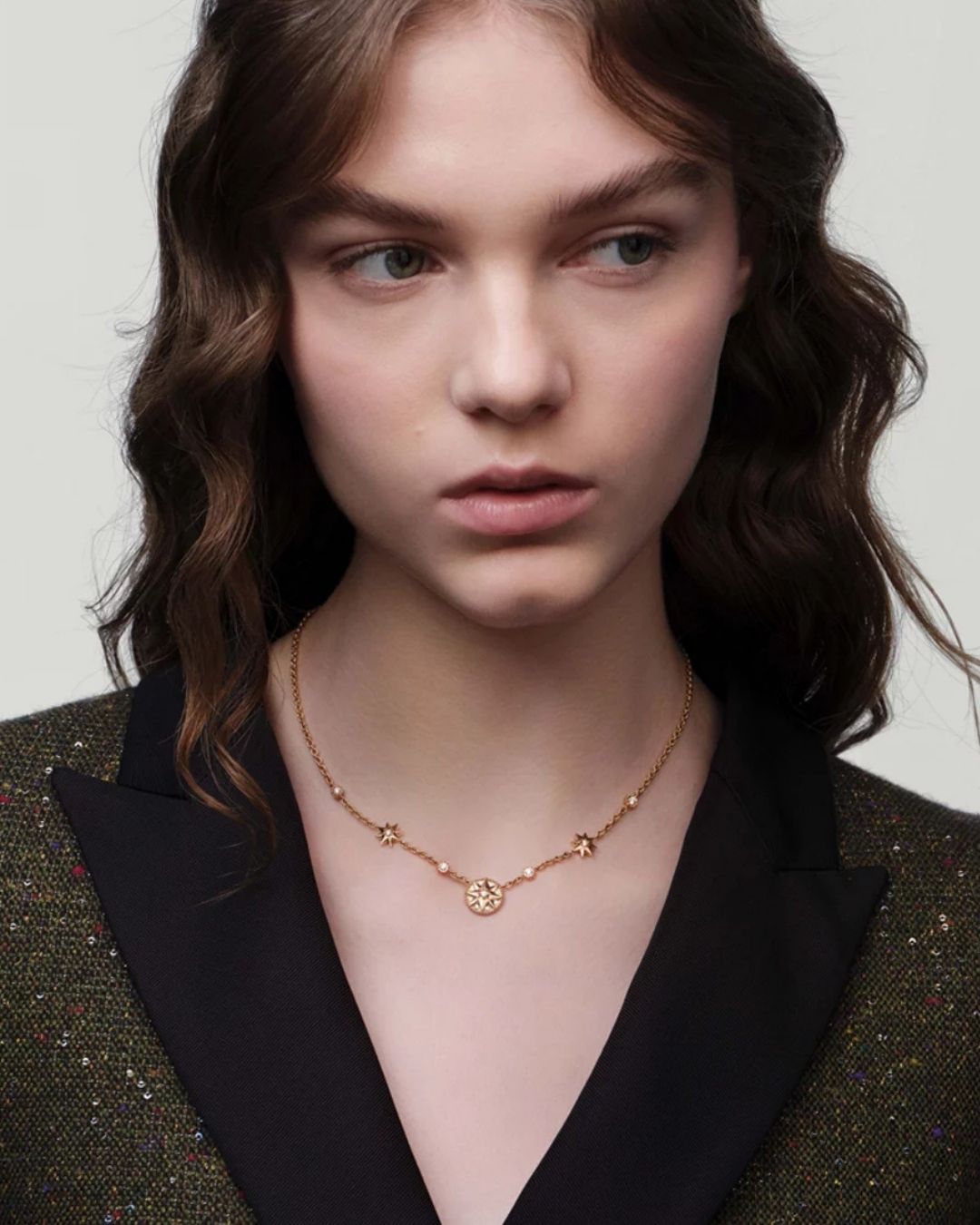
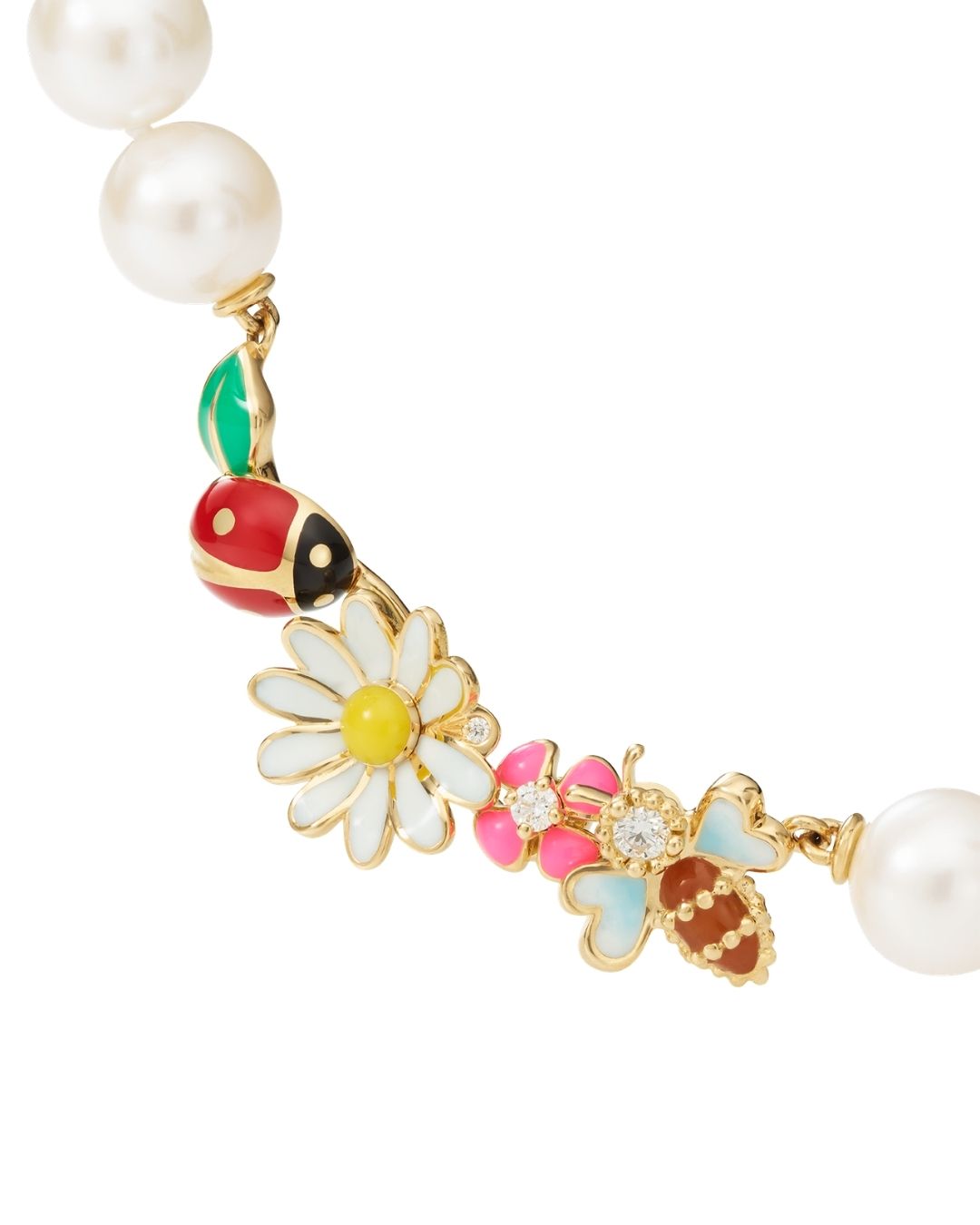
Few designers leaned into superstition quite as Christian Dior. A believer in fortune-tellers and signs, he embedded celestial motifs into his creative world. Today, Dior’s Rose des Vents collection continues that legacy with stars, moons and compass roses as wearable tokens of guidance and destiny. They’ve also released the Diorette collection, which features a clover, a ladybird, and a daisy paved with diamonds, each motif designed to be worn close to the heart, as talismans and lucky charms for everyday wear. Cartier’s Amulette necklaces take a more intimate approach, featuring lock-like pendants designed to hold a personal wish close to the heart.
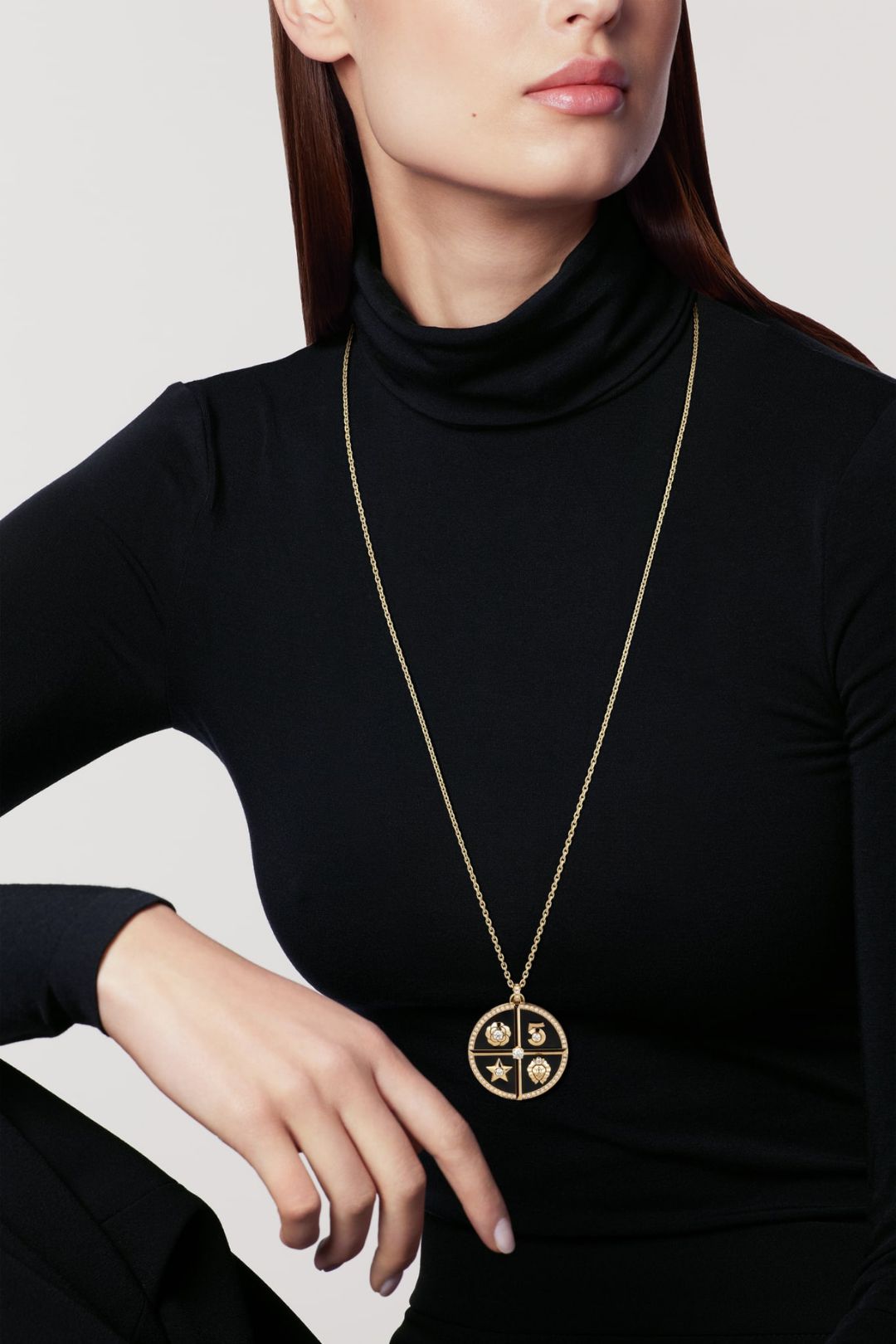
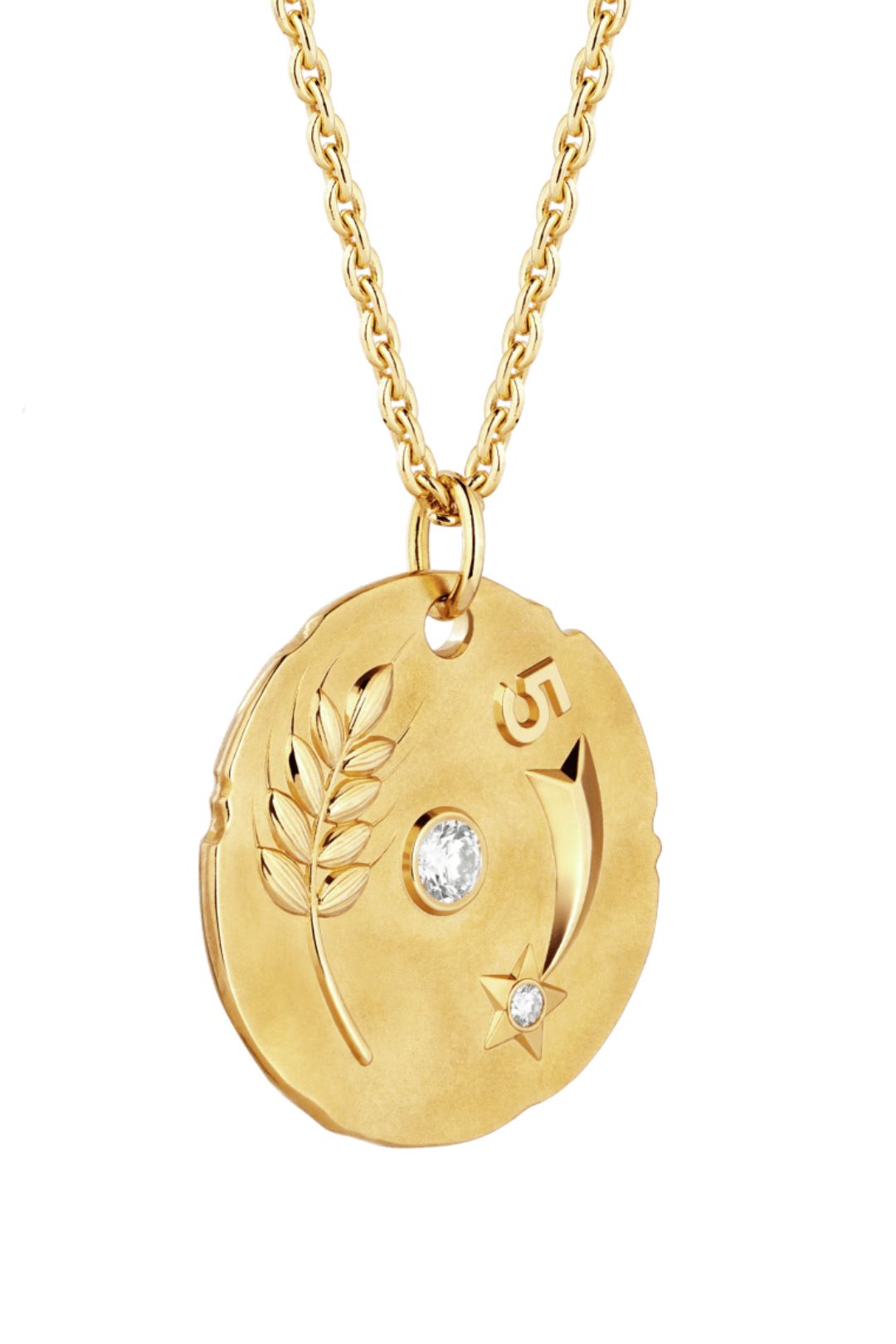
Chanel, too, has its own lucky lexicon. The house’s fine jewellery talismans from their latest collection, Chance De Chanel, feature Gabrielle Chanel’s most cherished symbols. These include the comets, camellias, wheat ears, the number five, and the lion, which have been crafted into medallions that feel both intimate and powerful. They’re pieces for those who believe luck can be created—and found.
While malachite was once gifted to protect travellers and children, jade has been prized for centuries as a stone of luck, protection, and healing. For those looking for guidance, Paraíba tourmaline’s mesmerising blue glow is supposed to bring calm and clarity. Astrology also has a role, with stars and numbers influencing gemstone selections in many cultures.
Ancient civilisations once wore coins as jewellery, not just as a display of wealth but as protective talismans believed to bring good fortune. Bvlgari keeps this tradition alive with its Monete collection, inspired by Ancient Rome, where currency doubled as adornment and amulet. It’s a legacy that still resonates today—even Taylor Swift has been spotted wearing coin jewellery at a Kansas City Chiefs American football game to support her fiancé Travis Kelce’s game.
From evil eyes and horseshoes to acorns, lucky jewellery continues to evolve while holding on to its deeper meaning. Perhaps that’s why it endures—in an uncertain world, symbolic pieces offer comfort, intention and a reassuring sense of control. After all, jewellery should feel as meaningful as it is beautiful, whether you believe in its protective power or simply enjoy carrying a little luck with you.
READ MORE