

What makes an icon an icon? Sometimes, it’s the silhouette. Sometimes, it’s a detail so recognisable it needs no introduction. And sometimes, it’s knowing exactly how much you can change without losing what made it special in the first place.
Van Cleef & Arpels’ Alhambra has long been one of those instantly recognisable designs, its four-leaf clover motif becoming as synonymous with the maison as its good-luck symbolism. But keeping this icon fresh can be difficult, seeing as how the maison created the first
Alhambra long necklace in 1968 whilst having icons like Princess Grace of Monaco, French pop royalty Françoise Hardy, and Hollywood icon Elizabeth Taylor, among many others, wearing them.
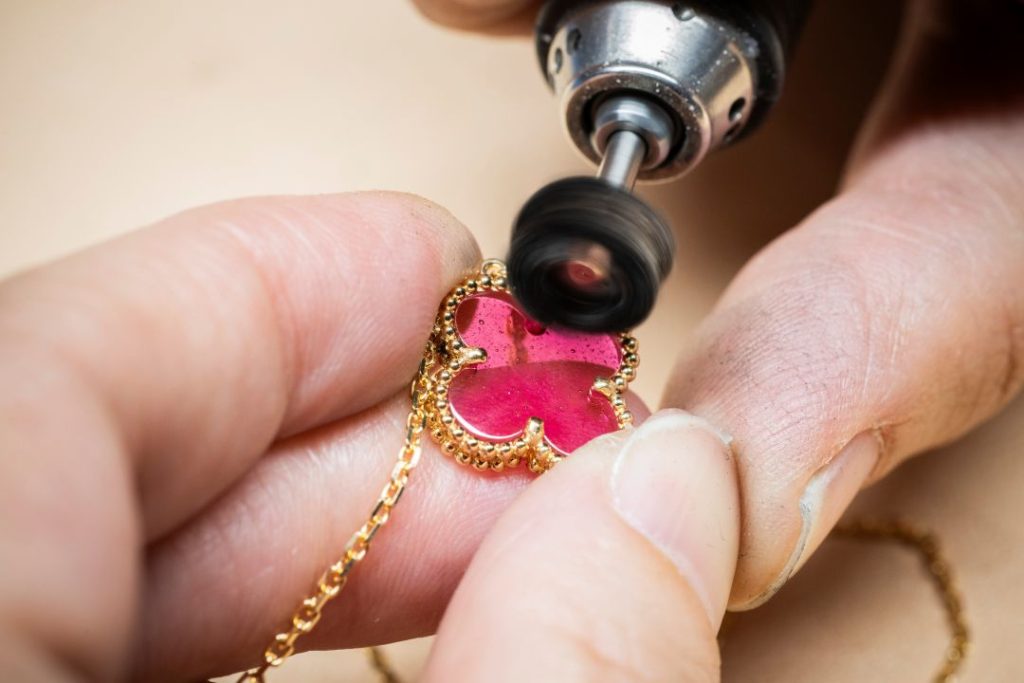
Inspired by the four-leaf clover, the emblem has spent more than five decades evolving without losing its character, moving through a kaleidoscope of materials from onyx and carnelian to mother-of-pearl, guilloché gold, and Sèvres porcelain. Its latest chapter sees the Maison turn to translucent enamel, introducing a new shade of pink that gives it an entirely new light.


The colour is the result of years of experimentation in Van Cleef & Arpels’ enamel workshops, drawing on the centuries-old “gold-ruby” technique in which fine particles of gold, rather than conventional pigments, create the hue. Getting the balance just right is the pivotal process, with the size, shape, and concentration of the particles determining the final effect. Set within the Alhambra’s signature gold-beaded contours, the resulting enamel comes alive with tiny bubbles with a translucency, catching and reflecting light with a distinctive sparkle. Across the new Vintage Alhambra and Magic Alhambra creations, the pink enamel adds another luminous chapter to its story.
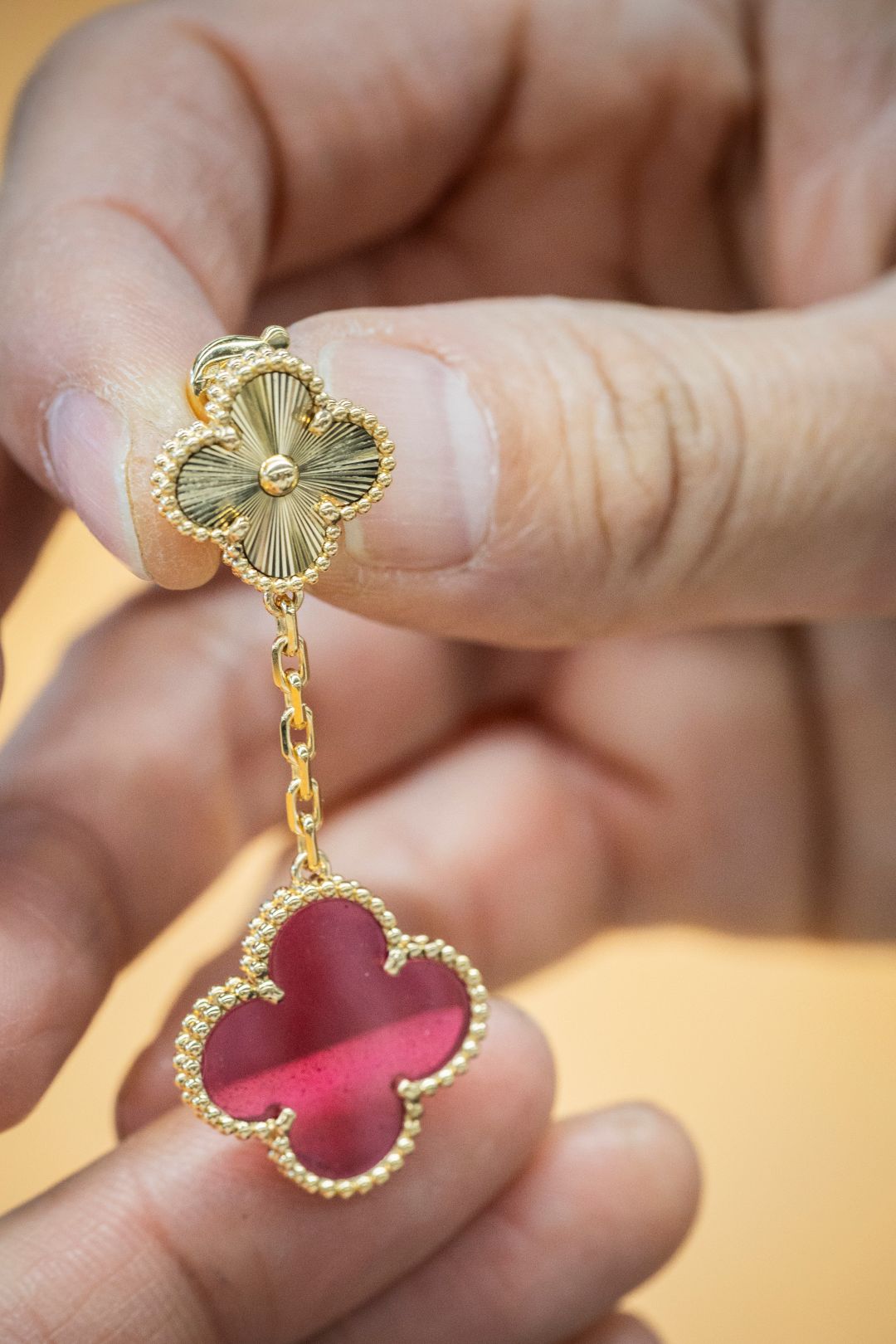
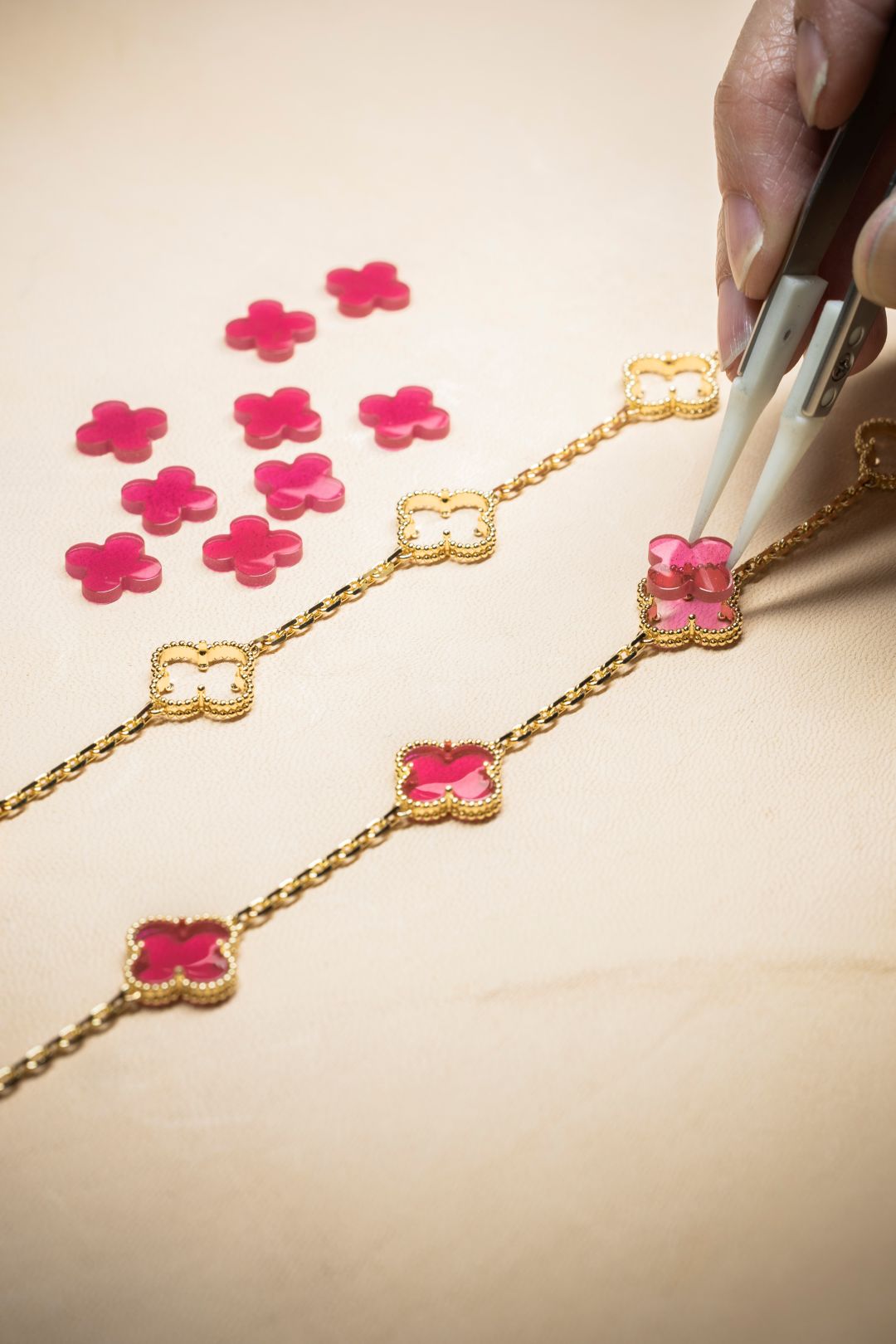
The new pink enamel is also a testament to the maison’s enduring dedication to the métiers d’art. Within its workshops, Van Cleef & Arpels has mastered more than 15 enamelling techniques, from miniature painting and grisaille to plique-à-jour, continually refining traditional methods while developing new ones. This depth of savoir-faire has already found expression beyond jewellery, notably in the Maison’s Extraordinary Dials collection of watches, where these intricate enamelling techniques bring miniature works of art to life on the wrist.
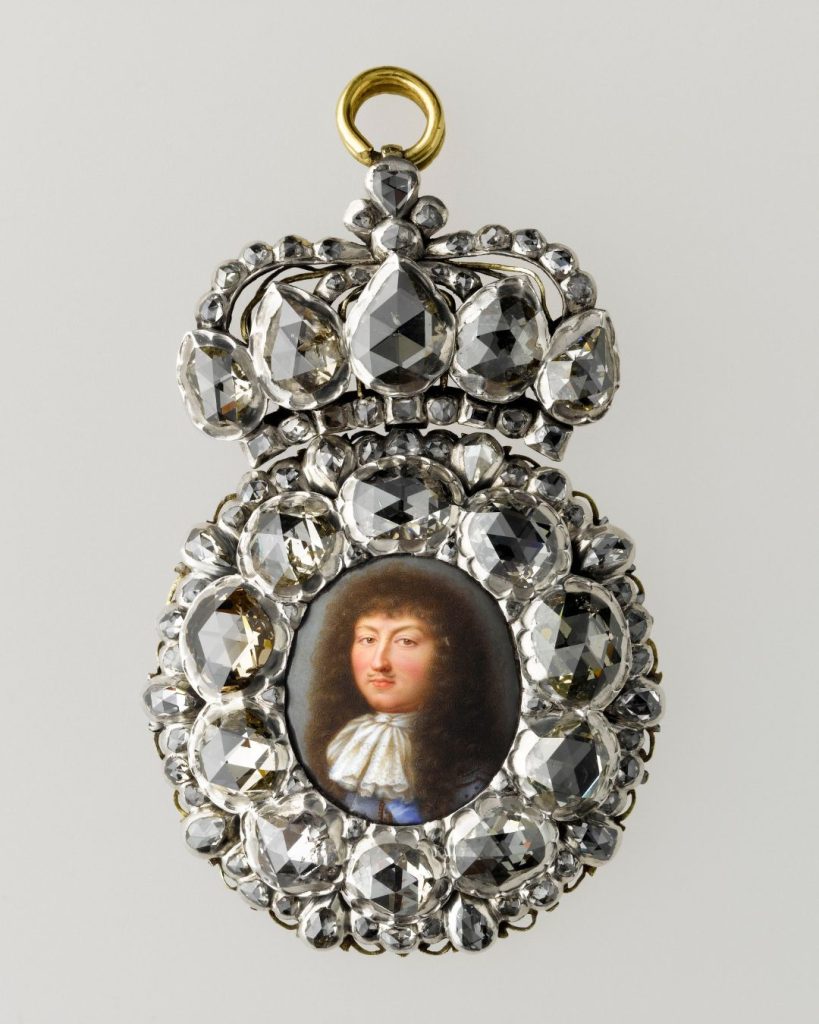
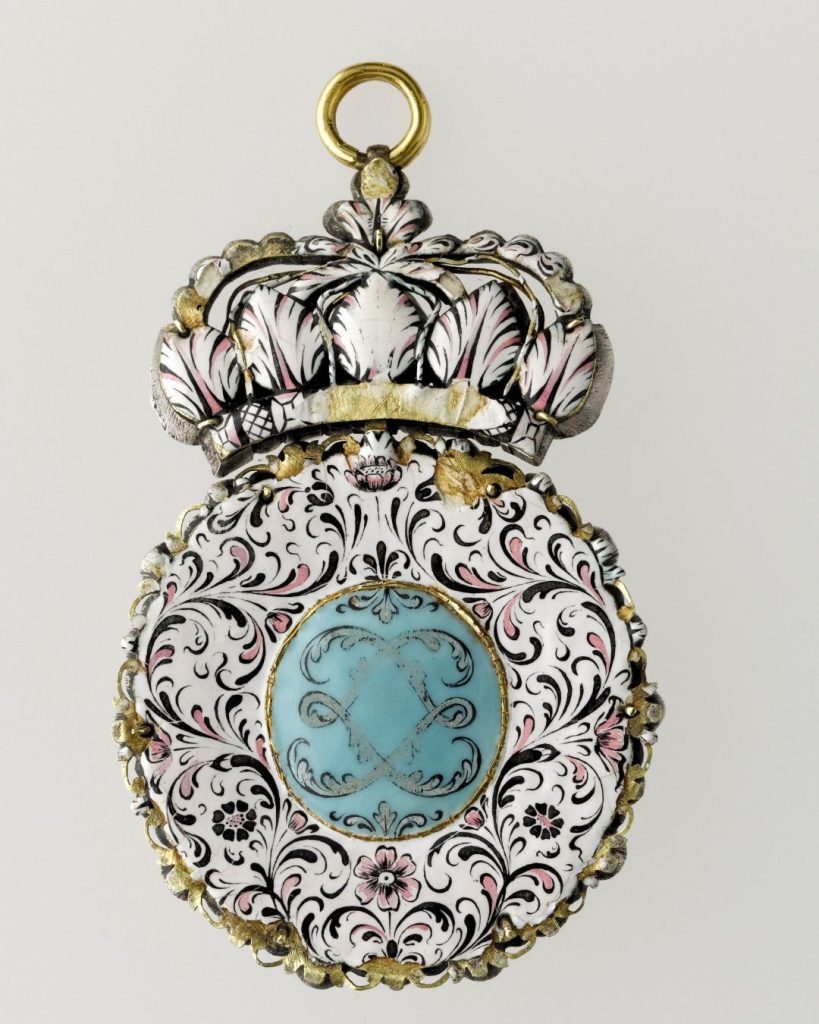
Louvre Museum, Department of Objets d’Art of the Middle Ages, the Renaissance, and Modern Times (Photo: Van Cleef & Arpels)
Long before it found its way into Van Cleef & Arpels’ creations, enamel had already had its place among the decorative arts. Its origins can be traced back more than 3,500 years to Mycenaean Greece, before the technique travelled across the Mediterranean and eventually into the workshops and courts of cultures around the world. Valued for its ability to capture colour and light, enamel was treated as a precious material in its own right, often paired with gold and gemstones on objects and jewels destined for royalty. European rulers commissioned elaborate enamelled pieces as diplomatic gifts and tokens of affection, while, by the late 18th century, the medium had evolved into miniature canvases for landscapes and travel scenes, transforming jewellery into tiny souvenirs of the world beyond.
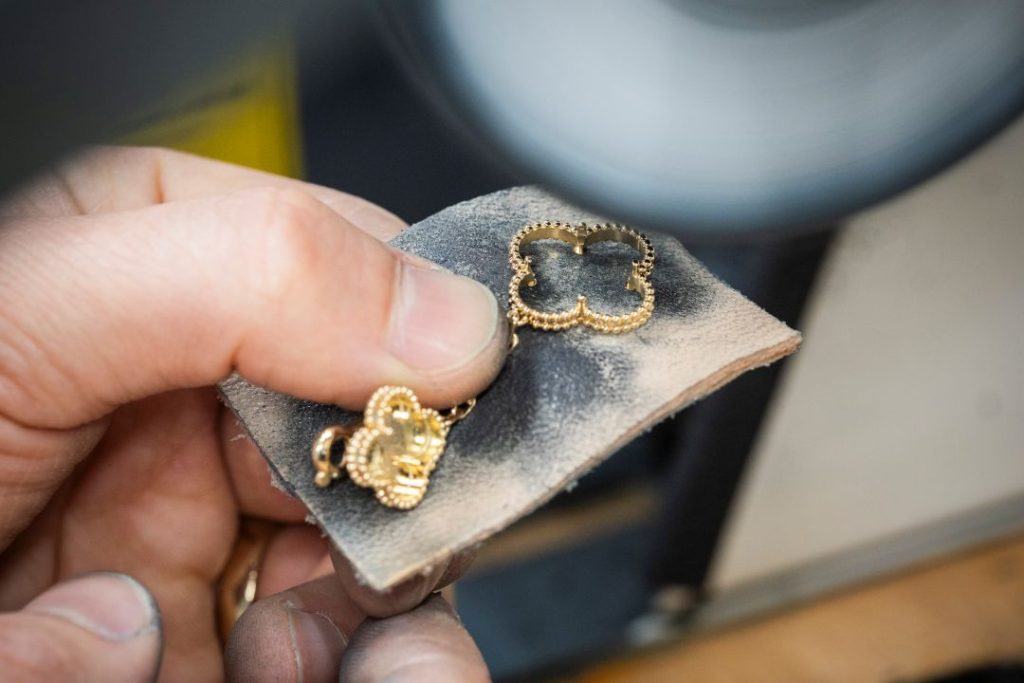
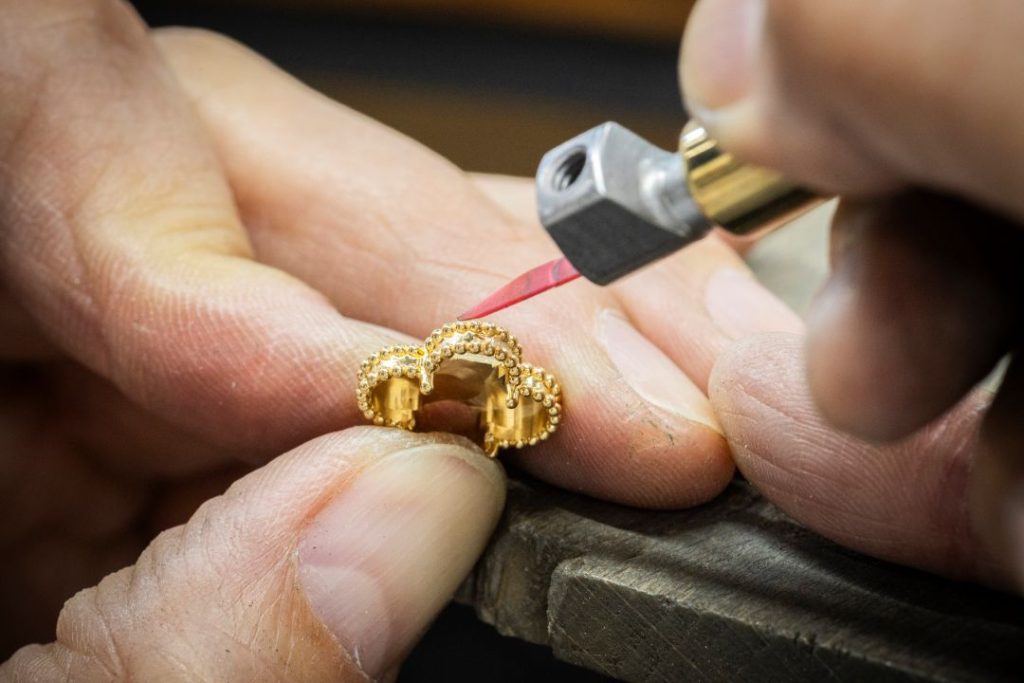
For Van Cleef & Arpels, this historic material has held a particular place since 1906, becoming part of the Maison’s ongoing exploration of colour and craftsmanship. Across centuries, enamel has offered jewellers an extraordinary vocabulary of effects, from saturated hues and delicate decoration to the illusion of shadow, light, and depth. It is this rich tradition that the Maison continues to reinterpret today, marrying an ancient savoir-faire with the precision and imagination of contemporary jewellery creation. Because perhaps the trick to keeping an icon relevant isn’t reinventing it completely. It’s knowing when to leave well enough alone and when to change just enough.
READ MORE