
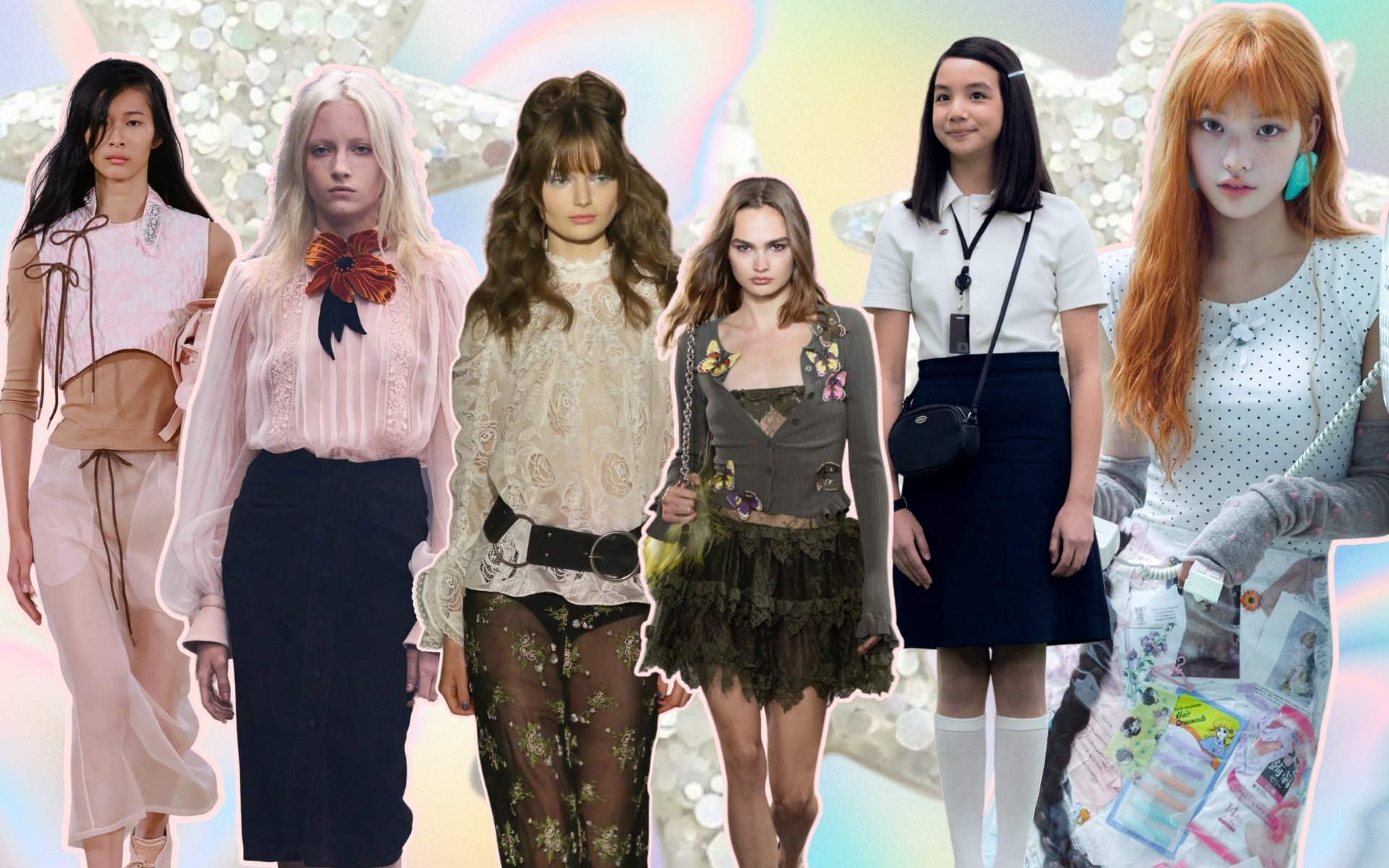
Somewhere between the sweats-and-socks year of lockdown and today’s hybrid work reality, an unexpected visitor arrived at the office. She wears bows in her hair, frills on her blouse, and Mary Janes on her feet. The girlhood style has officially clocked in for her nine-to-five. But will she thrive in the workplace with a rigid dress code, or will her exploration in hyper-femininity remain an unrealistic, romanticised concept that social media has been glossing over for years?
Weeks ago, I stumbled on a post urging Gen Zs to “put some effort into wearing makeup and looking presentable”, with a finger pointed specifically at those who work or are looking to build a corporate life. Now that Gen Zs, as reported by McKinsey, may comprise more than a quarter of the global workforce, the “girly culture”—one of the core influences of this age cohort—enters the “presentable” conversation with their girly bows, ruffles and whimsical silhouettes. But how do we judge what’s presentable and what’s not? Who gets to decide? With Gen Z gradually becoming the dominant workforce demographic, will being “presentable” finally be a standard they—and their wardrobe—can relate to?
My conversations with this group of women proved otherwise. While more leniency is granted, strict dress codes remain strongly enforced—no skirts above the knee, and for some industries, coloured hair is still a non-negotiable no-go.
Be That Girl
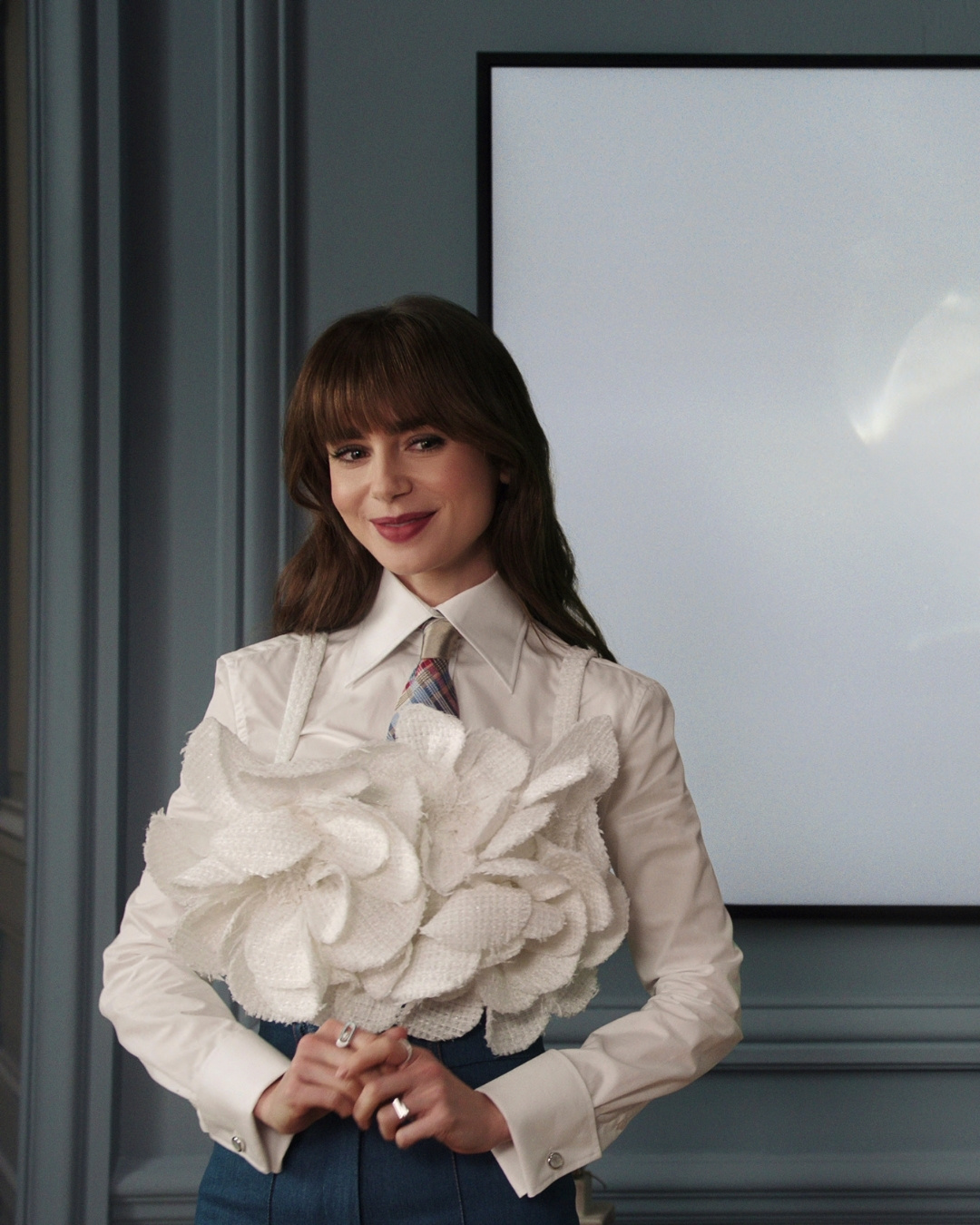
What is girlhood fashion, and how has this corporate-tinged empowerment movement transformed into microtrends that celebrate, critique, and complicate feminine identity? Over the years, the term “girl” has grown beyond its noun. It has become a moniker without age or gender attached—calling a man “girl” is an endearment, not an insinuation. It was Girlboss in the 2010s, cottagecore and more -core suffixes that followed. It was the cowgirl, blokette, clean girl. It was the Brat summer, the Bella Swans, the Sofia Coppolas, the frazzled English woman—she is dazed and dreamlike, but she is also refined and a She-EO.
She could be everything—but first, she must grow out of the “girl” shell once she puts her work tag on. Because, as much as we want to believe the sales for bag charms are skyrocketing or that the coquettes and preppy looks dominate our screens, there is a real world out there that requires the girls to look presentable and put on a well-tailored blazer—one for the executives, not your oversized thrift store shenanigans. To remove your kid-like charms dangling on your belt loops and put on makeup instead—not the theatrical kind, but be presentable; try the “no-makeup makeup”—whatever those jargons mean.
Take the recent incident with Olympian Alysa Liu, for example. After challenging the strict dress code for athletes on ice with her alternative style, she stood on the podium with a gold medal on her neck, only to be criticised for her piercings and halo hair. Just how long will it take for formality to give way to a girl and her fashion choices so that she does not have to pull a Hannah Montana?
Borrowed Authority
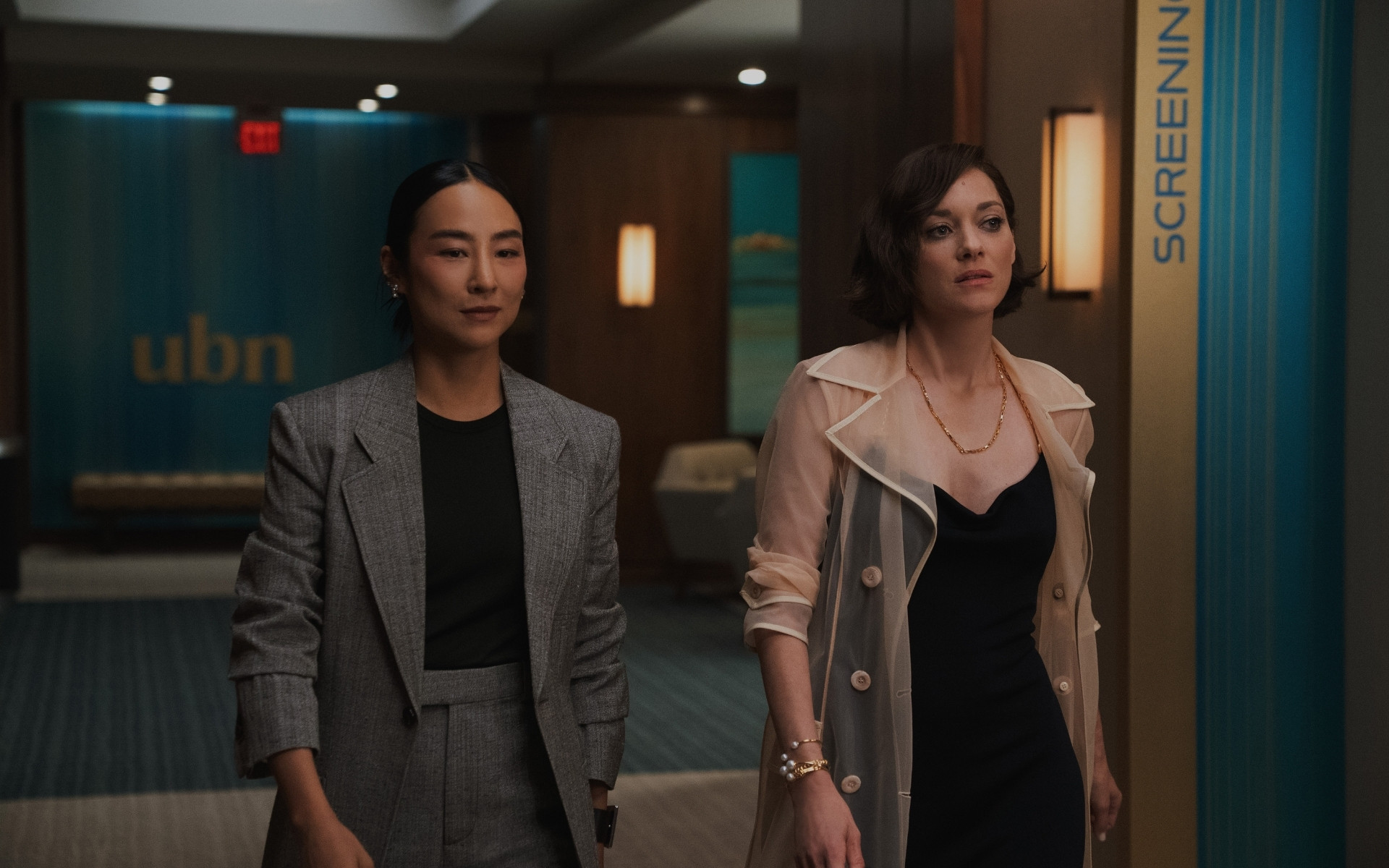
When Yves Saint Laurent introduced Le Smoking—the tuxedo for women—in 1966, it was considered radical precisely because it borrowed masculine authority to give women an option. Power suits in the 1980s were a form of resistance that allowed women to navigate a male-dominated corporate world. But if fashion trends are cycling faster than ever, why do power suits—something borrowed from men—remain the ultimate symbol of a woman’s professional credibility? Why does a woman in a tailored suit set project authority while another in a bow-frilled blouse risks being perceived as frivolous? Why are feminine-coded, or rather, “girly” elements still associated with incompetence while masculine-coded garments confer power?
Some would argue that, well, at least gendered fashion indicators such as dresses and skirts are now permitted. In 2026, however, a close friend who works in an auditing firm shared that young interns would receive warnings from HR for skirts inches above the knee. “They’re oppressed by their clothing,” as costume designer Sarah Edwards told Vogue regarding her work on the award-winning TV series, Severance—a show that captured the rigidity of a workplace dress code.
It’s not unusual for employees to succumb to workplace attire restrictions for survival’s sake. From the employers’ perspective, these standards—however archaic—save them one less problem. Even Kat from Finance, the content creator who built a following on utterly stylish office fashion, admitted in an interview with Novembre magazine that there existed “a certain perception of what a successful woman was meant to look like”. She, too, once “leaned towards more conventional workwear” that felt more appropriate for the world she was navigating.
Babygirl, Not Baby
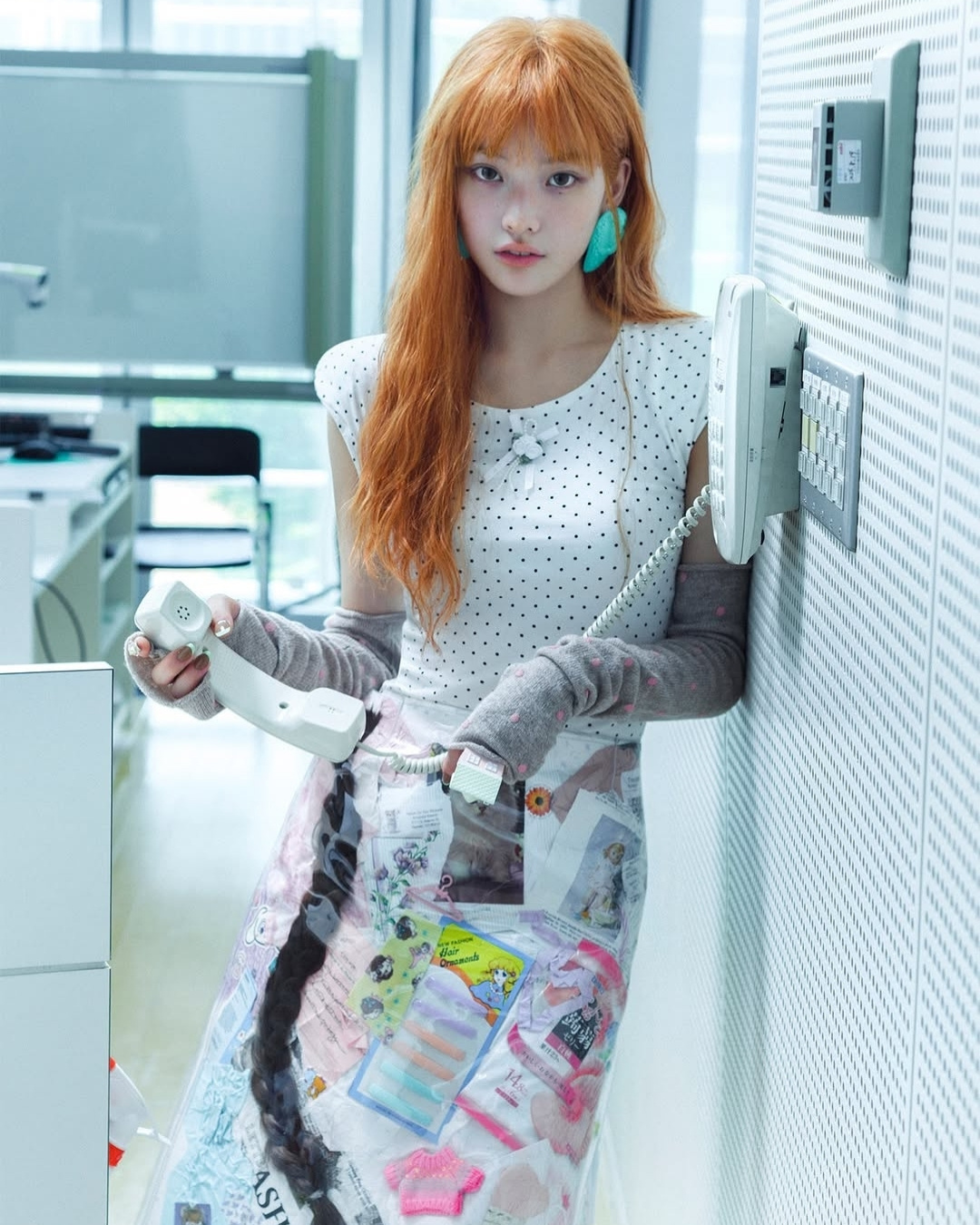
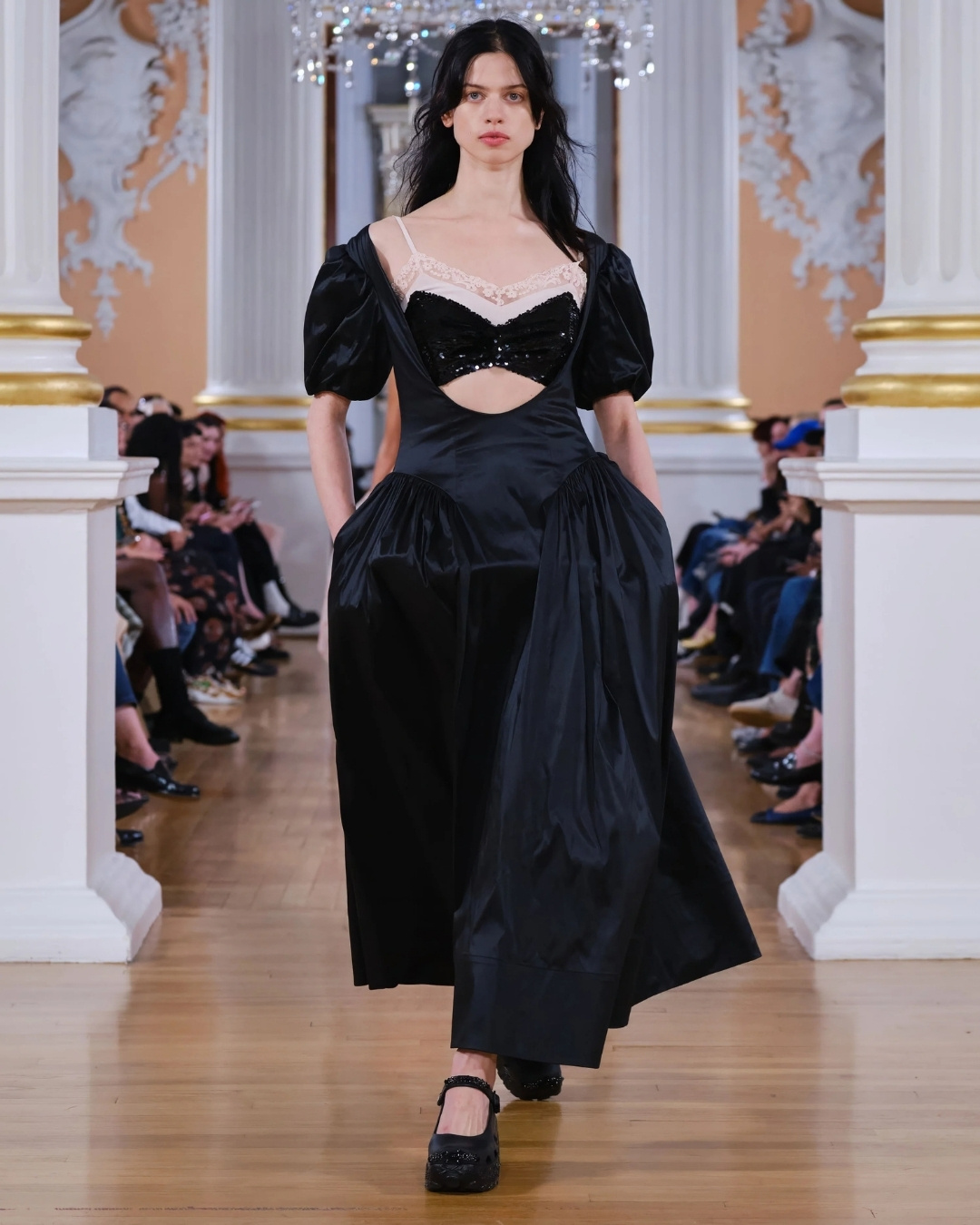
Gendered perceptions are not the sole issue; “girl” fashion is also synonymous with age and maturity in the workplace. While the cultural idea of “womanhood” becomes politically and emotionally loaded, girlhood, by contrast, offers a prelapsarian space of possibility, before responsibility sets in—one’s bows on her dresses upstage her professional credibility. This boggles the mind because what is a “girlboss” if you take the “girl” out? What is the reason to factor one’s style choices into how she moves the needle?
This coincides with a recent University of Cambridge study on delayed adulthood, where sociological research now shows “emerging adulthood” stretching to age 32. For the younger Gen Zs entering the workforce in their extended adolescence phase, the looming question is: why make them dress like “women” when they have yet to reach that stage of life? This generation is bringing childlike whimsy into professional spaces—in parallel with how fashion itself keeps falling back into the whimsy’s embrace, Dior by Jonathan Anderson, for example—not because they refuse to grow up, but because this is simply the phase of life they occupy, one that would flourish without hastening.
The question then is whether these professionals can afford the liability of being misunderstood, especially since a regular workplace comprises a network of other age groups who might have experienced a different “adulthood” than their younger peers. Credibility is, unfortunately, often based not only on appraisals but also on how their coworkers present themselves. For many, girly elements still trigger associations with incompetence, emotionality, and sometimes, even sexual availability—none of which belong in performance reviews.
Girls At Work
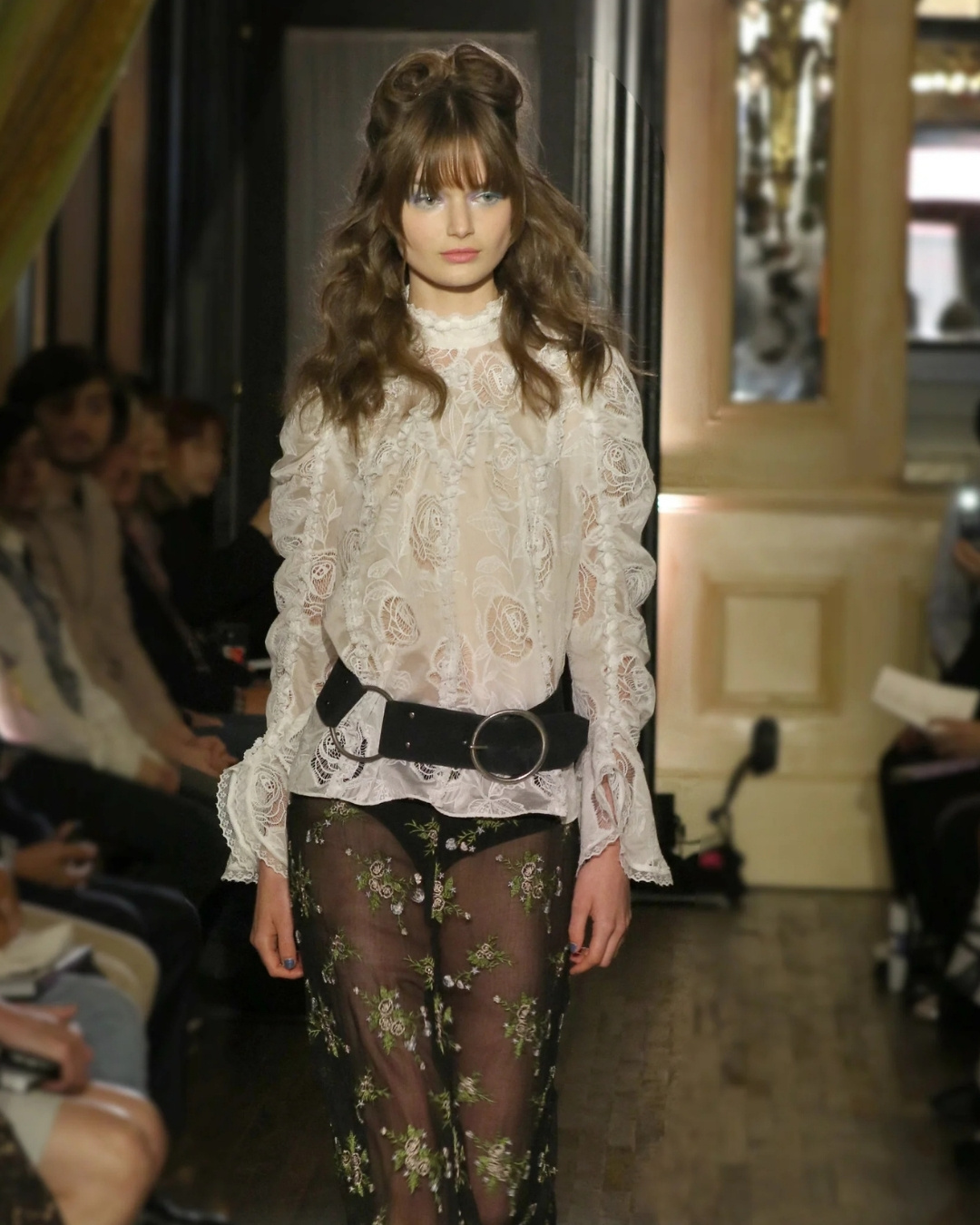
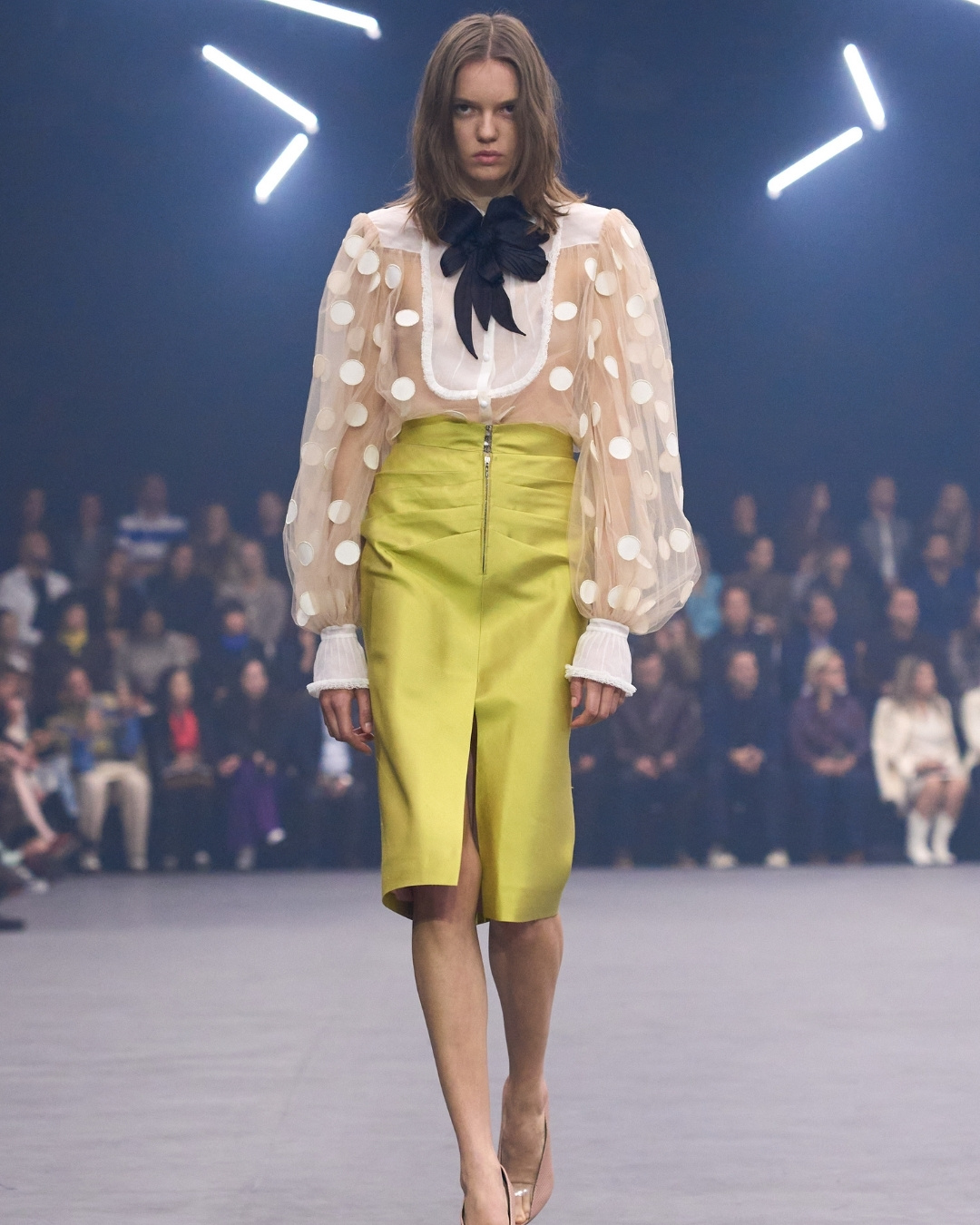
High fashion is, and has been, far-fetched for the regular woman. But high fashion has always met the needs of women of its time. A recent interview with Vanessa Friedman, chief fashion critic from The New York Times, sums this up well. When asked what element draws her attention most when reporting, the fashion journalist shared that it is never about what appeals to her eyes, but rather, “Is there a woman who would wear this? Does it satisfy a need?”
When fashion celebrates girlhood, it conveniently ignores that delicate dressing requires resources most working women lack—time for maintenance, money for dry cleaning, and the career security to be read as “whimsical” rather than “unprofessional”. The girlhood trend in the context of fashion, for all its rhetoric about liberation, may be less inclusive but more so a marker of class privilege.
Like girlhood itself, the fashion styles associated with it demand maintenance. Sheer fabrics require careful washing or dry cleaning, and frills must be pressed. Delicate laces snag and tear, while big bows cannot survive crowded commutes. This is for women who can afford to wash, steam, and replace worn clothes. When a patchwork sheer skirt from Simone Rocha—a fashion brand that celebrates girlhood—retails for £1,195 (approximately RM6,300) and requires dry cleaning after every wear, it excludes anyone whose clothing budget must stretch further. “Girlhood”, in this case, becomes a visual language spoken primarily by those with economic freedom.
There is an underlying class contradiction in these girlhood styles. Miu Miu, for example, included aprons in its Spring 2026 collection to pay tribute to unseen labourers, which then retailed for $2,200 (approximately RM 8,700)—a drastic markup over the smocks sold at a regular department store. Similarly, Prada, a brand synonymous with being intellectual, sent dress shirts with age-stained cuffs and collars on the runway, starting a trend where nonchalance is signalled through deliberately-stained garments. Chanel, too, presented crumpled and crushed bags at its Spring 2026 show. These decisions that define girlhood styles are well-received in the press, appealing on the runway, and even warrant a standing ovation from a creative perspective, but they will never translate to the workplace. Not only are they impractical, but also because most employees, women especially, cannot afford to be misunderstood while wearing them.
The contrast between what fashion offers and what working women actually need could not be more stark. Real working women need clothing that gets them through long days without losing shape—durable, breathable and professional-looking. They need bows loud enough for self-expression but sturdy enough to survive the peak hour rush, they need laces that can exist in the workplace and transition to a dinner date. Instead, some receive uniforms—provided, not chosen. Their “girlhood” is filtered through decisions made by others, as not all workplaces grant them the chance to roll out of bed in a “Rococo fantasy”. Unfortunately, girlhood in fashion exists as one to cash in on rather than to serve.
Hot Girls, Walk
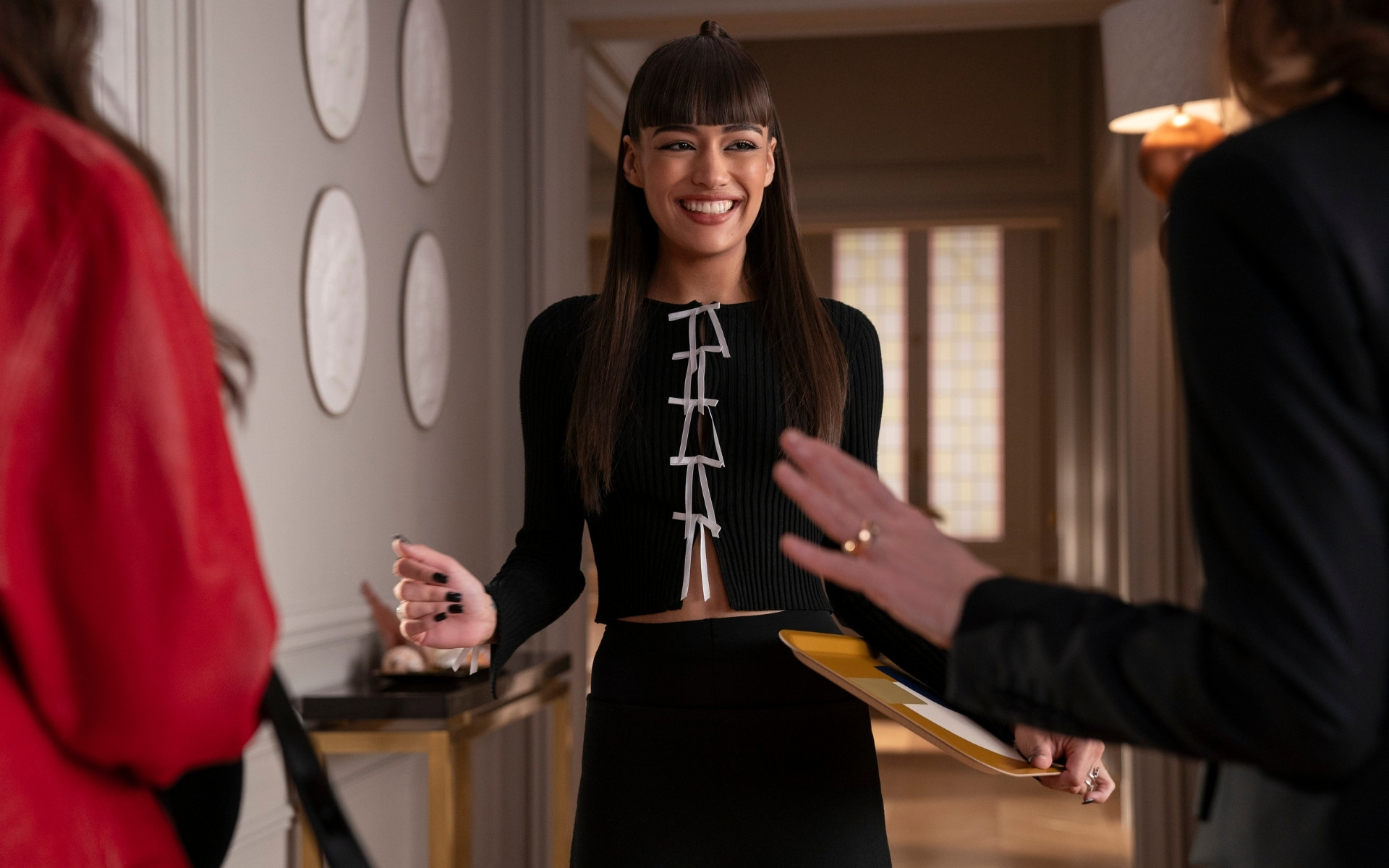
For all the talk of girlhood as rebellion or reclamation, the workplace remains stubbornly material. It does not care about one’s aesthetic journey; it cares about quarterly earnings, client perceptions, and whether this young lady in a ruffled sleeve belongs in the room where decisions happen.
This is the limit that no amount of TikTok visibility can dissolve. The structures that evaluate women’s seriousness by the way they dress did not vanish when coquette went viral. In fact, these pendulum swings are further exacerbated by new research, which reveals a significant increase in conservatism among Gen Z men. Many of these men resist secular trends and gravitate towards traditional values at twice the rate of Baby Boomer men. The workplace handbook has simply learnt to tolerate a wider range of surfaces while preserving the same deep, if not deeper, judgments. A shorter bubble skirt might be permissible now; a woman who wears one still finds herself needing to prove that she is not defined by it.
Will girlhood fashion survive? Of course. Trends always do, in some form, somewhere—just probably not the workplace, yet. The underlying question is never about the garments, but whether the world or the workplace will stop demanding that women explain themselves, especially in a time when 41.9% of senior leadership roles in Malaysia are now held by women, according to the latest Grant Thornton’s Women in Business 2026 report.
The women I spoke with don’t have answers to these questions. They have strategies—backup blazers in their office for last-minute “formal” meetings on days they decided to put on frilly sequin shirts. Heels to change into in case their Mary Janes fail the “vibe check”.
What would it take for girlhood fashion to coexist with workplace formality—not permitted or “allowed within reason”, but genuinely integrated, so that a woman in a ruffled blouse inspires the same immediate respect as a woman in a tailored suit or a man who simply breathes in the worst set of suits? The answer is uncomfortable; it requires dismantling the assumption that femininity and competence are interchangeable. We need companies to ask whether their dress codes serve actual business needs or merely perpetuate traditions of age or gender whose origins no one remembers. Fashion itself, too, needs to stop treating working women as an afterthought and design for those who commute, endure long hours, and return home without dry cleaning budgets the size of a car payment.
None of this is impossible. None of it is imminent either. The girl with her “girly girl” preferences will keep coming to work, rain or shine, hoping the workplace and its clothing rules will eventually meet her halfway. Because this is simply what the girls—and women—have always been doing: showing up, doing their parts, and waiting for the world—in this case, the corporate world—to catch up
This story first appeared on GRAZIA Malaysia April 2026 issue.
READ MORE
Fandom’s Calling: Fashion And Fandom Culture Are Inseparable
The Evolution of Stripes And How We Are Styling Them Today
Ella Gross, Madison Beer and the It-girls Are Reviving the Babydoll Dress—and It’s Cooler Than Ever