
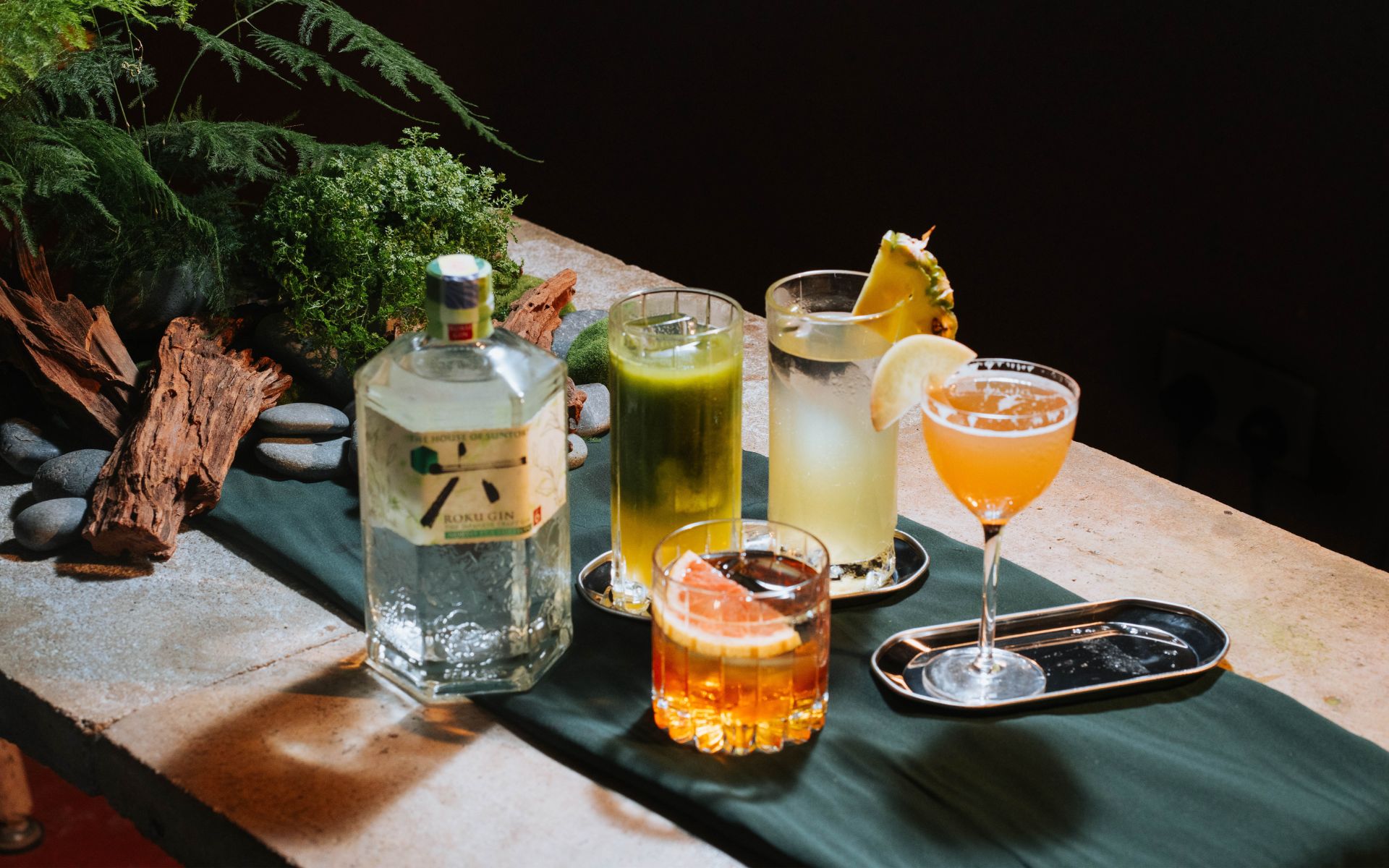
Tea has long been revered for its ancient origins, cross-cultural influences, and various health benefits. Its significance, being steeped in the history of various cultures, is often associated with hospitality, rituals, tradition, and even spiritual practices. So what happens when the worlds of tea and gin collide?
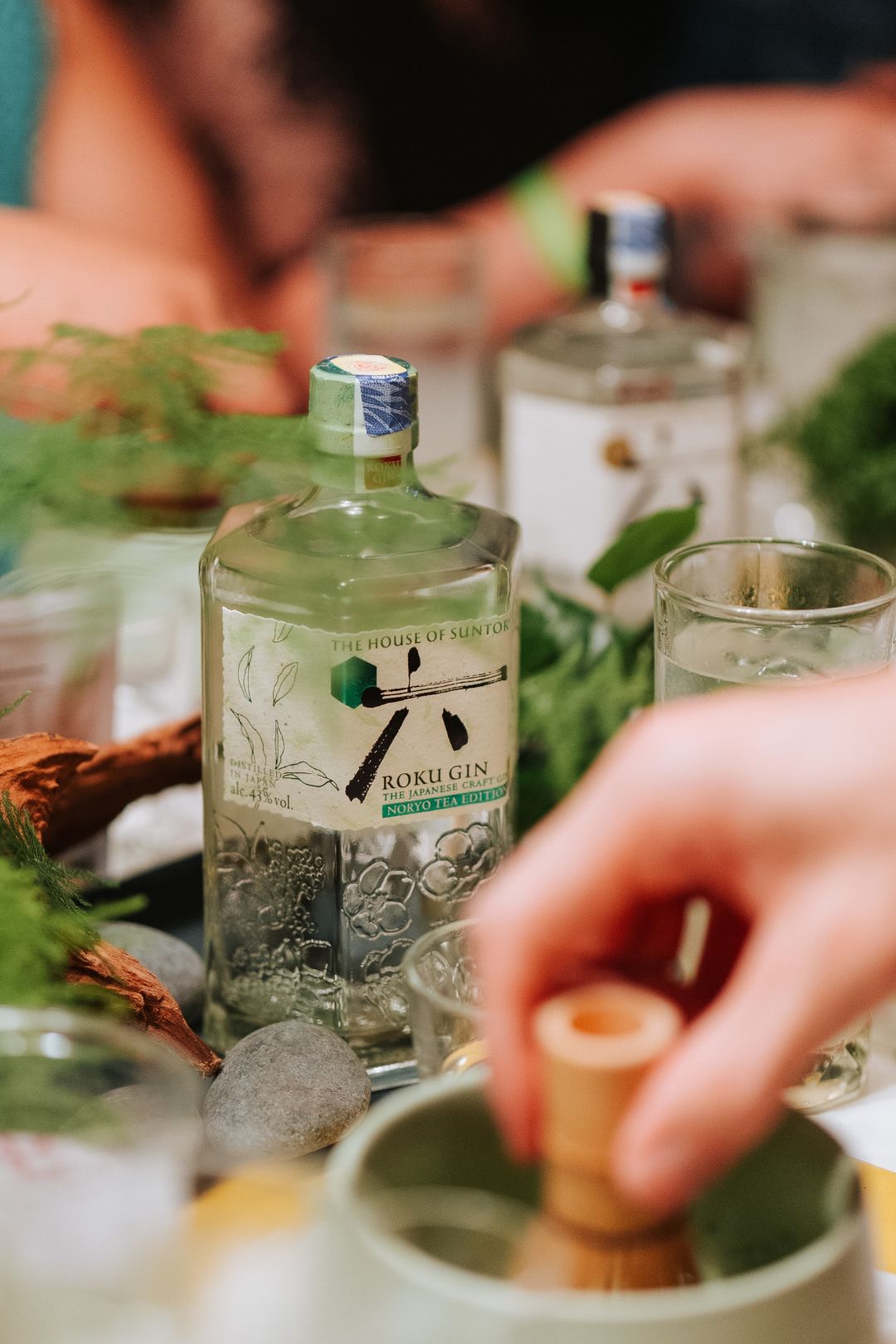
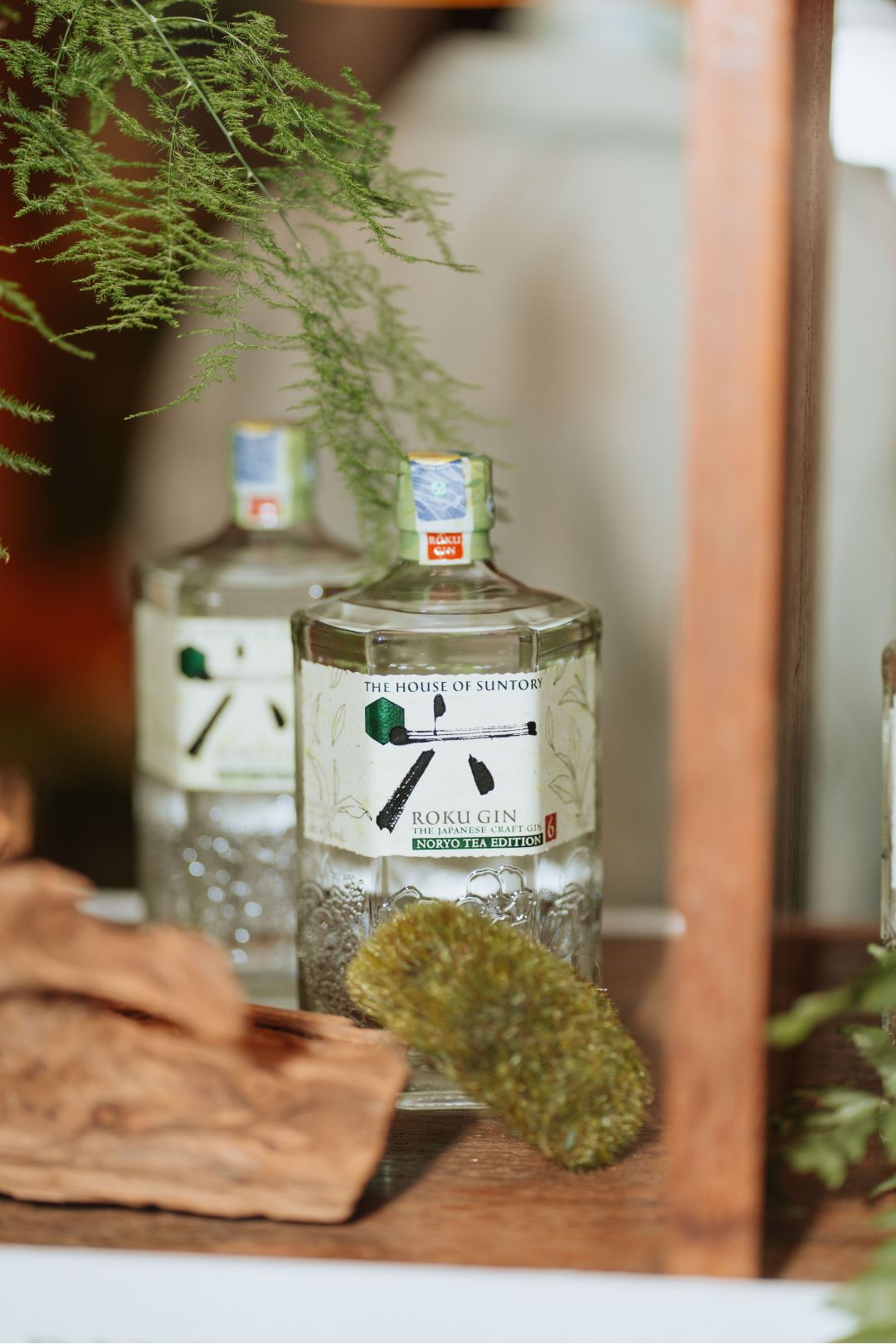
Chalk it up to mixologists venturing into newer ways for alcohol to be consumed or everyone’s efforts to be more health conscious—whichever it is, both worlds of brewery are clearly becoming increasingly collaborative. Just last August, The Roku Gin Noryo Tea Edition made its debut at an “Asia’s Smallest Tea Bar” pop-up. Centred on the idea of Noryo, the Japanese summer tradition of seeking refreshment and coolness during the heat of summer, this limited-edition summer release features Sencha and Gyokuro, two contrasting green teas popular in Japan.
This event led us to an interview with Darwin Ng, House of Suntory Brand Ambassador in Malaysia, and Shaun Liew, Founder of ONO Specialty Coffee & Matcha, where we delved into the inspiration behind this pairing, both individual’s perspective on their craft, and the future of Japanese tea culture.
First up, we have Ng to tell us about the decisions and harmony behind this collaboration.
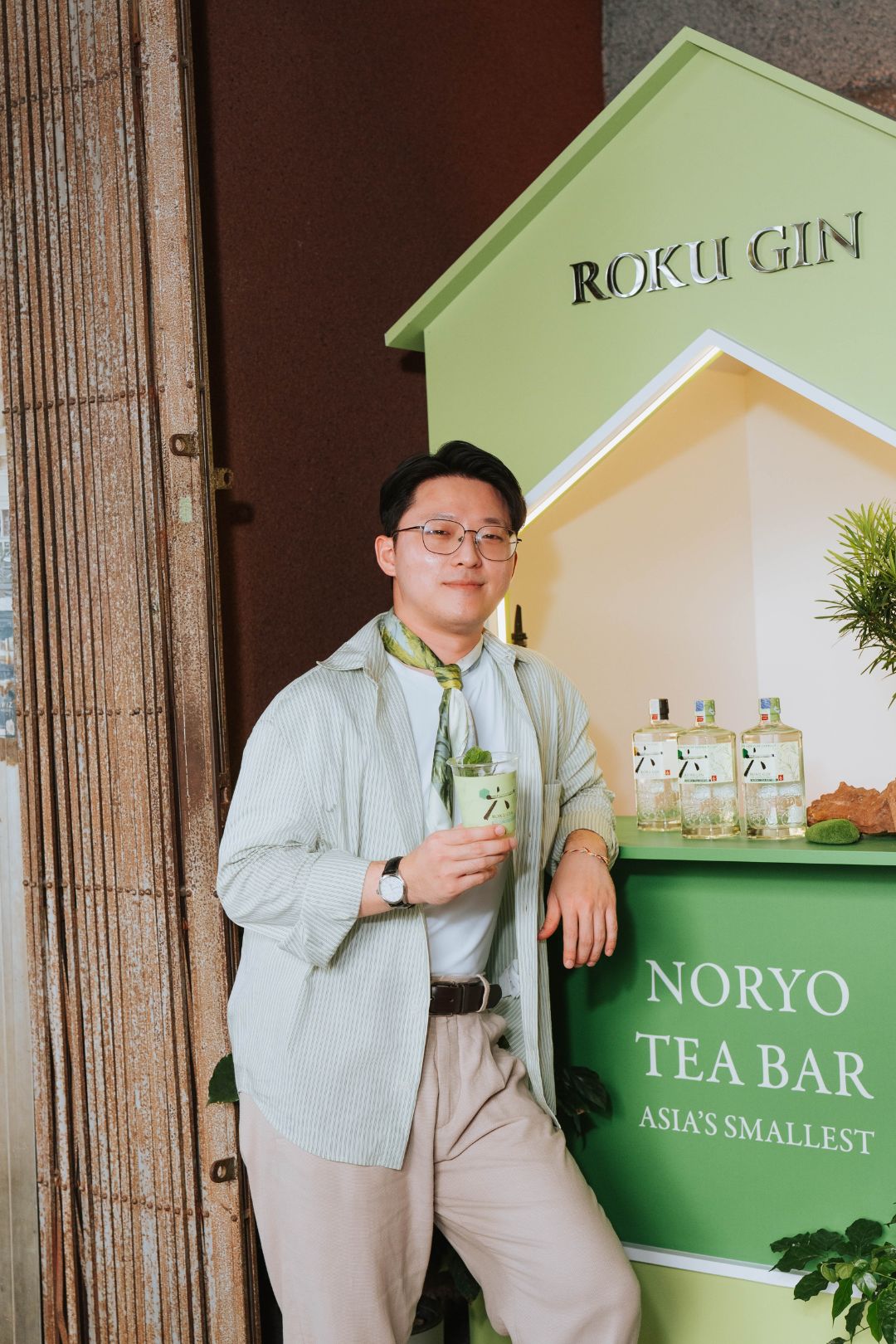
Roku Gin has always drawn on Japanese botanicals, but the Noryo Tea Edition highlights tea. What made this the right moment for Suntory to explore tea as a defining element rather than just an accent note?
Darwin (D): What makes this particularly meaningful is the idea of Noryo, the Japanese summer tradition of seeking refreshment and coolness during the heat of summer, whether that is enjoying a cooling breeze by the river or in the shade. Tea naturally connects with that sense of refreshment and appreciation. So rather than simply creating a “tea-flavoured gin”, this edition explores another dimension of Roku Gin through a distinctly Japanese seasonal tradition, bringing out a fresh, vibrant and cooling expression of the gin.
Sencha and Gyokuro are quite different in character: one has to grow in sunlight, the other in shade. Why were these two teas chosen to work alongside Roku Gin’s botanicals?
D: The interesting thing about Sencha and Gyokuro is precisely that contrast. Sencha gives us a brighter, fresher and more lifted green tea character, while Gyokuro brings greater depth, sweetness and umami. Together, Sencha and Gyokuro create both freshness and complexity, rather than allowing the tea character to become one-dimensional.
The two teas were chosen because they complement the existing character of Roku Gin while allowing tea to express itself more prominently in the Noryo Tea Edition. They add another dimension to the gin without overpowering its overall balance.
How does Roku Gin’s distillation process (layering six botanicals) create space for tea to sit naturally alongside juniper and other classic gin notes, rather than competing with them?
D: One of the most important things about Roku Gin is that we don’t treat every botanical exactly the same way. At our Osaka Distillery, the six Japanese botanicals are layered and blended with our eight traditional gin botanicals. Each botanical has its own aromas and flavours, which require different methods of distillation to showcase its character.
Suntory uses different distillation equipment and four different distillation methods, selecting the technique best suited to extracting the character of each botanical. That precision is particularly important with something as delicate as tea. If we treated tea exactly as we would juniper or citrus peel, we risk losing its subtlety or extracting flavours we don’t necessarily want.
By understanding each ingredient individually before bringing them together, we can create layers rather than competition. The traditional botanicals give Roku Gin its recognisable gin structure, while the Japanese botanicals provide another dimension around it.
How does this collaboration fit into House of Suntory’s broader philosophy of blending heritage craftsmanship with contemporary consumer discovery?
D: For House of Suntory, this collaboration is a good example of how Japanese heritage can be rediscovered through the lens of a local tastemaker. Roku Gin Noryo Tea Edition already celebrates Japanese tea through Sencha and Gyokuro, so working with matcha allows us to extend that conversation into another expression of Japanese tea culture.
Shaun of ONO Specialty Coffee & Matcha brings a different perspective through his expertise in specialty coffee and matcha, reinterpreting Roku Gin Noryo Tea Edition through his own craft.
Next, Liew brings us into the technicalities and intention behind this collaboration.
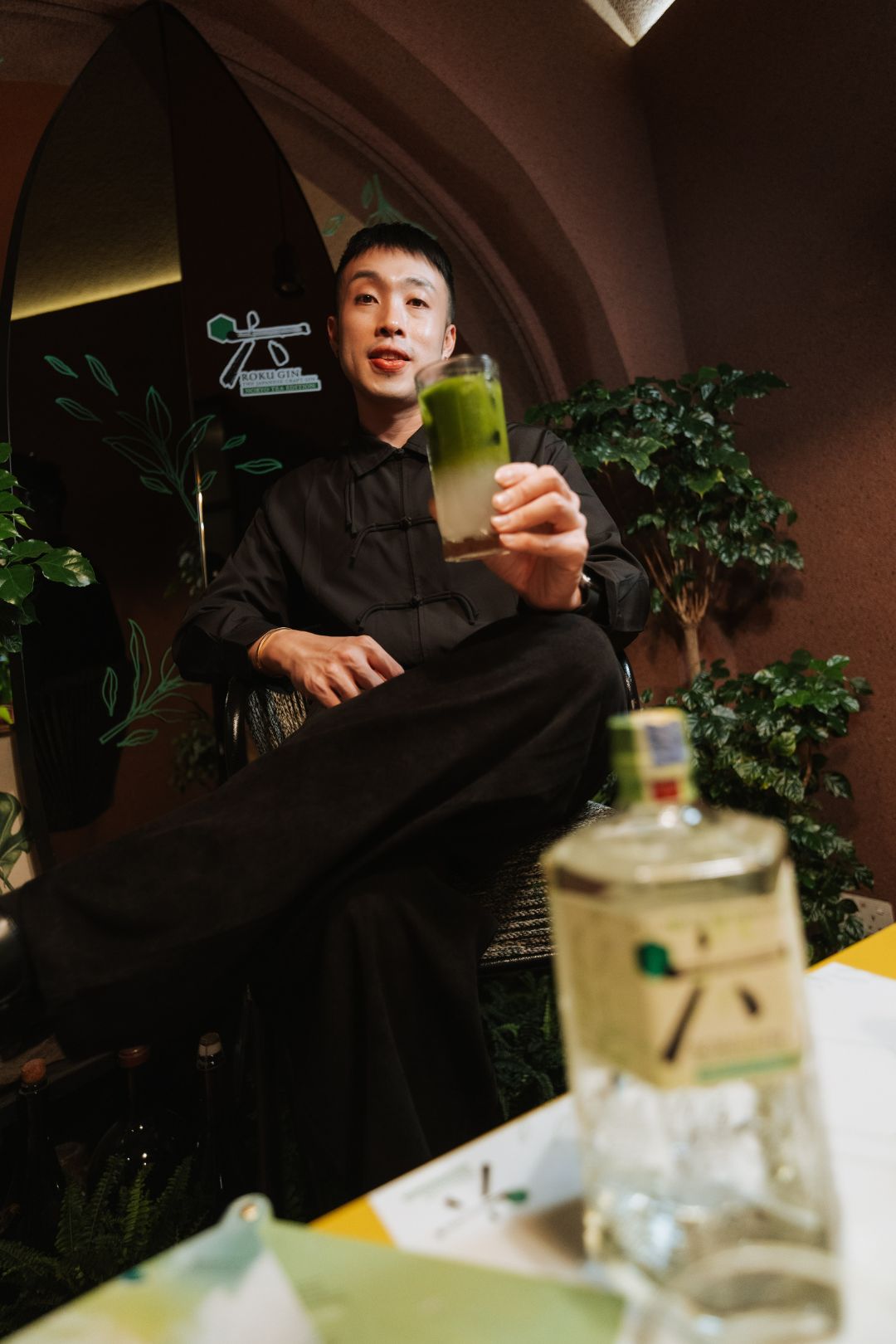
As someone who has built a career around specialty coffee and matcha, what drew you to this particular collaboration with Roku Gin?
Shaun (S): What drew me to this collaboration was the opportunity to explore tea from a completely different perspective. My work has always been about understanding ingredients deeply, where they come from, how they behave, and how small changes in technique can completely change the way we experience them. So when I was introduced to Roku Gin Noryo Tea Edition and the idea of working with Sencha and Gyokuro, I was immediately curious.
Gyokuro is a delicate and complex tea, with a beautiful combination of umami, sweetness and a refined vegetal, clean character. I wanted to see how those qualities could interact with the botanical and citrus elements of Roku Gin, rather than simply creating a cocktail that tasted like tea. For me, the collaboration is really about finding the meeting point between two worlds that I enjoy, the precision of tea and the creativity of cocktails.
From a tea specialist’s perspective, what are the biggest technical challenges in translating something as delicate as Gyokuro’s umami into a spirit-forward format like a cocktail?
S: The biggest challenge is preserving the delicacy of Gyokuro while giving it enough presence to stand alongside the spirit. I also think about umami differently in a cocktail. I don’t necessarily want someone to take a sip and immediately think, “This is green tea.” Instead, I want the umami to create a sense of depth and roundness, supporting the botanicals of the gin and extending the flavour of the drink.
When the tea and gin can still express their own character while becoming more interesting together, that’s where I think the pairing really works.
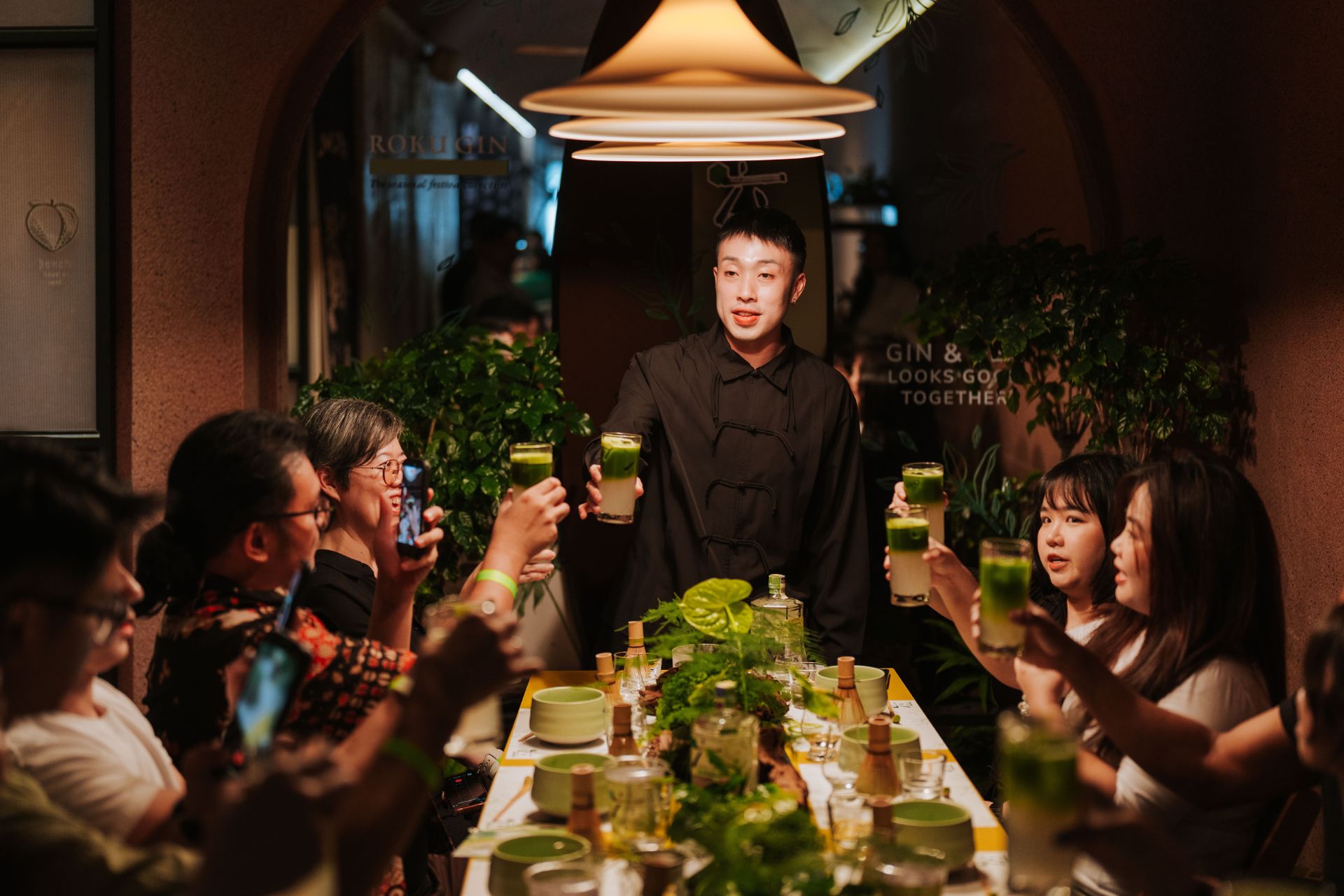
Can you walk us through how you approach extracting and balancing tea flavour for a cocktail application? Is it closer to your coffee brewing instincts, or does tea demand an entirely different technique?
S: There are definitely similarities to coffee brewing. In both, I’m thinking about extraction, temperature, time, concentration and how different compounds are being brought into the cup or glass. But the intention is different. With coffee, I’m often looking for clarity and balance across acidity, sweetness and body. With tea in a cocktail, I’m thinking more about how the tea can occupy a specific role within the drink.
For Gyokuro, I want to be very careful with extraction because I’m looking for its sweetness and umami without allowing bitterness or astringency to dominate. I then consider the concentration based on what it needs to do within the cocktail. So rather than treating the tea as an ingredient that simply needs to be “strong”, I treat it almost like a seasoning. The right amount can change the entire structure of the drink without necessarily being the most obvious flavour.
For someone who has never associated tea with cocktails before, what’s the “aha moment” you hope they have when they try this?
S: I hope their first reaction is one of surprise. I don’t want them to think, “Oh, this tastes like a tea cocktail.” I want them to discover the tea gradually, perhaps first noticing the freshness and botanicals of the gin, then the sweetness and texture, and finally the deeper umami character coming through.
That, for me, is the aha moment: realising that tea doesn’t have to be the main flavour to be important. It can change the way you perceive everything else in the glass. And I think that’s what makes this collaboration exciting for me. It shows that tea can move beyond the traditional ways we expect to experience it, while still respecting the character of the tea itself.
Here, we have the pair providing their personal perspectives on the partnership and future of the beverage industry.
Traditional tea appreciation is built around ritual, patience, and seasonality. How do you preserve that spirit of appreciation when the usual cocktail bar setting is so quick and social?
D: The key is that we don’t need to recreate the entire traditional tea ceremony in a cocktail bar to respect its philosophy. What we want to preserve is the intention behind it, particularly the spirit of omotenashi, thoughtful hospitality and genuine care for the guest. In a tea ceremony, every detail is considered for the guest, from preparation and presentation to seasonality. Bartending shares a similar philosophy. The setting may be faster and more social, but the attention to detail and care for the guest remain, from temperature and presentation to interaction.
S: I think the ritual doesn’t have to stay the same, it’s the intention behind it that matters. Even in a fast-paced cocktail bar, we can encourage people to slow down for a moment, appreciate the aroma, texture and flavour, and be present with what they’re drinking. For me, it’s about bringing the spirit of tea appreciation into a new setting without making it feel forced. The ritual can change, but the appreciation remains.
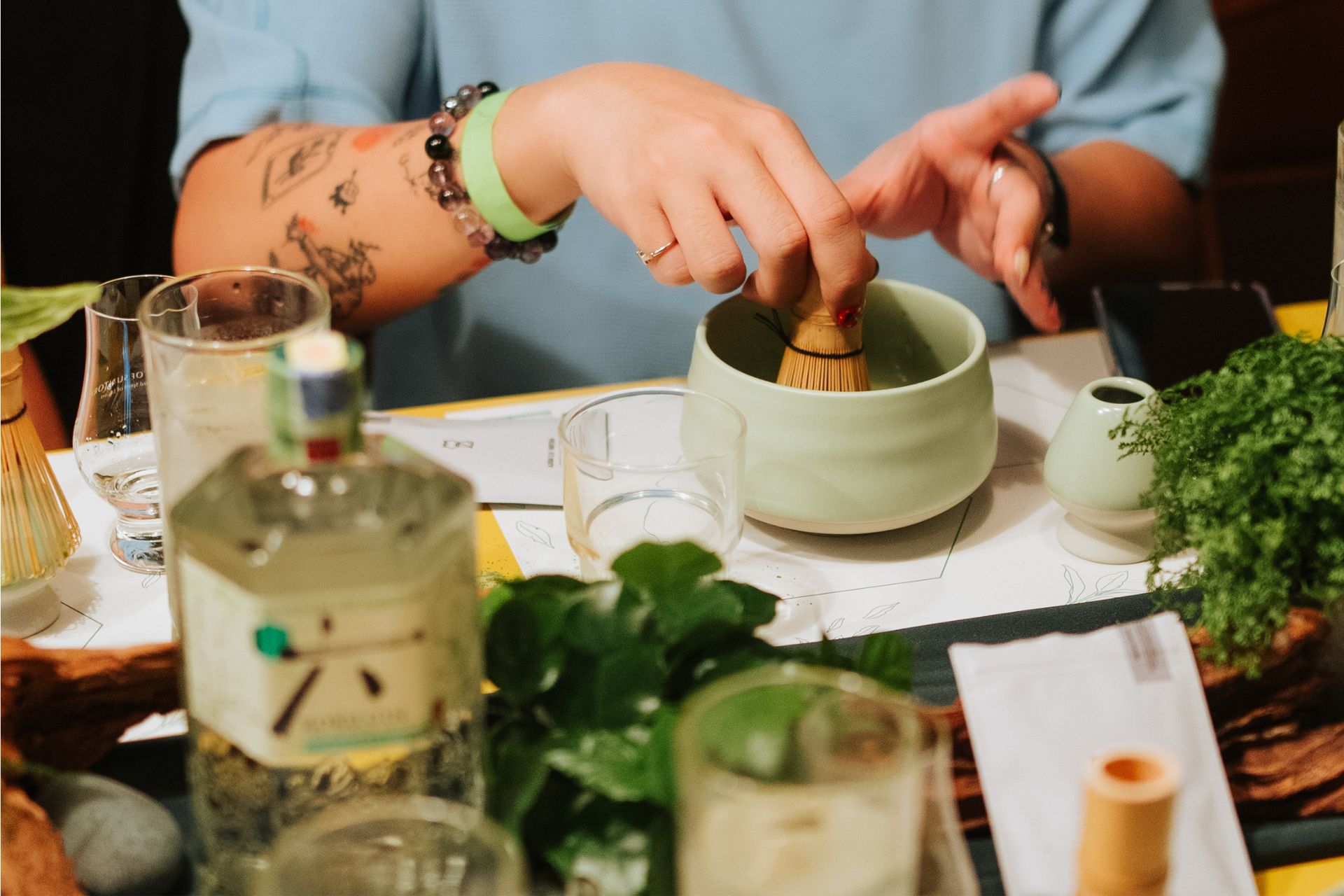
Tell us about Asia’s Smallest Tea Bar concept. What was the thinking behind introducing tea-inspired cocktails through such an intimate, immersive format rather than a standard bar setup?
D: Asia’s Smallest Tea Bar was inspired by the Japanese concept of Noryo, which is about taking a moment to pause, cool down and find a sense of refreshment amidst the demands of everyday life. While Singapore and Malaysia don’t experience four distinct seasons, I think the need for these moments of respite feels even more relevant in our always-on culture, where work, commitments and routines rarely slow down.
The intimate format was a deliberate choice. Tea is deeply associated with ritual, craftsmanship and mindfulness, traditionally experienced in a tea house setting. By combining the familiarity of tea culture with the creativity and sociability of a bar, we created a space that encourages curiosity and exploration.
Where do you see Japanese tea culture heading next within modern beverage culture?
D: I think Japanese tea culture is becoming less about one traditional way of enjoying tea and more about discovery. We are already seeing its application in cocktail bars, cafes and meal occasions, with teas such as matcha and Sencha introducing them to consumers who might not have the opportunity to experience a traditional tea ceremony. But what’s more important is that as tea moves into these occasions, the intention and craftsmanship behind it remain the same. For me, it’s less about one traditional way of experiencing tea and more about creating new entry points for consumers to discover and appreciate it.
S: I think Japanese tea culture has a lot of potential to move beyond traditional tea drinking and become part of everyday modern beverage culture. We’re already seeing tea being used in cocktails, coffee, desserts and non-alcoholic drinks. What excites me is that, as long as we continue to respect the ingredient and its origins, we can explore new ways of experiencing it. For me, the future is about tradition providing the foundation, while creativity finds new ways to express it.
Is this collaboration a one-off moment, or a signal of where the industry is going?
D: A huge part of Roku Gin is about celebrating Japanese craftsmanship and the harmony between nature and people. We’ve always believed in working with local tastemakers and leaders across different industries, inviting them to bring their own perspective and reimagine Roku through their craft and expertise. This collaboration with Shaun is another example of that approach, bringing together Japanese gin craftsmanship and his expertise in specialty coffee and matcha.
And as for what comes next, I think we’ll have to stay tuned and find out together!
S: I see it as more than a one-off. I think it reflects where the industry is heading, bringing traditional ingredients into new formats while still respecting their identity. Consumers are becoming more curious about flavour and origin, and collaborations like this create new ways for people to discover tea. For me, it’s not about replacing tradition, but building a bridge between tradition and modern beverage culture.
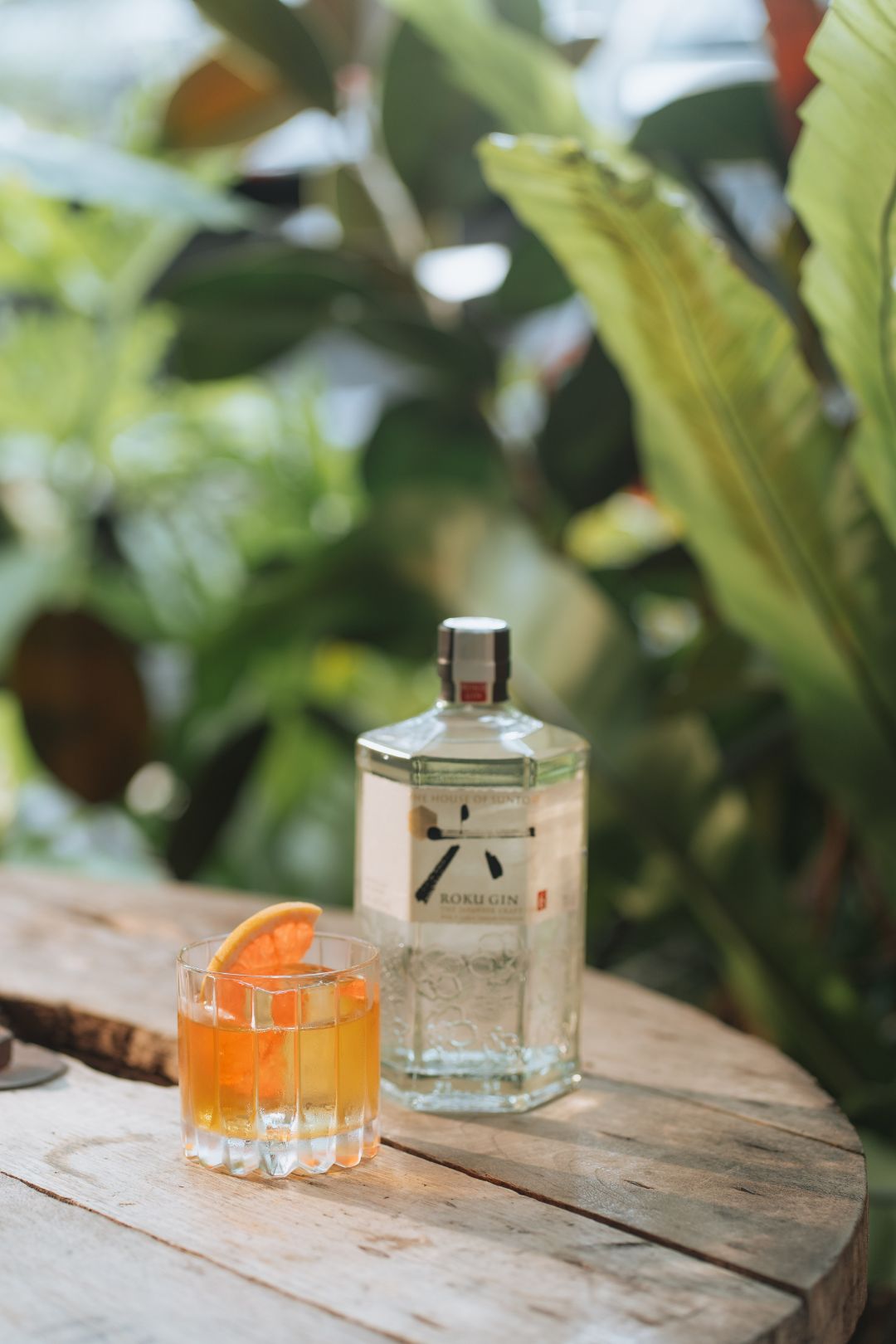
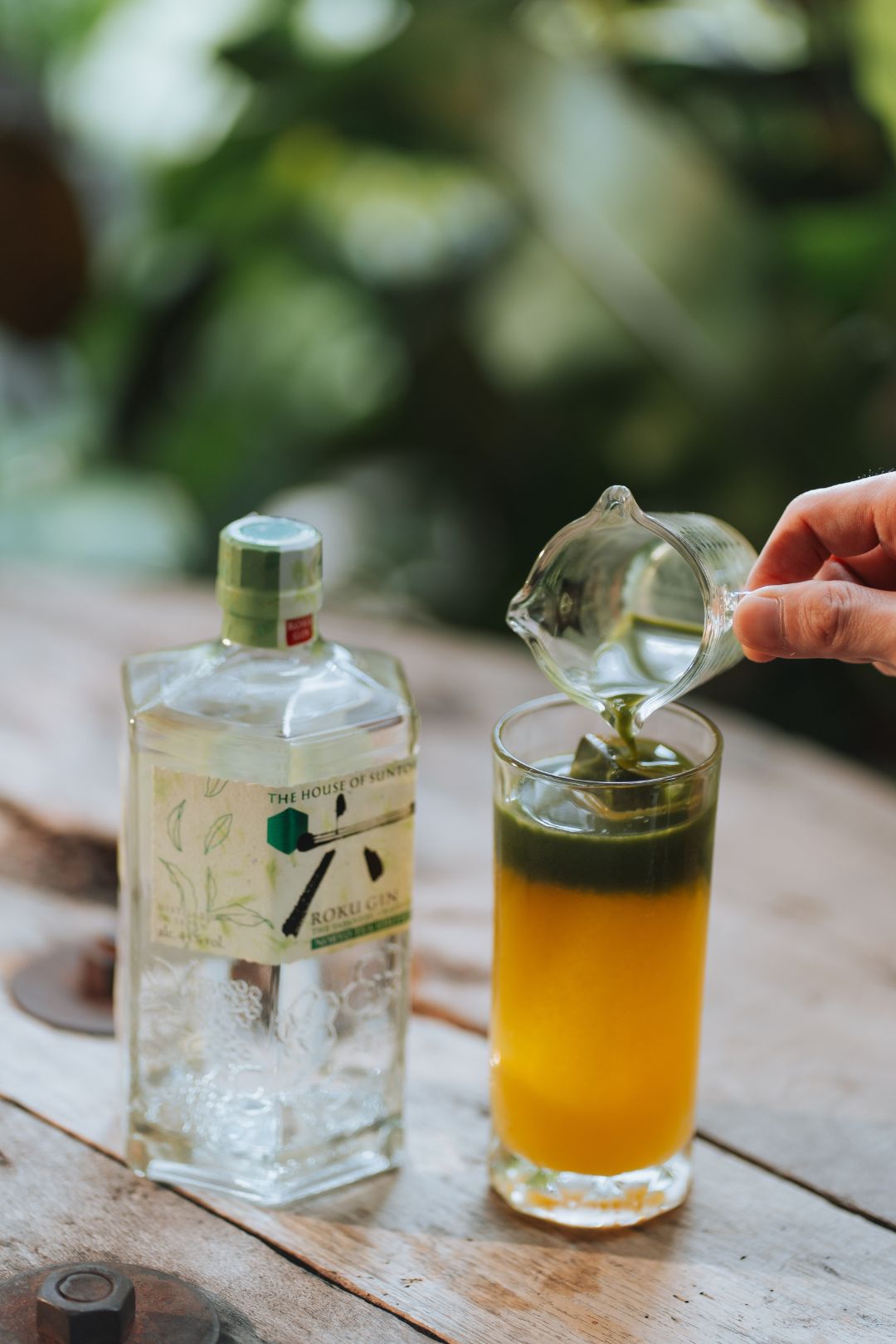
If someone tries the Roku Gin Noryo Tea Edition cocktail for the first time, what’s the one thing you’d want them to walk away understanding about Japanese tea and Roku Gin?
D: I would want them to understand that Japanese tea and Roku Gin share the same philosophy of balance and seasonality. Japanese tea isn’t simply about a strong tea flavour; it can be delicate, aromatic, savoury and complex. That same idea is reflected in Roku Gin. No single botanical is meant to dominate.
With Roku Gin Noryo Tea Edition, Sencha and Gyokuro have more room to shine while still working in harmony with the other botanicals, including sakura, yuzu and sansho pepper. I hope they discover that Japanese tea and Roku Gin have more in common than they might expect, both are about appreciating subtlety, balance and the beauty of the season.
S: I’d want them to understand that Japanese tea and Roku Gin share the same appreciation for balance, precision and seasonality. The cocktail is a way to experience that connection in a new format, showing that tradition doesn’t have to stay traditional to be meaningful. For me, that’s what makes the collaboration interesting: it creates a new way to discover Japanese tea while still respecting the ingredient, its origins and the craftsmanship behind it.
The Roku Gin Noryo Tea Edition is available at fine wine retail stores such The Chamber, WhiskyBull, and Whisky Gallery. For more information, visit house.suntory.com.
READ MORE