
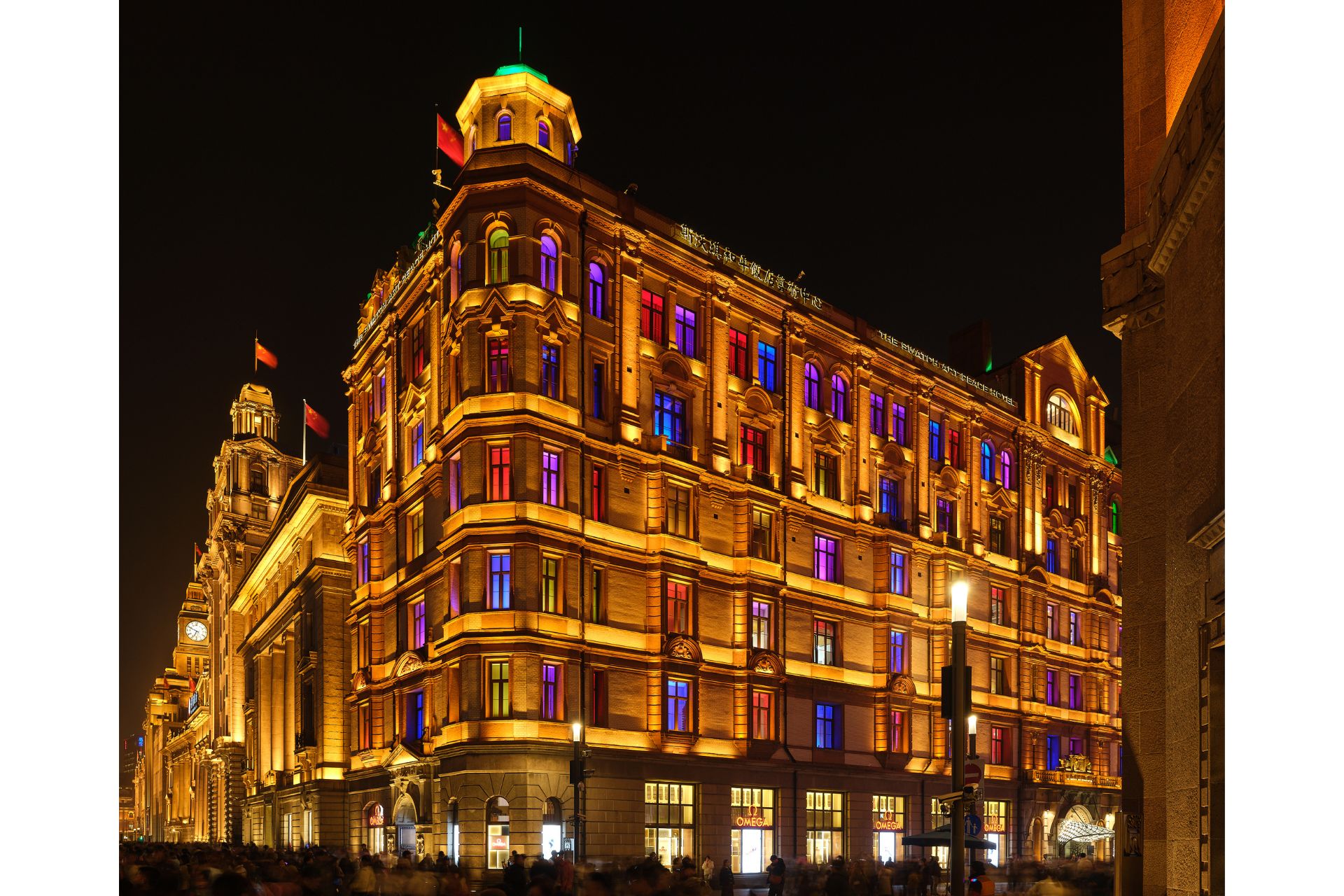
On the surface, Swatch is the brand that put Swiss watchmaking back on the map with a slim plastic watch and a rebellious spirit. Beneath that surface, however, lies something more enduring—a sustained commitment to art that has outlived trends.
This 2026, the Swatch Art Peace Hotel in Shanghai celebrates its 15th anniversary. Housed in a restored historic building along the Bund, yes, that waterfront stretch in central Shanghai overlooking the Huangpu River, the residency has welcomed more than 600 artists from 60 countries since opening in November 2011. Painters, filmmakers, musicians, writers, and multidisciplinary creatives are invited to live and work there, developing projects in an environment designed to encourage exchange rather than isolation.
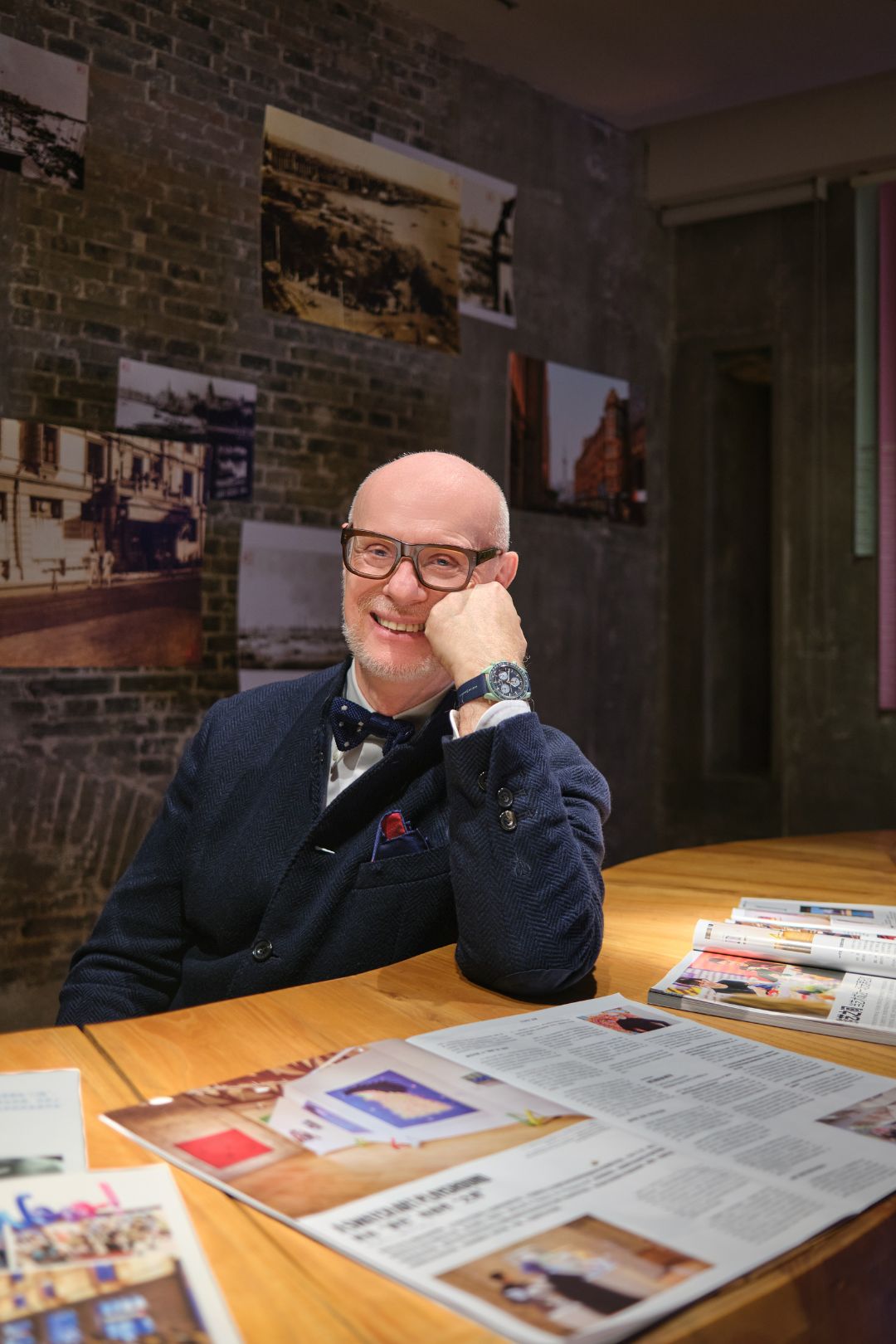
For Carlo Giordanetti, CEO of the Swatch Art Peace Hotel and a Swatch veteran, working with the brand since 1987, the residency is not just a side project—but a natural extension of the brand’s founding philosophy.
“The Swatch project was born back in the ’80s from a need,” he explains. The need was to revamp the Swiss watch industry without losing its heritage. The solution was to develop a product that could reach as many people as possible. The use of plastic in the watch industry was almost unconventional at that time, but it enabled Swatch to democratise design.
What followed was equally radical. “We thought that the immaterial value that an artist can bring to an object really makes a difference in the eye of the buyer,” Giordanetti says. Working with artists was not a marketing flourish but a strategic decision. The watch would remain affordable, but the ideas embedded in it would be expansive.
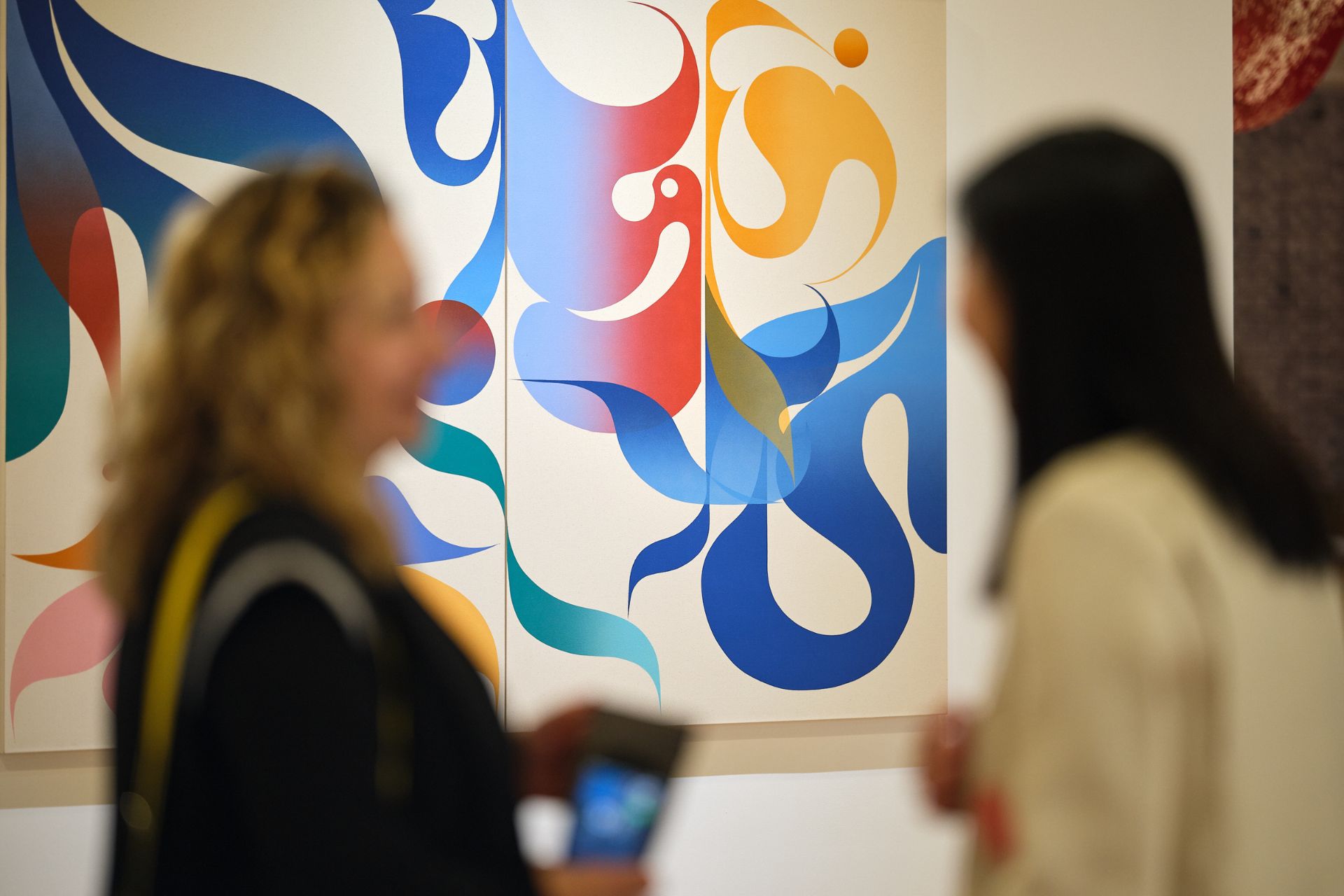
That balance between accessibility and experimentation continues to define Swatch today. “Even when there is something really special to say, like when you have a Pollock or a Monet, or when you have a complicated watch like a chronograph, the spirit of Swatch is always the same,” he says. “It’s accessibility, and it’s the idea to bring as many people as possible into the way of thinking of Swatch.” That philosophy is what drives the Shanghai residency.
Working Outside the Comfort Zone
If there is a guiding principle at the Art Peace Hotel, it is an aversion to repetition. “Whenever there is a safe environment, the culture of the company is to get out of it,” Giordanetti says. Creative tension is not only tolerated but expected. “The commitment, when you really understand Swatch, is to work out of the comfort zone.”
That approach informs the selection of artists. Diversity is central, not only in terms of nationality but also in discipline and perspective. The team avoids clustering too many artists from the same field at once, preferring a mix that encourages artistic dialogue. During the final phase of Covid lockdowns, when travel restrictions meant only China-based artists could attend, the team still sought to introduce disruption by inviting foreign creatives living locally. “You always need the guy that comes in and breaks the rhythm a little bit,” Giordanetti notes.
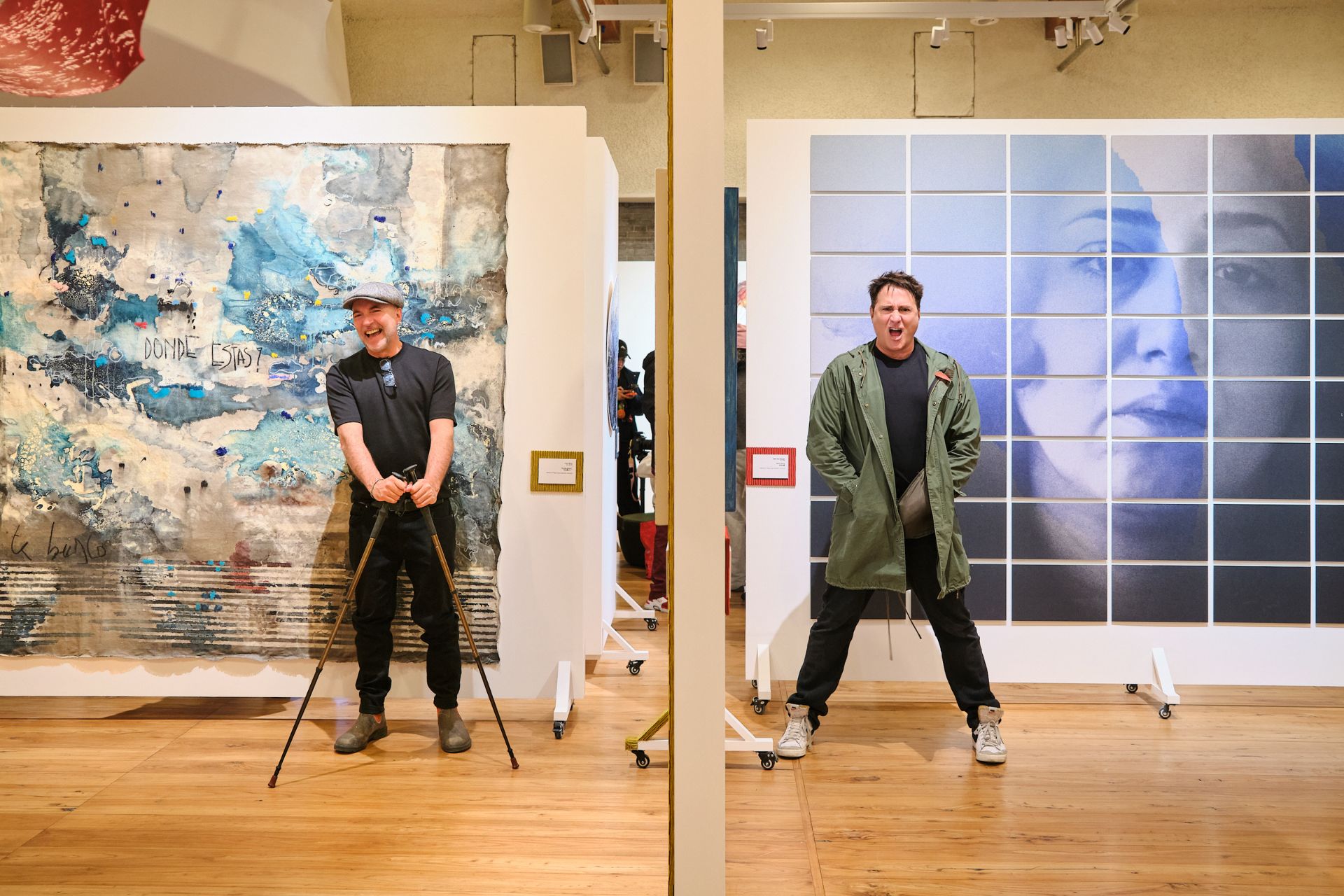
Emotional connection also matters. “The dream is that you would only have people that you fall in love with,” he says. “You fall in love with their work, you fall in love with their personality.” That connection, he believes, makes it easier to celebrate the artists later, not just their output.
Listening has been one of his biggest lessons over 15 years. “Certainly, to listen,” he says when asked what the artists have taught him. “Artists have a lot to say. But you also have to get in sync with them and each of them is a different person.” Adapting to each individual, going beyond what is immediately visible in the work, has shaped his own leadership style.
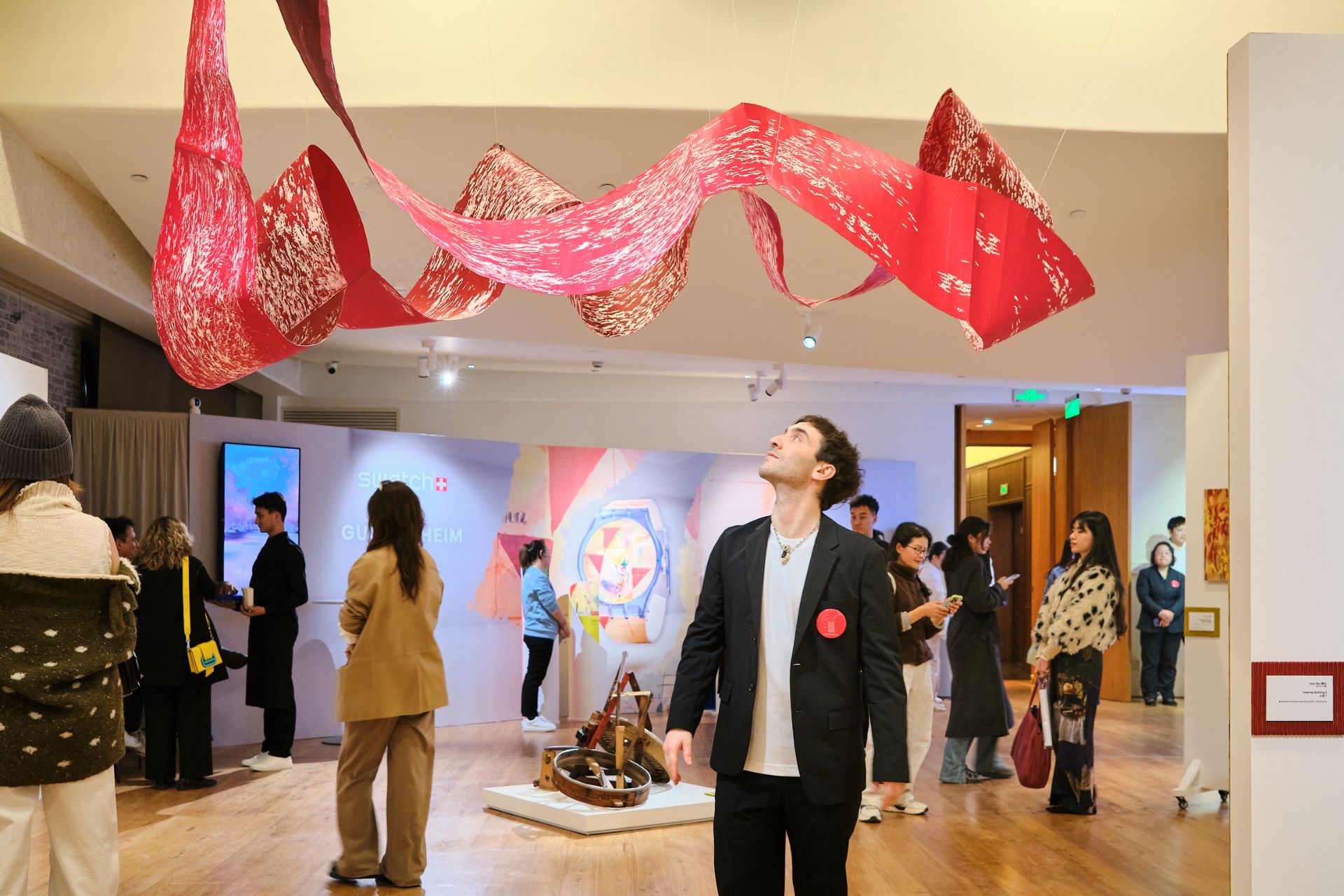
He also takes pride in facilitating collaboration. In one instance, an Austrian painter and a Swiss writer, both exploring similar themes through different mediums, were encouraged to interview the same subject. The painter created portraits; the writer crafted narratives. The result became an exhibition in Switzerland and later a book. “This makes my experience amazing,” he says. “It really makes me feel good because I see another value in what I can bring to the project.”
Celebrating 15 Years: Art Journey 2026
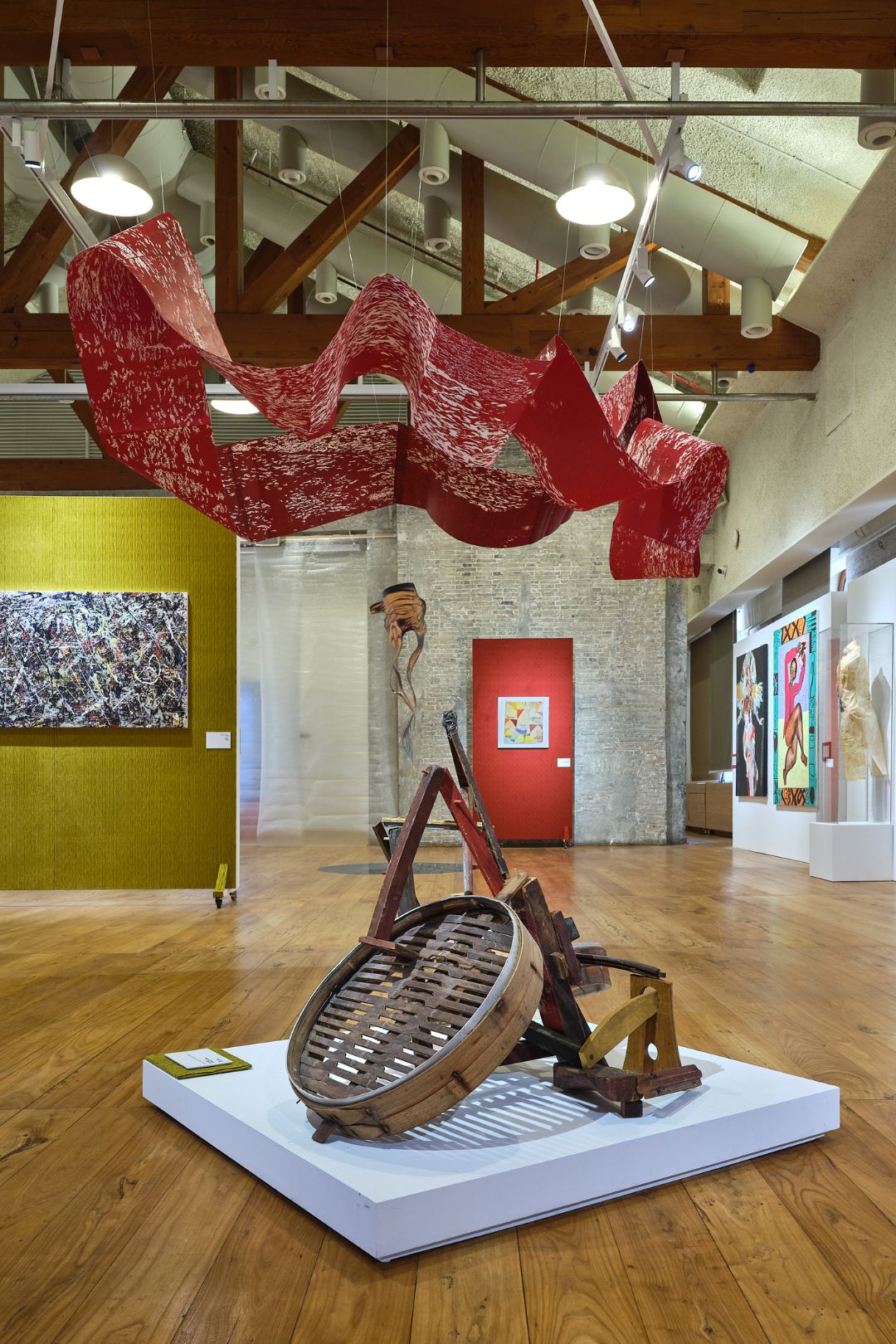
The anniversary is marked by a year-long programme beginning with the Art Journey 2026 Exhibition. More than 20 current and former artists-in-residence reunite under four conceptual themes: Alchemy, Dance, Water and Light, and Power of Women. Each theme offers a different perspective on experimentation, emotion and strength.
“Celebrating 15 years of the Swatch Art Peace Hotel means celebrating the artists who have made it what it is today, a hub of creativity and positive energy,” Giordanetti says. “The Art Journey 2026 Exhibition not only honours them and their contributions, but marks the beginning of many exciting events still to come.”
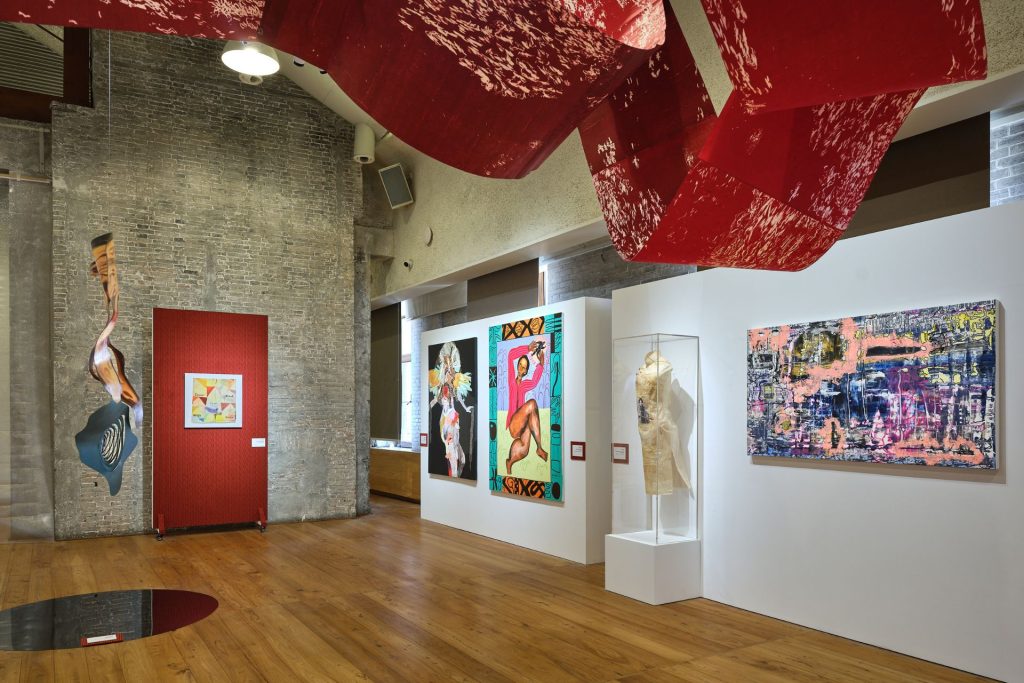
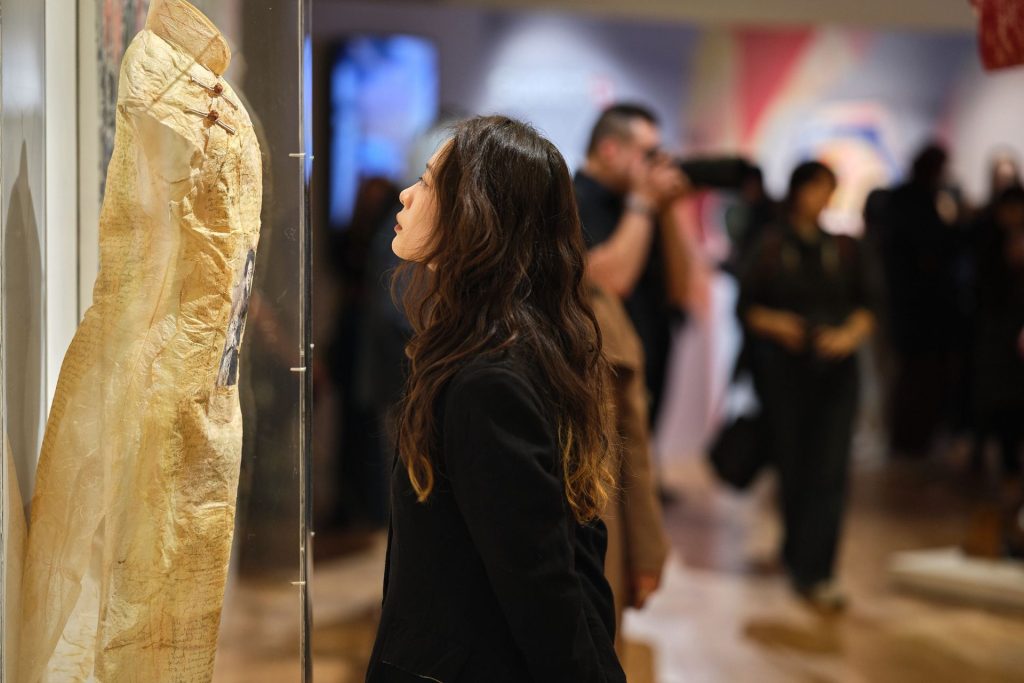
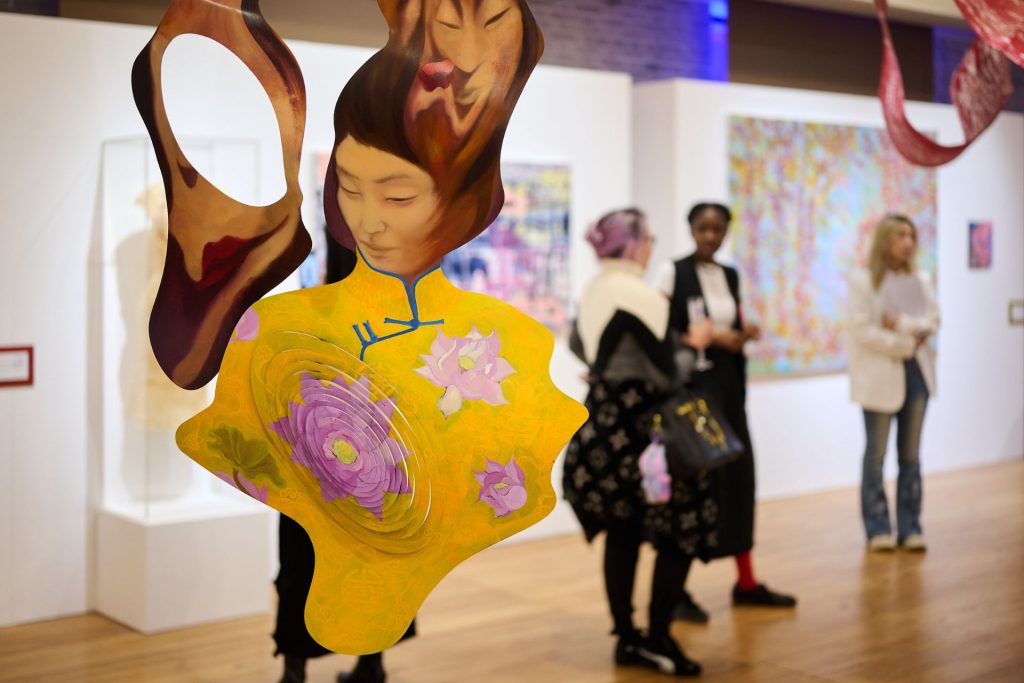
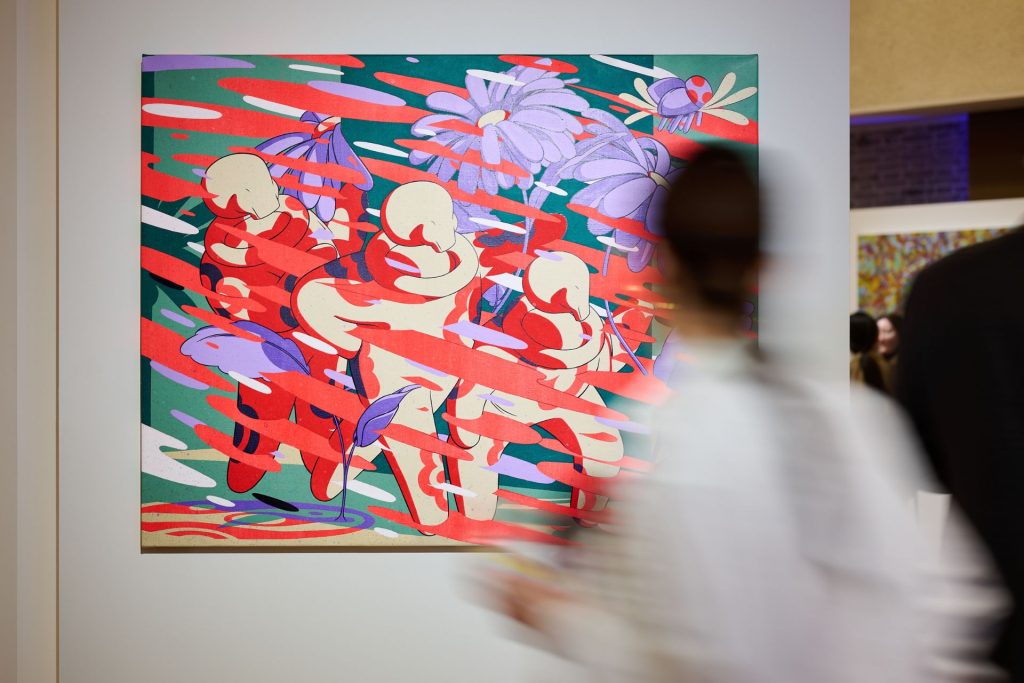
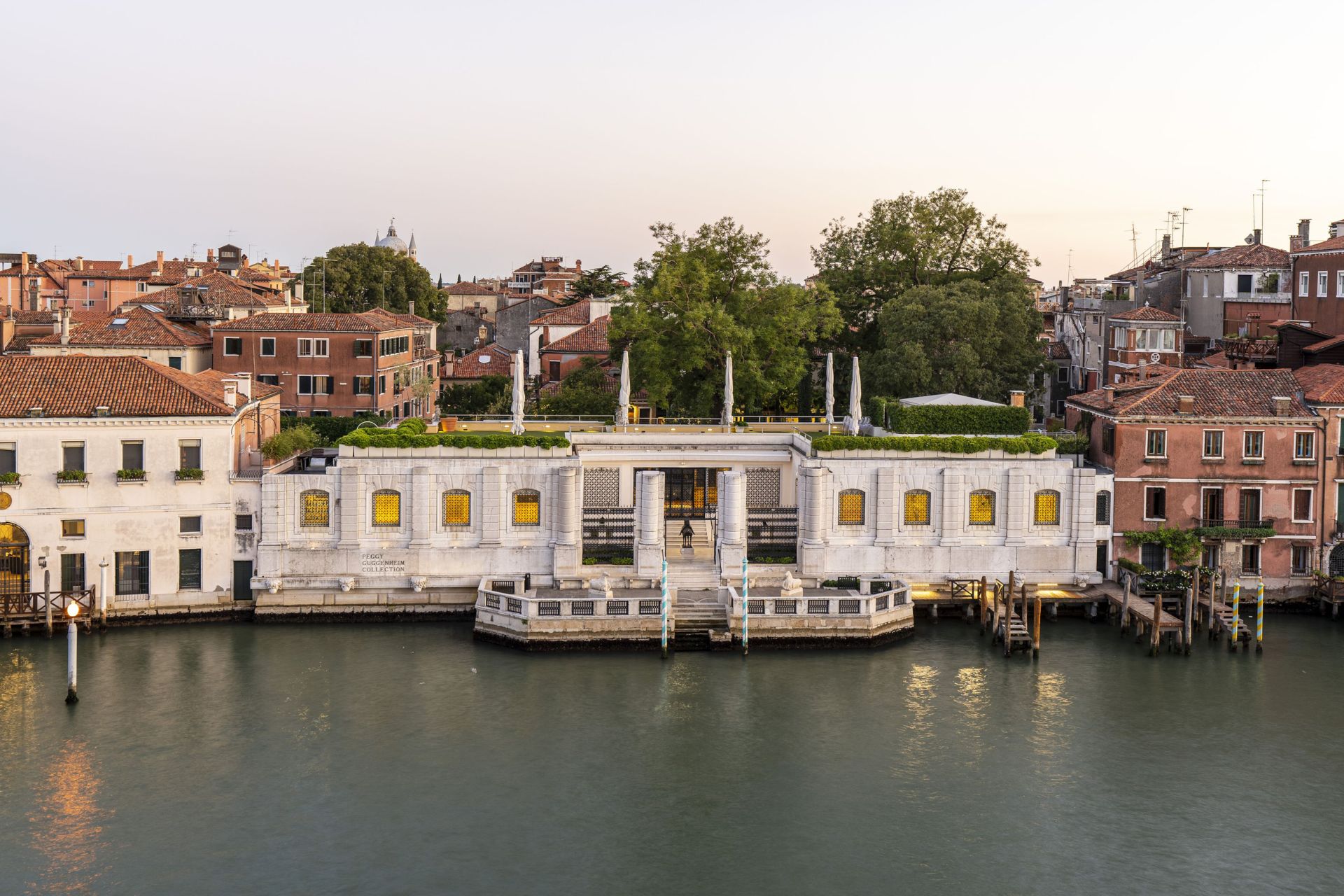
The exhibition also marks the latest chapter of the Swatch Art Journey, which began in 2018 as an exploration of creativity, uniting artists and museums to turn iconic works of art into playful, wearable masterpieces. This year, the journey continues with the Swatch x Guggenheim collection. Created in collaboration with the Solomon R. Guggenheim Museum in New York and the Peggy Guggenheim Collection in Venice, the series translates the visions of Edgar Degas, Paul Klee, Claude Monet and Jackson Pollock into four vibrant watches.
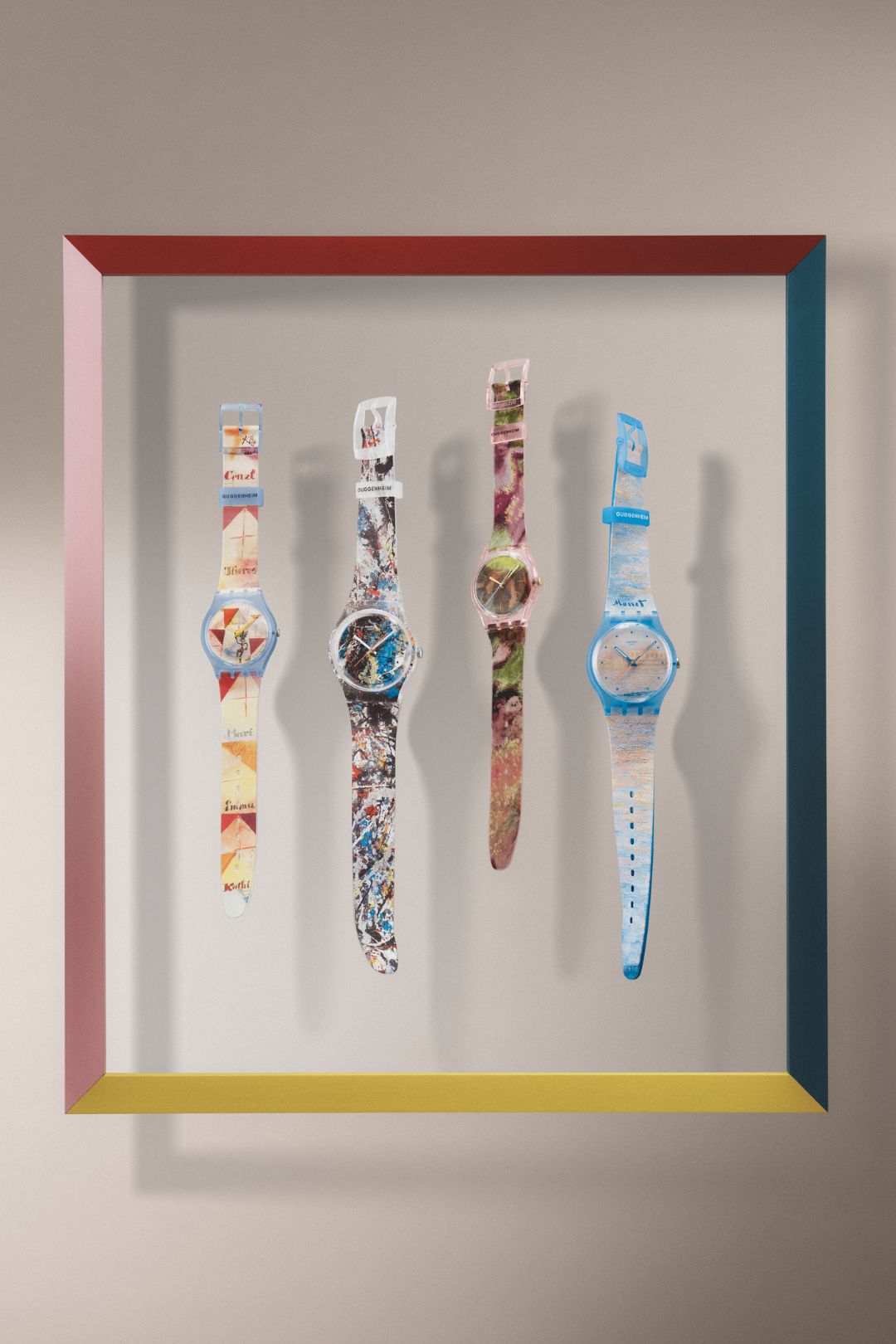
For Giordanetti, such collaborations are consistent with Swatch’s longstanding mission to bring art into everyday life. Masterpieces once confined to museum walls are translated into objects that travel on the wrist. The watch becomes both timekeeper and storyteller.
Culture as Responsibility
Looking ahead, Giordanetti believes lifestyle brands have a responsibility to recognise their cultural influence. “You can be ‘culture’ as a brand if you put meaning in what you do,” he says. A product without a narrative is simply an object. A product with a story can shape how people live, think and express themselves.
At GRAZIA Malaysia, championing emerging talent is in our DNA. Whether profiling Malaysian creatives or fresh voices in fashion and art, we make room for experimentation. The Swatch Art Peace Hotel does the same, backing artists before the world even knows they’re brilliant.
Fifteen years on, the Swatch Art Peace Hotel remains a testament to the power of a commercial brand that takes art seriously—as a core value. In a world that moves at a fast pace, it is a reminder that culture that matters takes time.
READ MORE