

There are people who like to claim opera and ballet belong to a fading world. Van Cleef & Arpels would very much beg to differ. For the Parisian maison, dance has never been some distant cultural relic. It is very much alive and has been quietly woven into the house’s creative language for nearly a century. Few pieces capture that relationship quite like the Lady Arpels Ballerines Musicales, a watch that turns horology into something closer to theatre.
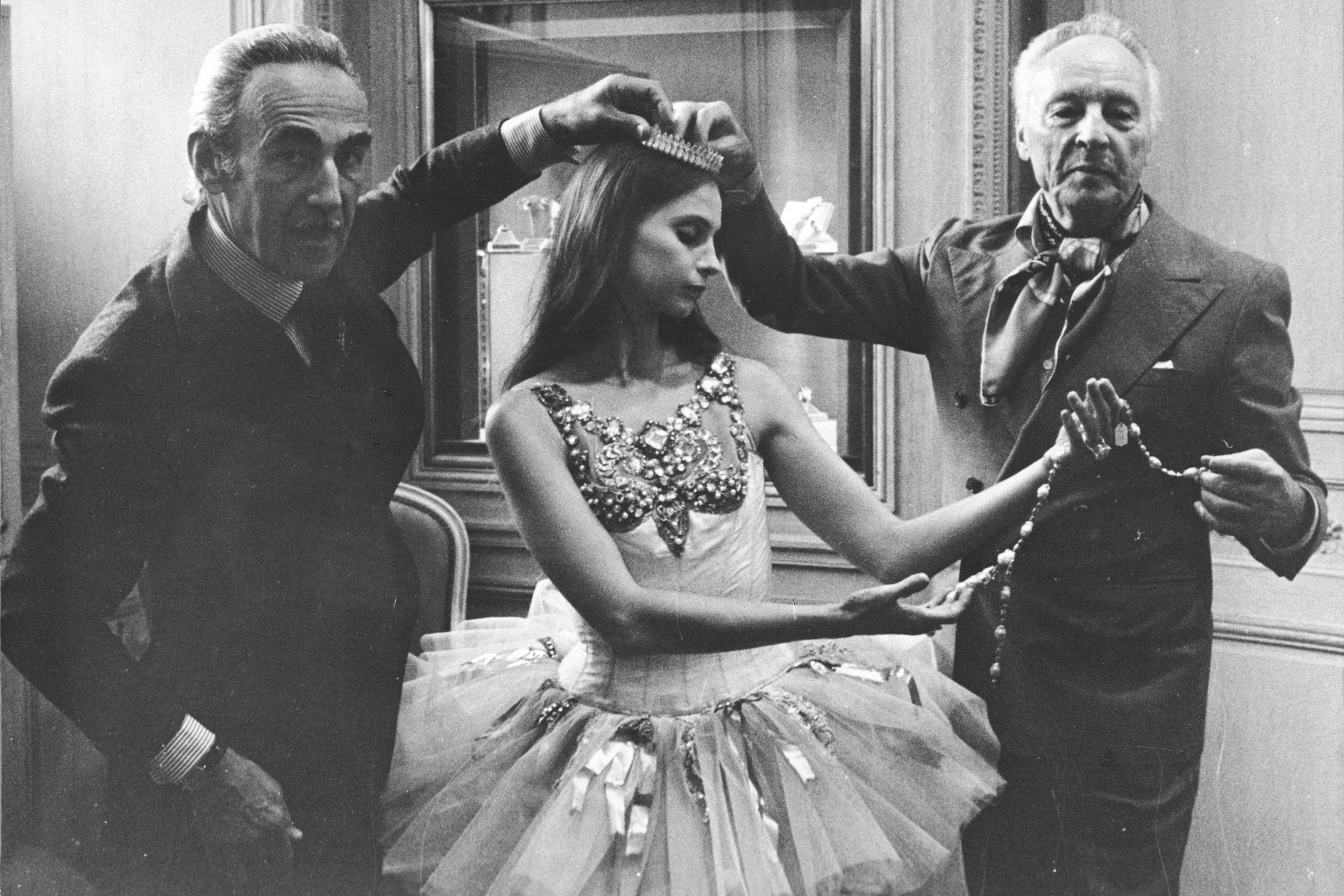
The story begins long before the watch itself. In the 1920s, Louis Arpels developed a fondness for ballet and regularly brought his nephew, Claude Arpels, to performances at Opéra Garnier in Paris. The grand opera house sits only a short walk from the maison’s boutique at Place Vendôme, making these outings something of a family ritual. Those evenings left a lasting impression. By the early 1940s, the house introduced its first ballerina clips, delicate jewelled dancers captured mid-movement. They would become one of Van Cleef & Arpels’ most recognisable creations.

The connection deepened in the 1950s when Claude Arpels formed a friendship with choreographer George Balanchine, founder and director of the New York City Ballet. Both men shared an appreciation for precious stones. That fascination eventually sparked the idea for a ballet inspired entirely by gemstones, and the pair began discussing how jewels might translate into movement. The concept matured in 1966 after Balanchine visited Van Cleef & Arpels’ Fifth Avenue salon. Surrounded by glittering displays, he decided the beauty of gemstones deserved a stage of its own. The result was Jewels, a ballet performance in three acts: Emeralds, Rubies, and Diamonds. Costumes by designer Karinska carried the theme through with lavish gem-like embellishments.
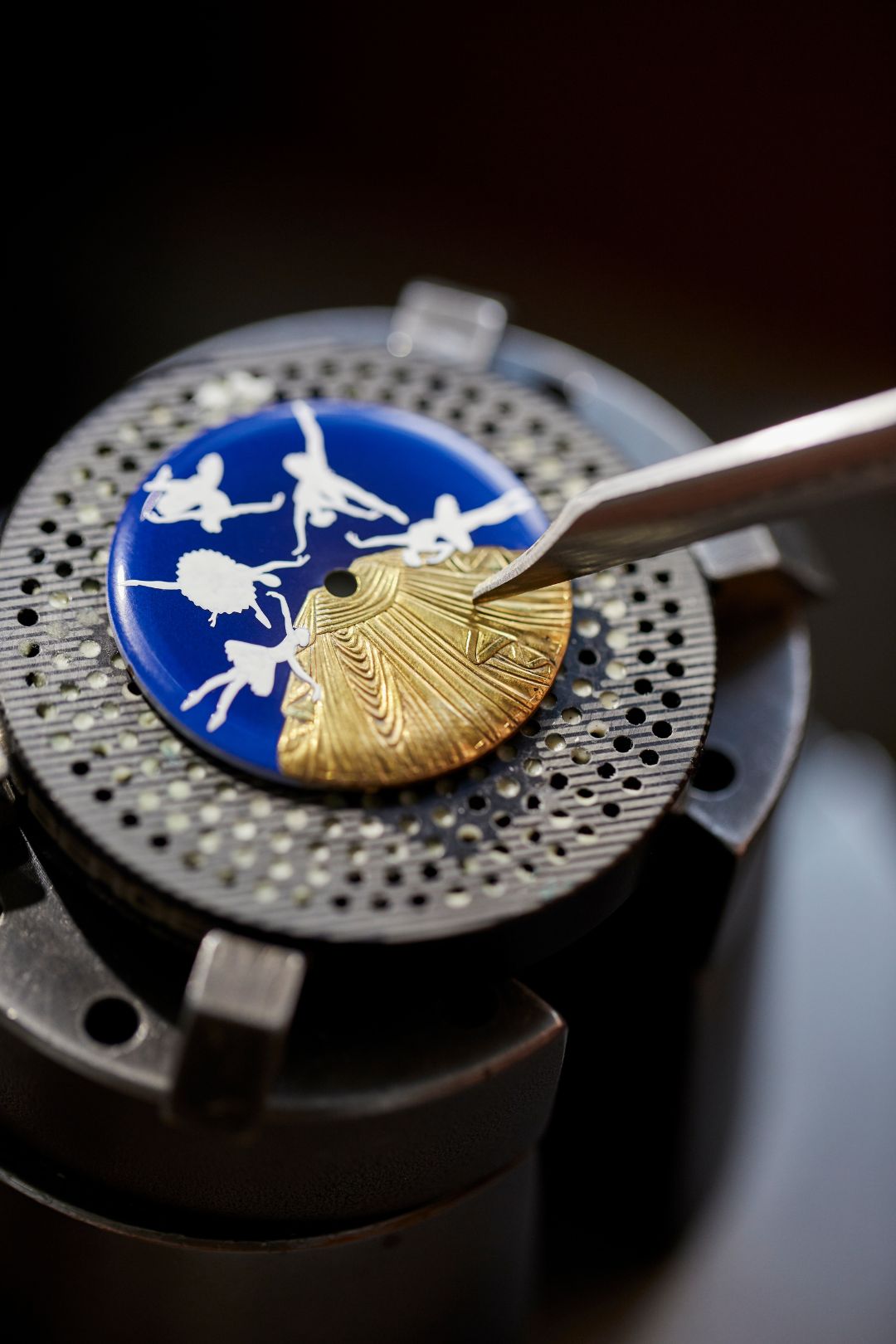
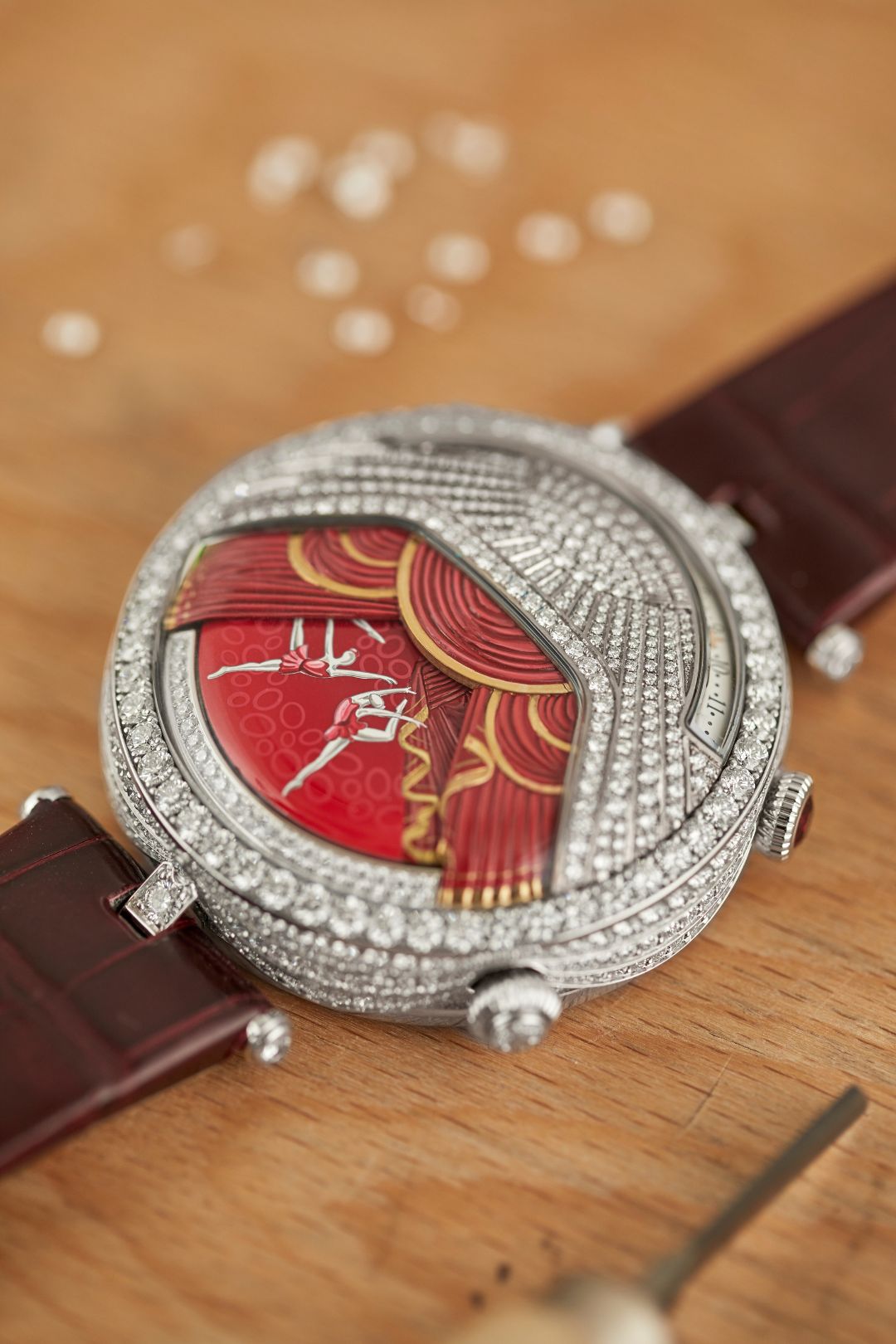
Decades later, that same trio of gemstones would inspire a particularly ambitious watchmaking project. The Lady Arpels Ballerines Musicales set out with a premise: could a watch bring the three acts of Jewels to life? The answer required more than decorative craft—it needed an intricate mechanical performance from start to finish.
Inside the watch sits a movement that took seven years to develop. Its complexity comes from marrying two musical mechanisms: a traditional music box disc and a miniature carillon. Together, they produce a melody that plays in sync with the animation on the dial.
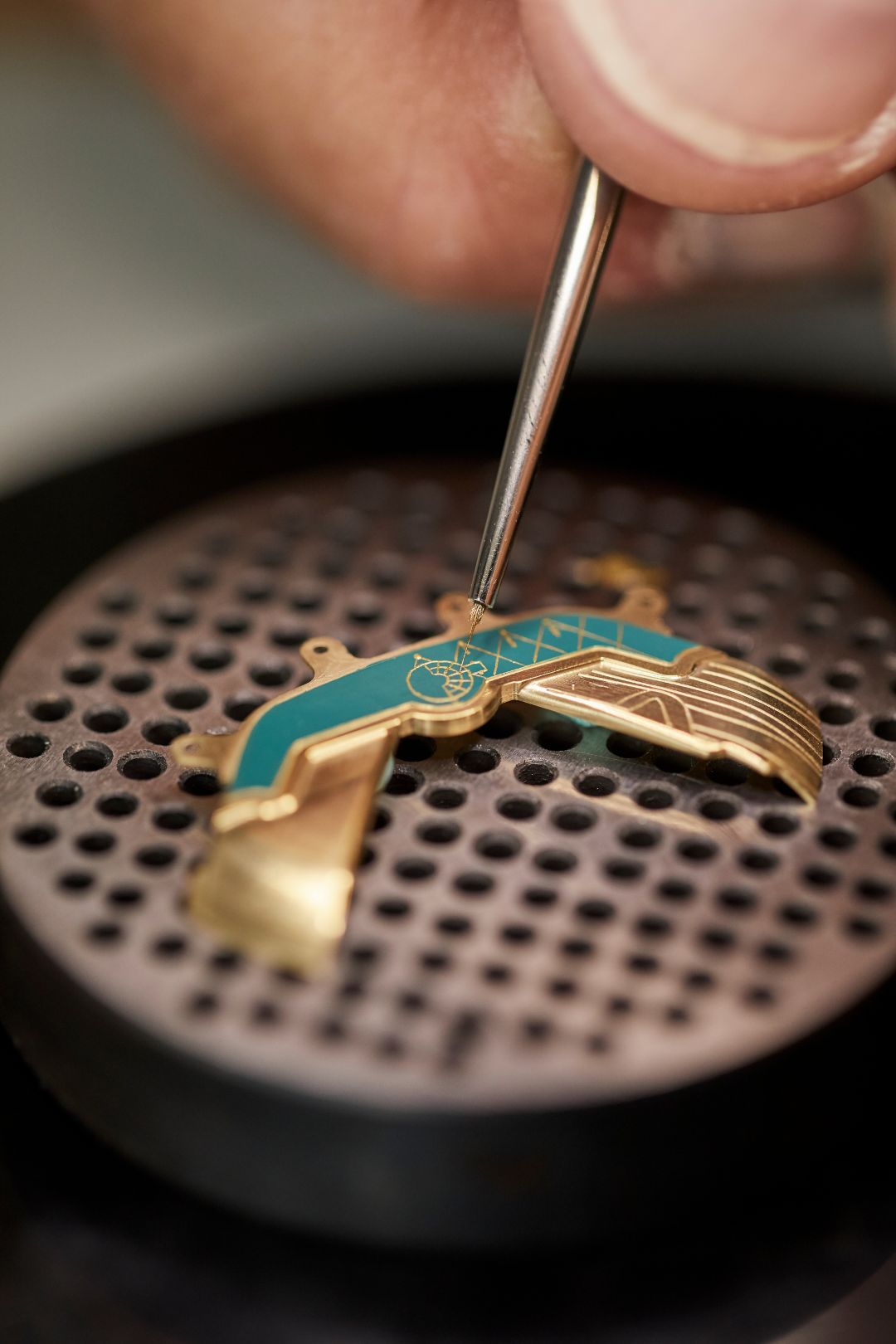
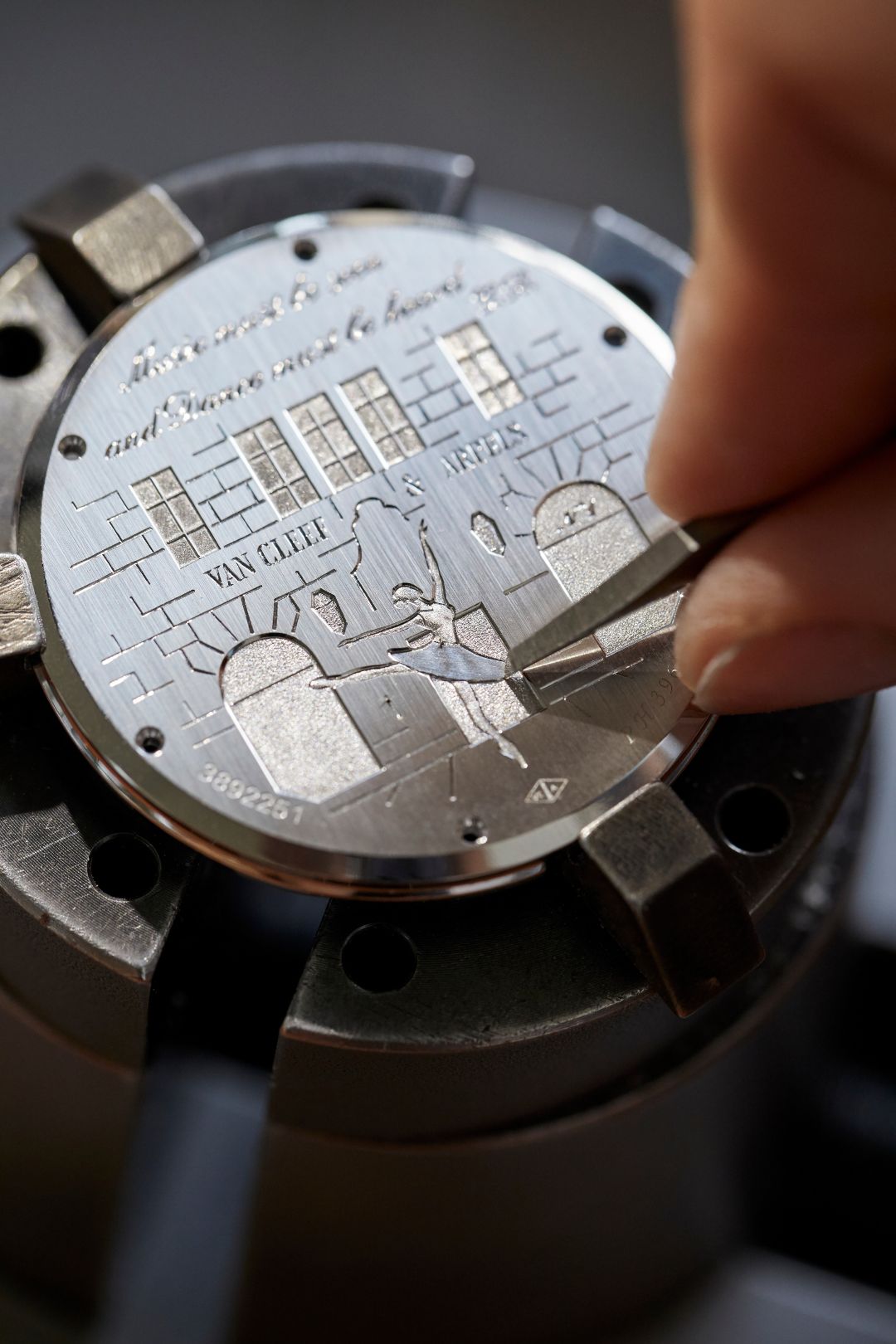
To make the music sound convincing, Van Cleef & Arpels worked with Swiss concert musician Michel Tirabosco to adapt the arrangements. The mechanism uses a keyboard of ten notes and a system of bells struck by four tiny hammers. The intention was simple: the melody should feel as if it were being played on a piano rather than chimed by a watch.
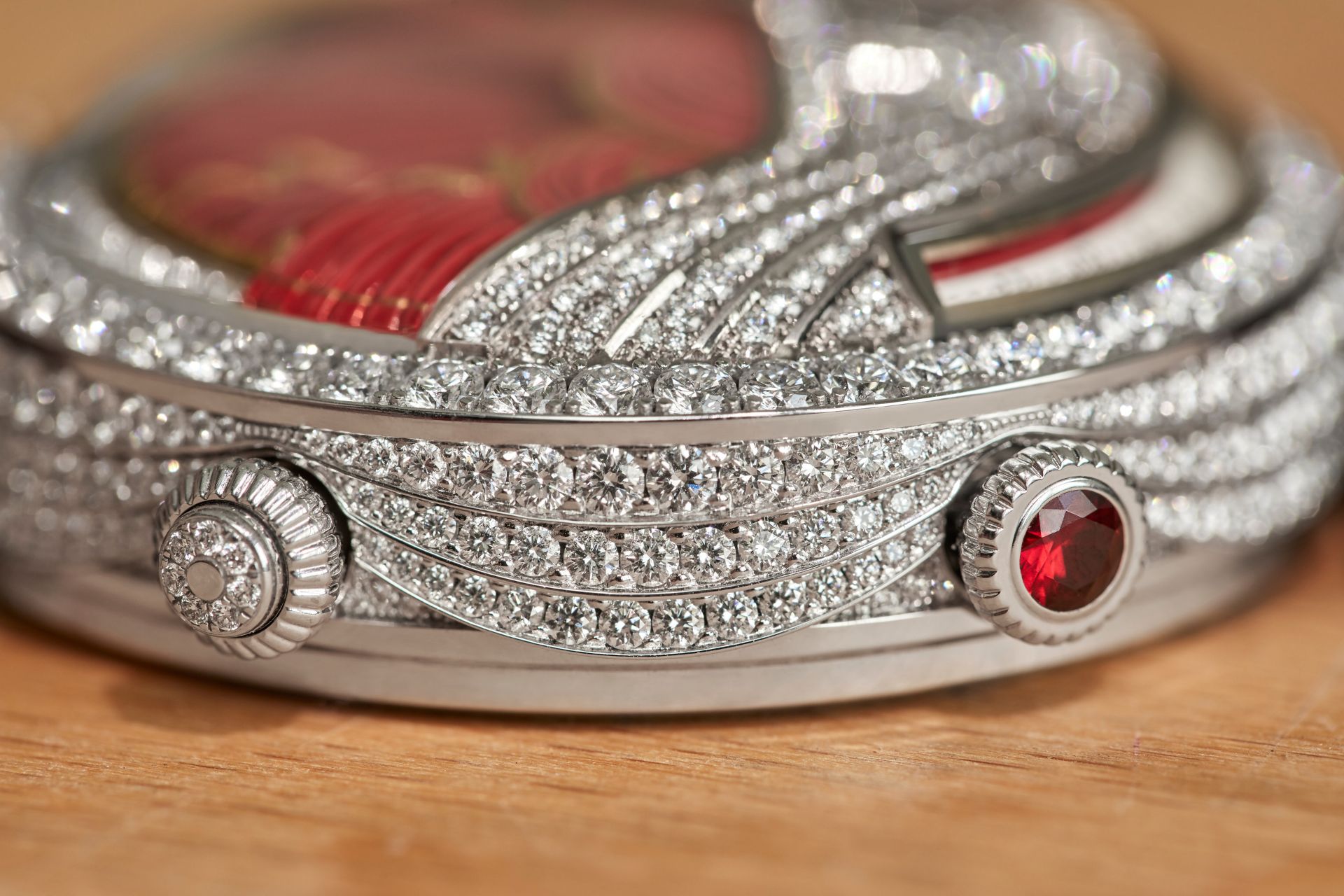
When the mechanism is activated, the dial quite literally becomes a stage. Through a small aperture, ballerinas painted by hand glide past in a slow rotation. Each dancer appears in a different pose, evoking the elegance of a performance in progress. The opening itself is framed like theatre curtains, sculpted, engraved and painted by hand. Each version corresponds to one act of Balanchine’s ballet. The Émeraude edition appears in shades of green, Rubis in deep red, and Diamant in cool whites and blues. Above the stage sits a dial set with pavé diamonds arranged like a chandelier hanging over a theatre. Even the case sides continue the illusion, with diamonds set to resemble folds of drapery cascading around the crowns.
Despite all the spectacle, the watch still performs its primary task of telling time. Time is indicated at the top of the dial by a star that travels across a retrograde scale between ten and two o’clock. Small markers show 20-minute intervals between the hours, and the manually wound movement offers a 54-hour power reserve.
It is a curious, extraordinary object, sitting somewhere between jewellery, watchmaking, and performance art. More importantly, it reflects a long relationship between a jewellery house and the world of dance. Then again, when a watch can chime and stage its own miniature ballet, the curtain is nowhere near closing just yet.
READ MORE