
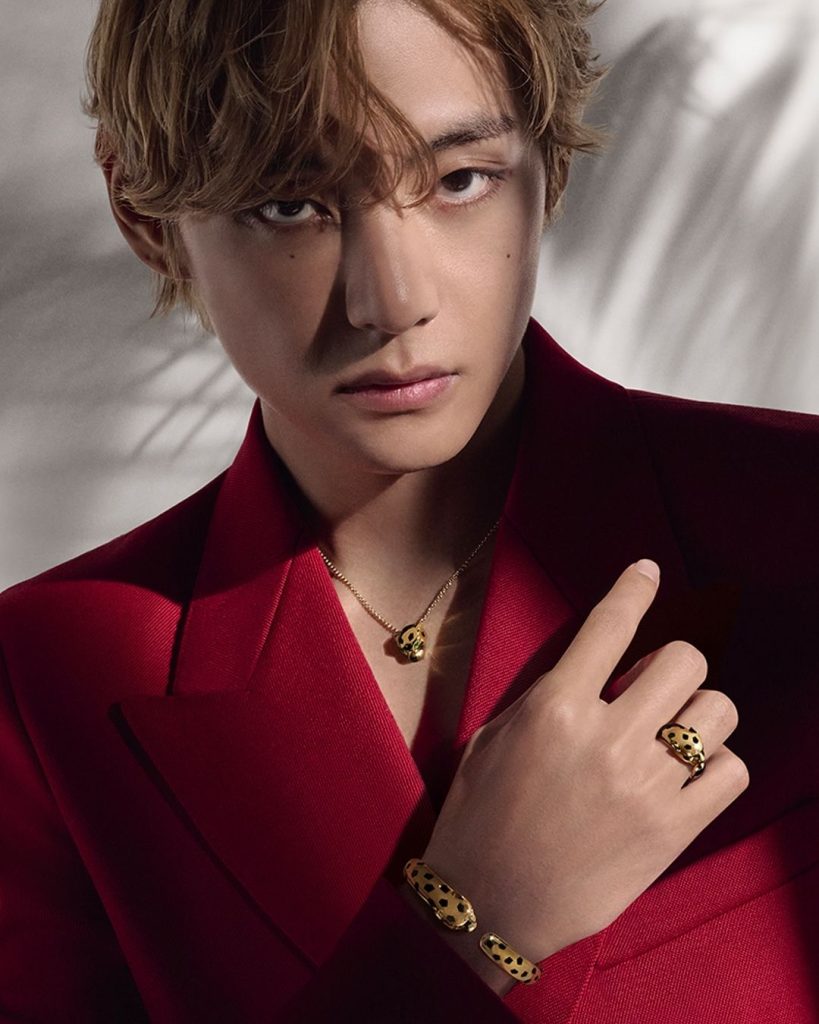
Imagine this: you log on to Cartier’s website after a new campaign drops, only to find it frozen, overwhelmed by traffic. That’s what happened after BTS member V was named an ambassador in 2023. The Panthère de Cartier necklace he wore in the campaign, priced over US$26,700, sold out globally in minutes. This phenomenon was not fuelled by the linear sales funnel most businesses are familiar with, but by the ferocious velocity of a mobilised community— the fandom.
Were there instances where a singer with record-breaking achievements won “Singer of the Year”, yet you were entirely oblivious to them? This shift is a direct response to the rupture of the once-monolithic mainstream culture; we’ve exited the era defined by a handful of universal superstars. Today, culture is composed of diverse and identity-driven niches. We are “stans” and “multis”, rallying around pop artists, film franchises, alt music, video games, or content creators—and we wear these affiliations as badges of honour. The internet dismantled the old gatekeepers, granting us more avenues to find our tribes while shattering the stigma around overt fandom. The “closeted fan”, where someone would hide their enjoyment of a particular interest due to fear of being misjudged, is becoming an archaic concept.
For fashion brands, a sector so intrinsically linked to pop culture, this fragmentation poses a critical question: how does one achieve relevance when there’s no longer a single face that resonates universally? The solution is not to construct a unified identity from scratch, but rather, adeptly gatecrash pre-existing communities. The new playbook involves learning to speak the language of these rooms, deploying strategies powered by data and driven entirely by community passion. The tangible results of this fandom power are moving the needle in the boardrooms.
Putting A Face to Numbers
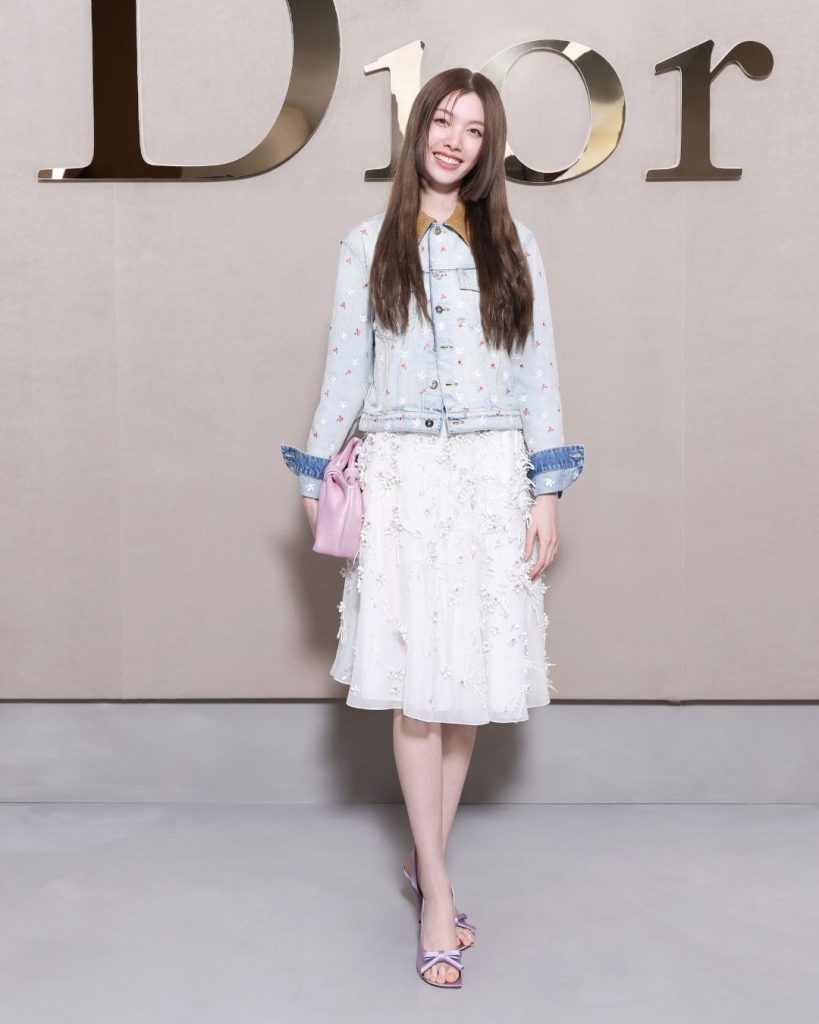
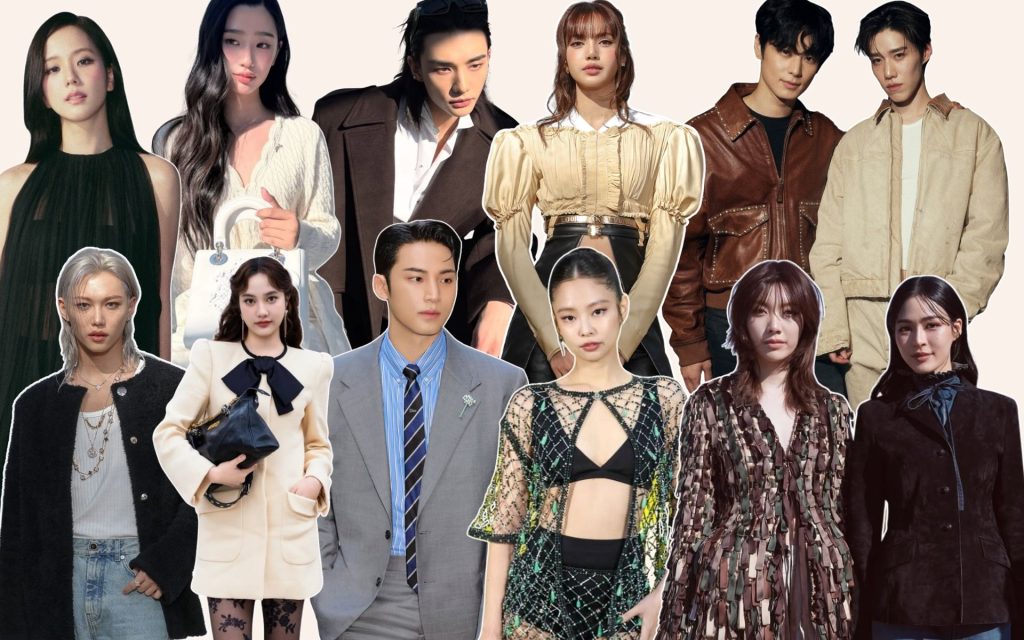
In modern marketing, strategy must reflect in the numbers. Earned Media Value (EMV) has emerged as a new set of metrics to quantify the financial worth of organic buzz—social mentions and engagements generated without direct ad spend, a modern form of word-of-mouth. Post-runway EMV reports are now staples in decision-making, offering concrete Return on Investment (ROI) on ambassador partnerships. A report by Lefty shows that for the Spring/Summer 2026 fashion weeks alone, the industry accrued over half a billion in EMV. A single star like Thai actress Orm Kornnaphat drove a whopping US$23.48 million EMV for Dior merely by attending the Paris Fashion Week.
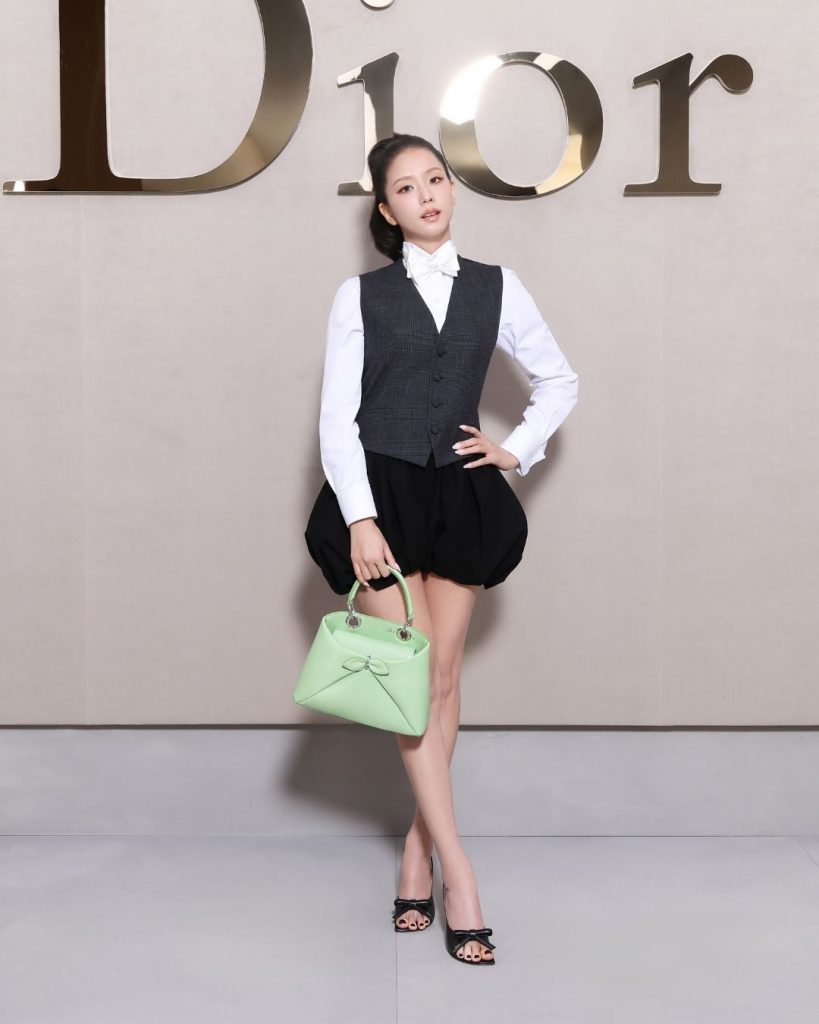
Sales figures are even more persuasive. Fandom activation operates on a remarkably short conversion funnel—it’s the “K-pop effect”. After Blackpink’s Jisoo was appointed a Dior global ambassador in 2021, the brand’s South Korean sales skyrocketed by 227%, reaching approximately US$6.6 billion in 2022. Tapping a pop artist is a direct call-to-action to a pre-assembled consumer group, where emotional investment translates into immediate commercial return, creating a predictable and precedent-backed sales avenue.

Purchasing becomes a token of identity and a mechanism to support our “ult” and “bias”. This logic drives tactics like Prada Beauty’s product placement in a Sabrina Carpenter music video—a sneak peek designed to ignite buzz before an official launch. Fandom is a lifestyle, or at least a guide to curate one, with entry-level items like band tees or mascot dolls marking its beginning. Brands now also craft immersive experiences: travel packages to filming locations, guides to an idol’s favourite haunts, or collections tied to fictional worlds. The “White Lotus Effect” saw a 40% surge in bookings at the Four Seasons Resort Koh Samui after the season’s announcement, demonstrating a fandom’s power to reshape entire tourism economies, in addition to fashion sales.
The Dream Team
The true engine behind this commercial juggernaut is the fan community itself, whose participation extends far beyond purchasing. Modern fandoms, particularly in the well-organised K-pop ecosystem, are furnished with “fansites” that function as a network of highly skilled—and unpaid—labour. User-generated content, such as fan edits, translations, subbings, fan fictions, or even coordinated offline events like streaming parties, serves as a potent and authentic form of promotion that concurrently amplifies any associated brand.
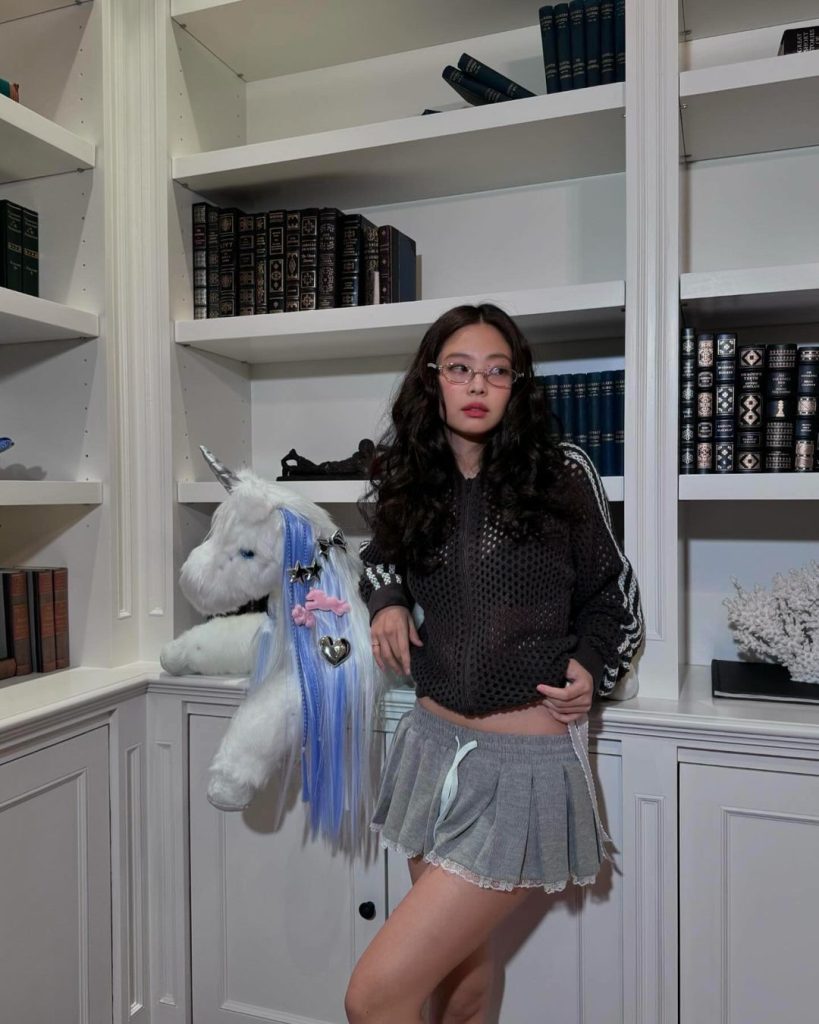
In fashion, this labour takes direct commercial form. Fan-run “closet” accounts on social media, for one, have evolved into credible digital archivists and peer-to-peer style guides. These accounts perform a role once reserved for paid editors at magazines, cataloguing every item worn by a celebrity, identifying alternatives, and bridging community admiration to commercial action. The impact is organic yet significant. And it’s not just the well-known names either—niche labels like Vietnam-based LSOUL witnessed its entire 2,000-unit stock of a skirt, worn by Blackpink’s Jennie, sell out in 15 minutes. This showcased a purchasing power that bypasses traditional retail or marketing channels that would otherwise take longer to achieve.
The appeal is apparent, and most importantly, quantifiable, as this model comes built-in with audiences possessing a proven willingness to spend—a market survey done without lifting a single finger. Furthermore, fandoms streamline logistics; if a smaller brand lacks international shipping, a fansite or a “group order master” (GOM) will often manage proxy buying, collecting payments and redistributing these items accordingly. This peer-to-peer system offers authenticity that is both credible and organically widespread. Ultimately, it grants brands a direct pipeline to reach their potential clientele and aligns them with the youth-driven culture, countering perceptions of being out of touch.
Walking Billboards
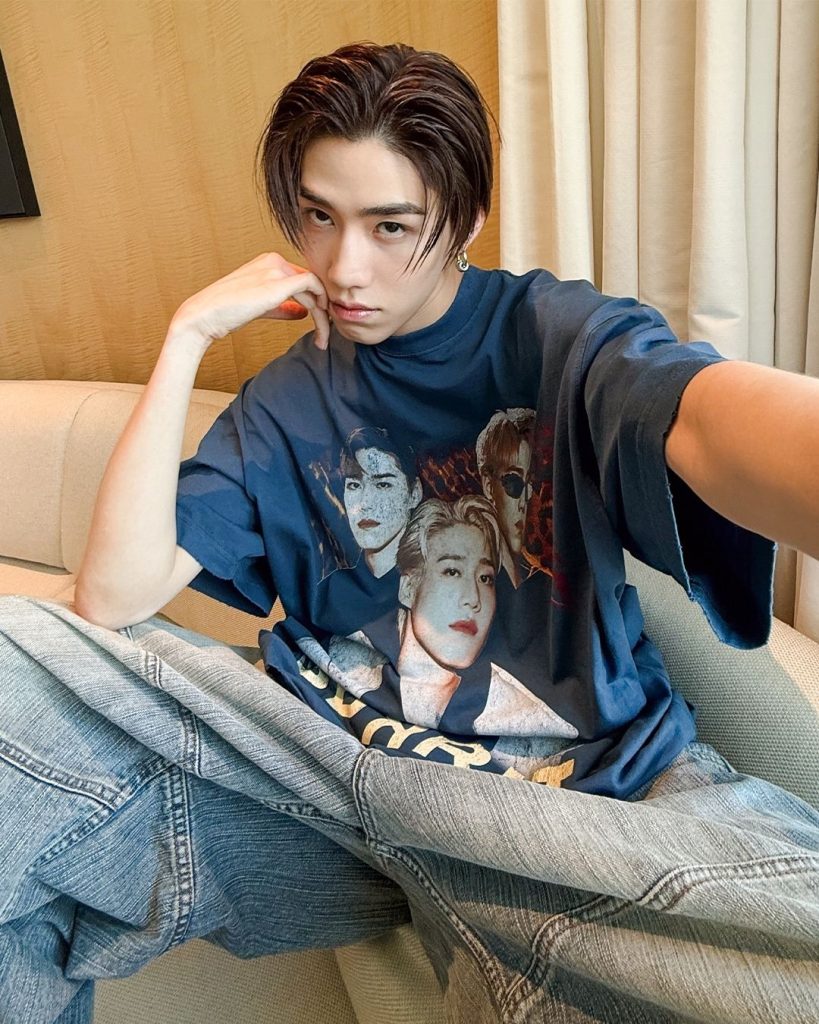
The evolved strategy transcends mere ambassador signings. It now demands tight-knit creative collaboration within the collaborator’s native medium, embedding the brand into cherished cultural fabric rather than simply borrowing clout, which resonates with these fans on a higher level. The recent Louis Vuitton Men’s Autumn/Winter 2026 show presented a new collection accompanied by unreleased music produced in-house by creative lead Pharrell Williams, alongside fellow ambassadors Pusha T, Jackson Wang, and more. It was both a fashion show and a music premiere, appealing to multiple fandoms simultaneously and also establishing the fashion house as a major player in the music industry, a great way to affirm its cultural relevancy as well as the brand’s image building.
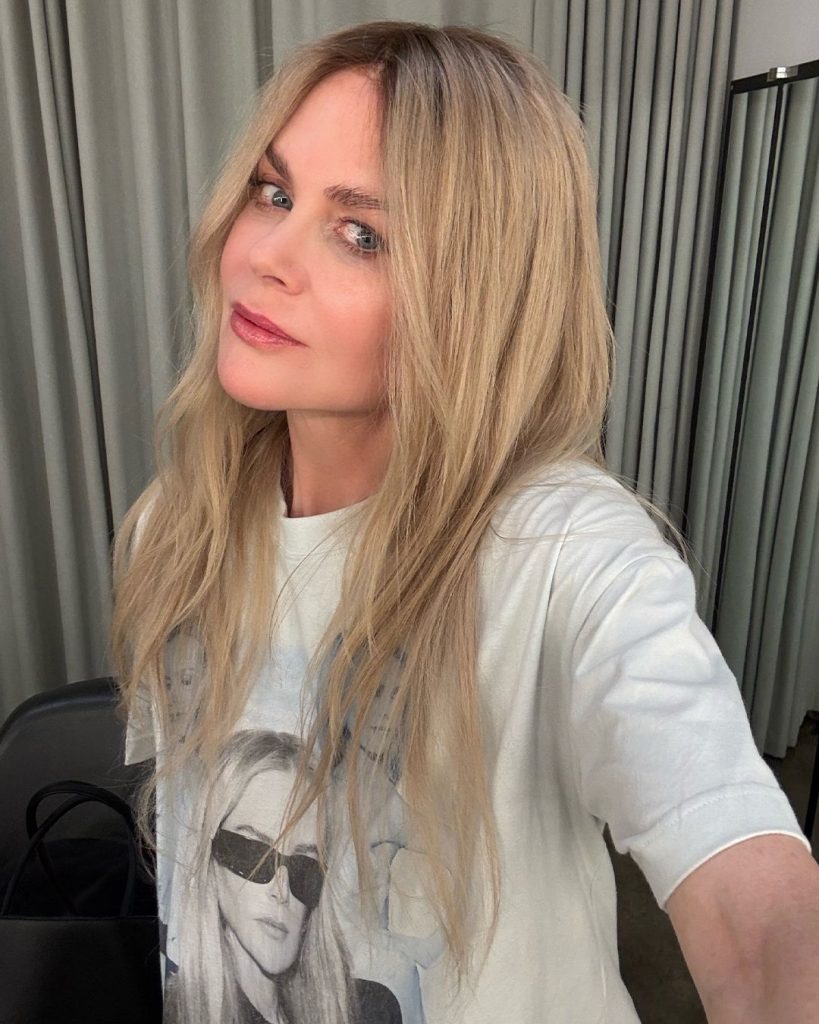
At some houses, fandom itself has become a creative resource. Balenciaga’s Brand Ambassador Fanclub Series released pieces with graphic prints and autographs of stars like Michelle Yeoh, Nicole Kidman, PP Krit, and more, as a capsule collection. Dior, with a new creative director, reimagined its Book Tote to look like a classic literature cover and even recruited book influencer Tray Taylor—goes by the moniker “Tray Read That”—to front the campaign. In a way, fandom is not only a party at the end of a transaction, but also part of the creative process.
Coming to the Crunch
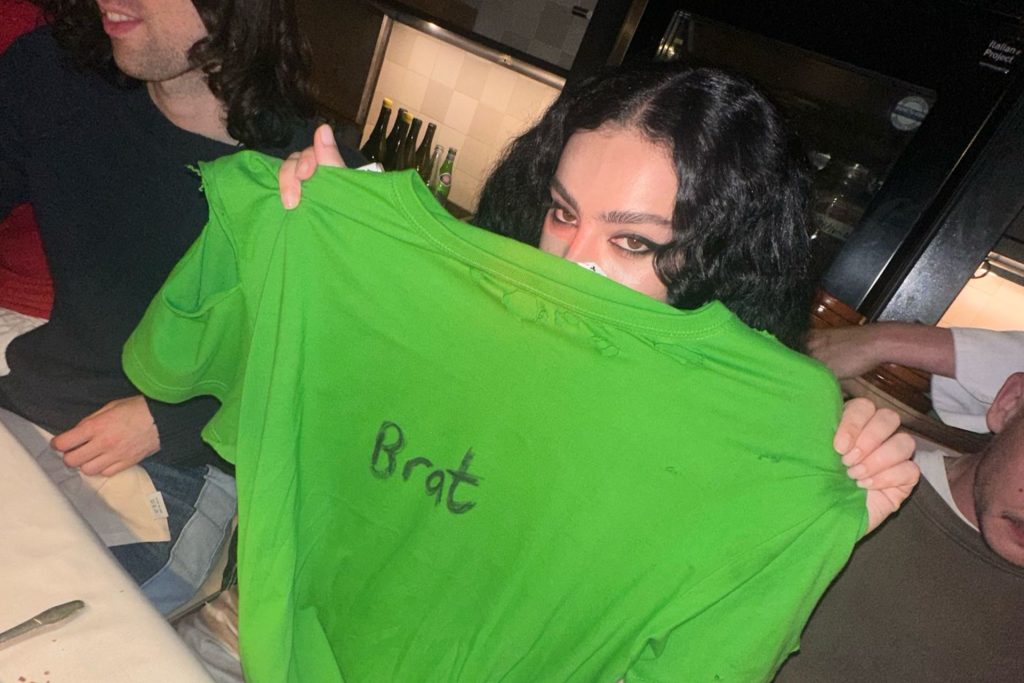
Fashion, on its own, is a niche—one that needs new moors for relevance and sales. To cut through the noise, tapping into these pre-existing and highly-invested communities is an effective strategy. In fact, brands now often sign multiple ambassadors in one season to access as many fanbases as possible instead of having a sole muse. Dior, for example, has Ling Ling Kwong from Thailand, Mingyu from K-pop group Seventeen, award-winning actress Anya Taylor-Joy, and French football star Kylian Mbappé on board. For all its measurable appeal, this fandom-centric model is fraught with peril. The very strategy that grants access to these communities can also undermine a brand’s coherence. As brands chase disparate fandoms—from K-pop stans to literary circles—their unique selling proposition can fracture. The concept of a unifying seasonal “trend” may be replaced by pop culture viral moments, like the unexpected comeback of neon green tied to Charli XCX’s “Brat”. This challenges not just brands, but also fashion as a whole, in projecting an unmistakable identity to call their own. This is, after all, making business decisions on borrowed communities.
There is a dangerous potential for over-reliance on external intellectual property (IP), where endless collaborations stifle in-house innovation. Fashion brands risk becoming mere distribution platforms for borrowed visions, eroding their creative signature. Tethering a brand’s fate to a celebrity or franchise is inherently volatile. A single scandal, misstep or shift in public sentiment can trigger catastrophic backlash, with the very community that once championed the brand turning against it overnight—a phenomenon grimly illustrated by the infamous “Prada curse”, where most of its ambassadors eventually experienced public downfall. Moreover, intensely catering to specific fandoms can alienate other segments, like the fashion purists who may feel alienated by frenzy-driven transactions that overshadow craftsmanship and artistry.
The fandom-centric model is a fundamental renegotiation between brand and consumer. Its power to generate heat and drive sales in this decentralised world is undeniable. The game then depends on getting the ratios right: harnessing the formidable energy of these communities without becoming subservient to their volatility or sacrificing the brand’s creative voice. While satisfying, the quarterly EMV spikes should not be the sole metrics. True victory lies in forging respectful and symbiotic partnerships that build lasting bridges to audiences who genuinely connect with the brand, but not just the faces associated with it. These partnerships should be a portal to reach potential clientele, not a disposable platform. In this high-stakes arena, the winners will be those who open new doors without leaving their own voice behind, who learn to drive on this new path without letting it steer the car off the cliff.
This story first appeared in the GRAZIA Malaysia March 2026 issue.
READ MORE
All The Best Looks From The 2026 Oscars Red Carpet