
It can feel baffling at first, the price of a luxury watch. Strip away the branding and what you’re left with is time itself—not the hours a watch tracks, but the hours poured into making it. These are objects shaped by patience, often by hand—and always under scrutiny by artisans. Every corner, to the smallest of parts, is refined until it meets a standard set not by machines, but by people who have spent years learning how to see.
Finishing sits at the heart of this world. It’s where a watch shifts from machine to art. Long after the mechanics are in place, artisans return to each component, visible or otherwise, to decorate until perfect—a result that could differ, but only because that’s human. Historically, these techniques trace back to 19th-century Swiss and French watchmaking, when everything was done manually. Today, machines can produce movements that are accurate and attractive with minimal human input, especially at more accessible price points. But hand-finishing is a craft that persists. What follows is a closer look at the techniques that define it.
Anglage and blued screws
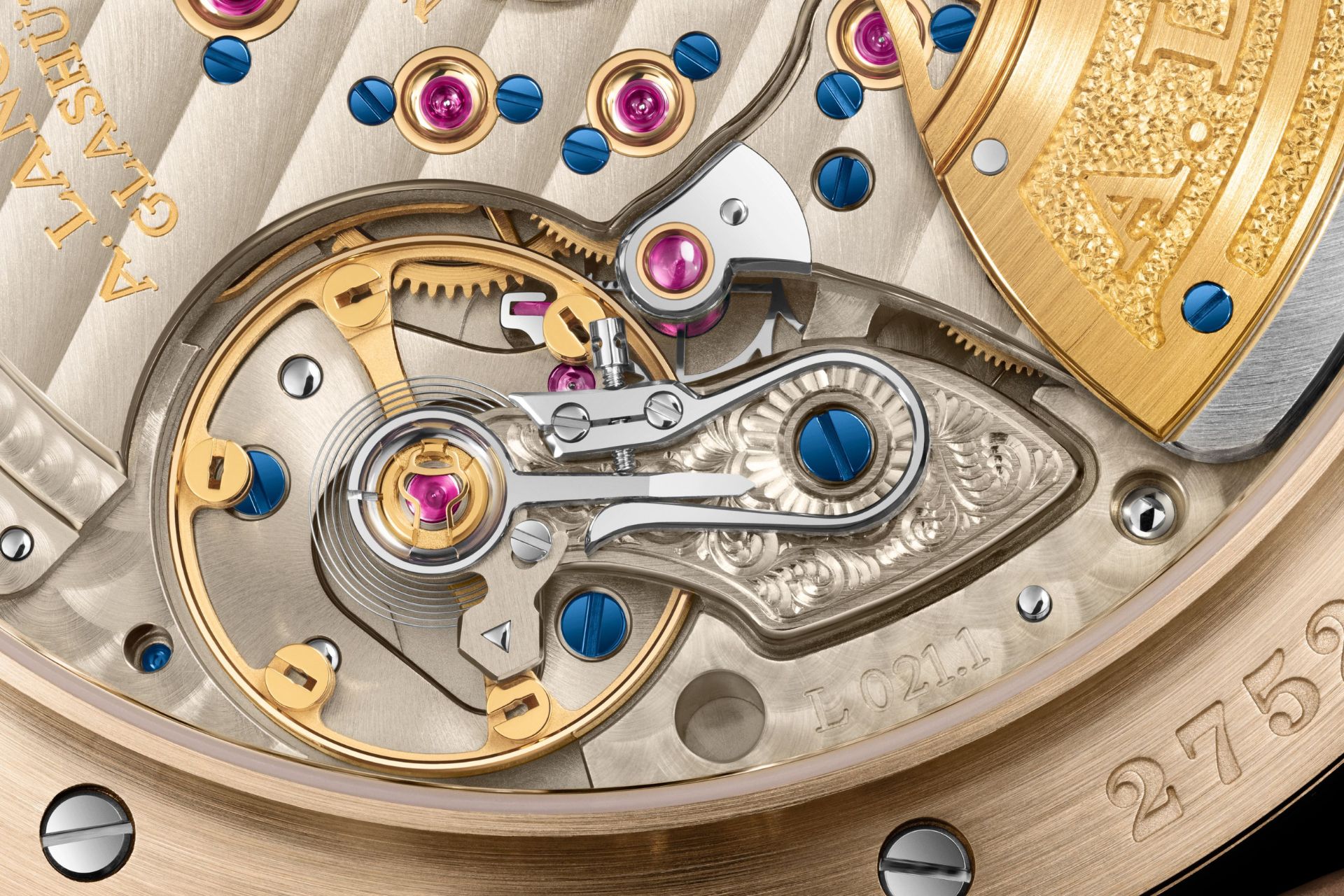
Anglage, or bevelling, smooths and polishes the edges of components, removing imperfections that could interfere with movement. External angles can be handled mechanically, but sharp internal corners require handwork and are often used as a sign of high-level finishing. Blued screws add a touch of colour, achieved by heating steel to precise temperatures. Done properly, it also improves corrosion resistance. Getting the shade right is a matter of timing; a second too long and the colour shifts, meaning the process has to start all over again.
Côtes de Genève (Geneva stripes)
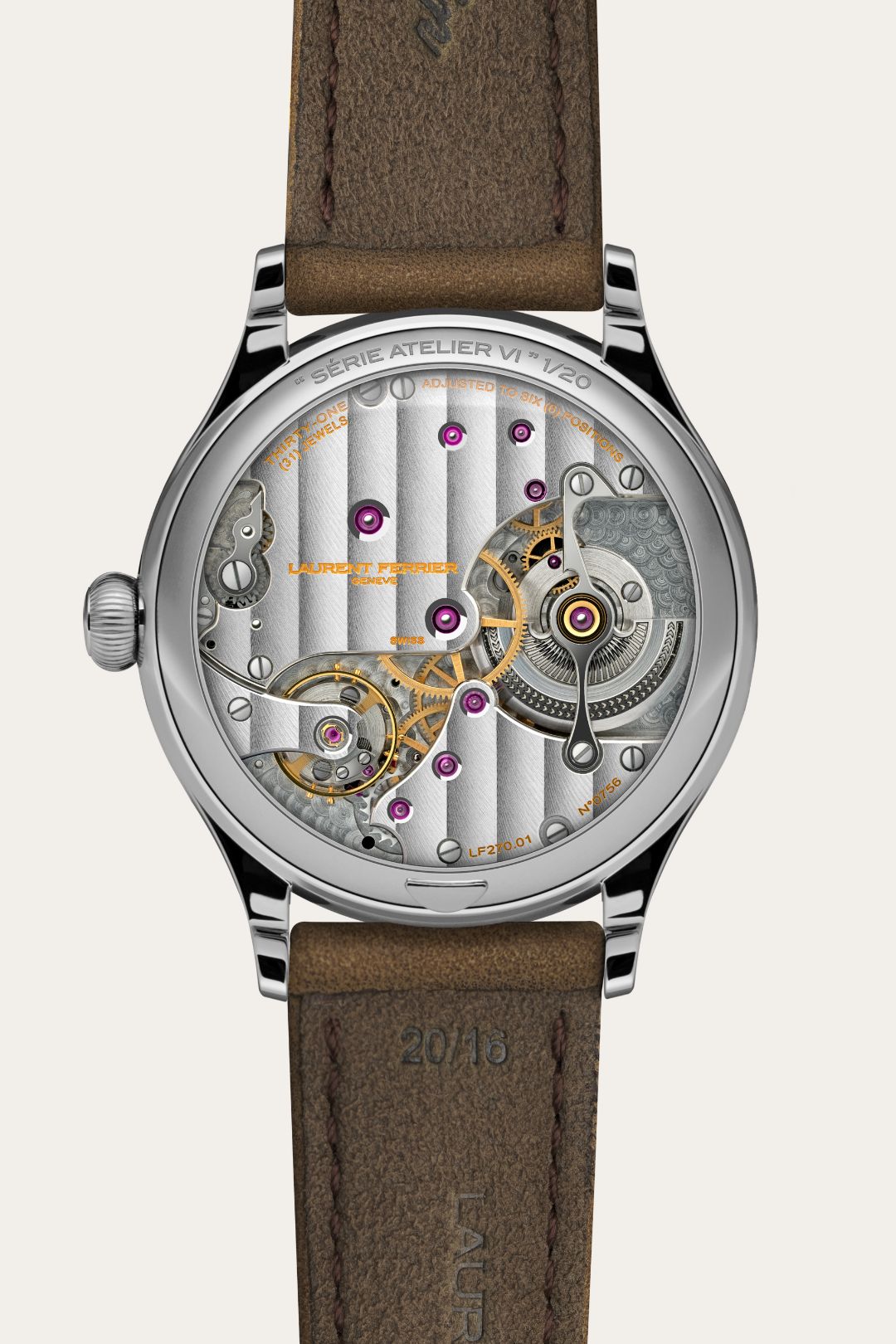
These soft, wave-like stripes across movement bridges are among the most recognisable finishes. While largely decorative today, they add depth and visual structure to the movement. They can be applied by machine, but traditional methods involve guiding a cutting tool by hand, either across a fixed surface or using a lathe in a steady back-and-forth motion.
Decorative enamelling
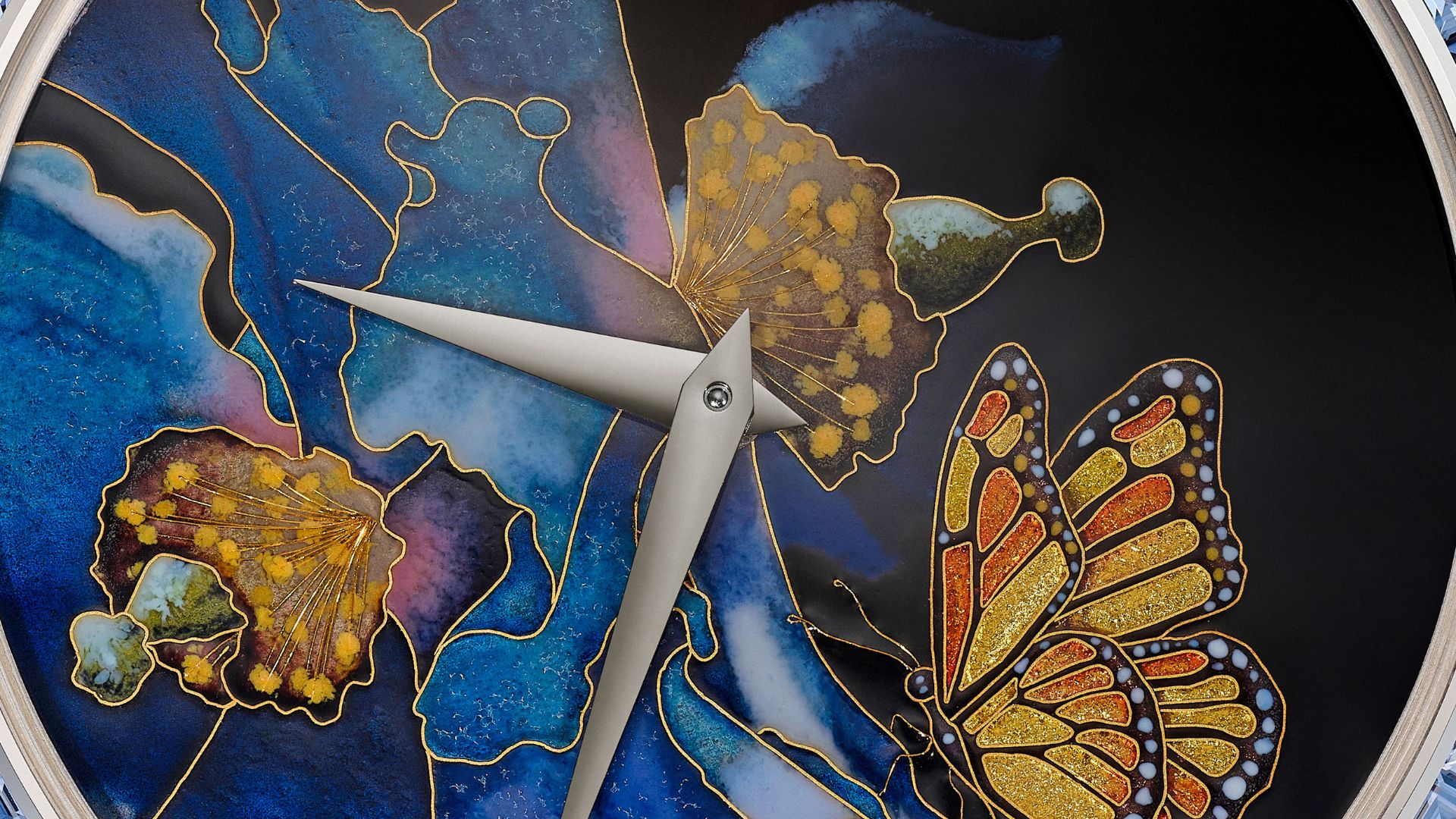
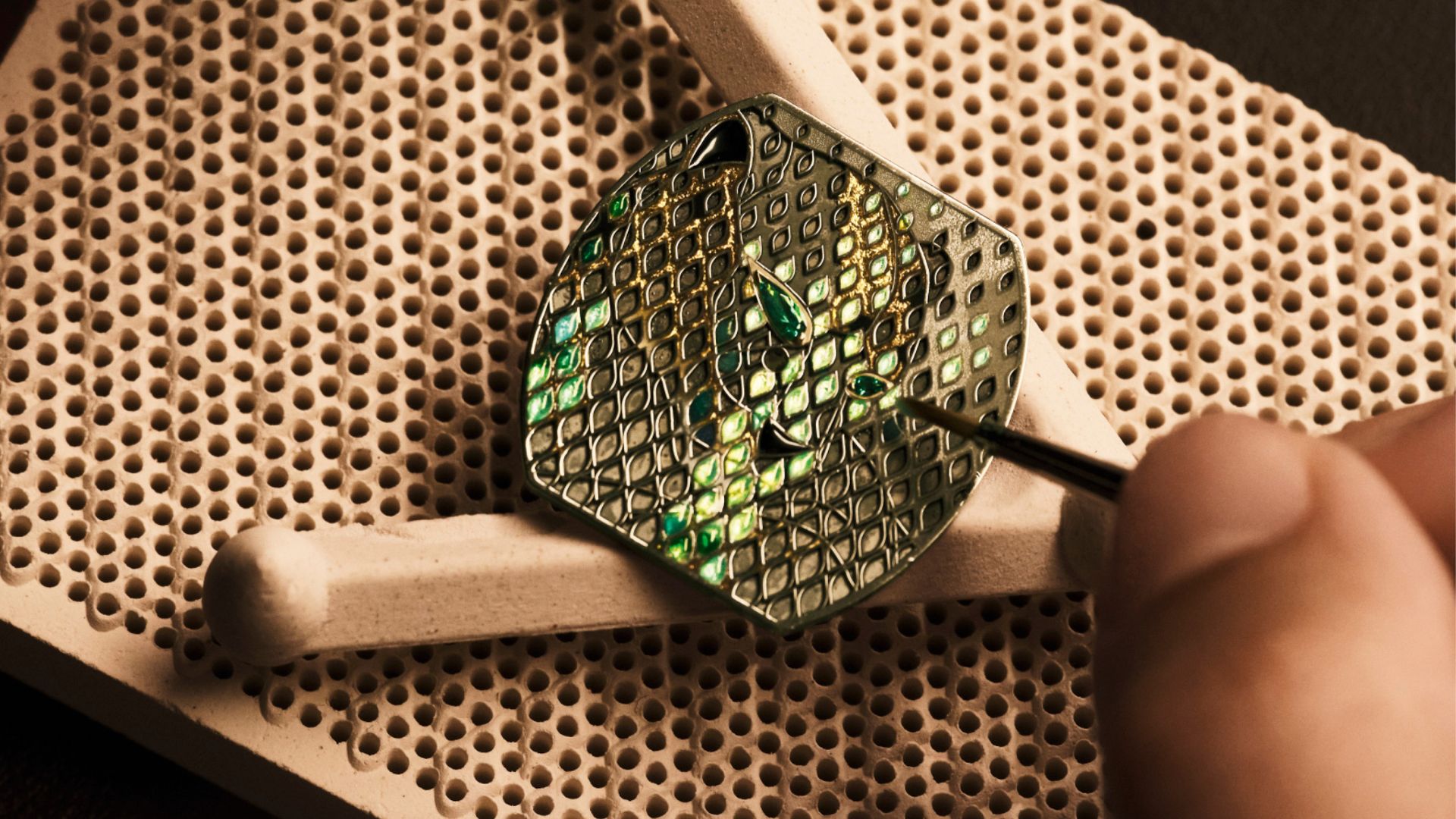
Enamelling is a high-stakes gamble. A fine glass powder is applied to a metal base and fired at high temperatures, then layered with colour, each stage requiring another trip to the kiln. Techniques may vary. Champlevé involves carving recesses into the surface and filling them with enamel. Cloisonné uses thin metal wires to outline a design before filling it with colour. Plique-à-jour creates a stained-glass effect by removing the backing, while paillonné introduces small pieces of gold leaf into the layers. Each firing risks cracking or distortion, so success depends on control and timing.
Fumé
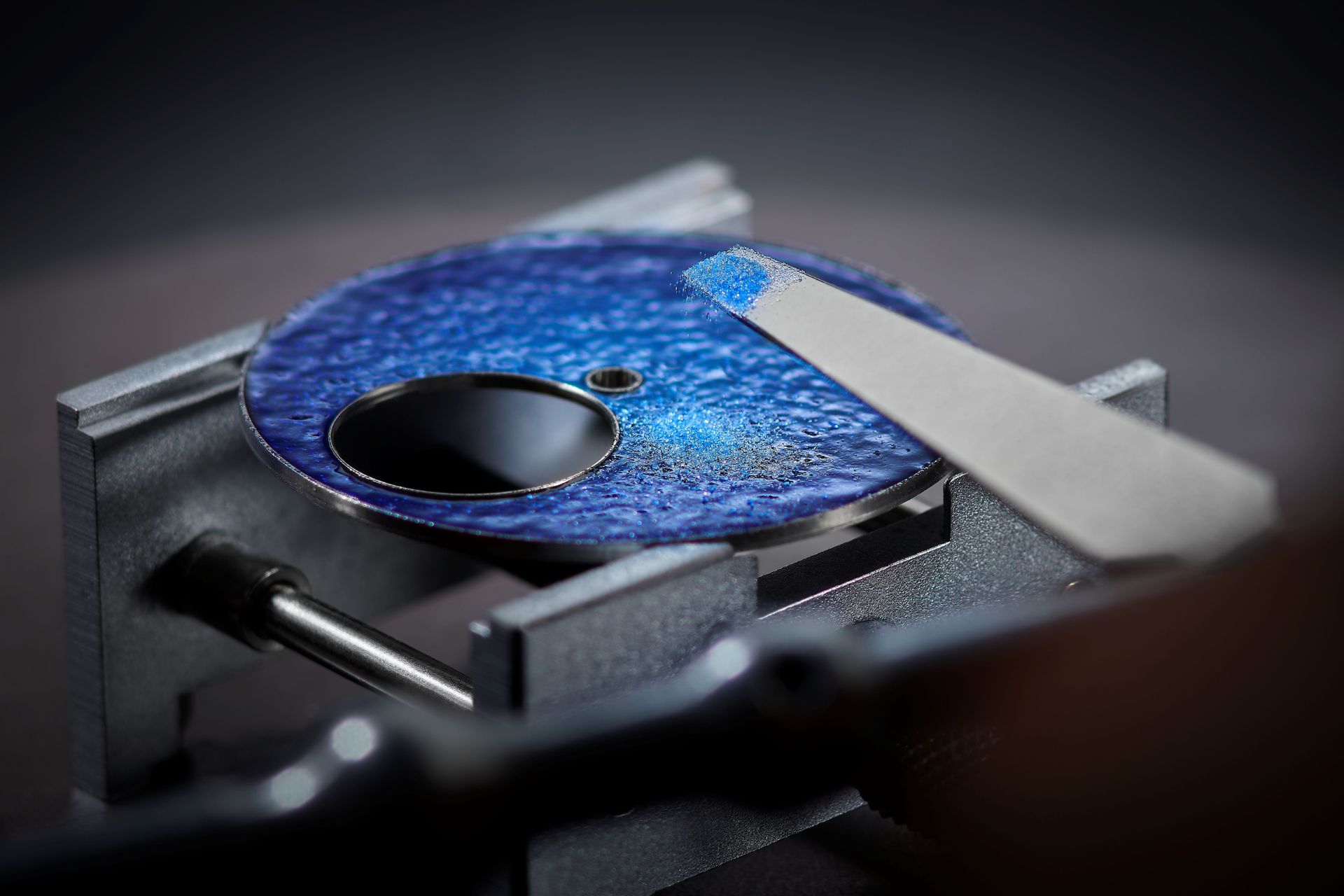
Colour is the first thing one sees on the dial. The fumé effect is a gradient that deepens towards the edges or the centre, adding depth to an otherwise simple design. It’s achieved by spraying pigment onto a spinning dial. Subtle changes in speed or pressure alter the final look, meaning no two dials are exactly alike.
Guilloché
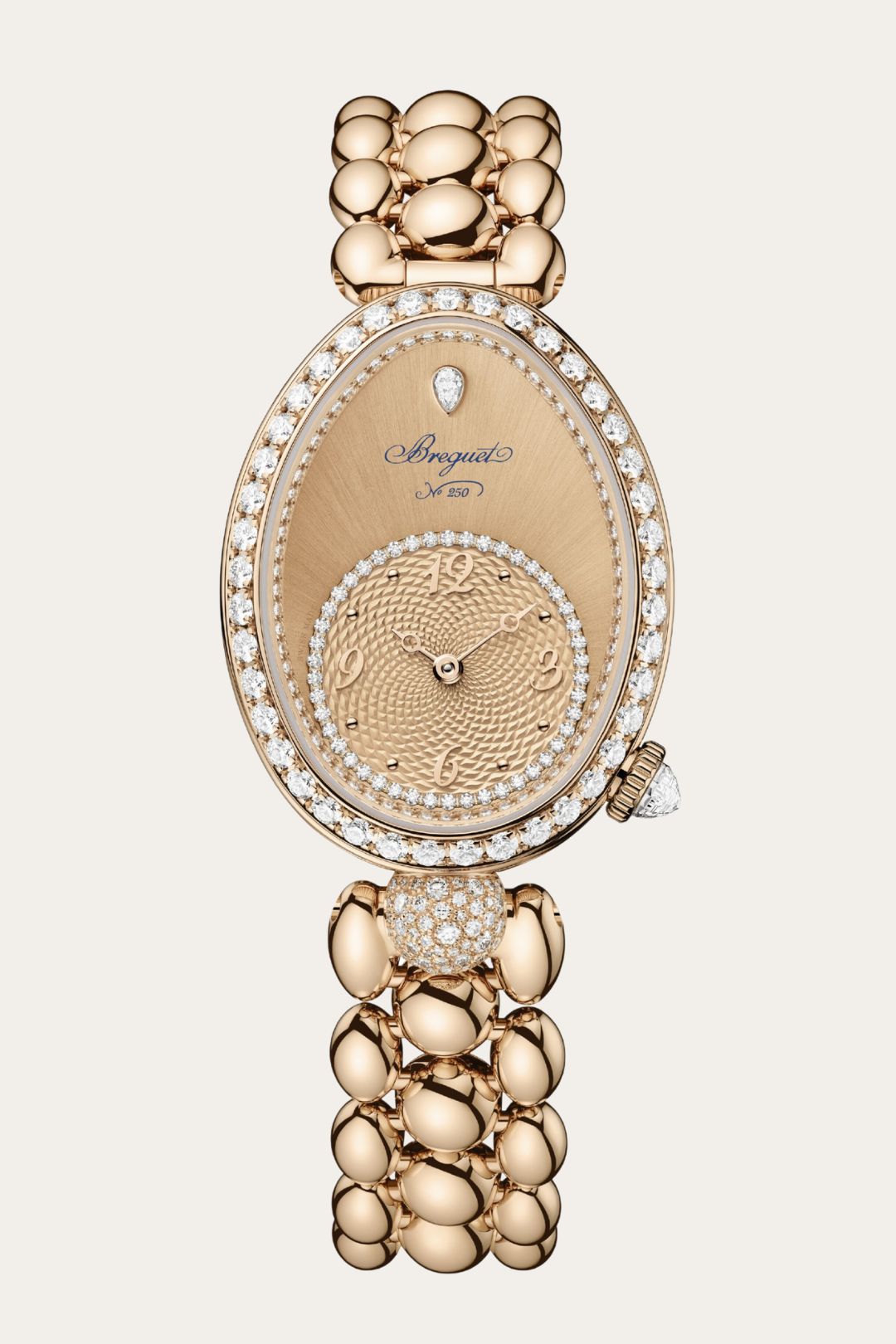
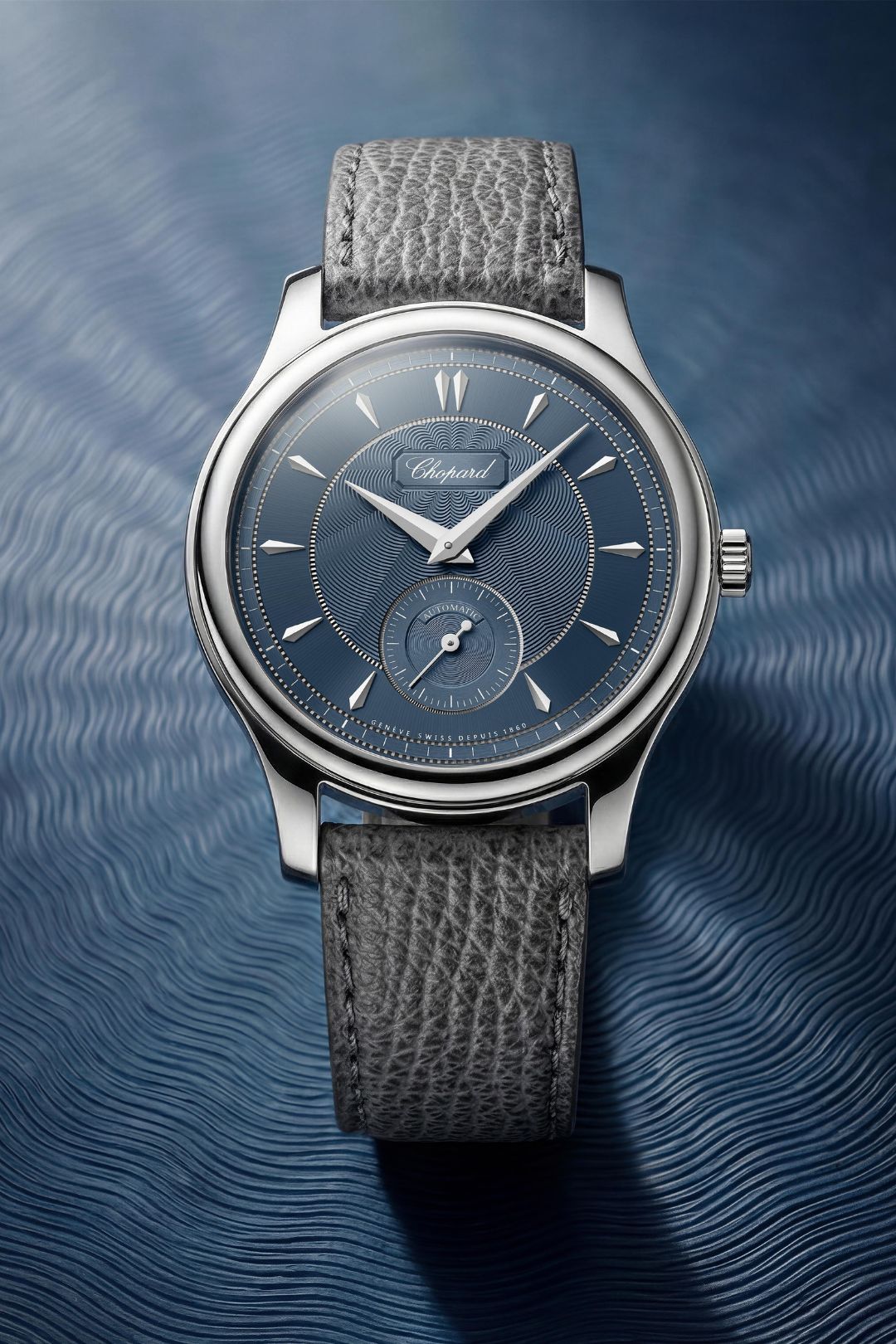
Guilloché is all about pattern, intricate, repeating motifs cut into the surface of a dial. Originally, it helped mask imperfections in the material. Now, it’s appreciated for its visual rhythm and texture. The process relies on traditional rose-engine lathes, some over a century old. The artisan guides the machine by hand, controlling both movement and pressure. Precision is measured in fractions of a millimetre, and mastering even the simplest design can take over a year of training.
Gem-setting
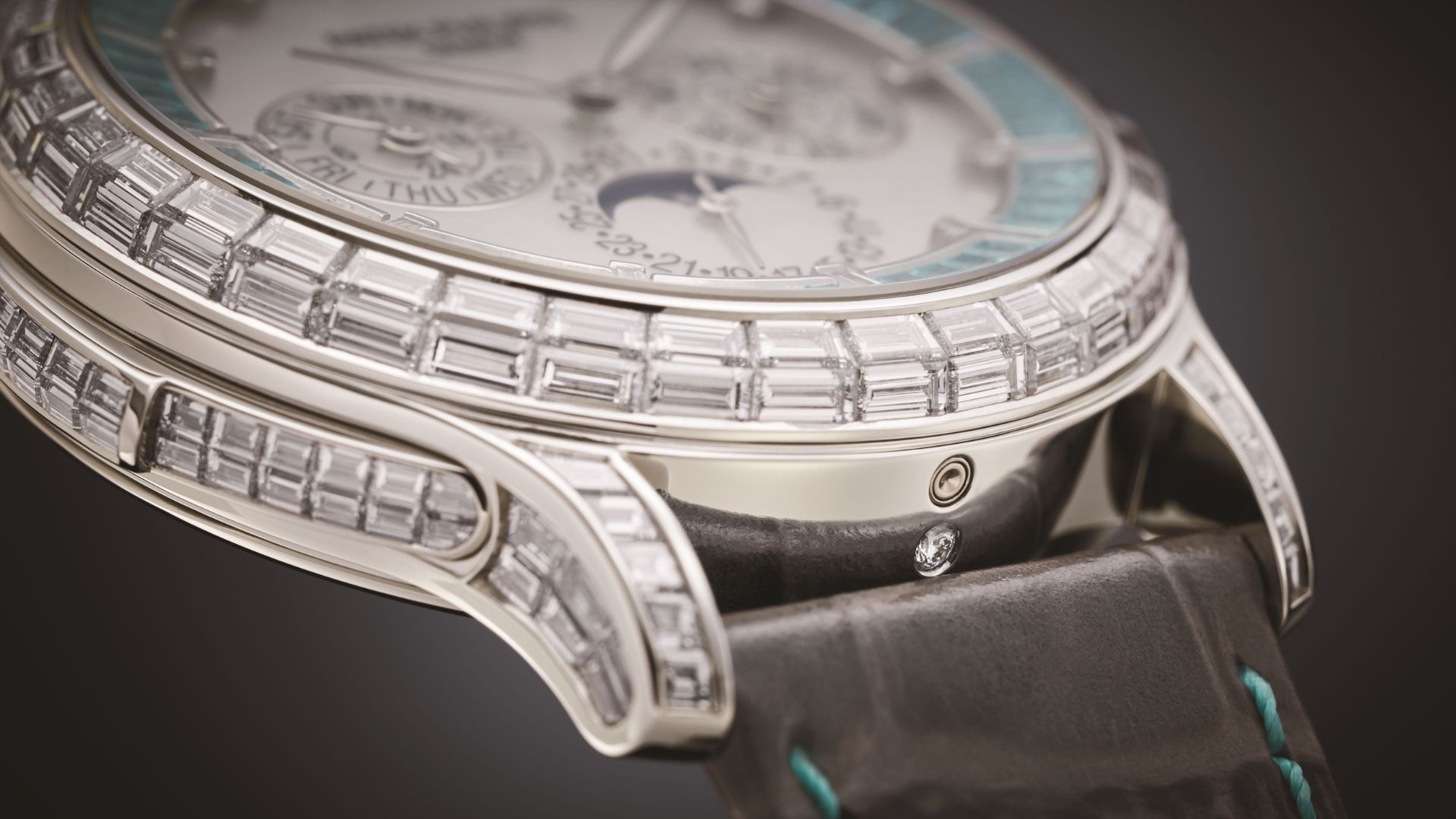
Here, watchmaking edges into jewellery. Each stone is chosen, shaped, and placed with care, then set into pre-marked positions so that alignment, height, and orientation are consistent throughout. Techniques like pavé and grain setting create dense, shimmering surfaces, while more complex methods, such as invisible setting, conceal the metal framework entirely. Snow setting, meanwhile, arranges stones of varying sizes to minimise visible gaps.
Hand-painting and ink-printing
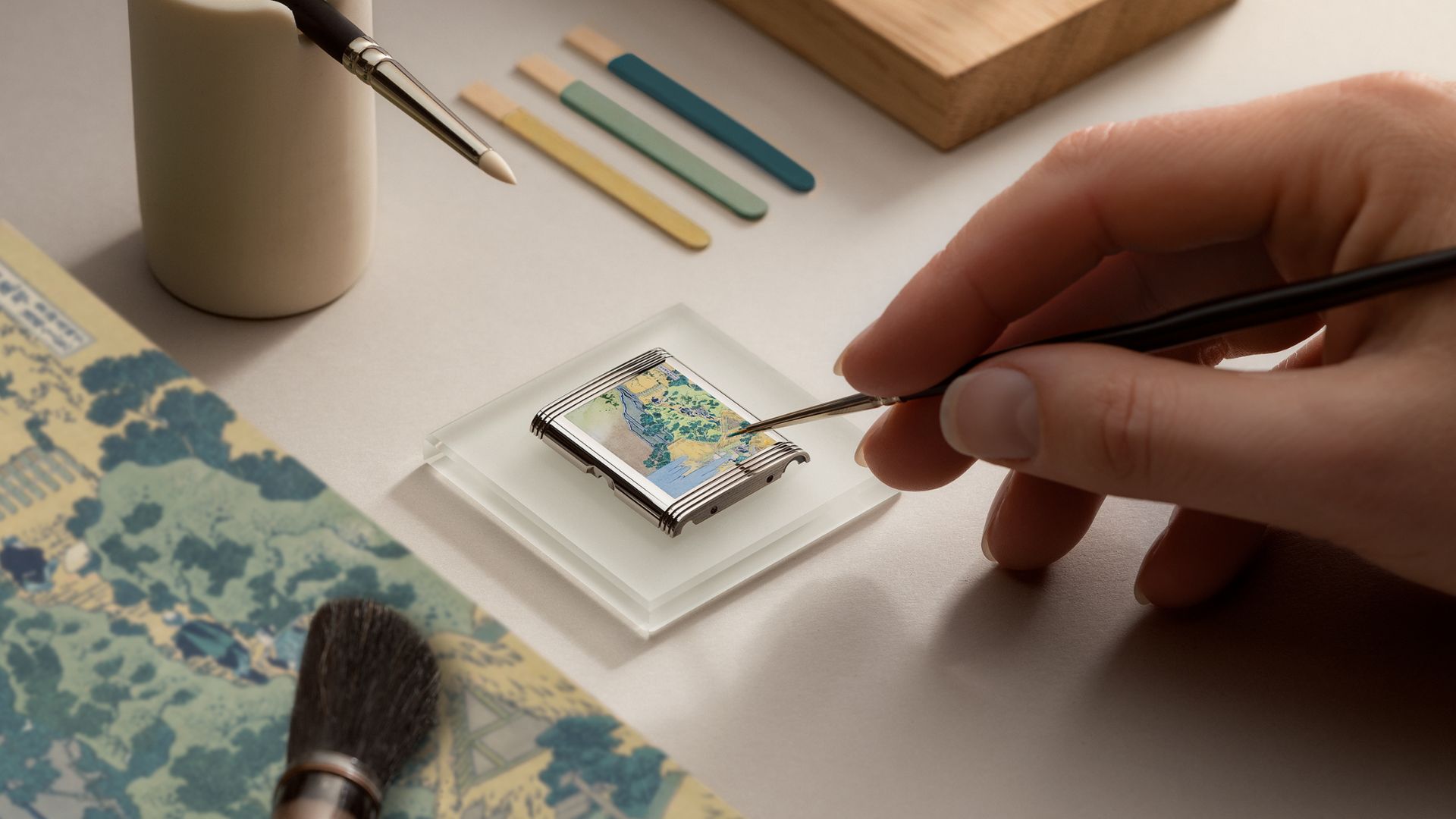
The roots of dial decoration go back to enamelled pocket watches. Over time, this evolved into miniature painting, where entire cases became canvases. Today, enamel remains prized, though lacquer offers a more resilient and consistent alternative. Painting a dial is painstaking work, sometimes taking up to 10 days, with ultra-fine brushes and repeated firings for each colour layer. Ink is transferred using a gelatin pad from an engraved plate onto the dial, then fired again to fuse the design.
Hand engraving
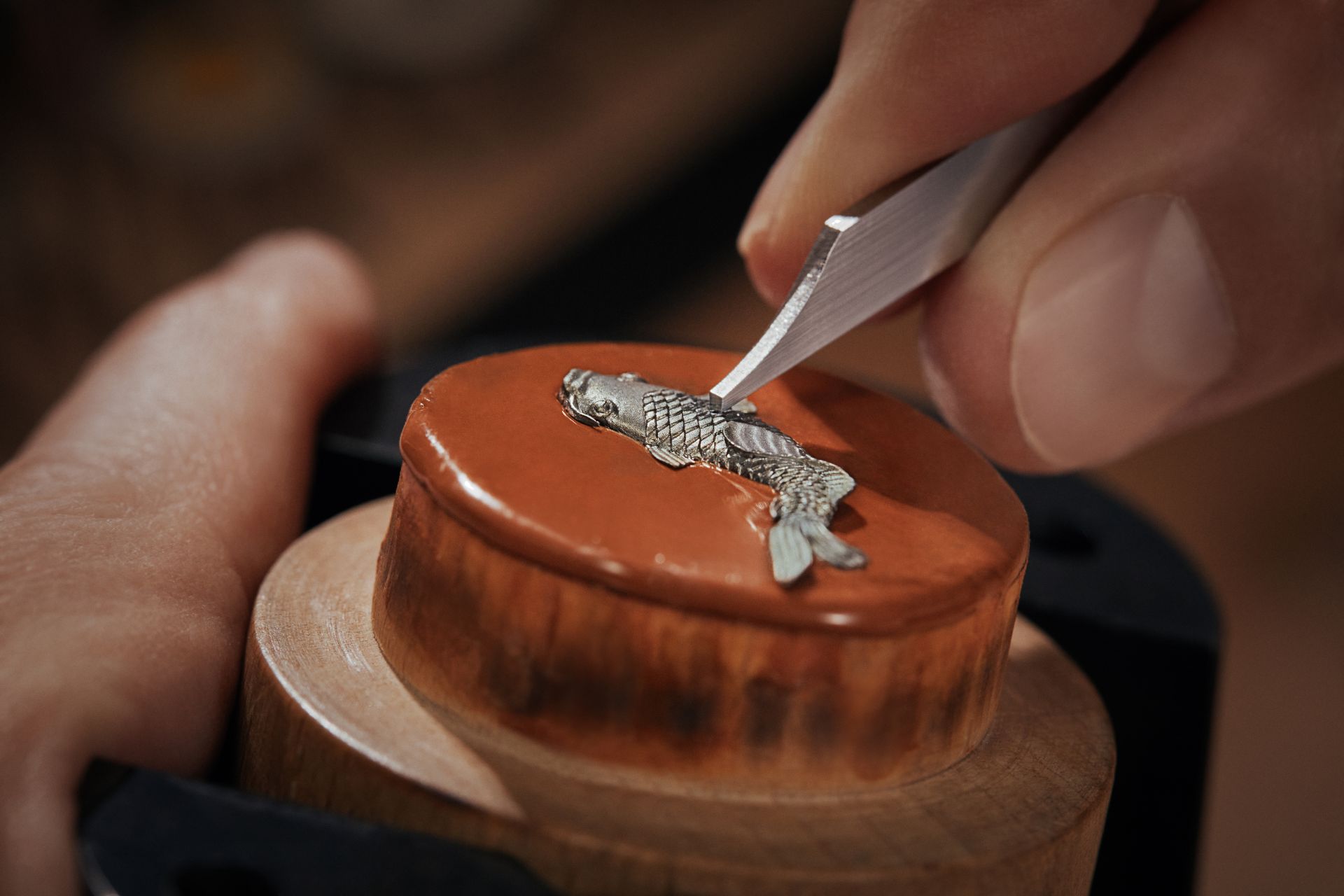
Engraving adds another layer of individuality. Designs can be cut into the surface or shaped by removing the surrounding material to leave the motif raised. Each engraver develops their own set of tools, tailored to their grip and technique. The result is often deeply personal, with subtle variations that make each piece distinct.
Mirror polishing and perlage
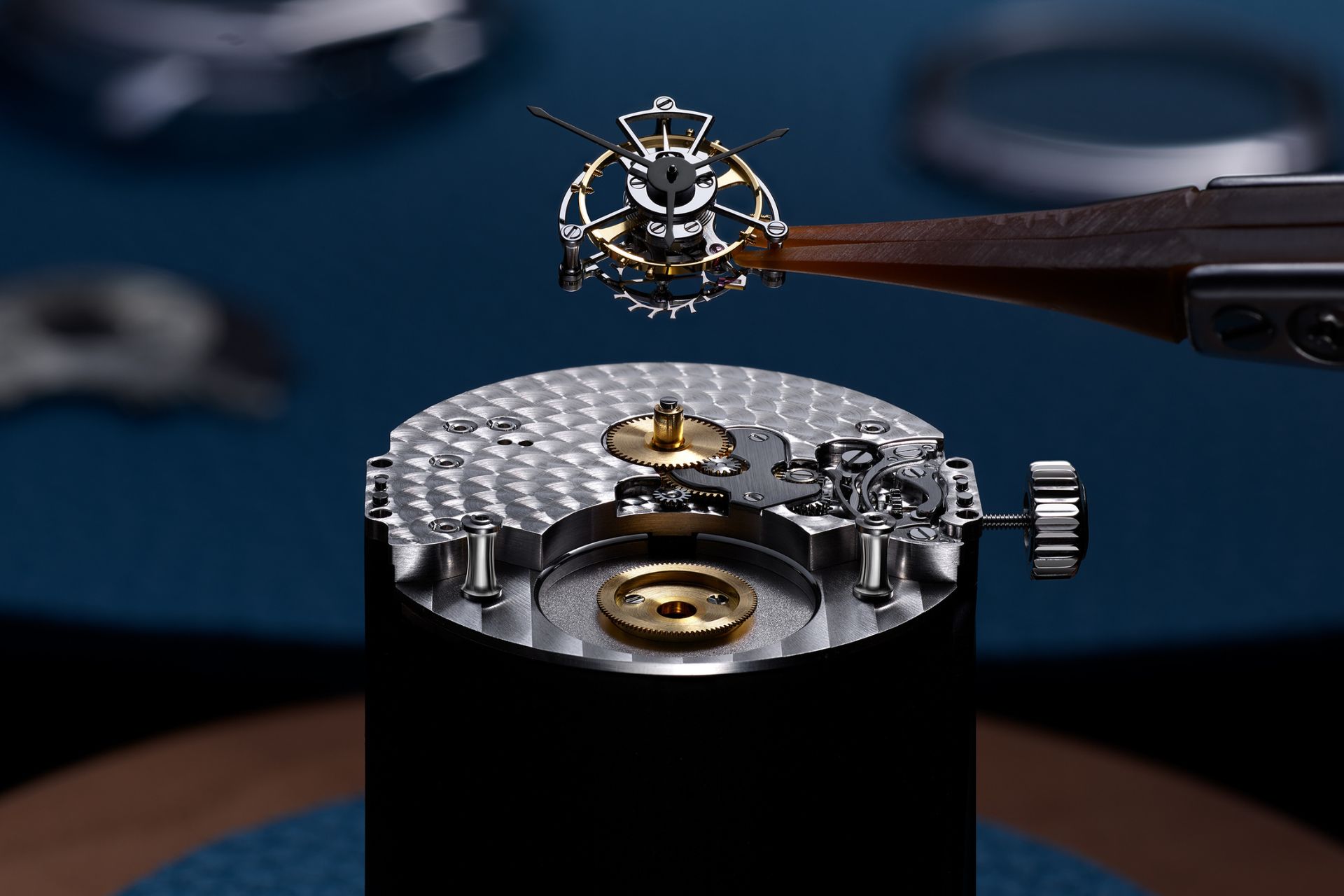
Mirror polishing creates a surface so smooth it reflects light in a way that can appear black at certain angles. It’s used sparingly, often on key components, because of the time involved. Even a small part can take hours to finish. Perlage sits at the other end of the spectrum. These small, overlapping circles are applied using a rotating abrasive-tipped rod, typically mounted on a basic drill press, to stamp those precise circular motifs onto the surface across plates and bridges, forming a textured pattern. Achieving consistency here is key.
Skeletonisation
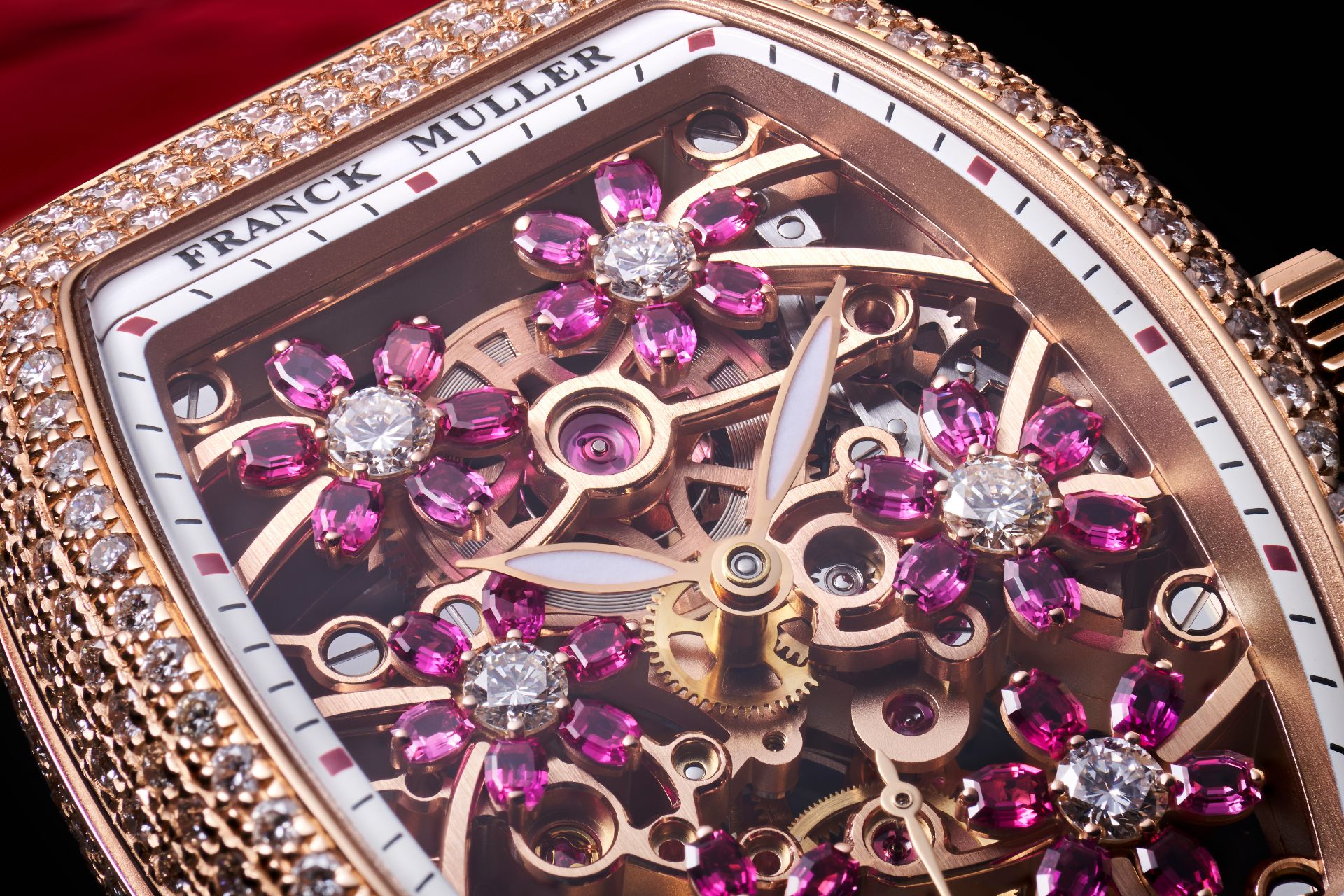
Skeleton watches reveal their movement by removing as much material as possible without compromising function and are defined by their finesse, with their inner workings revealed. Despite the name, many are designed this way from the outset rather than carved down from a complete movement. The process involves cutting away sections by hand, then refining every exposed edge. What remains is both structure and ornament, a kind of mechanical lacework.
READ MORE