
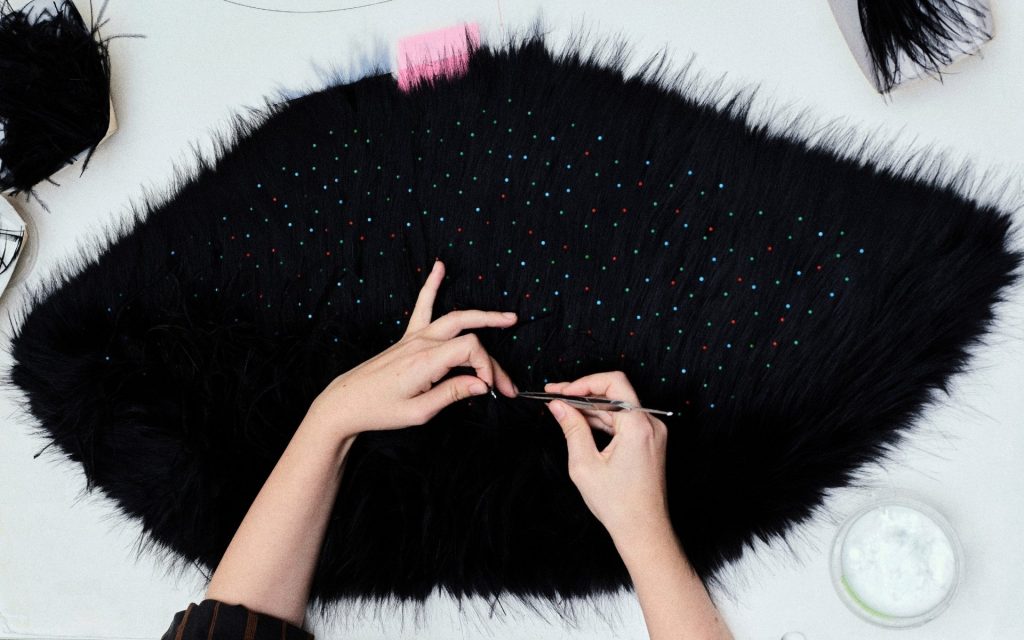
“We are going back to the roots of our brand: craft.” So goes the press release from various heritage fashion houses, latching onto something with more staying power than virality. Whether they’re doing it properly—not the greenwashing lip service or a nice-to-have, but genuinely committing, taking pride, and fully leveraging it—is a tale for another day. For now, we’re just glad this progress means we are in good hands.
There is a peculiar sort of pleasure in watching luxury brands rediscover the stitching that holds them together. After years of logomania, limited drops, and inter-seasonal collections, the upper echelons of fashion have arrived at a collective realisation that people rather like it when things are made by actual hands.
Truth be told, we live in contradictory times. Over dinner, the same people who excitedly discuss surging artificial intelligence (AI) investment will, with a straight face, declare 2026 the “Year of Analogue”. The cultural shift away from constant digital immersion towards tangible, offline experiences—“from URL to IRL”—is driven by digital fatigue, a desire to escape the algorithmic trap, and a craving for human touch. To be fair, it feels a tad dated to say this now, as many fashion designers have pushed this agenda for years. A personal favourite is Matthieu Blazy and his unwavering commitment. Ever since his tenure at Bottega Veneta, he has never stopped spotlighting craft. Remember the “Craft is Our Language” campaign? Released in 2025 to celebrate 50 years of the Intrecciato weave, it turned hand movements into a conversation. Straight to the point, yet poetic.
Needles and Threads
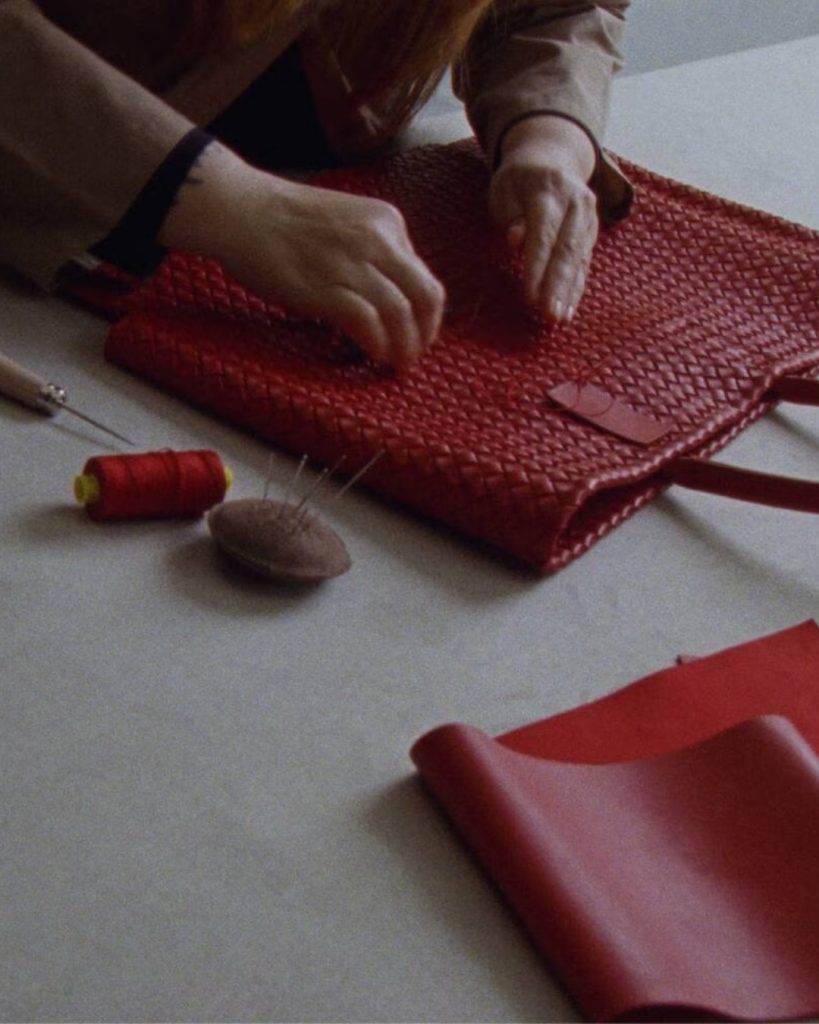
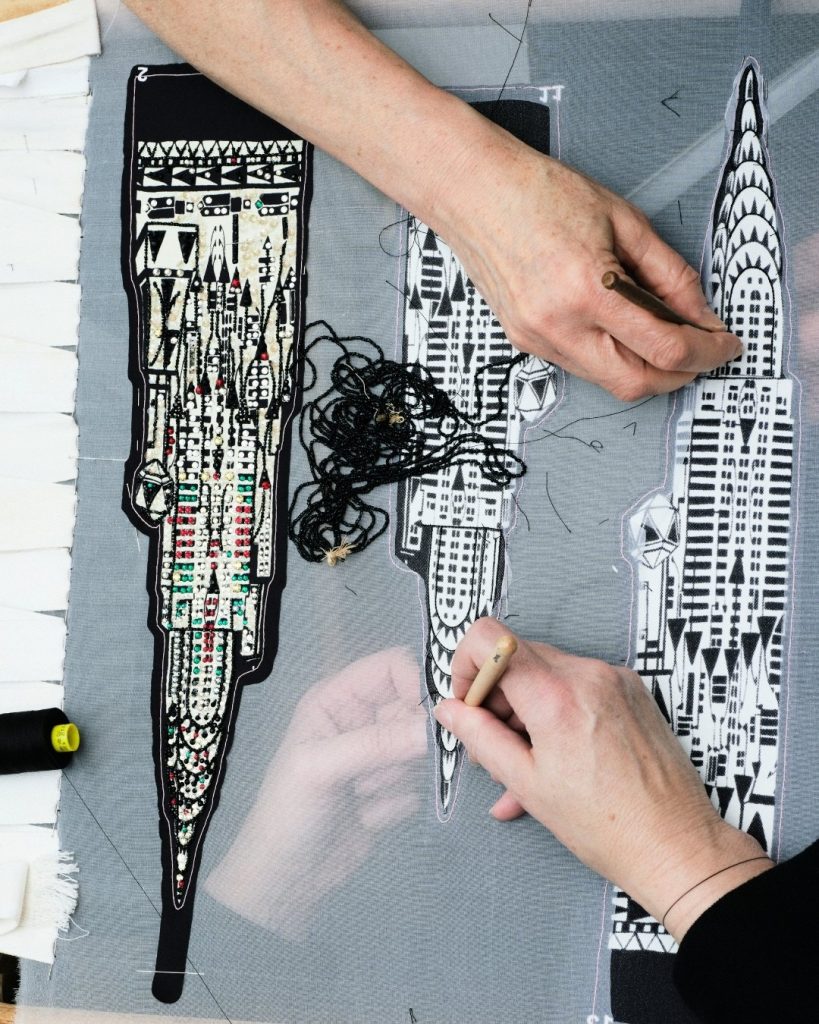
Loewe, Chanel, and Tod’s, to name a few, have become craft crusaders in the fashion stratosphere. Meanwhile, a parallel universe of online content has bloomed. Videos of experts breaking down fashion know-how in the hope of educating the masses—such as Volkan Yilmaz, who dissects leather bags to reveal hidden stitching—have fundamentally changed consumerism. In an age of AI, the luxury industry is making an expensive bet on the one thing machines cannot replicate: human hands. And, perhaps, the human thumb too: scrolling through social media for informative content that reveals how garments are put together or how leather tanning works.
Among all the brands championing crafts, Loewe stands out with its annual Loewe Foundation Craft Prize, launched by Jonathan Anderson in 2016. Now in its ninth year, it’s a global platform made solely for craftspeople like basket weavers, ceramicists and textile artists. Now under Jack McCollough and Lazaro Hernandez, it has positioned itself as the keeper of the flame. Equipped with a room full of experienced artisans, the brand also established the Loewe School of Leather Craft in Madrid over a decade ago. Bottega Veneta followed with the Accademia Labour et Ingenium in 2023, while Tod’s Academy serves as an incubator for young aspiring artisans.
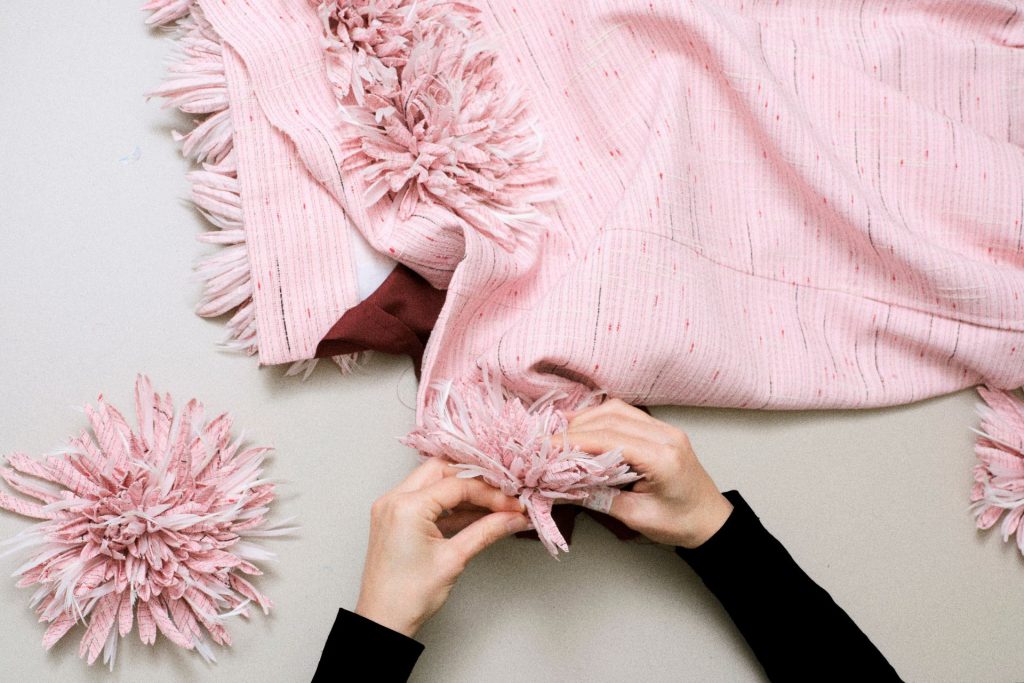
Chanel, for its part, has long understood that craftsmanship is not merely a marketing angle to cash in on but a commitment to prestige. In 2021, the house launched the le19M, a creative hub housing a network of specialist ateliers. Milliner Maison Michel crafts the headwear, Massaro for footwear, and Goossens takes the goldsmithing hat. Atelier Montex breathes life into Lunéville crochet embroidery, Maison Lemarié tends to the flowers and feathers, Lesage handles intricate embroidery and tweed, and Desrues sorts the buttons. Every piece by Métiers d’Art is a showcase of exceptional artistry and a living witness to the craft’s revolution in fashion.
We can sing about these efforts, but let’s be honest: for brands marketing deep-rooted heritage, such commitment is a non- negotiable. In fact, it spills beyond production—into runway set design, identity building and Milan Design Week. Loewe’s teapot collection, for instance, caused quite a buzz and was considered Anderson’s swan song—whose primary role was to design clothes— during his tenure at the Spanish house. Dior Men’s Spring 2025, under Kim Jones, also brings crafts back to the stage, featuring blown-up reproductions of Hylton Nel’s ceramics alongside a whimsically inspired collection. Preserving crafts, in these cases, became a way for designers to put their foot down in honouring the heritage of the houses they create for.
The Shears
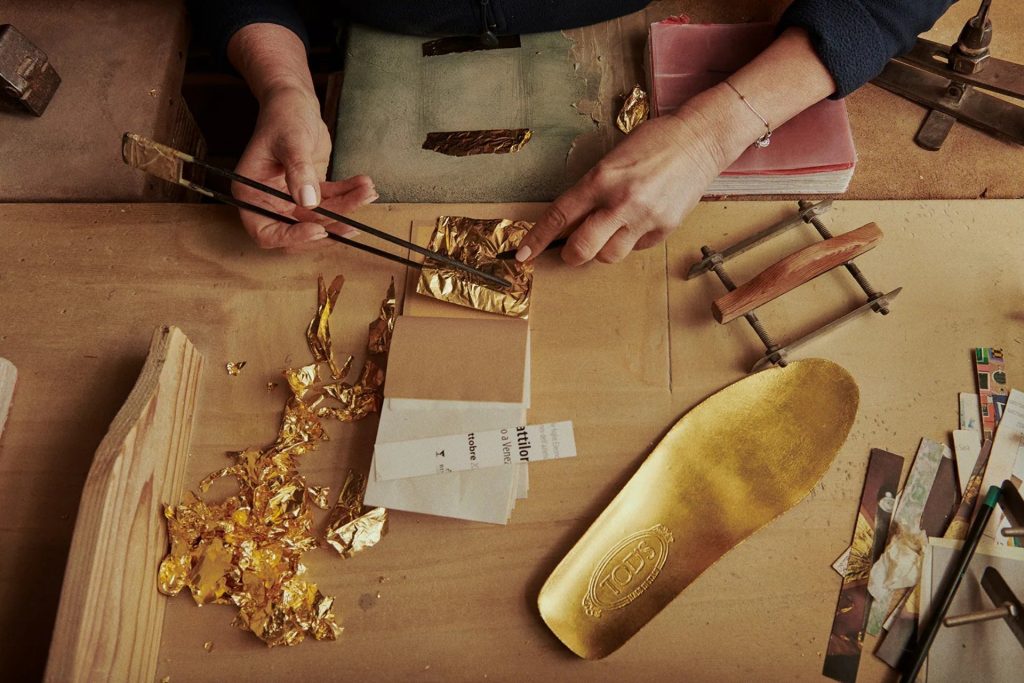
Making craft the main anchor is a decision that lands somewhere between a vow of authenticity and a high-wire act. On one hand, it offers a gravitational pull few marketing narratives can match. On the other hand, it invites a level of scrutiny that leaves little room for corner-cutting.
The pros are seductive. Now that consumers are adept at sniffing out greenwashing, a genuine commitment to craft provides a story that is almost impossible to fake. The online community is growing: cobblers are patinating leather, embroiderers are explaining the difference between knots, and milliners are steam-moulding felt—all commanding our screen time. These are not hobbyist tutorials—though many of those exist, too—but are adjacent to product journalism. The public now demands to know what goes into the things they buy and what happens in the atelier tucked away on the outskirts of a small town, and they are willing to pay for the answer.
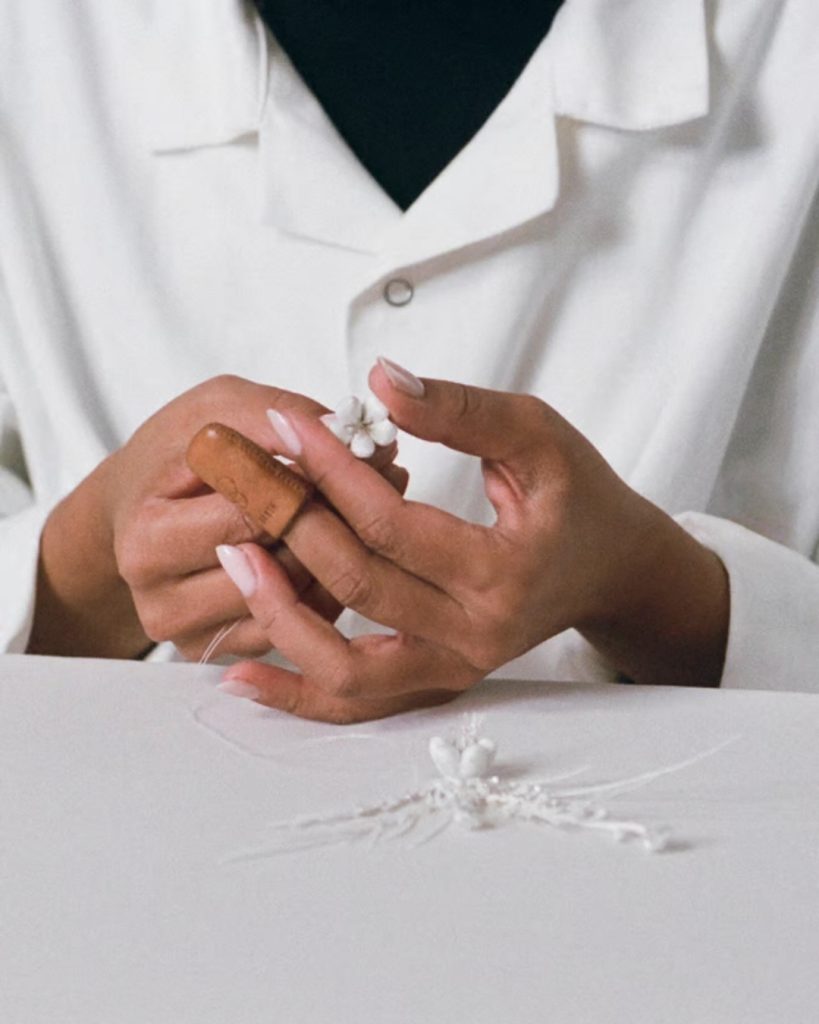
The luxury sphere has always tapped into craftsmanship. What’s changed is the new seriousness of this commitment. Why now? This space is saturated with content churned out from the same template; marketing strategies that once felt fresh have gradually lost their allure. Fast fashion—once democratisation, now landfill—has created a consumer fatigue so profound that quantity over quality has lost its appeal. Meanwhile, AI has produced a counter-effect. With AI-generated imagery flooding our feeds, the appetite for the tangible has surged exponentially. Shoppers now gravitate towards pieces that feel intentional, a respite from the “AI sameness”.
The inflation crisis is also reframing how value is perceived and weighted. When the cost of essentials climbs drastically, spending significant sums on ephemera becomes harder to justify. But a hand-stitched leather bag, made to last decades, with a visible record of human attention? That begins to look less like an occasional indulgence or a big girl splurge and more like an investment—or at the very least, a rationalisation that will pass muster.
The Looms
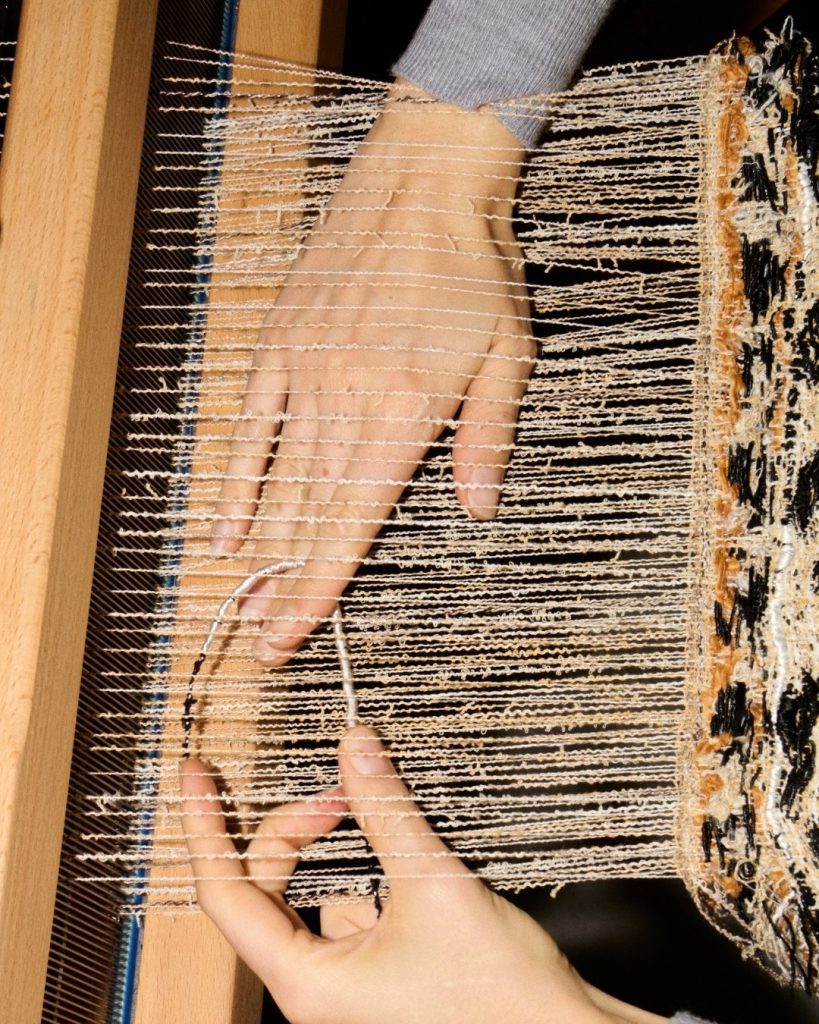
None of this is to suggest that technology has been banished from workshops or that brands should simply retreat to the old ways. The reality is increasingly hybrid. A growing number of luxury houses now experiment with digital tools that assist rather than replace human hands. An app like DiTenun, for example, uses machine learning to digitise pattern-designing for traditional hand-woven textiles, allowing artisans to offload labour-intensive tasks like documentation.
In a conversation back in 2023, CEO Nancy Margried explained that advancement increases efficiency and builds a digital pattern database for cultural preservation. Jacqueline Foong from Tanoti Crafts agreed that, at this stage, any progress in textile technology will be key to the preservation, especially in reaching different demographics. In GRAZIA Malaysia’s Thread Talk series online, Foong concluded that the main focus now is “to widen the use and grow the market for songket—be it hand or machine-made”. The core, as these craftspeople suggest, is that humans remain the point of authentication.
It is tempting to see the luxury industry’s pivot to craft as a convenient marketing story. And in part, it is. Brands have margins to protect and shareholders to pacify. But the story has taken hold because it answers a genuine need. In a world where everything can be faked, copied, or generated within an hour, the thing that cannot be rushed—craft—becomes the only thing worth waiting for.
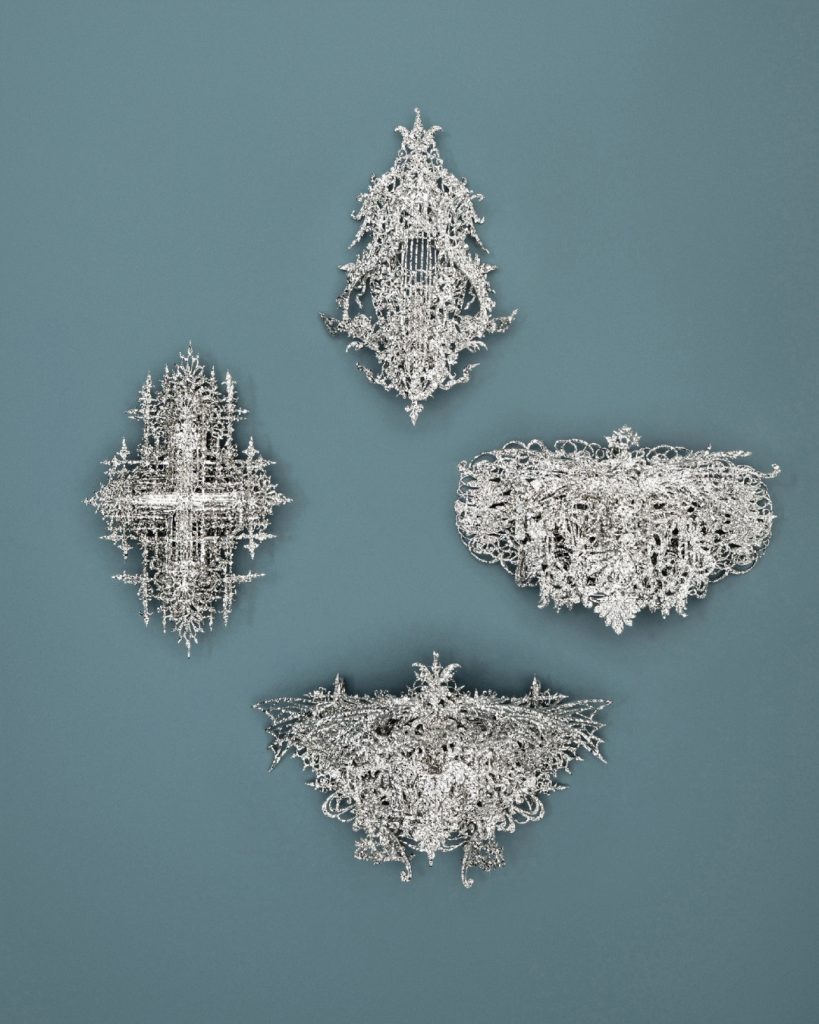
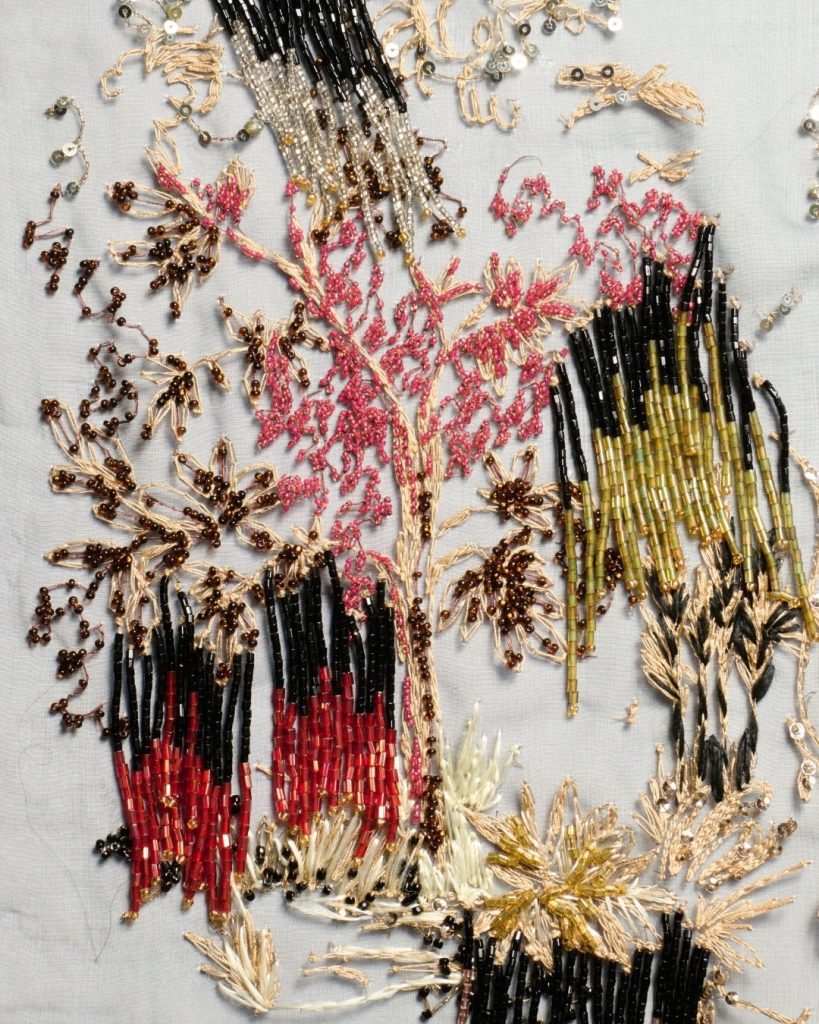
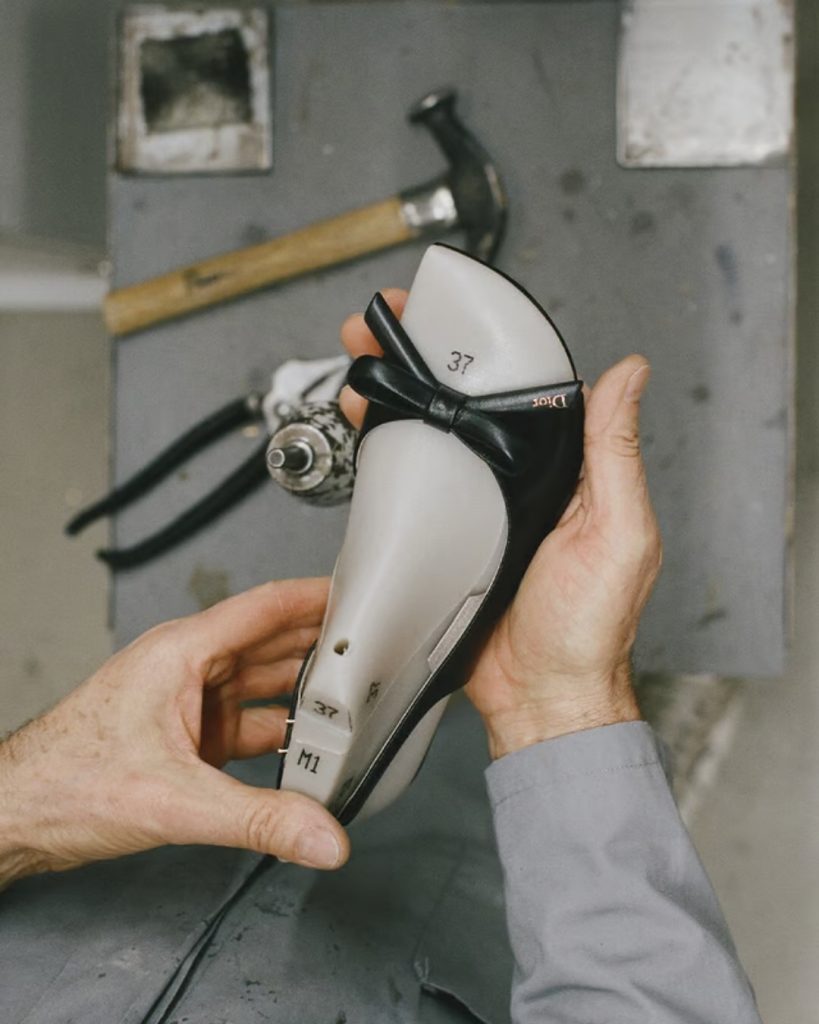
Craft is not merely a justification for a high price point—value and price, after all, are never interchangeable. As algorithms get smarter and the seasons get shorter, that trace of the human hand will only become more precious. The most durable luxury, then, will be the one that bears the trace of a person rather than the cold perfection of a machine.
In the end, fashion houses are doing what sensible people do when faced with chaos: finding a solid ground, especially when there is no guarantee of what comes next for business. Solid ground, in this case, is in the steady hands of people who know what they are doing. What brands should remember while leveraging this human-centric aspect is to be humane enough. Labour needs fair compensation, not exploitation; the academies must serve as pipelines for career sustainability, not shackles. And consumers, too, will want to know that if craft is such a precious commodity, will it be reserved only for haute couture, regressing into an exclusivity that alienates aspirational clientele? But for now, if that cost uptick gets in the way of honouring crafts, one can always take matters into their own hands.
This story first appeared on GRAZIA Malaysia May 2026 issue.
READ MORE
Trusting the Process: Farah Mohan and the Endless Possibilities of Batik
Muni Osman On Getting His Hands Blue with Natural Fabric Dye
Here’s Why You Should Check Out the LOEWE Foundation Craft Prize at National Gallery Singapore