
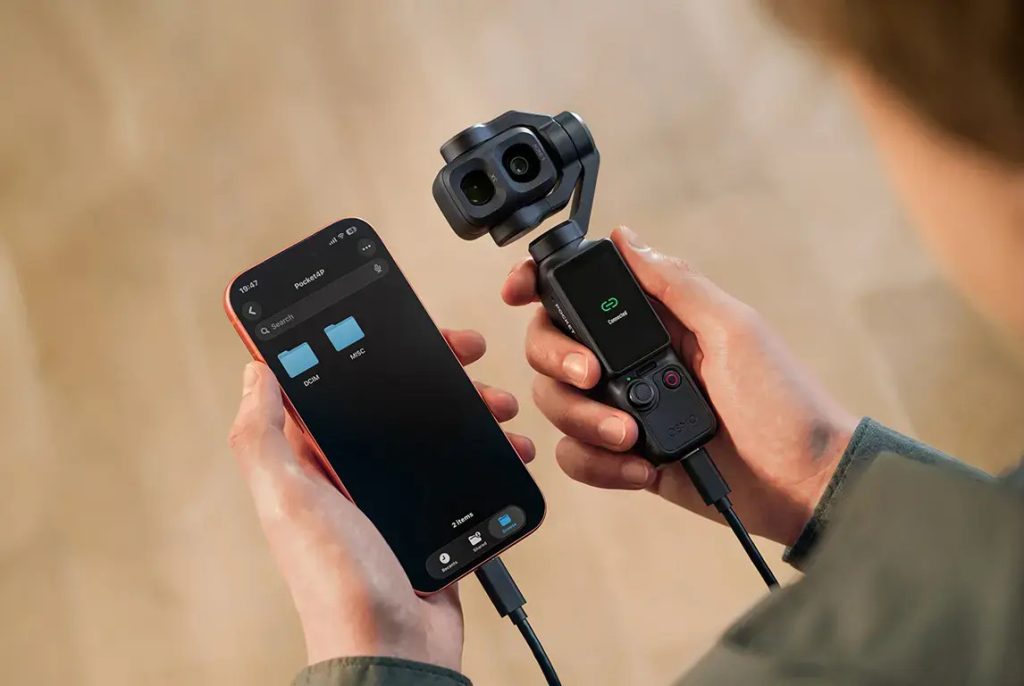
A modern content creator has become a one-person production house, expected to frame the shot, deliver the line, monitor the sound and somehow remain in focus. A phone can handle plenty, but it still has limits. Shaky footage and poor audio rarely match the creative vision.
DJI’s answer to this is the Osmo Pocket 4P, a 230g handheld camera built for creators who have started asking too much of their phones. Its compact body houses two cameras, three-axis mechanical stabilisation, subject tracking, 103GB of internal storage and a rotating touchscreen.
The Pocket 4P doesn’t replace a professional camera setup. It’s not trying to. The appeal lies in its solo-friendly production kit, small enough to carry every day. It sits at the sweet spot between your phone and your overly cumbersome camera bag.
Two cameras are better than one
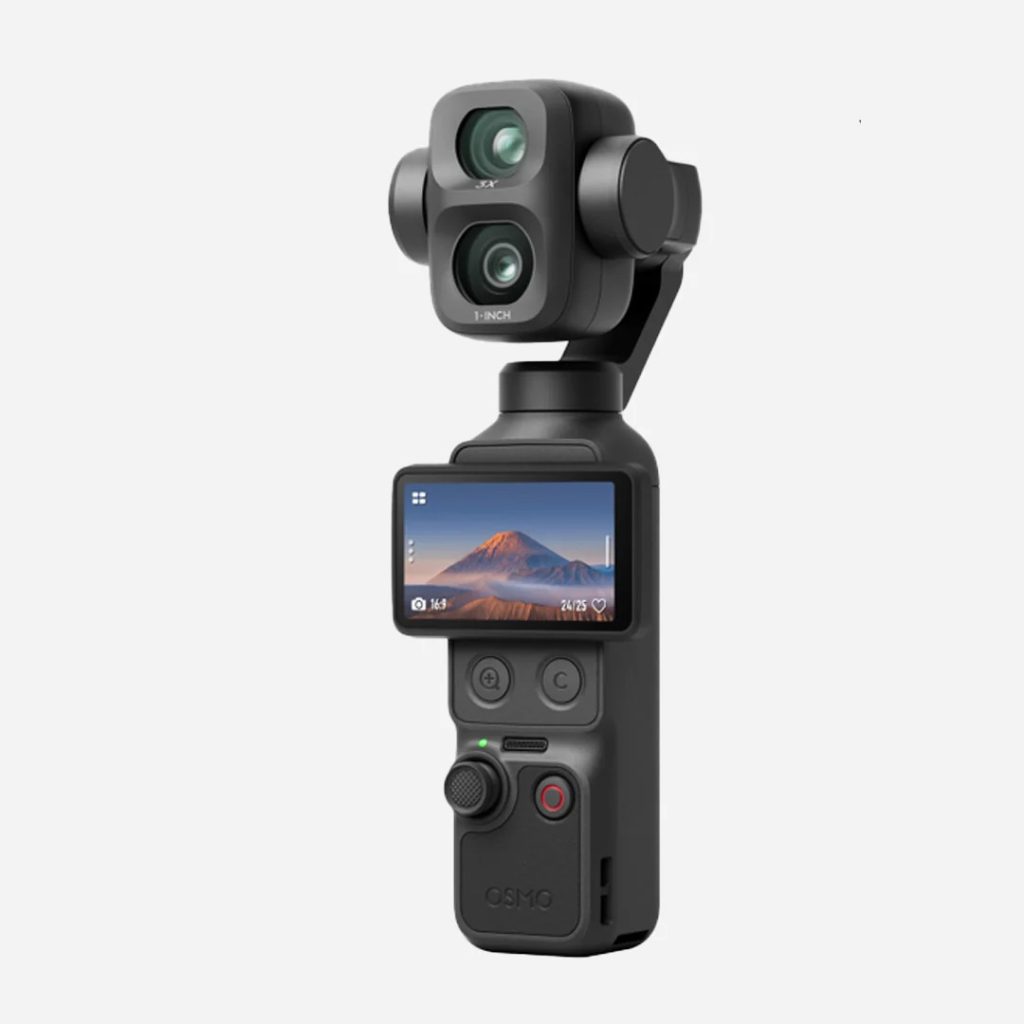
The headline upgrade is a dual-camera system. Most pocket cameras ask one lens to handle every situation. The Pocket 4P splits the workload. Its wide-angle camera captures more of the surrounding scene, while the second camera is designed for portraits and close-ups. In simpler terms, the wide camera gives you context. The portrait camera gives you a better face card.
The wide-angle camera pairs a 20mm-equivalent lens with a 1-inch sensor and f/2.0 aperture. The broad view makes it a natural choice for vlogs, group shots, and travel footage. The larger sensor helps footage appear cleaner and less grainy indoors or after dark. The f/2.0 aperture lets in more light when conditions are less than flattering, without the need for another ring light.
Tap the screen or zoom control, and the Pocket 4P switches to its dedicated portrait camera. It provides a tighter view, drawing more attention towards the person or object being filmed. The 60mm focal length avoids the stretched facial proportions that wide-angle lenses can often create at close range, while the f/1.8 aperture produces a softer, more natural background blur.
When the lighting refuses to cooperate
DJI claims up to 17 stops of dynamic range when filming with its new D-Log 2 colour profile. The camera retains detail across the brightest and darkest areas of the scene. A person standing in front of a bright window should remain visible without turning the view outside into a white blur. The same applies to night markets, backlit portraits and outdoor shoots under harsh KL sunlight.10-bit colour depth. (DJI)
D-Log 2 records footage with softer contrast and flatter colours, giving editors greater control over the final appearance. Its 10-bit colour depth captures over a billion colours, helping gradual changes across skies, shadows and skin tones appear smoother after editing. One limitation is worth noting. The 10-bit D-Log 2 setting only works through the wide-angle camera at 1x zoom.
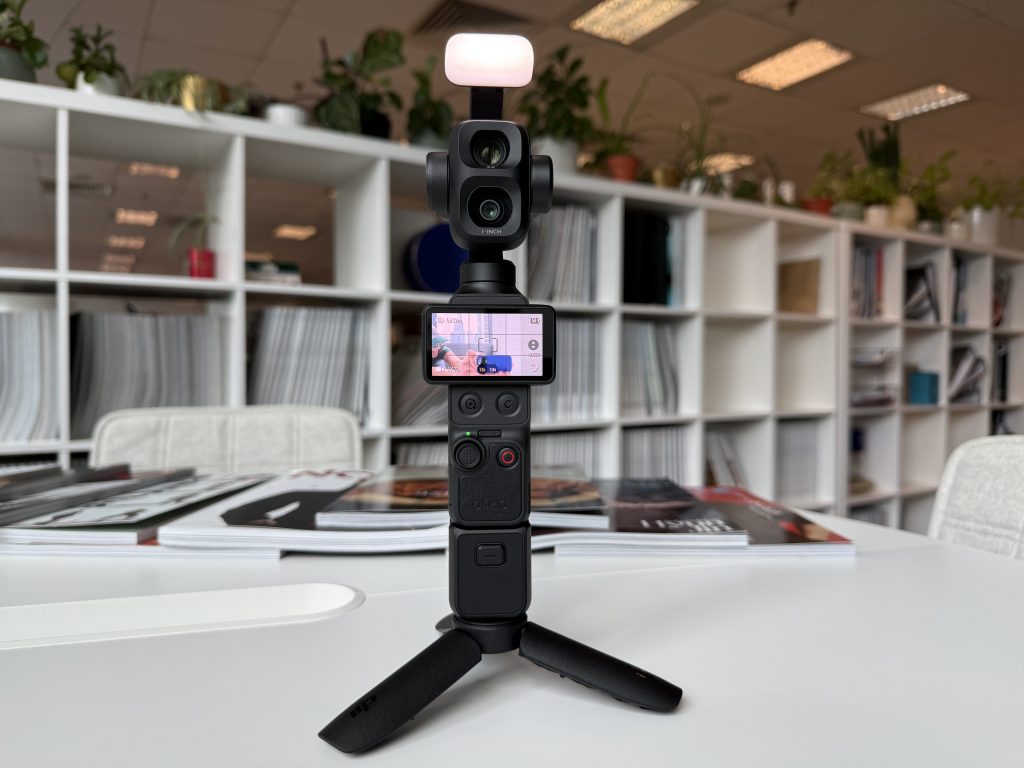
For creators who would rather skip colour grading altogether, the Pocket 4P has six ready-made film tones. Plus, Beautify lets you adjust skin smoothing, brightness, and tone. A removable fill light offers three brightness levels as well as warm, neutral, and cool colour temperatures. Your late-night mamak mukbang can now have proper lighting, even when the restaurant doesn’t.
A pocket-sized camera operator
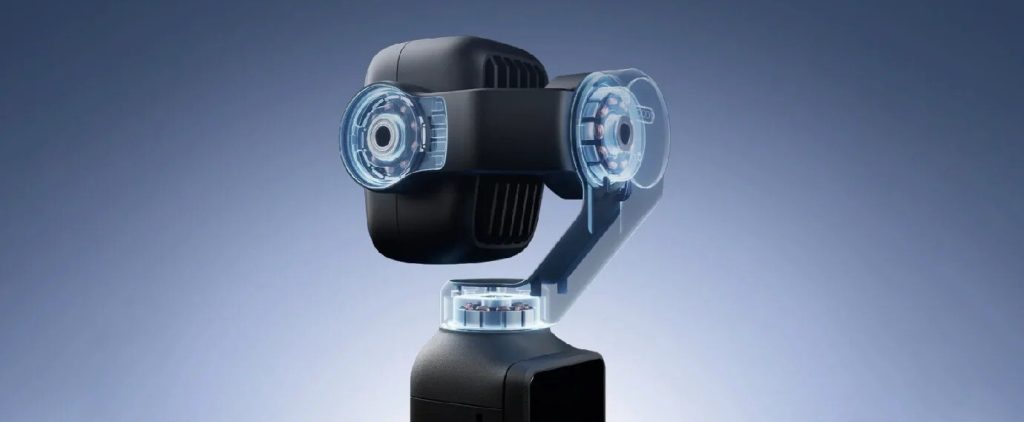
The three-axis gimbal physically moves the camera to counteract shakes and jolts, keeping the footage steady as you walk, turn or follow a subject. It won’t make every footstep invisible, but it does smooth out bounces and shakes, with a more cinematic result.Multi-person tracking. (DJI)
ActiveTrack 8.0 then follows people, pets, vehicles and other objects, keeping them centred at up to 12x zoom. Its multi-person mode can recognise and frame groups of up to eight people. It can also widen the composition when somebody enters the shot.
A useful feature for solo creators is operating the Pocket 4P through hand gestures. Raise an open palm to activate tracking or flash a V sign to start recording. It’s a practical shortcut when the camera is mounted several metres away, and nobody is there to help you press the record button. Although it may leave strangers wondering why you’re repeatedly greeting the camera.
Slow motion, stills, and missed moments
Slow motion video. (DJI)
The wide-angle camera captures slow motion at up to 4K/240fps, while the portrait camera reaches 4K/200fps. Both can slow the action down by up to eight times, turning everything from a tennis serve to spilt teh tarik into a dramatic sequence. The catch is that 4K slow motion isn’t available in vertical shooting, which may disappoint creators filming for TikTok, Reels or Stories.4K Live Photo. (DJI)
The Pocket 4P also takes photographs at approximately 37MP, providing enough detail to crop and reframe the image afterwards. Live Photo conveniently captures 1.5 seconds before and after, giving you a three-second window for when your timing fails. This mode supports horizontal 16:9 and vertical 9:16 formats, although vertical clips reach a maximum of 3K rather than 4K.Slow shutter video. (DJI)
The device also allows users to lower the shutter speed manually, recording movement as streaks, light trails and motion blur. In capable hands, it can take atmospheric shots of traffic, crowds and city lights. In less capable hands, it can make the Bukit Bintang crossing look like the camera was dropped mid-sprint. The line between cinematic and chaotic depends on you.
Built for longer shooting days
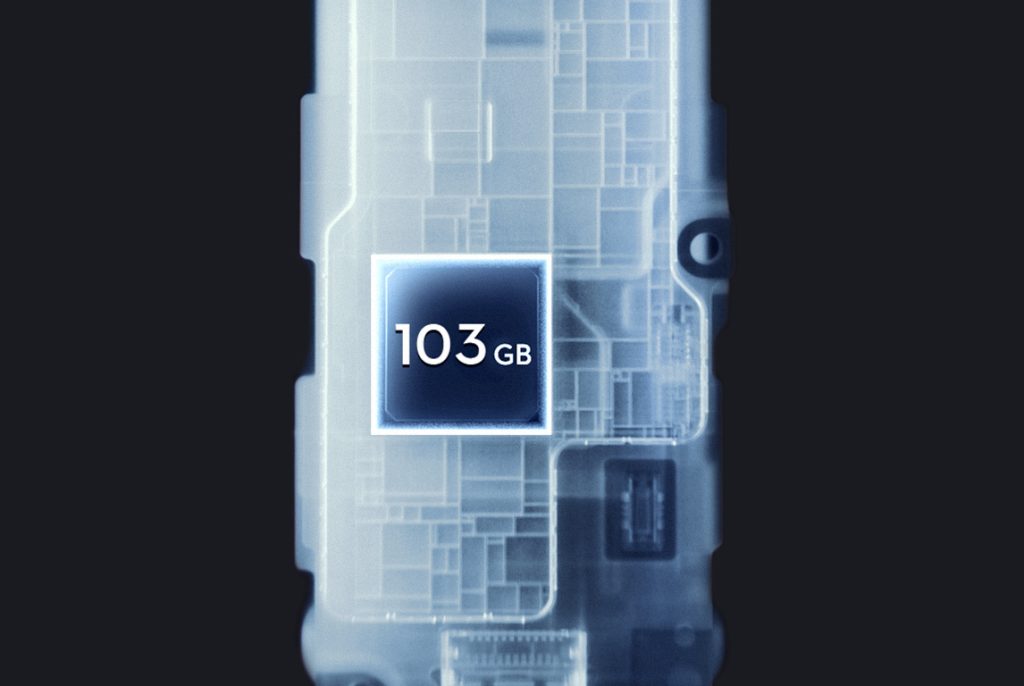
The Pocket 4P includes 103GB of internal storage. The built-in memory can hold around 210 minutes of 4K footage recorded at 60fps. Storage can be expanded with a microSD card of up to 1TB, which should prove useful for work events, travel days and long shoots where stopping to clear files isn’t a practical option.
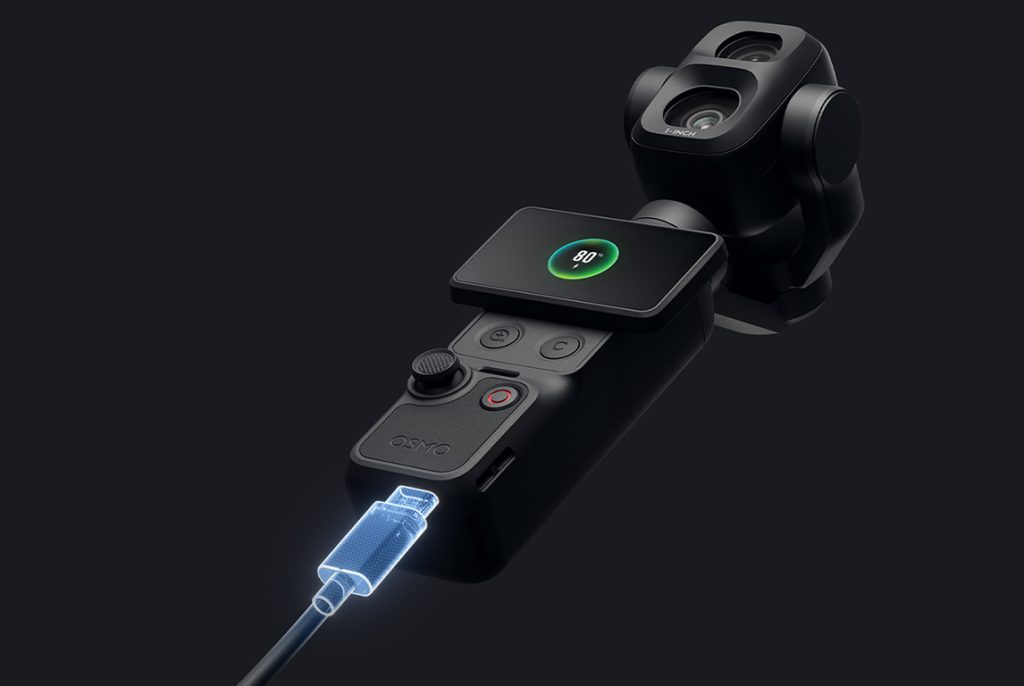
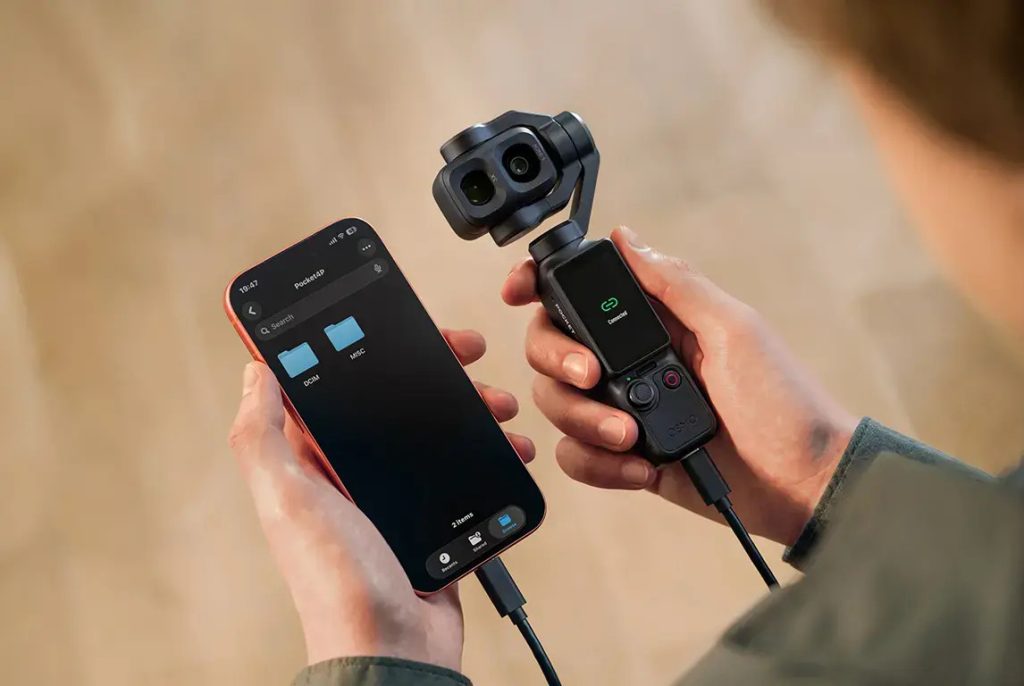
The battery life reaches a claimed 210 minutes when filming at the less demanding 1080p resolution at 24fps, with Wi-Fi and the screen turned off. With the brand’s separately sold 65W charger, the battery can reach 80 per cent in 18 minutes and a full charge in 32 minutes. However, using the removable fill light reduces the operating time, because good lighting demands some sacrifices.
What comes with the Osmo Pocket 4P?
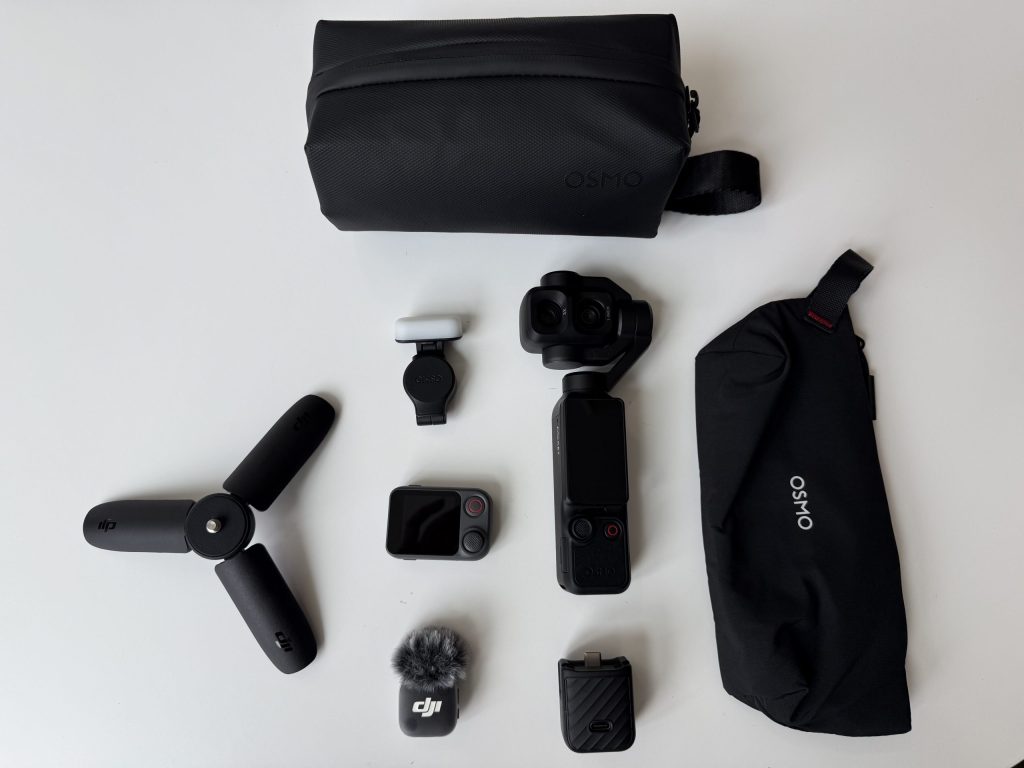
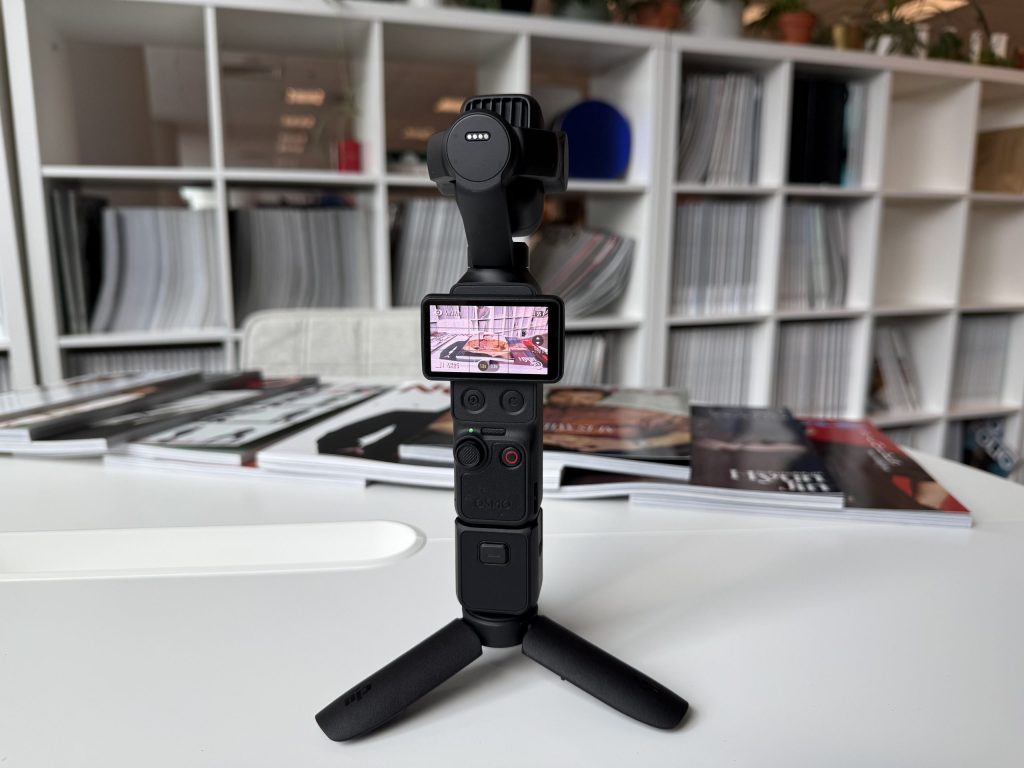
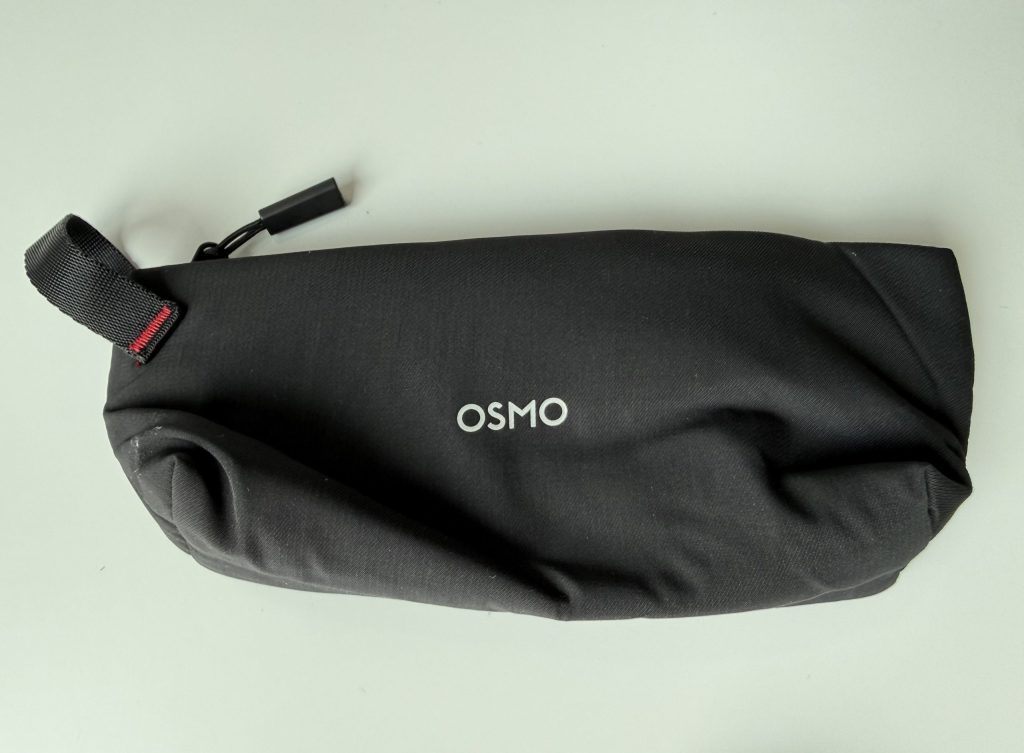
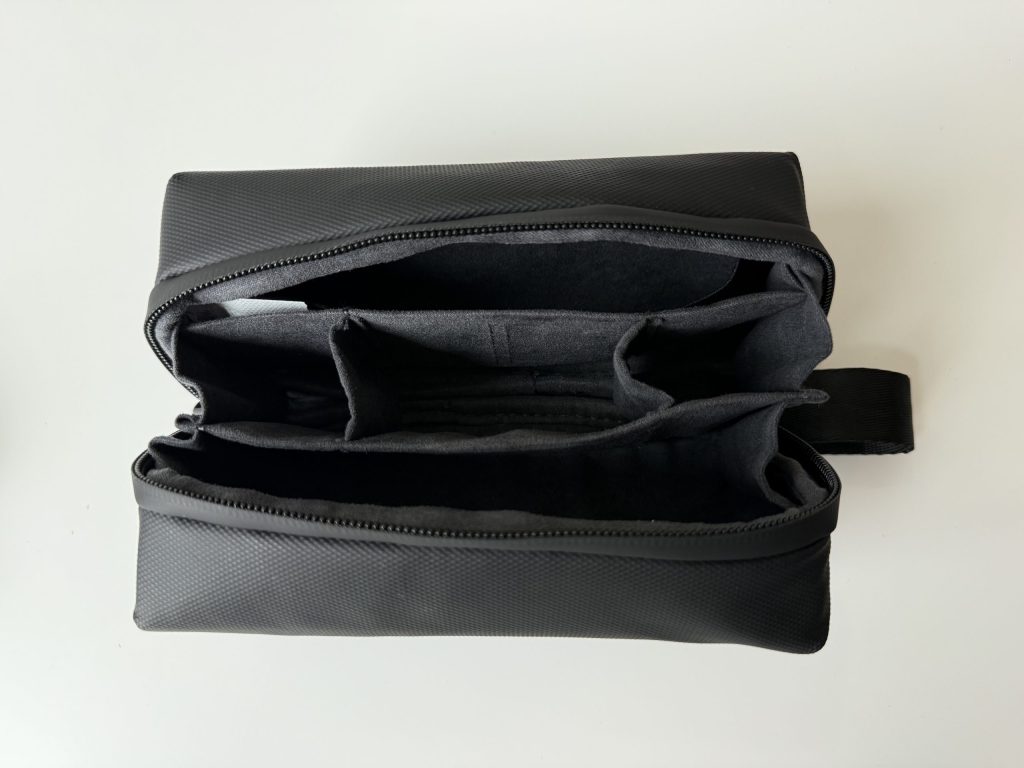
DJI offers the Osmo Pocket 4P in Black and Pearl White, with two bundles aimed at very different users. The Standard Combo covers the camera and its main accessories, a sensible choice for those who already own filming gear. The Vlog Combo makes the most sense for solo creators, adding a DJI Mic Mini 2, Osmo FrameTap, mini tripod and extra carrying accessories.
In Malaysia, the Standard Combo is listed at RM2,419, while the Vlog Combo is priced at RM2,739. DJI Store Malaysia currently marks the product as sold out, but pre-orders will ship within 30 working days.
Check out the DJI Osmo Pocket 4P specifications and availability here.
This story first appeared in Esquire Malaysia.
READ MORE