
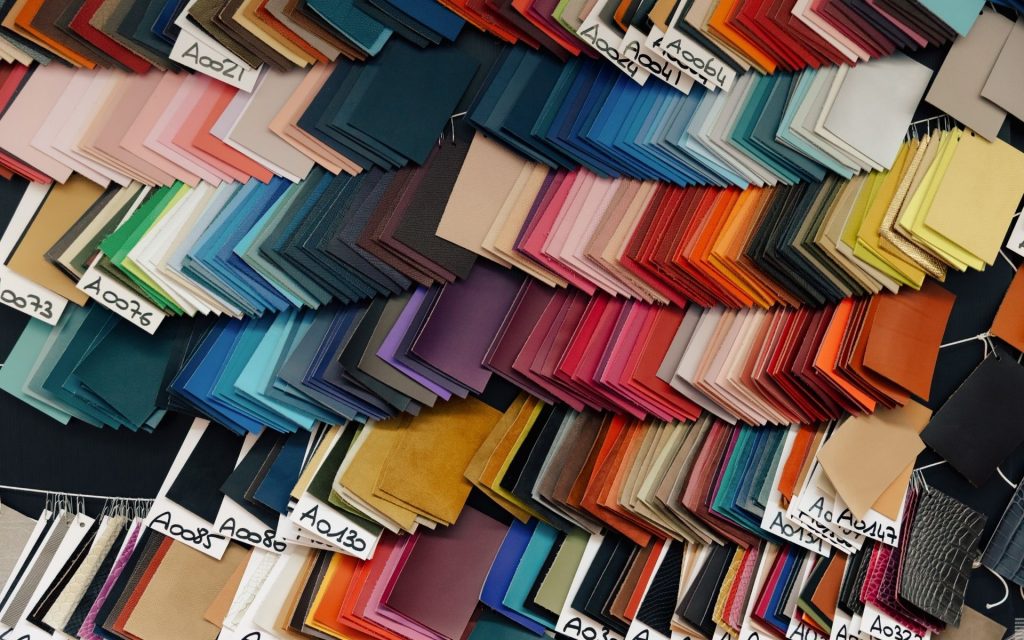
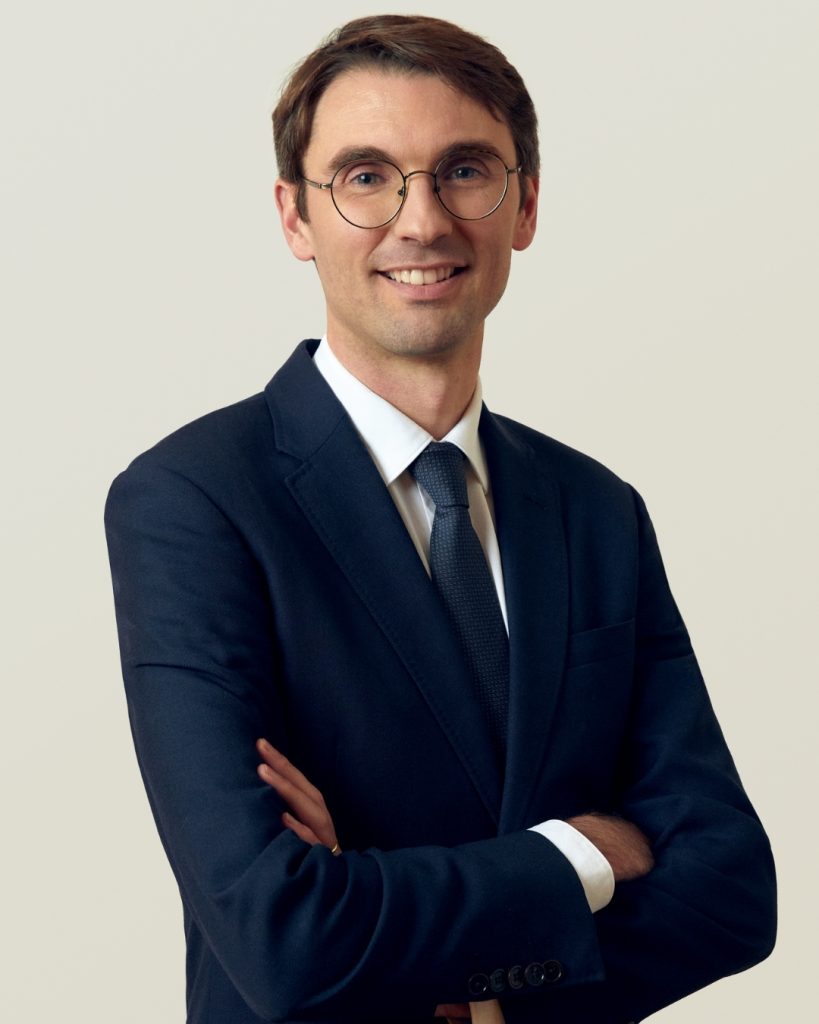
When Longchamp recently achieved its B Corp™ certification, it marked the culmination of years of work. For a family-owned maison founded in Paris in 1948 and now present in 80 countries, the certification was never just a badge. It was, as Adrien Cassegrain, Director of Transformation and CSR, explains, a way to force themselves to improve and to prove that improvement was already underway.
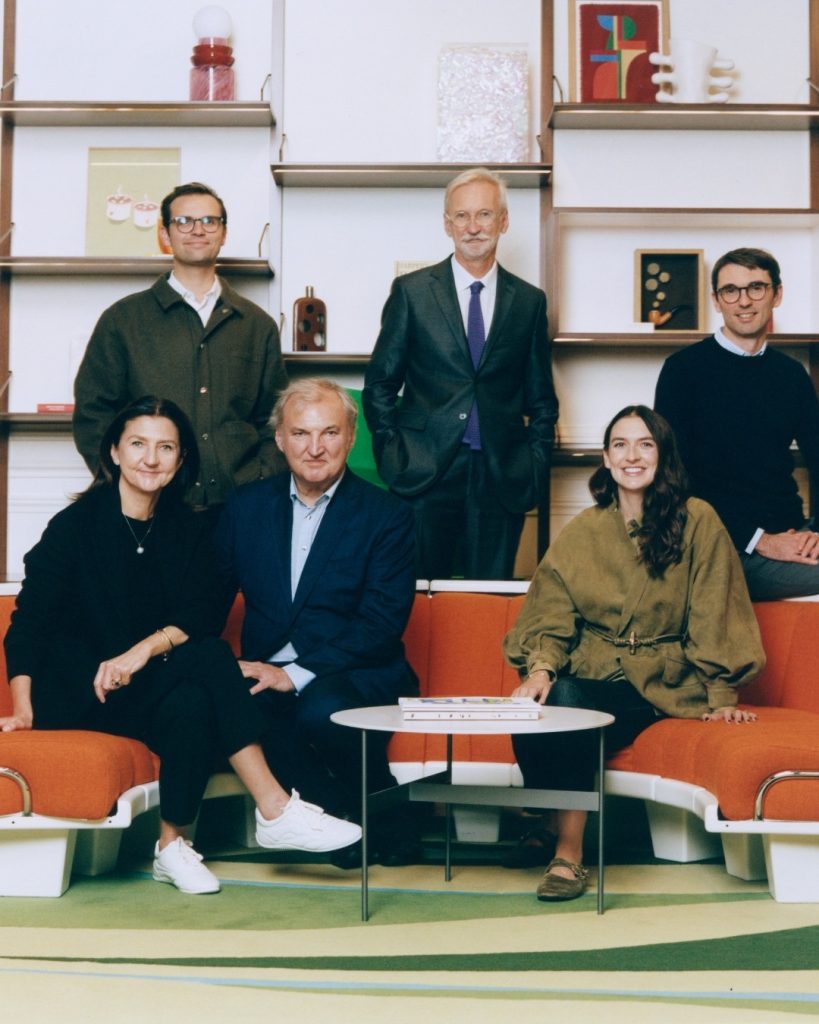
Cassegrain joined the family business in 2020 alongside his brother Hector, who serves as General Manager for France, the fourth generation of a family that has owned and managed Longchamp since its founding, now actively shaping what comes next.
A 360-Degree Label
The day-to-day reality of pursuing B Corp™, Cassegrain explains, is a lot of project management. “B CorpTM has been very demanding,” he says. “It’s really a 360 label, so everything has been looked at.”
The evaluation covered five major pillars. Governance came first—demonstrating processes that show CSR is a genuine part of operational decision-making, not an afterthought. Then came a strong social component: HR and workplace practices were evaluated for every country Longchamp employs people in. “It’s a bit more than 25 countries,” he notes. “So each time, different working environments, different regulations, market practices. So it’s not easy.”
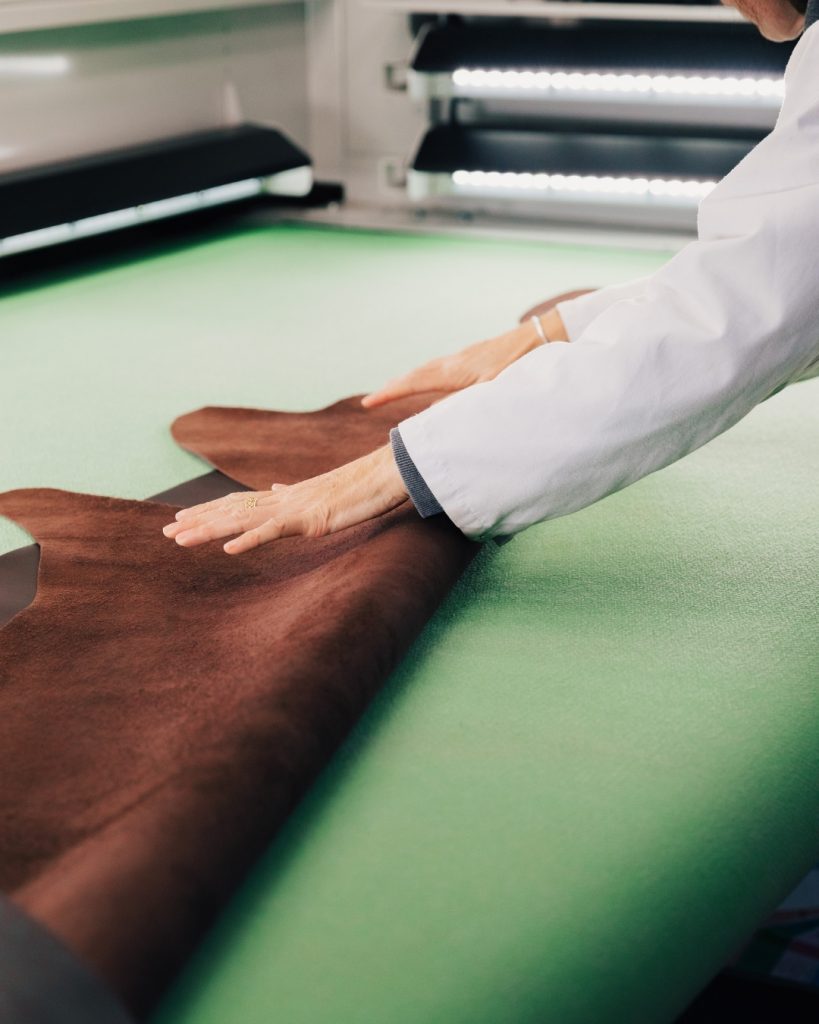
Supply chain formed another pillar. The logic here was straightforward but demanding. “We would be sketchy to say that we are a good company trying to treat our employees correctly on one side, but on the other side, having subcontractors and suppliers that do not take into account the impact on the environment.” The goal was to understand the full supply chain, share best practices, and ensure that partners operate in alignment with Longchamp’s values. Environment, climate impact, biodiversity, water, and waste then followed. And finally, the client pillar: ensuring products do no harm to the people who use them. “Each time we had to gather proofs, we had to write full policies. It has been a lot of work for the CSR team, but also for many other people at Longchamp. We estimate that approximately 100 people directly participated in this project. And then there are many more who participated indirectly.”
Why B Corp™ And Why Now
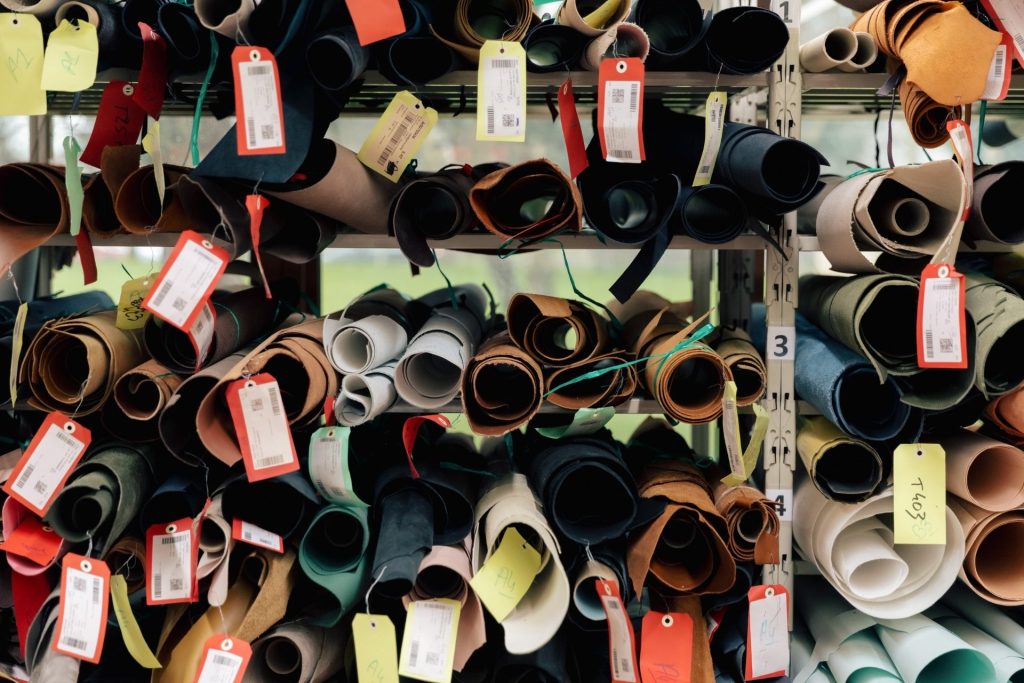
The decision to pursue B Corp™ was rooted in a longer-term view. “Going back a few years, we realised that we had to do something more with CSR, and we were already doing part of the job [of pursuing a B Corp™ ]. We had to document a bit more, but it was really aligned with what we wanted to do as a family-owned company, which is looking forward.”
That forward-looking instinct, Cassegrain says, is existential. “We want to be sure that we’re still there operating in 10, 20, or 50 years. But in order to achieve that, you have to prepare today. And CSR is a way to prepare.” B Corp™ was chosen, specifically, because it would force the maison to keep improving. “We assessed that B Corp™ would help us achieve this goal because of the audits; every stone is turned.”
Many people, he adds, assume B Corp™ is simply a form of CSR. But the scope is considerably wider. “Many people will think it’s just about CSR, but it actually encompasses more things.”
Culture Across 25 Countries
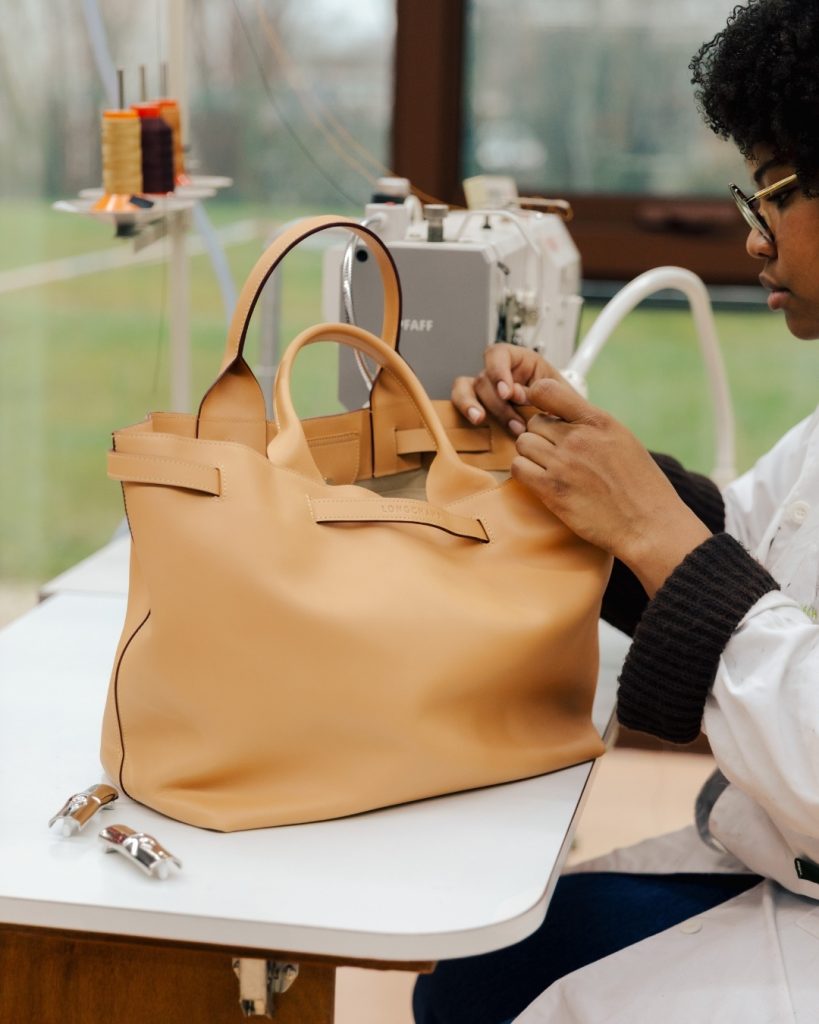
Making initiatives around mentorship and wellbeing feel personal across a global workforce is, Cassegrain admits, genuinely challenging. Women represent 79% of Longchamp’s global workforce, 40% of the Executive Committee, and 58% of international subsidiary directors, a diversity he describes as central to the House’s vitality and agility. “We do have to take into account cultural differences when working on global policies, so we have to adapt them so that they are fit for each country.”
Even within France alone, expectations differ significantly between teams in Paris, boutique staff across the country, and those working at the atelier in Segrè. The answer, he says, lies in values. “If we have the values right, part of the job is done. When at Longchamp, we speak about authenticity, sincerity, and longevity: these are very important values to build meaningful relationships with our employees over the long run. And with also a bit of dynamism, just to make sure that everything gets moving.”
An Important Design Decision
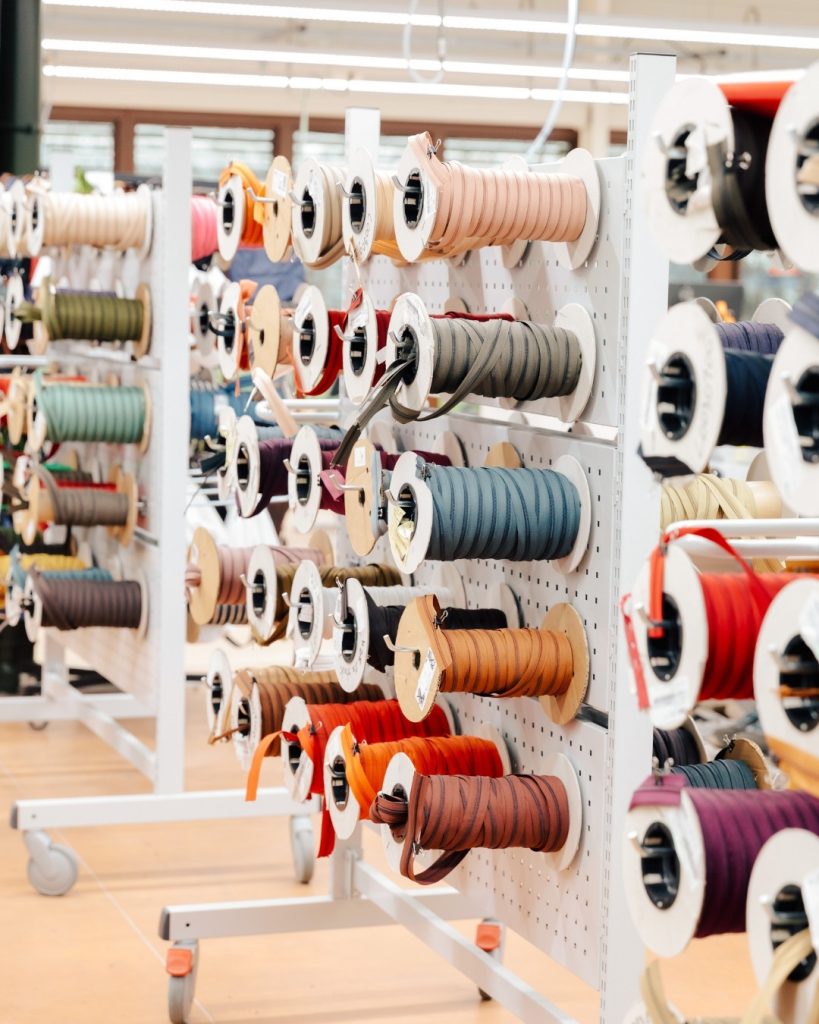
For those unfamiliar with eco-design, what is the most surprising way that an early design decision can shape a product’s environmental footprint? For Longchamp, the answer begins before anything is made.
“The main part is the choice of the material. We have to make sure that the materials we source are as responsible as possible, as good as possible, less impactful as possible. Because if you work with low-quality materials, you won’t be able to leave anything good behind.”
But good materials aren’t enough on their own. “If you’re going to a picnic, you don’t need tableware made out of glass; a cardboard one would be more than enough. And maybe, overall, the glass is better because you can keep it for a long time. But for the specific purpose of having an outside lunch, the cardboard one is the fittest for the purpose.” Sometimes, it isn’t about using the best material, but the right one to suit its purpose.
Applying this logic to bags means choosing materials that will genuinely last. 98% of Longchamp’s leather is now LWG gold certified, the highest level of certification. The canvas used in the iconic Pliage bag incorporates recycled nylon. And crucially, every product is designed to be repairable.
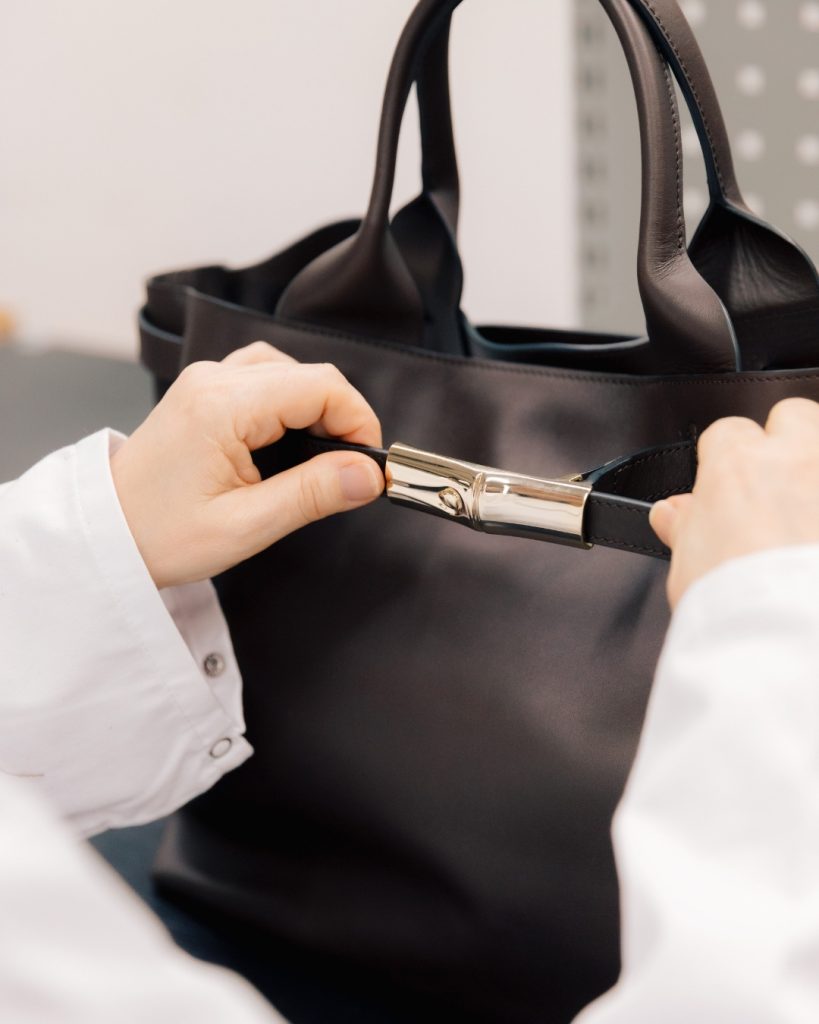
The repair workshop at the Segrè atelier—the House’s main production site—now spans 60,000 m2 in Maine-et- Loire and handles products dating back 30 or 40 years. A day trip from Paris in March offered a vivid sense of what that means in practice. The facility is strikingly modern: clean lines, well-equipped workstations, a far cry from the dusty workshop the word “atelier” might conjure. What stood out most, though, was the people. The leatherworkers moved through their day with confidence, and there was something unmistakable in the atmosphere: these were people genuinely glad to be there, who took pride in what their hands produced. It is the kind of workplace that makes the abstract language of corporate values feel entirely concrete.
In 2025, 162 leatherworkers were recruited and trained there, with similar numbers expected in 2026. The environmental results are beginning to show too: despite a 10% increase in sales that year, Longchamp succeeded in reducing its absolute carbon emissions compared with 2024. The House is also working to limit air transport, including through a partnership with Neoline, a pioneer of wind-powered sea transport, reduce leather waste during manufacturing, and regionalise its logistics flows through a base in Hong Kong.
A Second Life For Materials
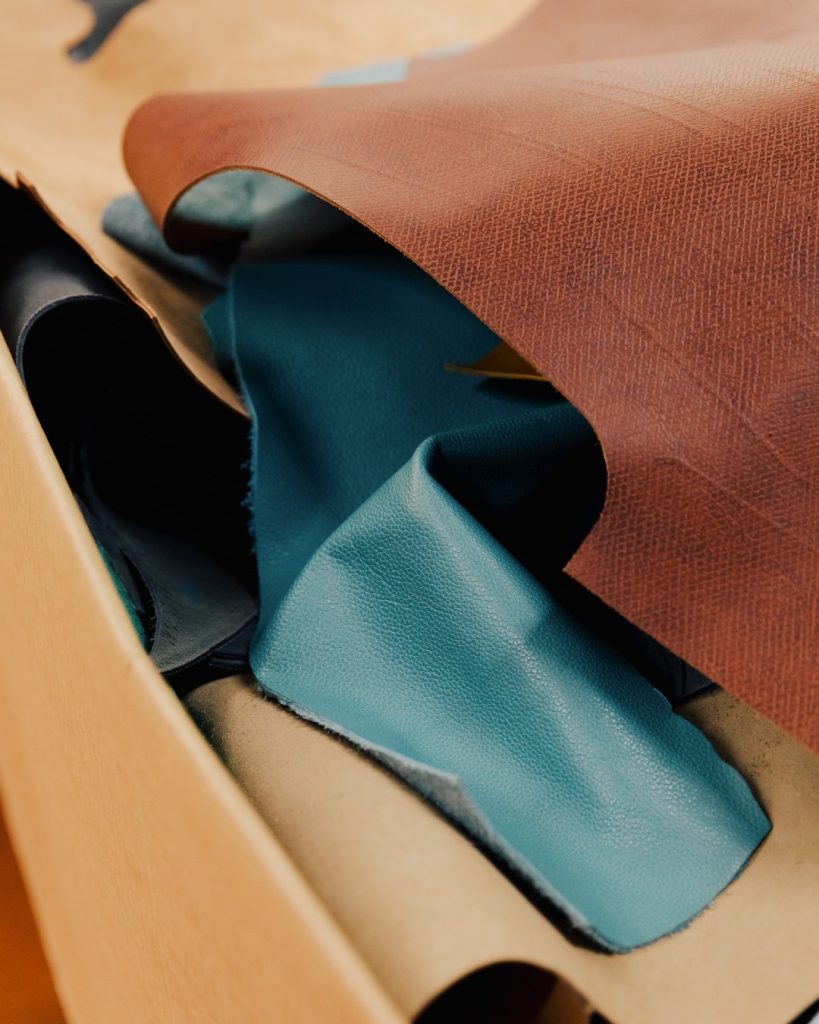
Beyond longevity, Longchamp has explored creative ways to give materials a second chance. The Replay line uses fabrics that have not previously been used. “It’s not recycling, because it has not been used yet, but it’s a way to give a second chance to fabrics.” Leather offcuts are used to cut small charms, though the margins are tight. “When you look at the offcuts, it’s very thin, most of them are defaults in the leather—very small threads that are difficult to use.” If there’s one thing Cassegrain wishes people understood better, it’s something harder to quantify than certification scores.
“The care, the attention, maybe sometimes the love that we put in each of the products that we make. We have the chance at Longchamp to work with many very dedicated employees who are really putting their best into what they do. People who are very proud to work for the company.”
He tells the story of Bruno, who recently retired after more than 40 years managing the methods office: the step where a sketch becomes a first prototype. His tenure alone would be remarkable. But the detail that stayed with Cassegrain was this: Bruno’s mother was the first woman ever hired in the Segrè workshop, in 1951. “Can you imagine that? For me, it was really so special to see that.”
It speaks, he says, to something visible in the way work is organised at the atelier. Each worker doesn’t perform a single task in isolation, they build the entire bag, moving from station to station throughout the day. “They are able to make the entire thing. It’s much more intellectually interesting and rewarding to do the full job.”
“Yes,” he says simply, when asked to sum it up. “Bags made out of love.”
This story first appeared on GRAZIA Malaysia May 2026 issue.
READ MORE
In Good Hands: Fashion Is Finally Turning To Crafts
All the Times Bella Hadid Has Paid Tribute to Her Palestinian Heritage Through Fashion
Borrowed Brilliance: How India’s Creative Talents Are Rewriting Fashion On Their Own Terms